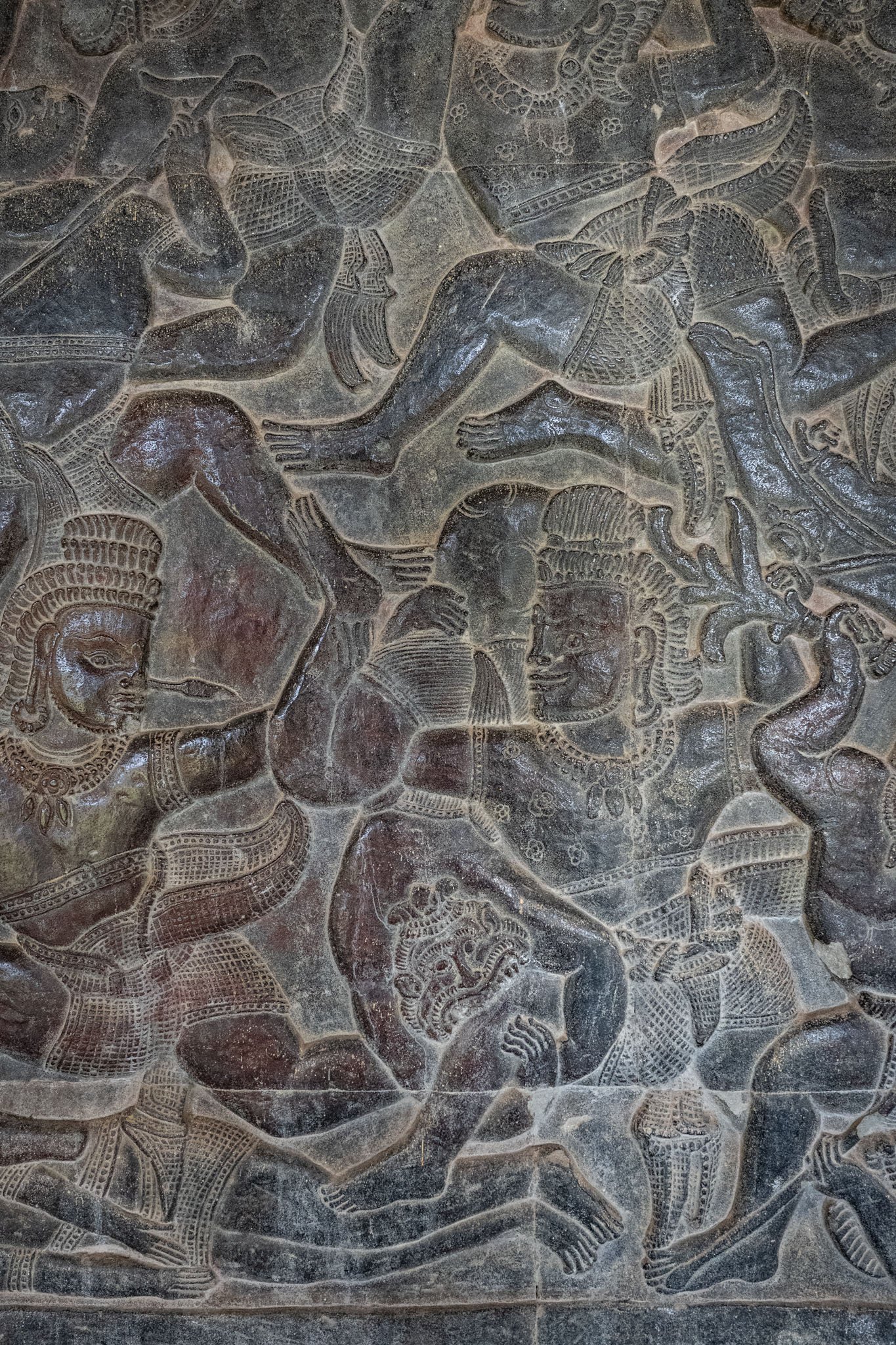
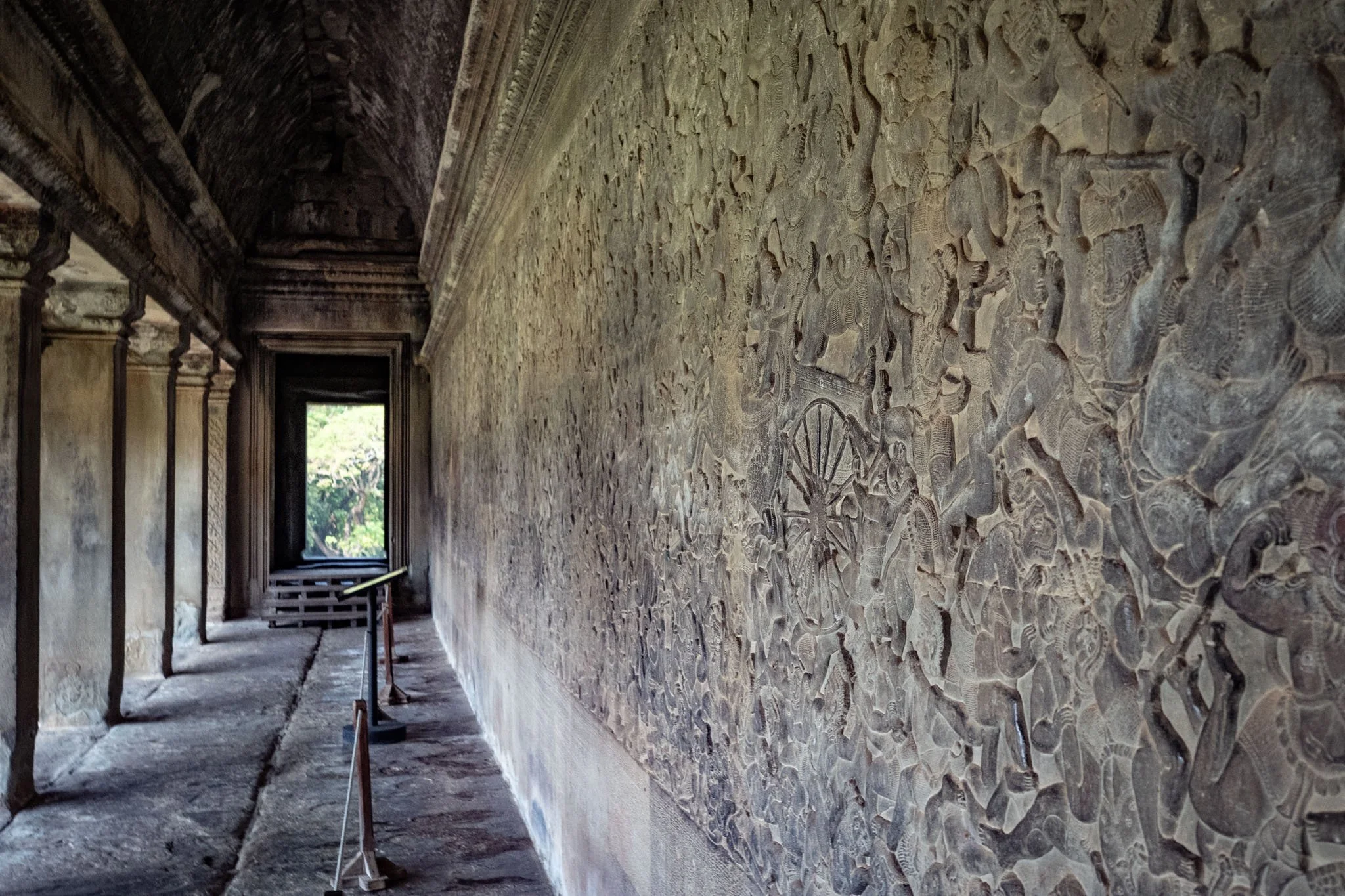
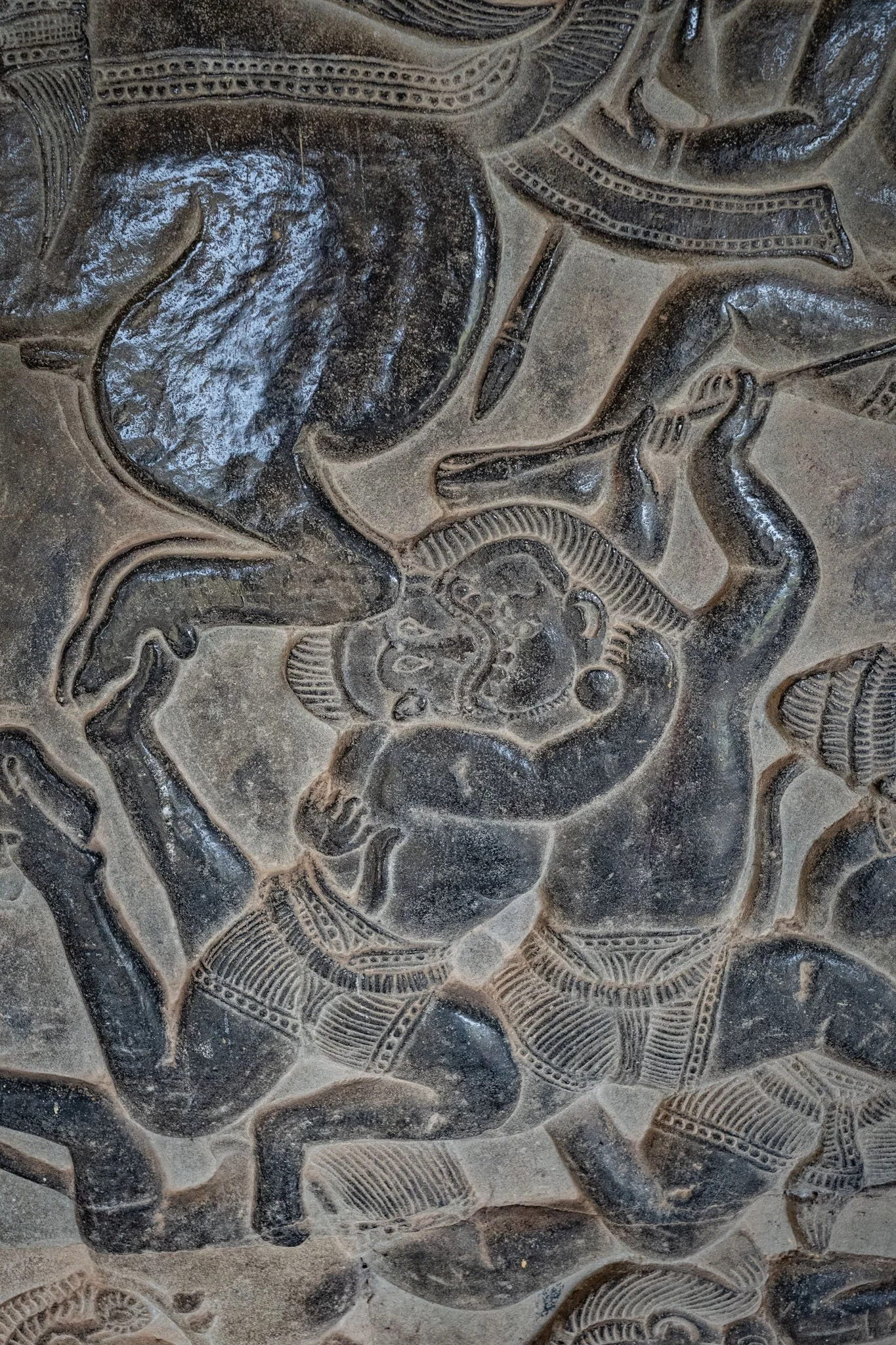
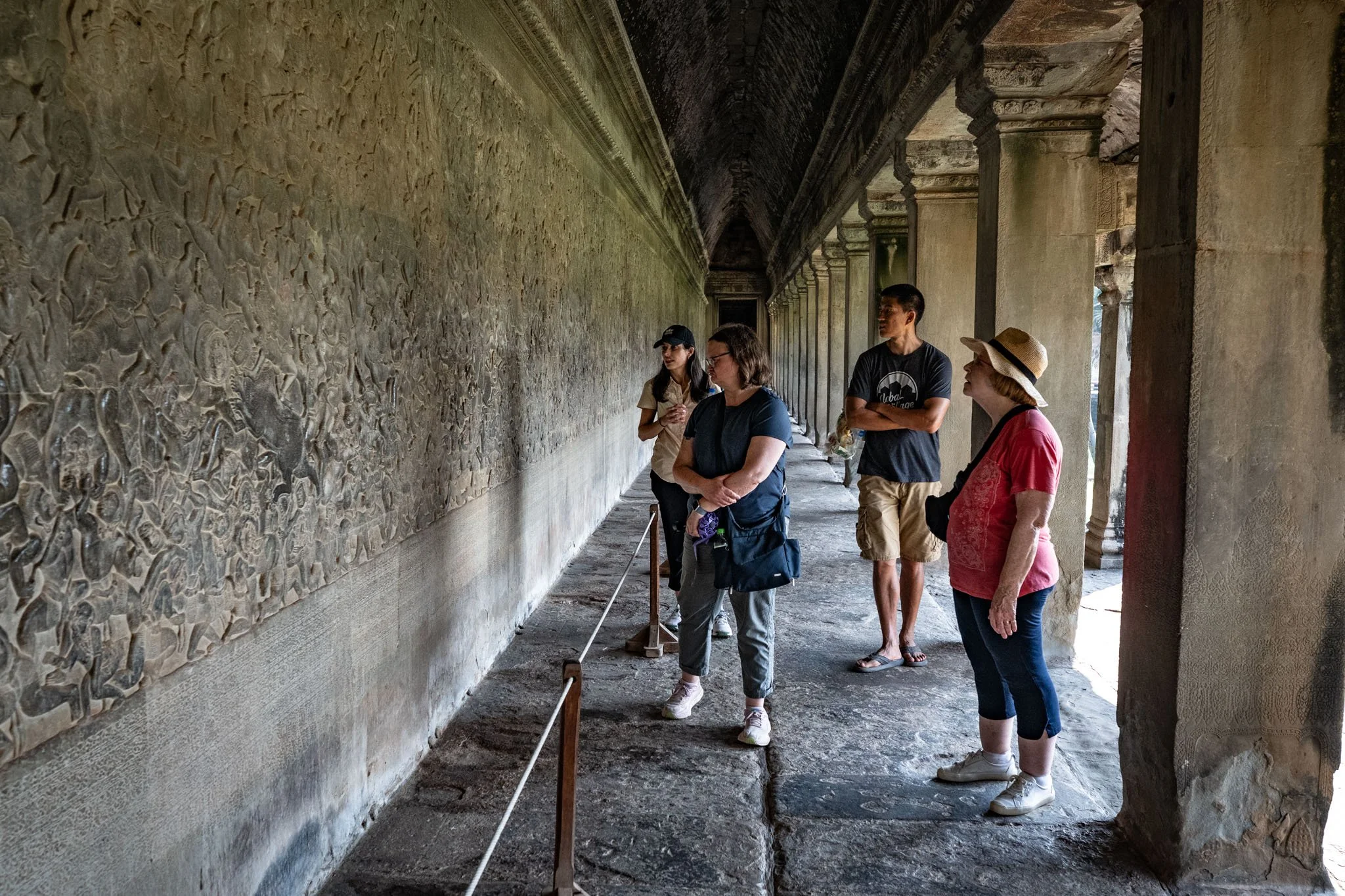
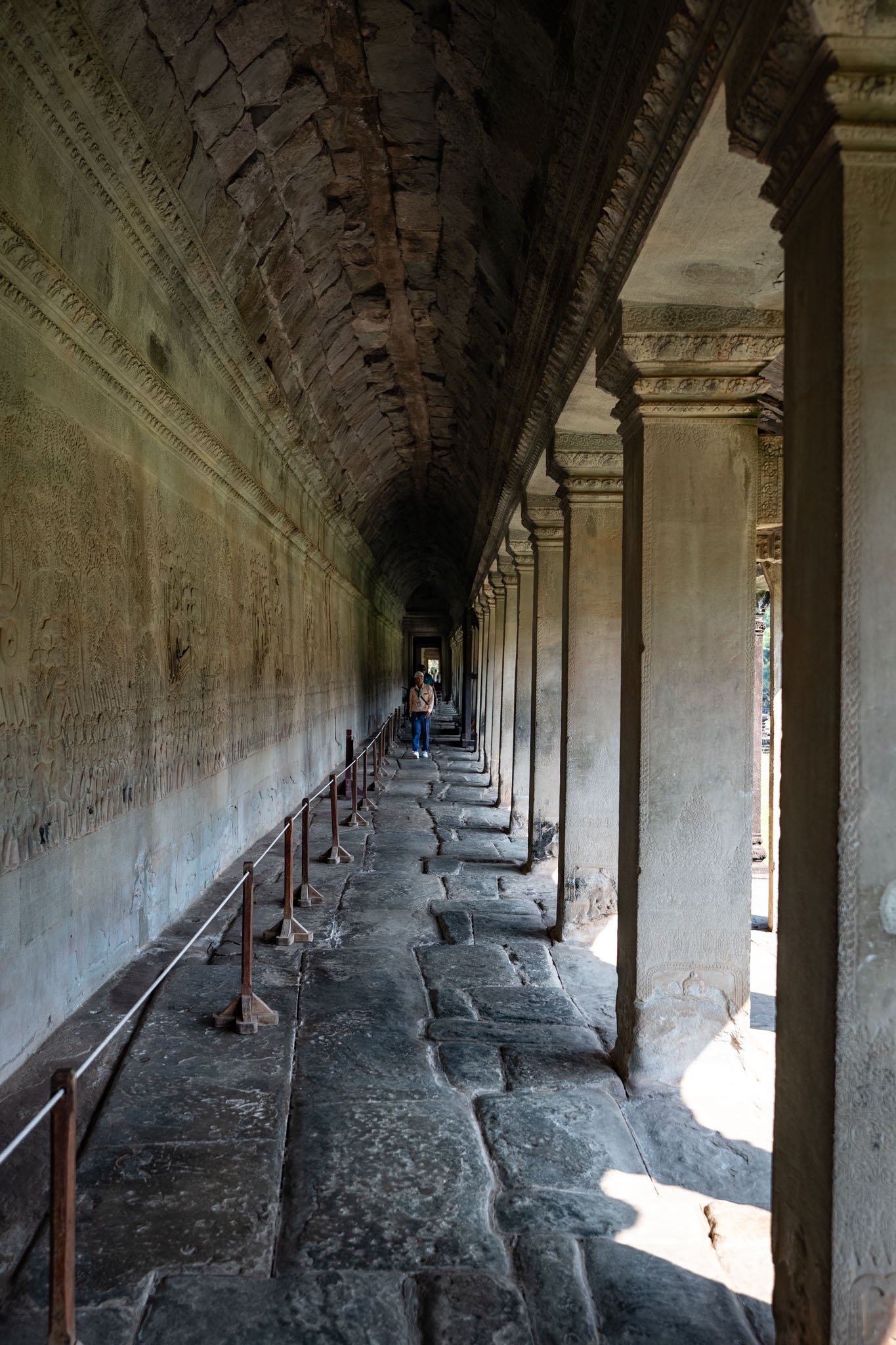
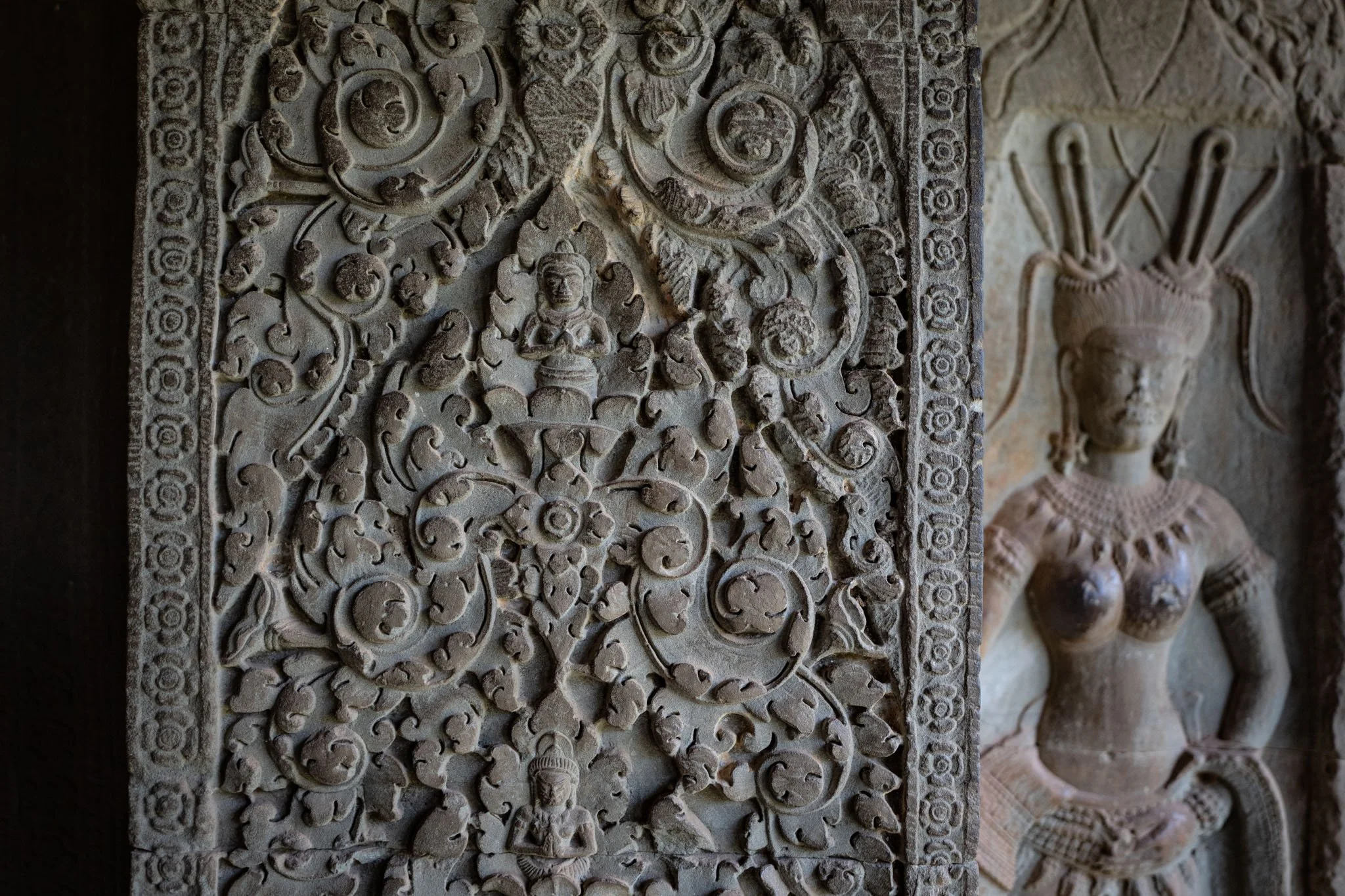
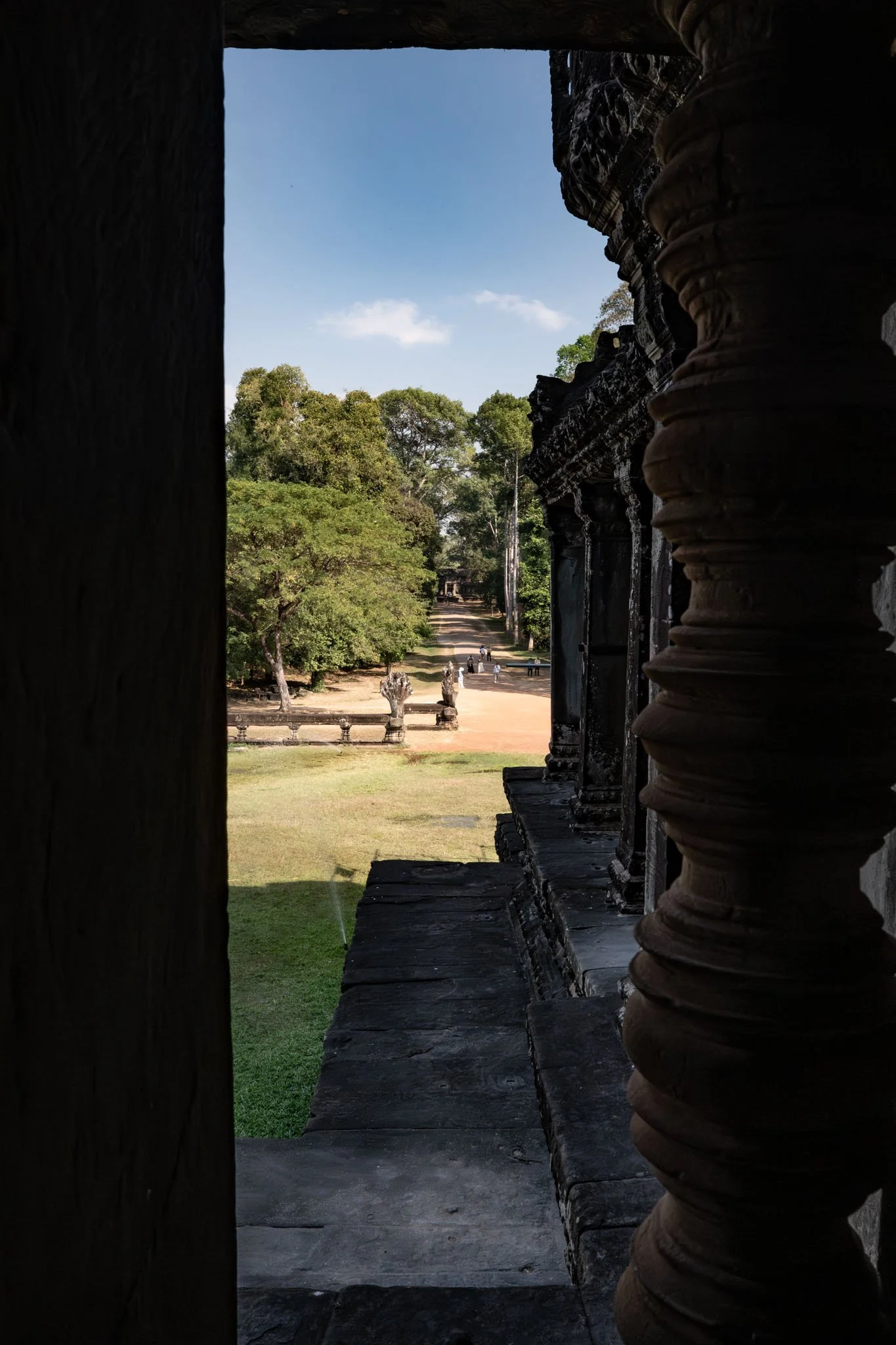
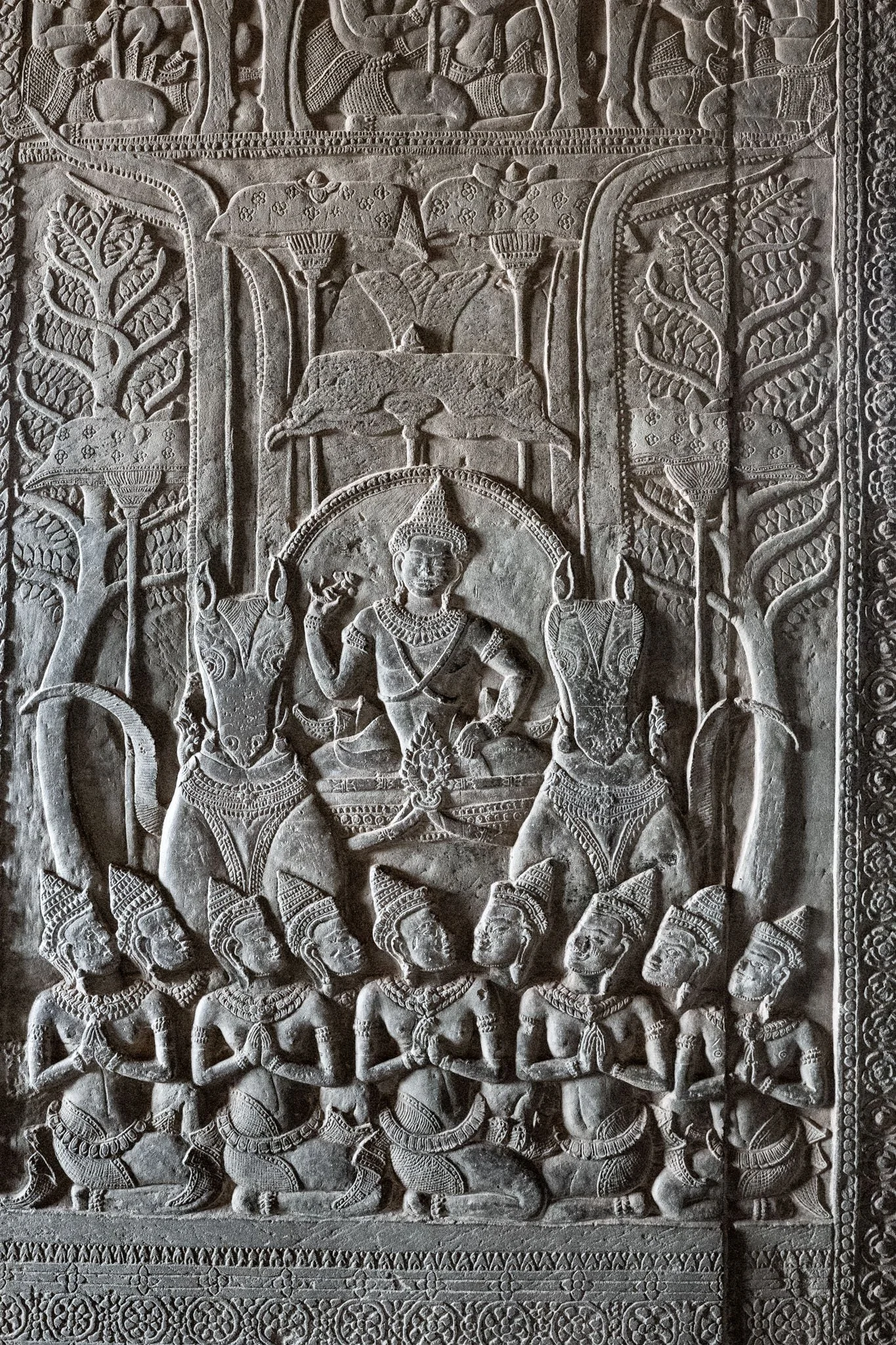
Angkor Still Amazes

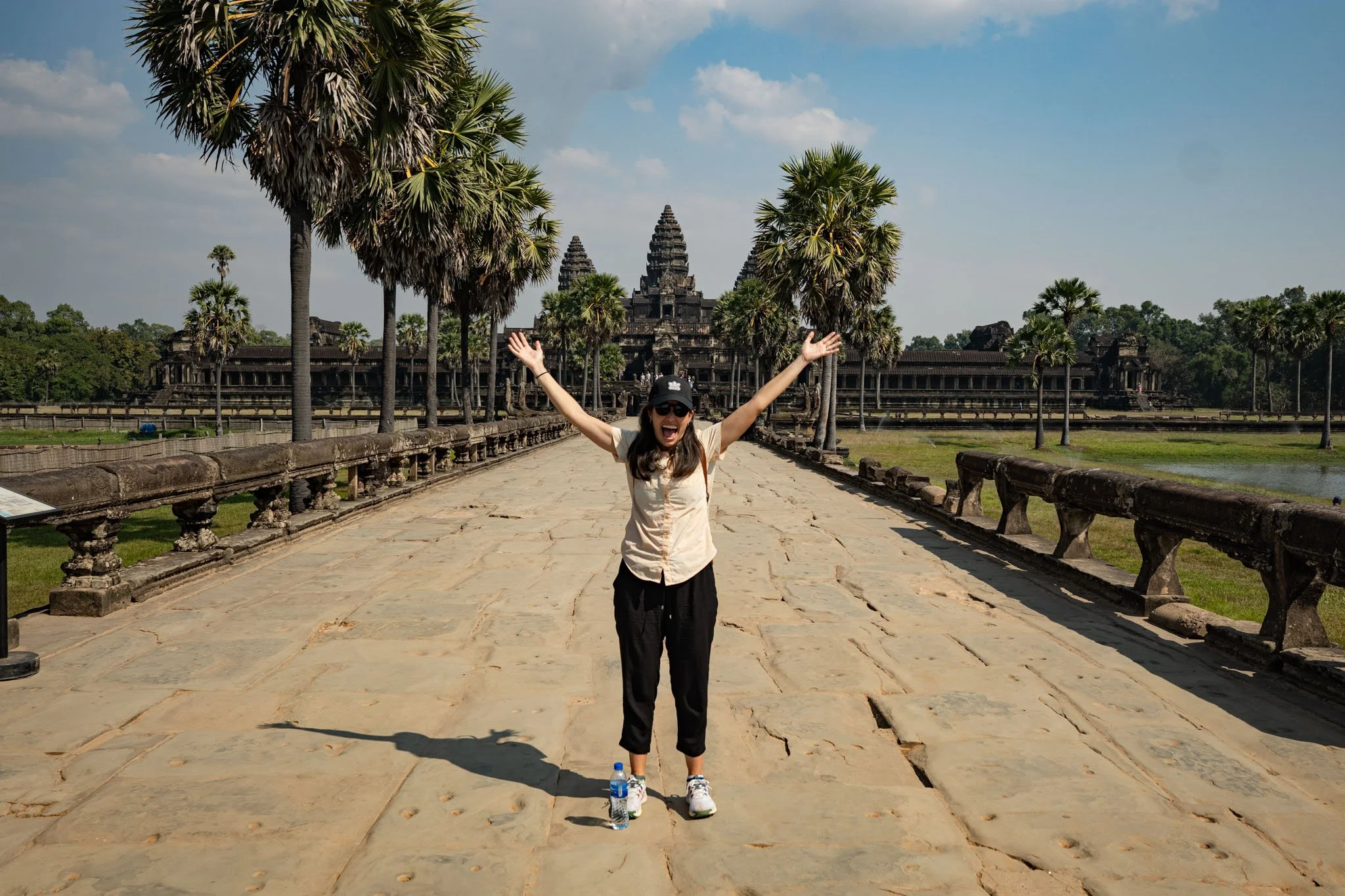
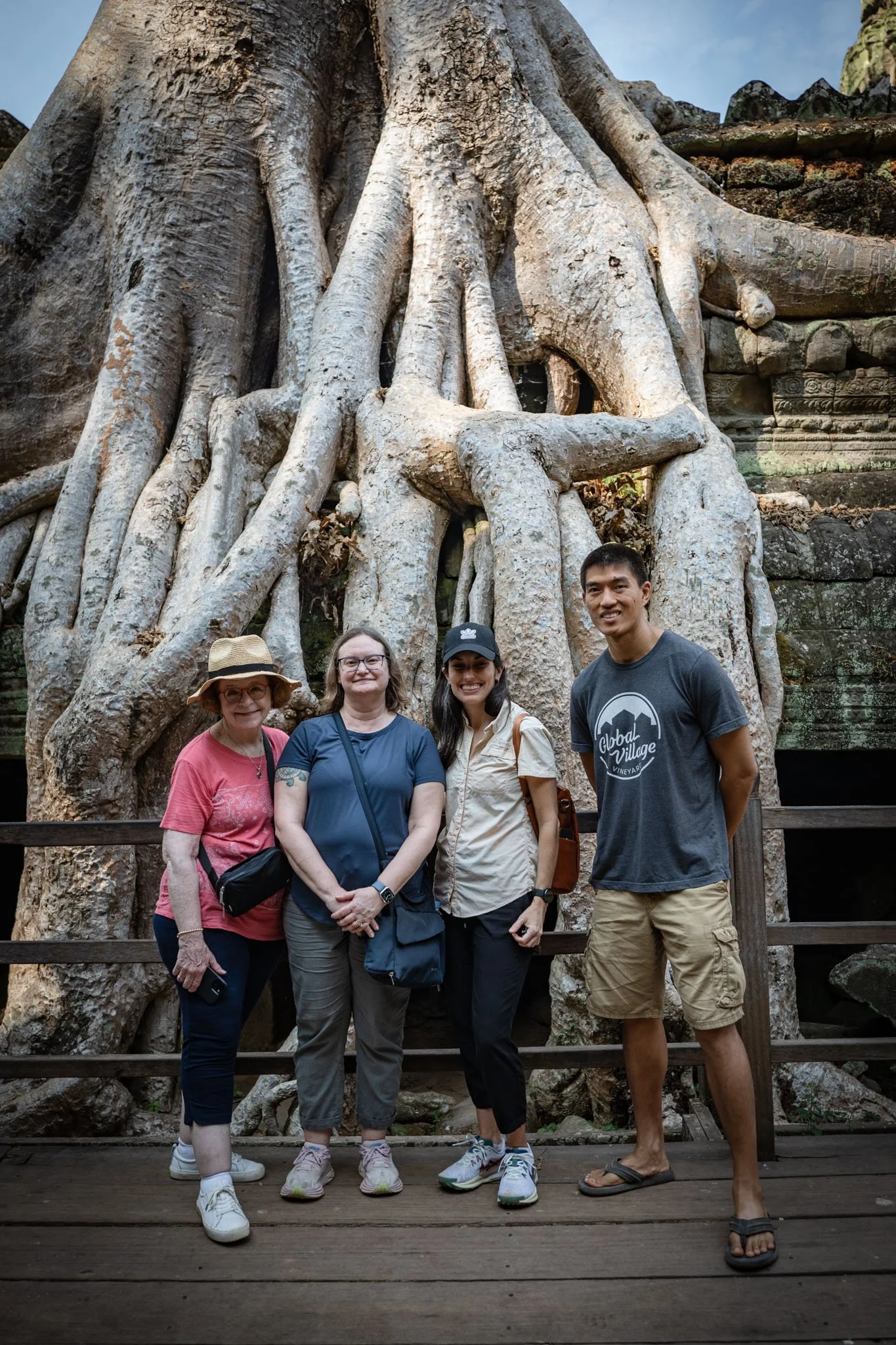
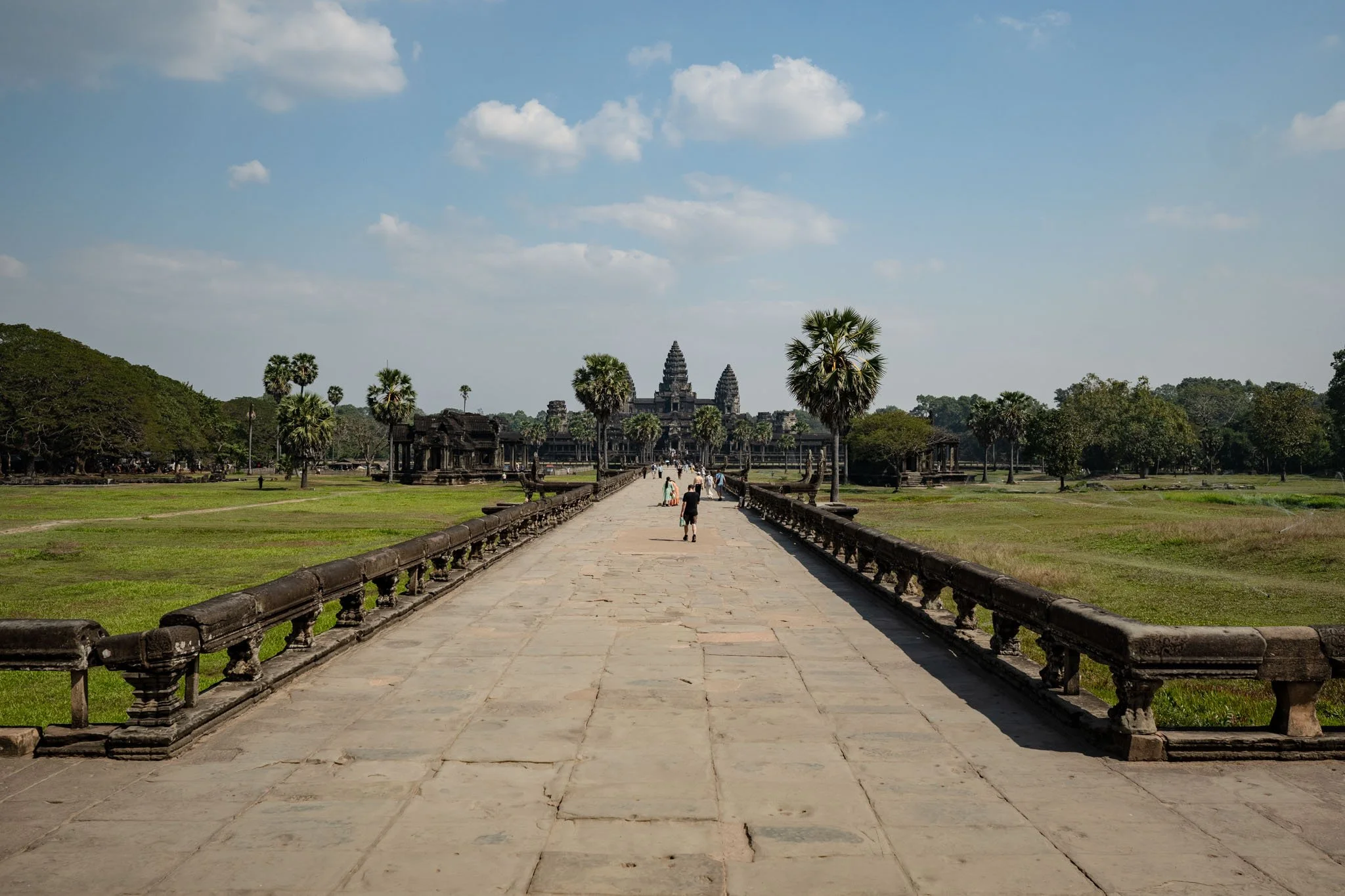
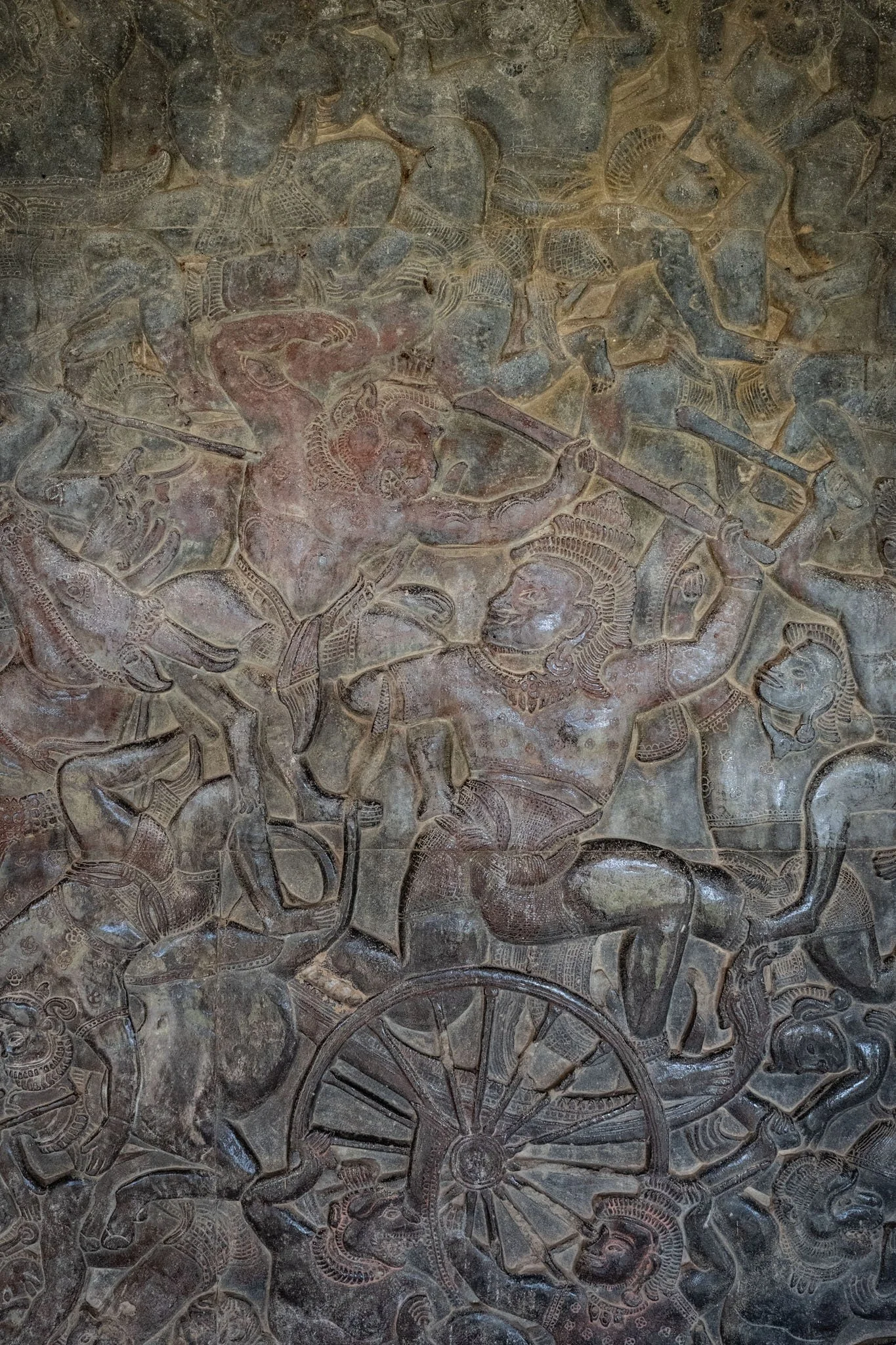
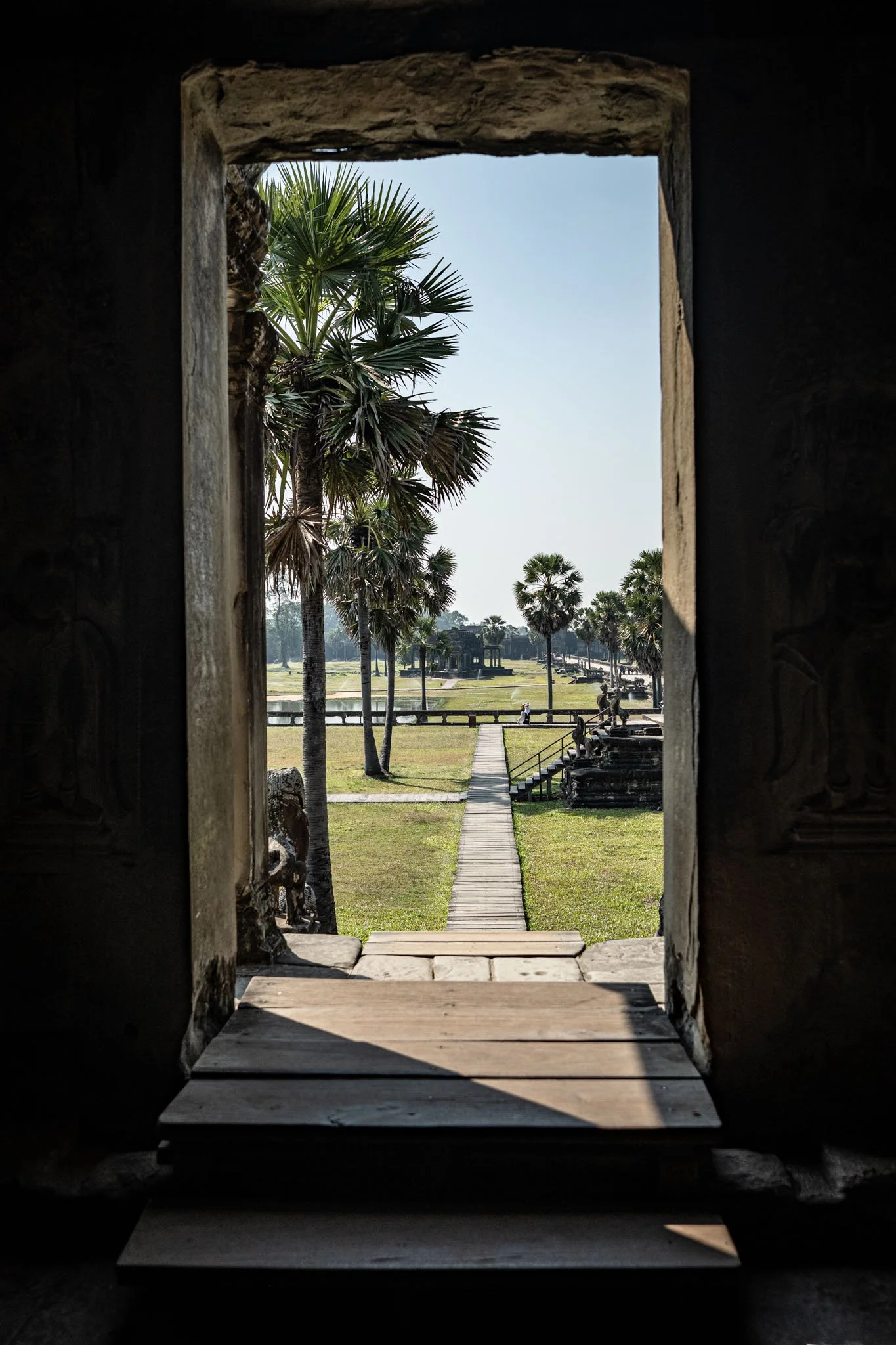
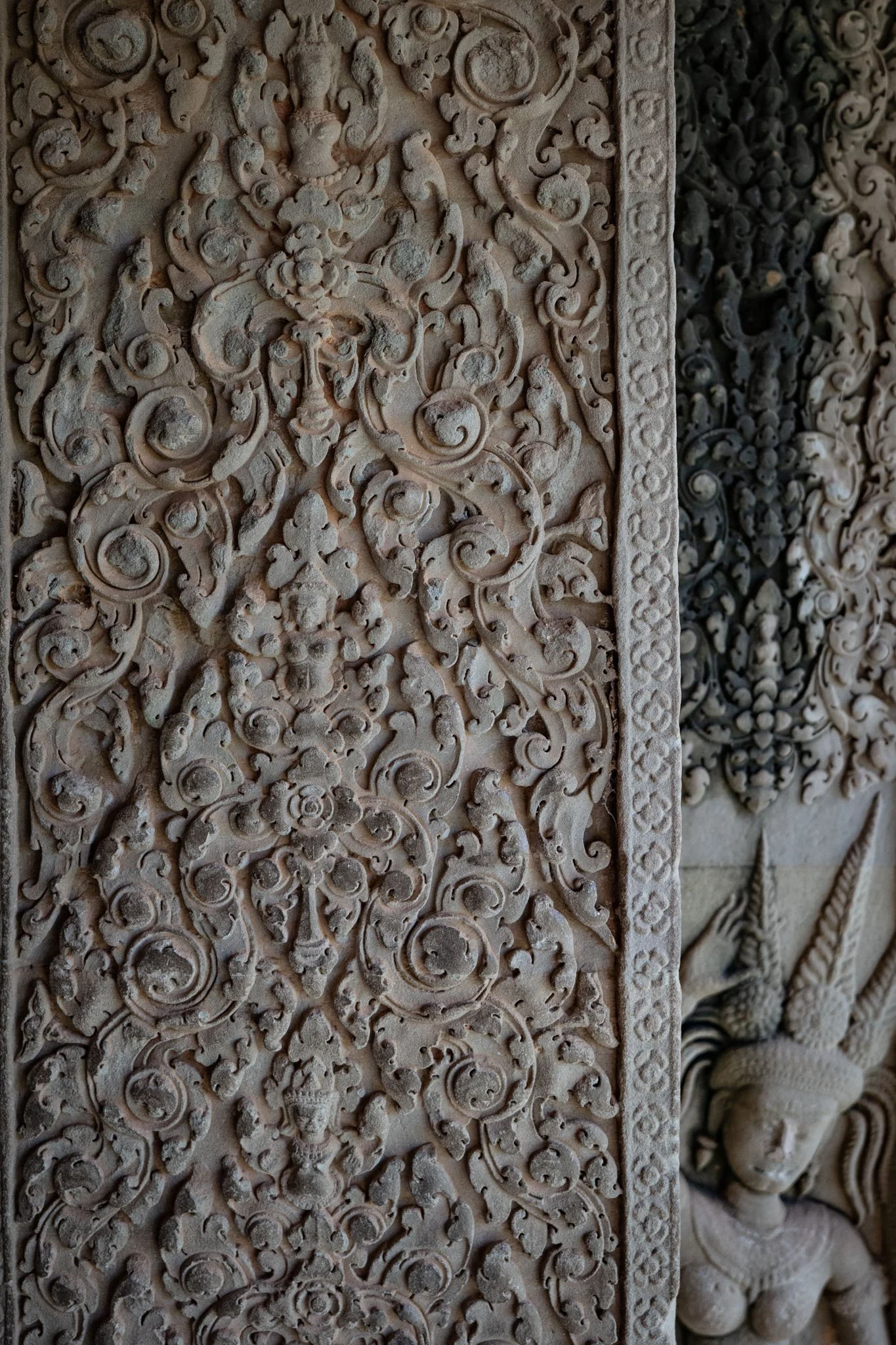
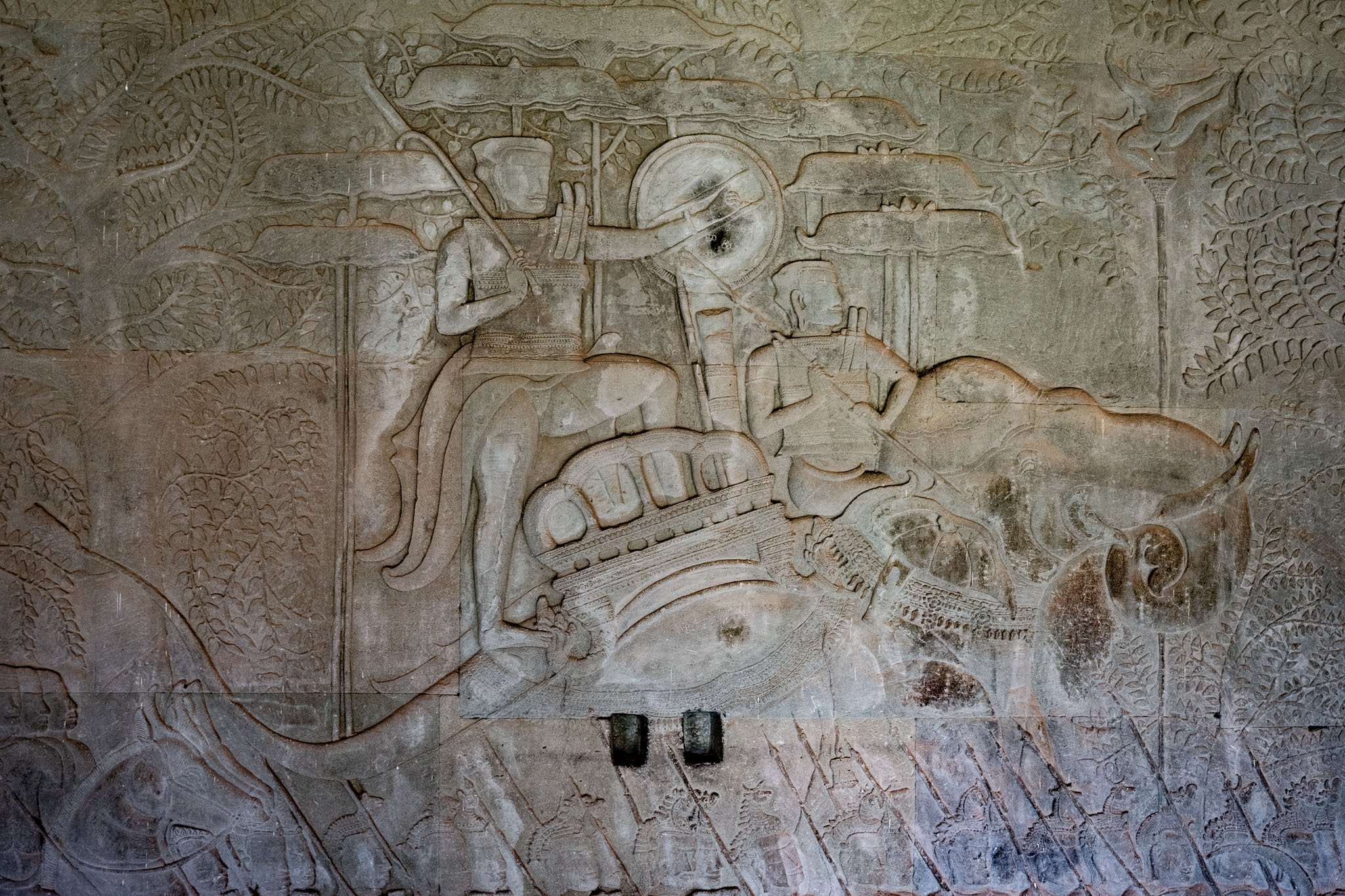
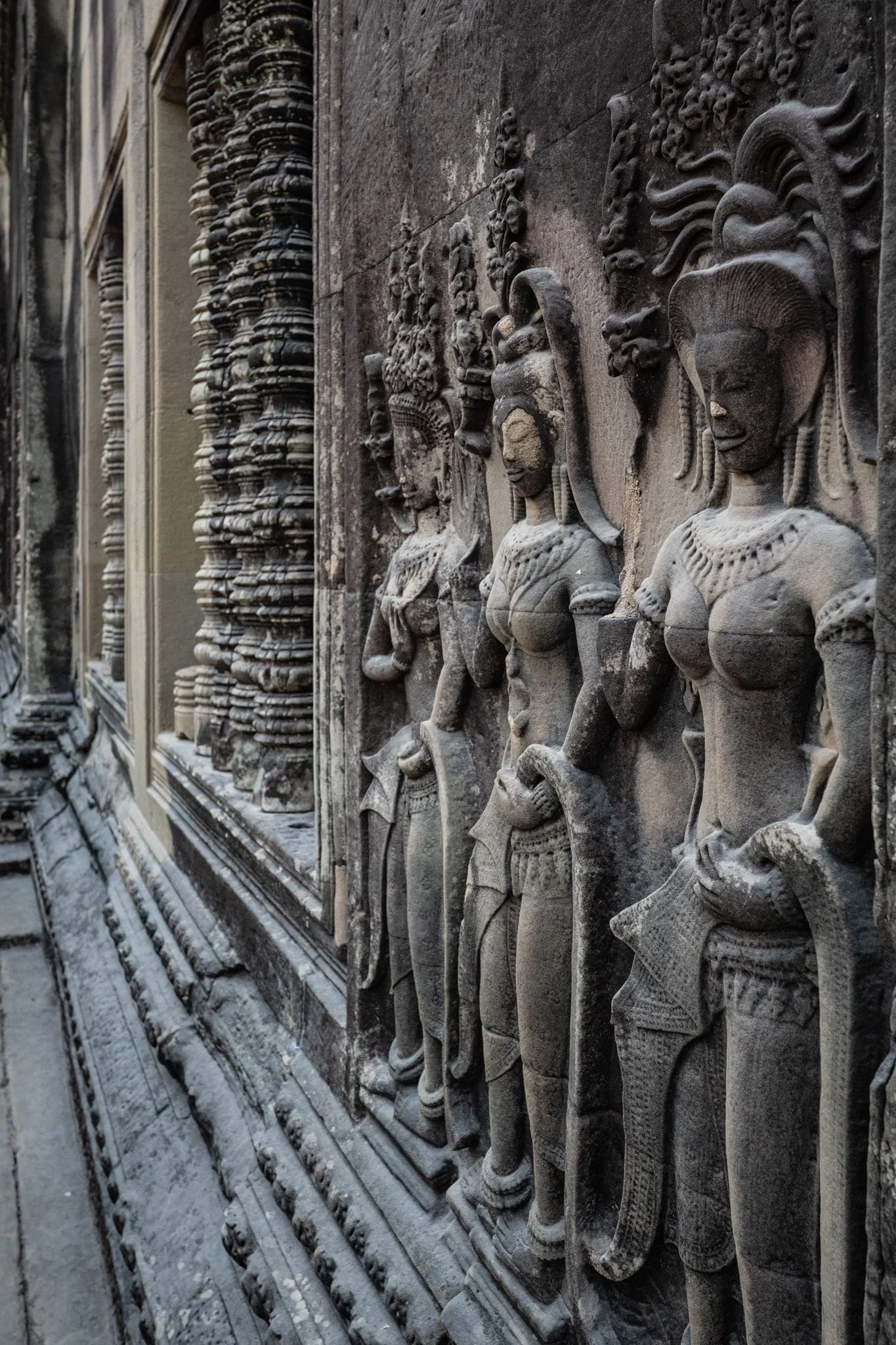
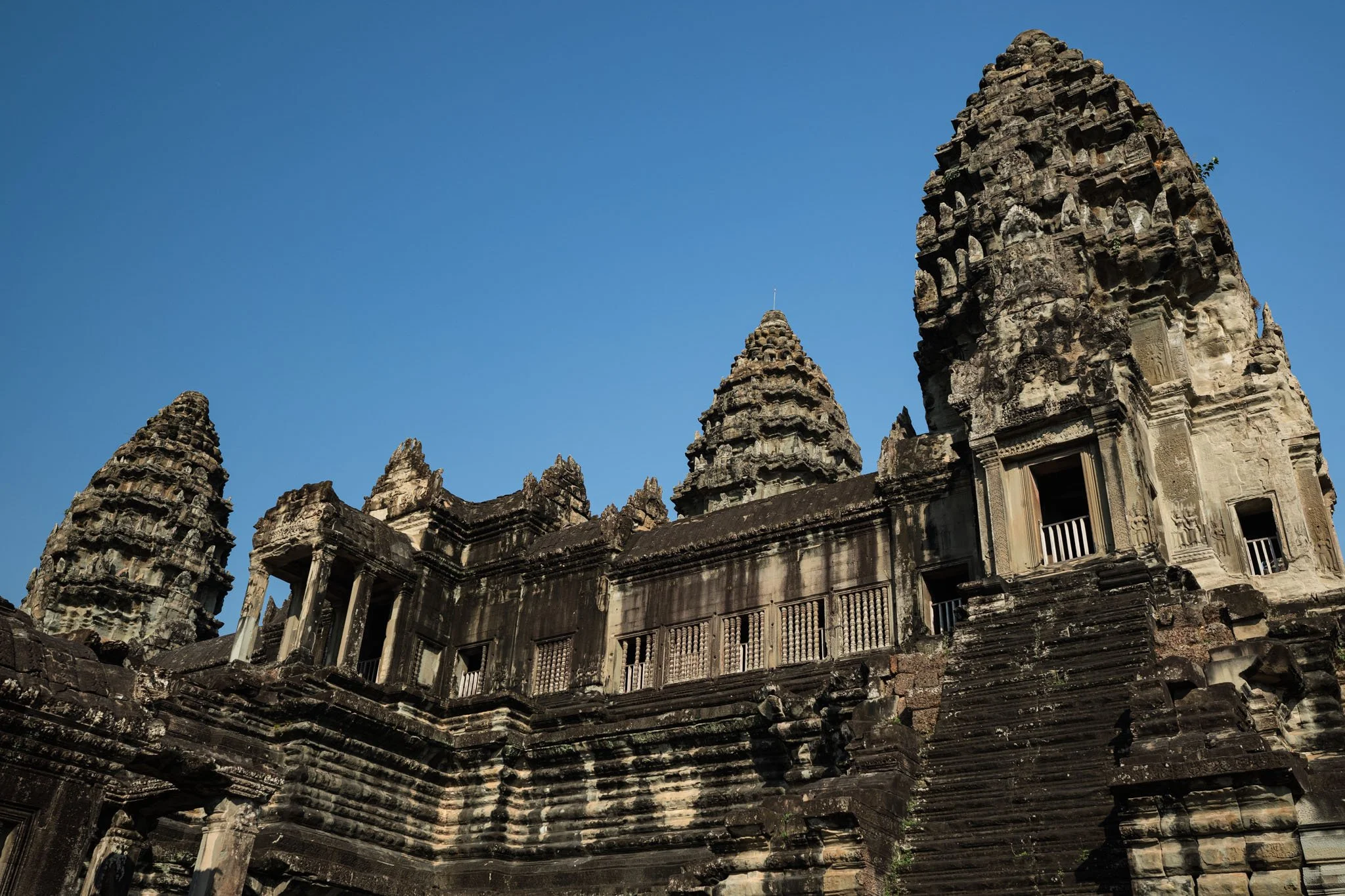
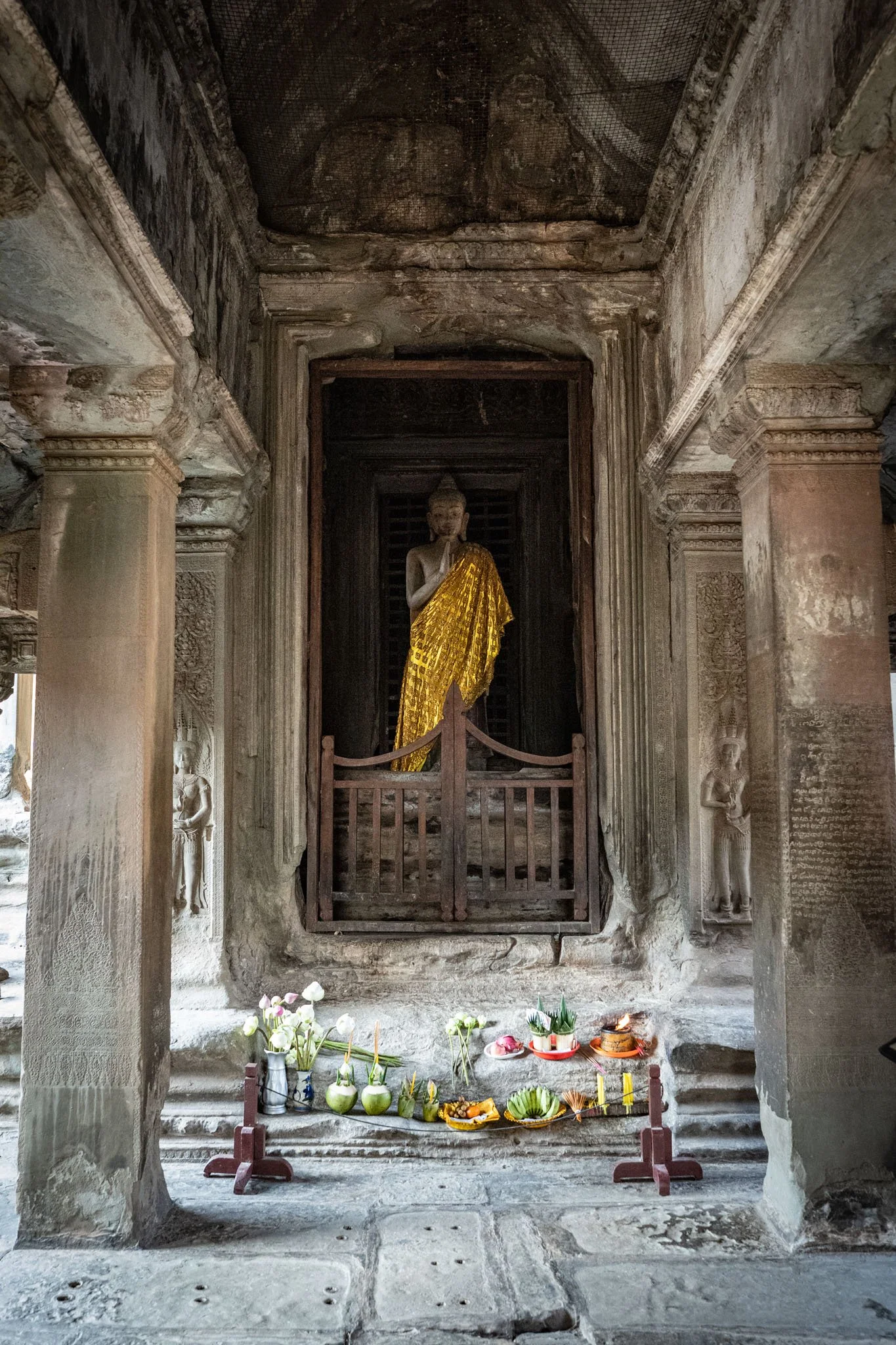
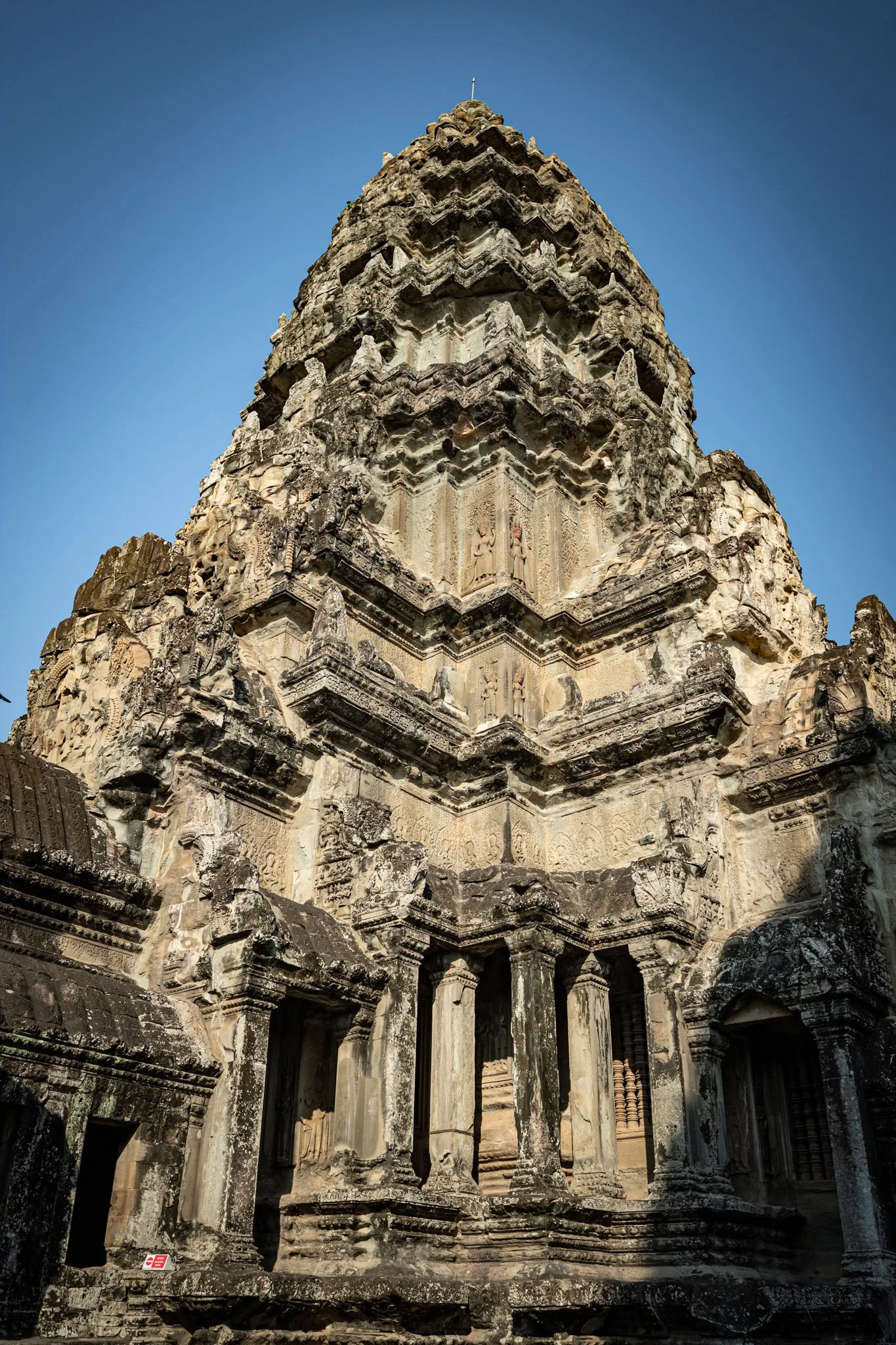
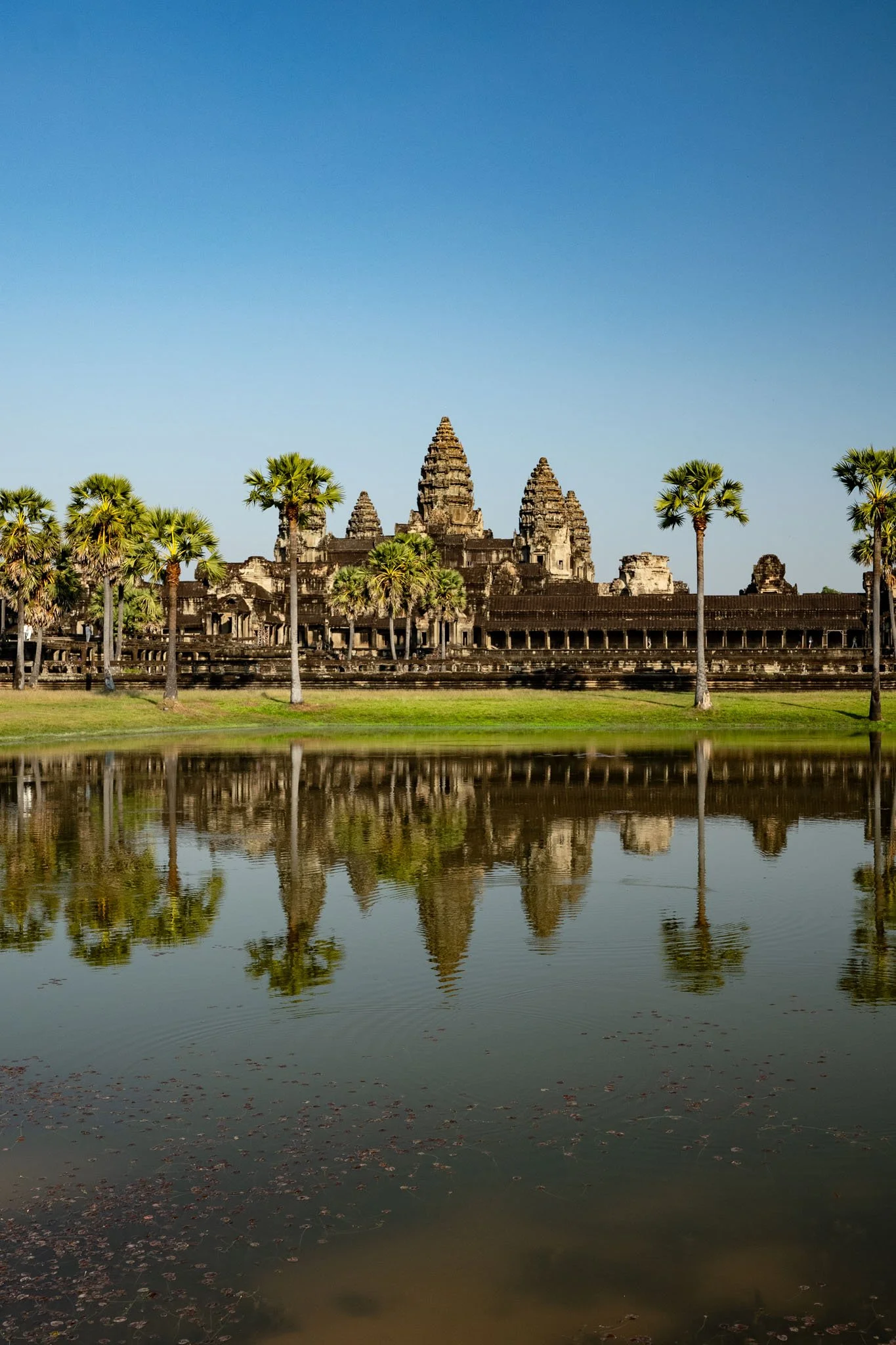
After years of anticipation, Megan finally made it to Angkor Wat!

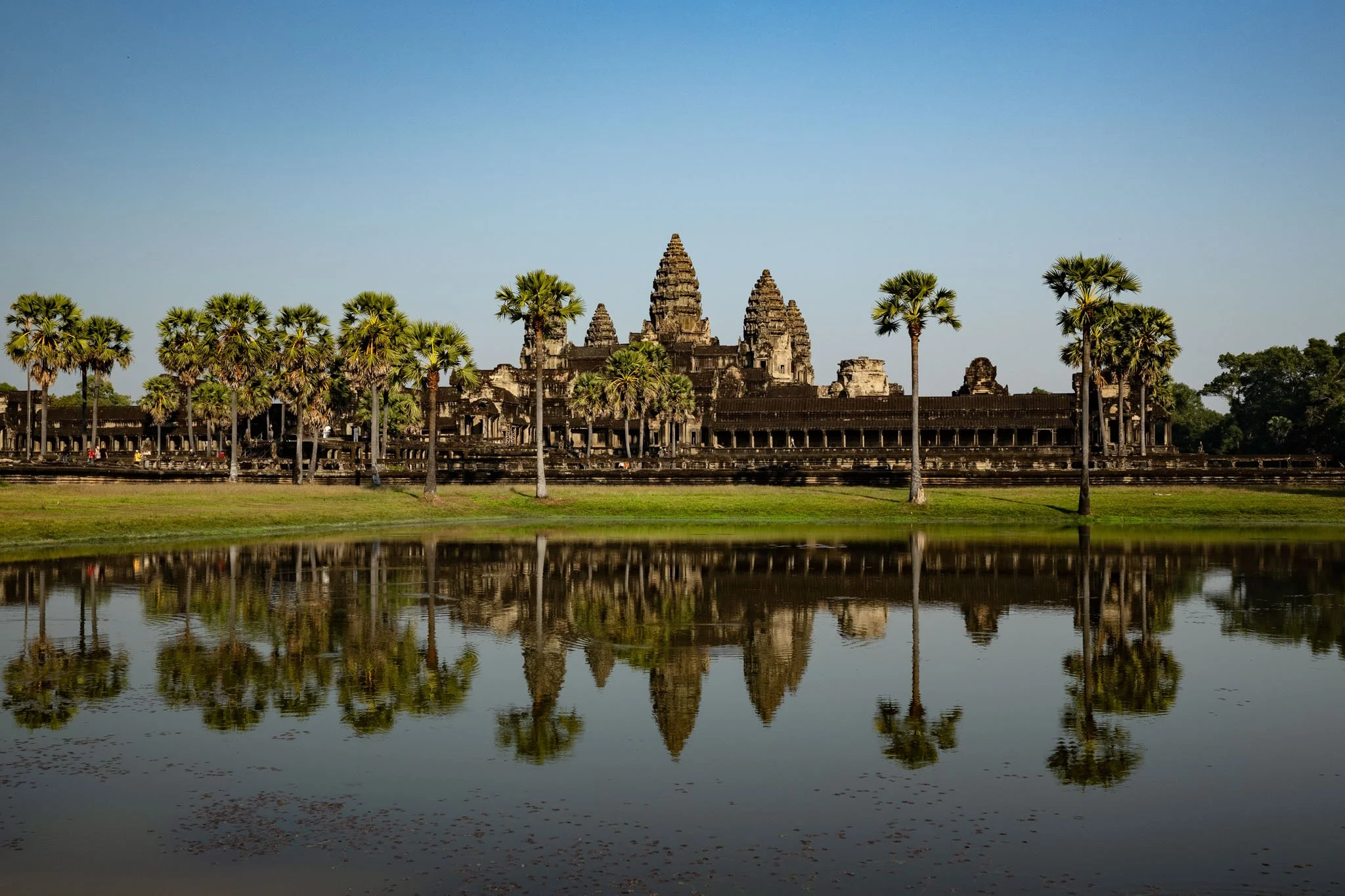
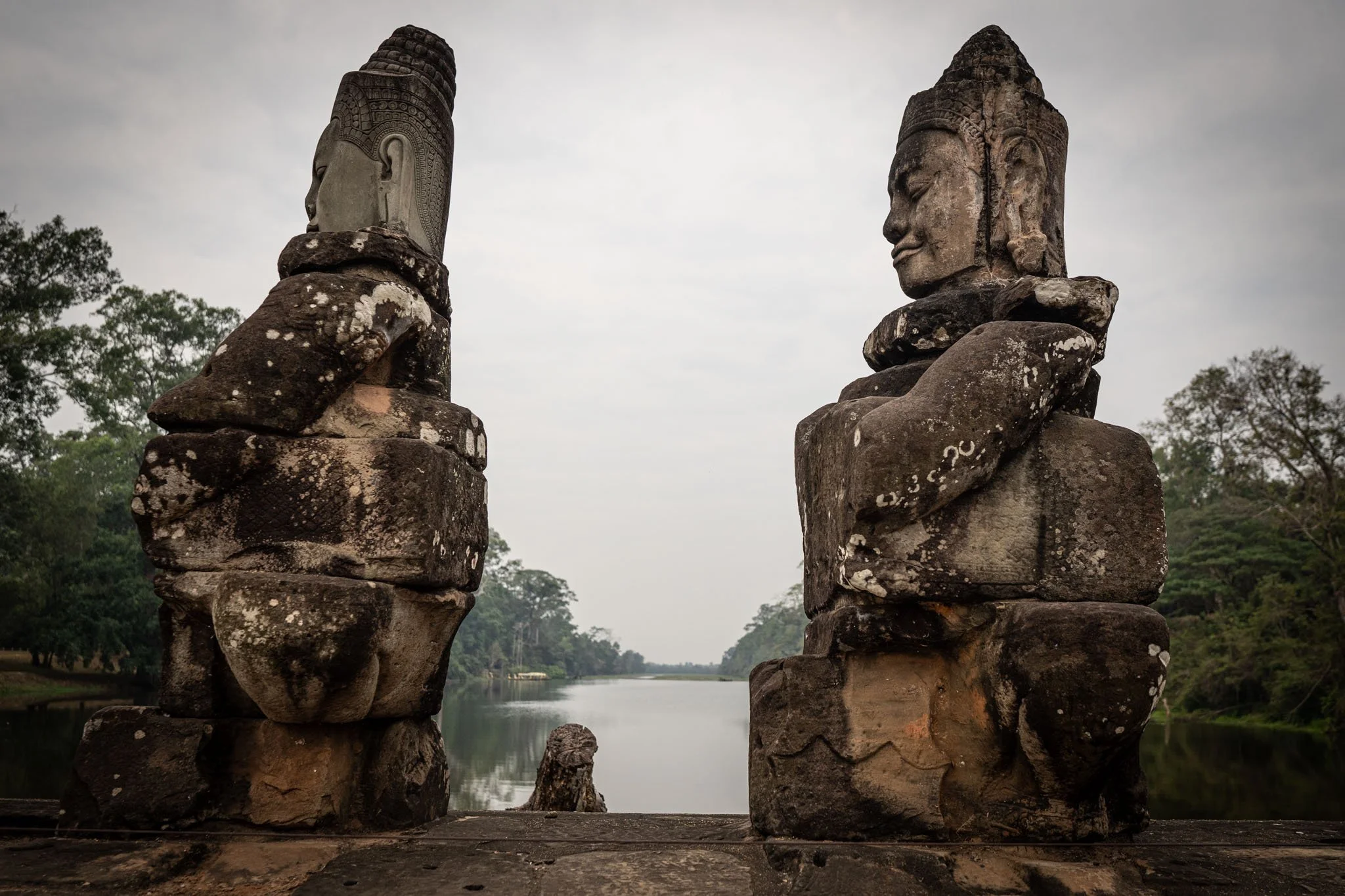
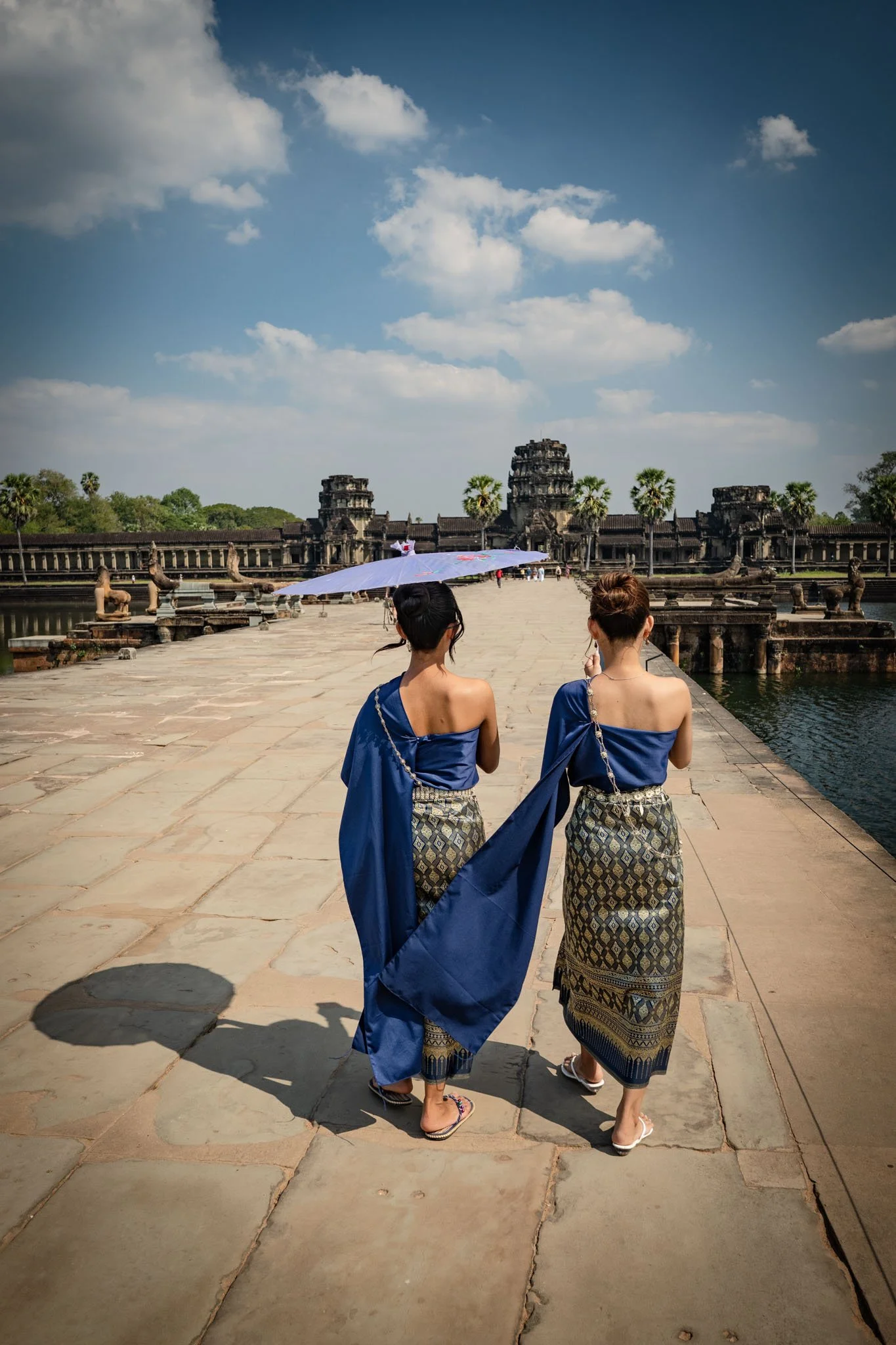
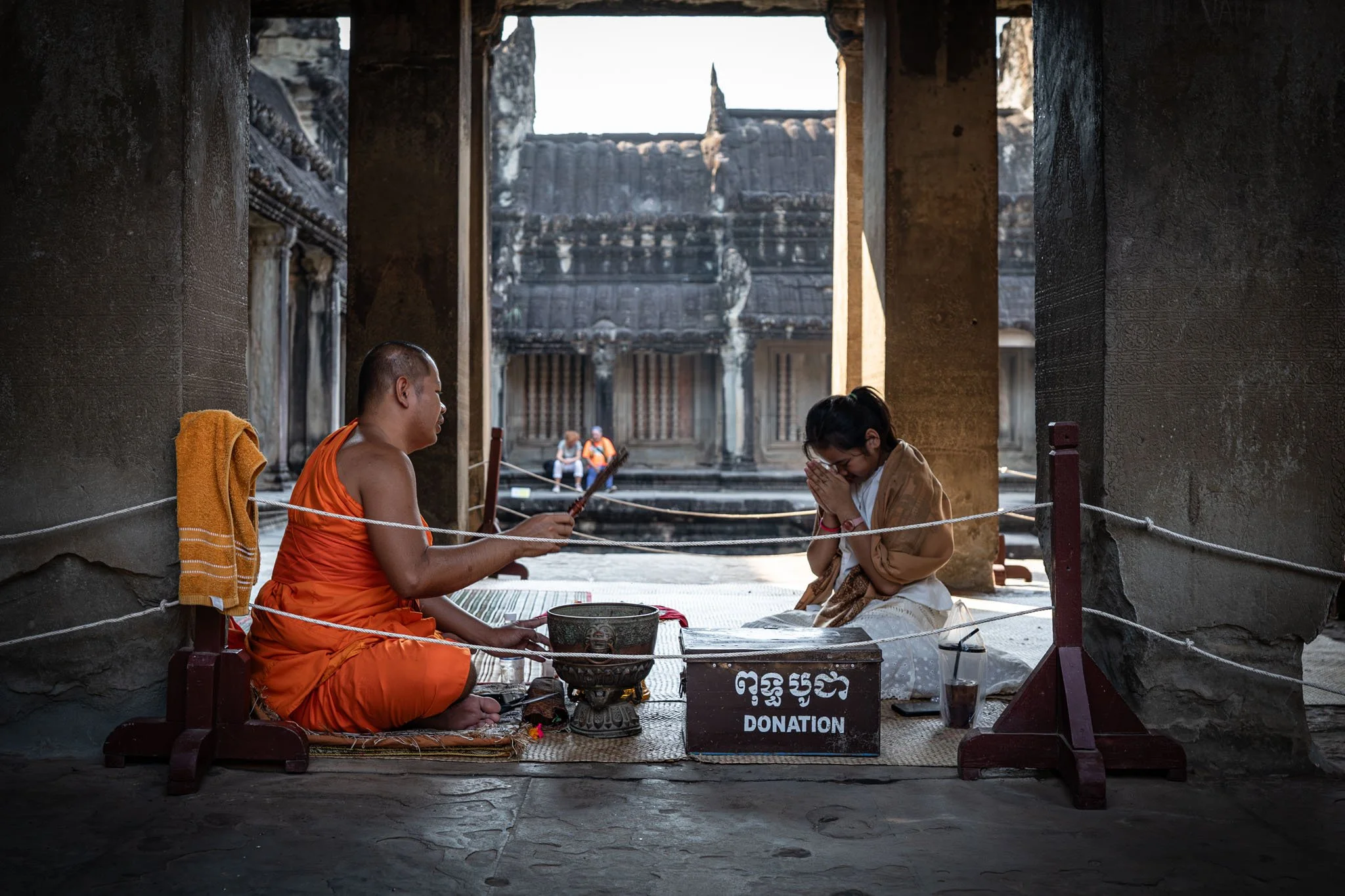
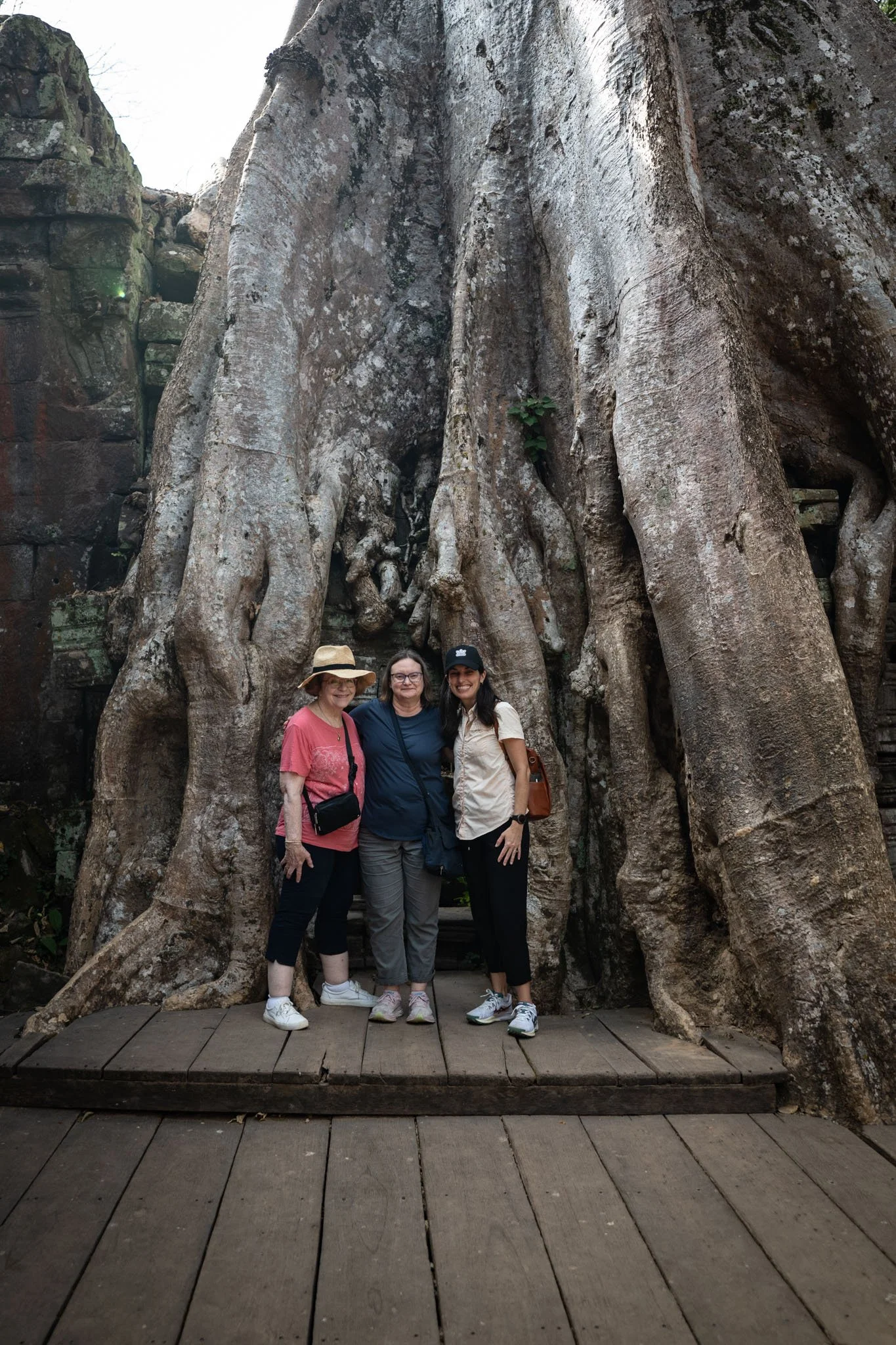
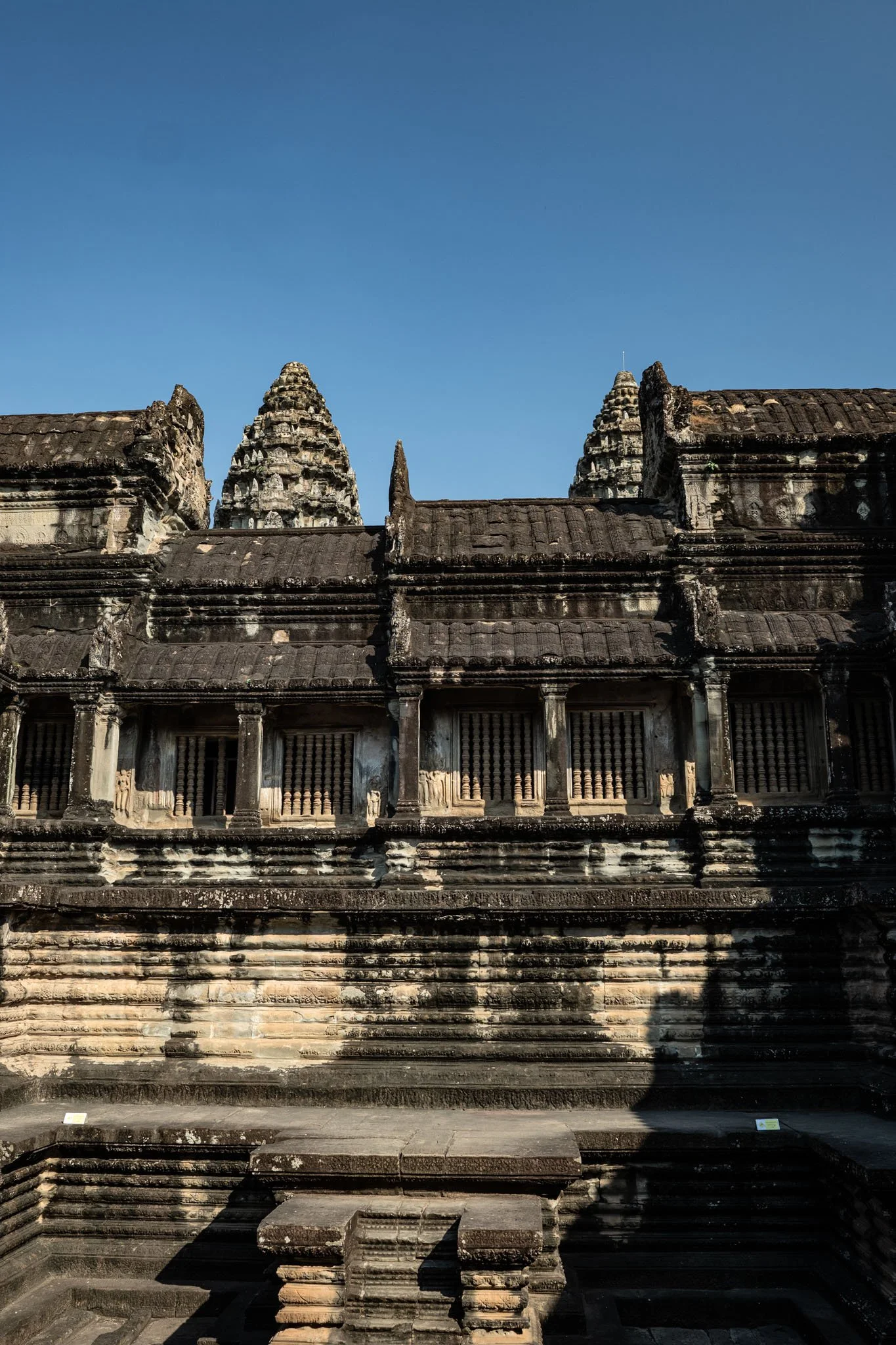
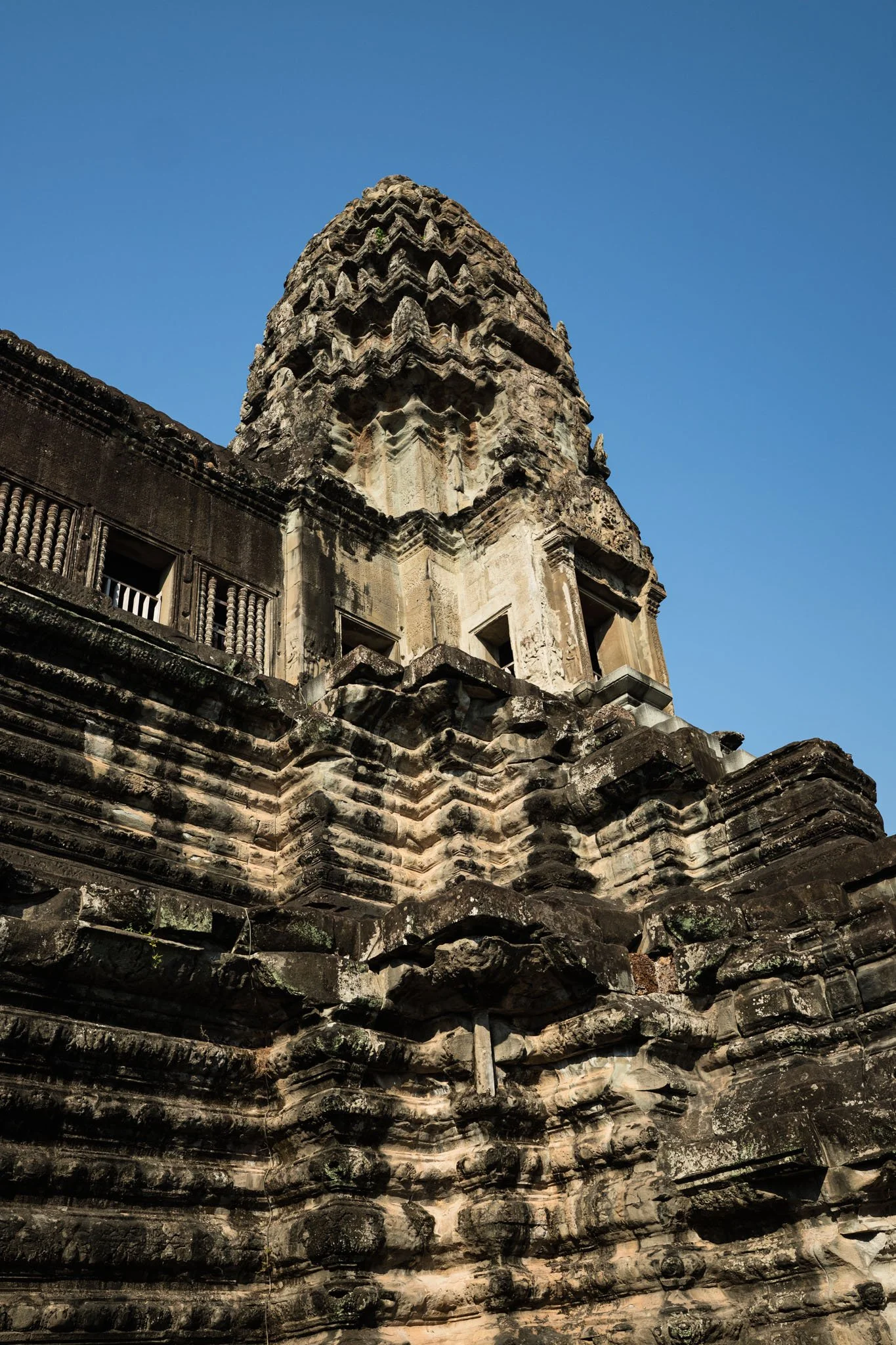
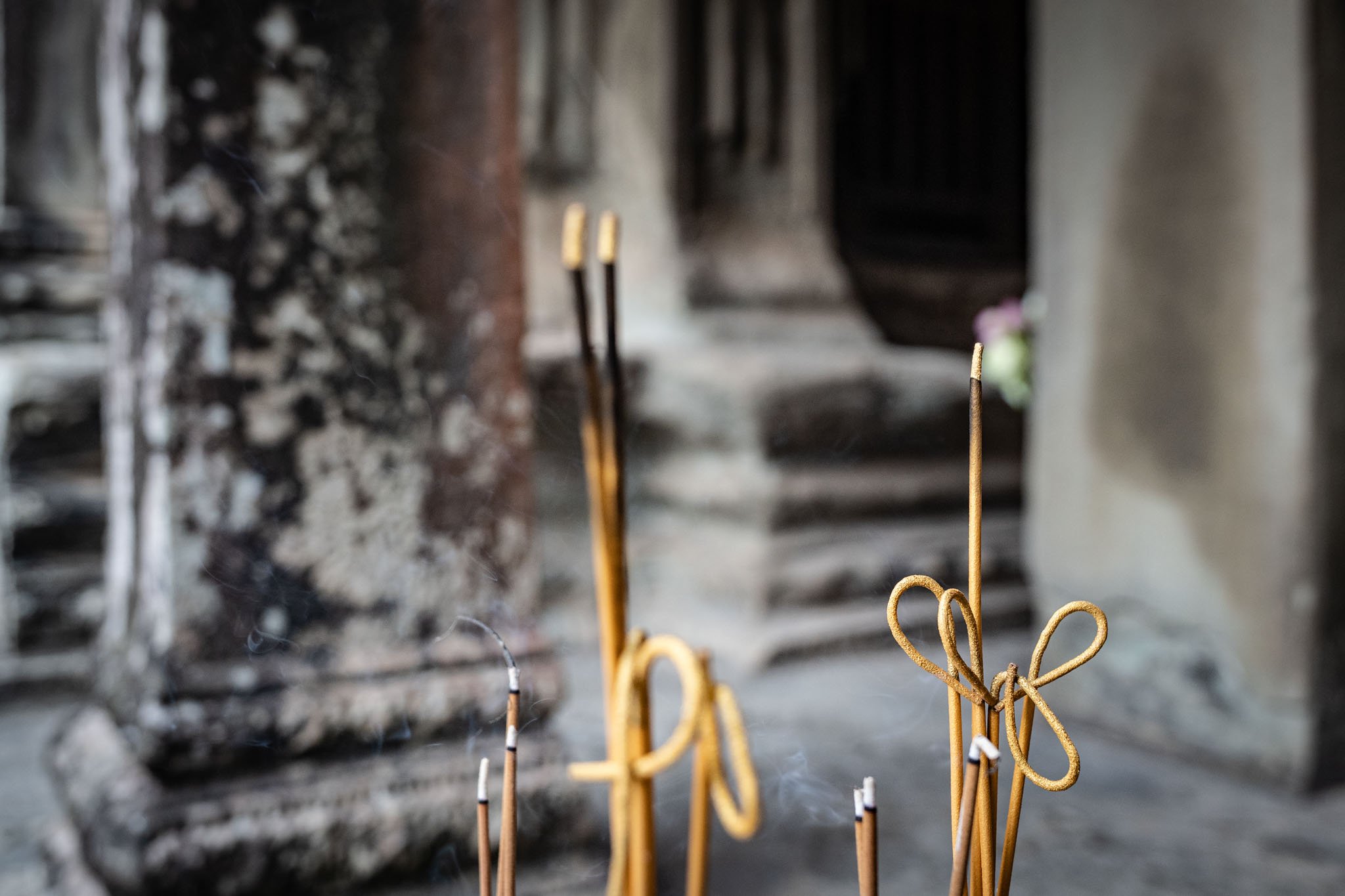
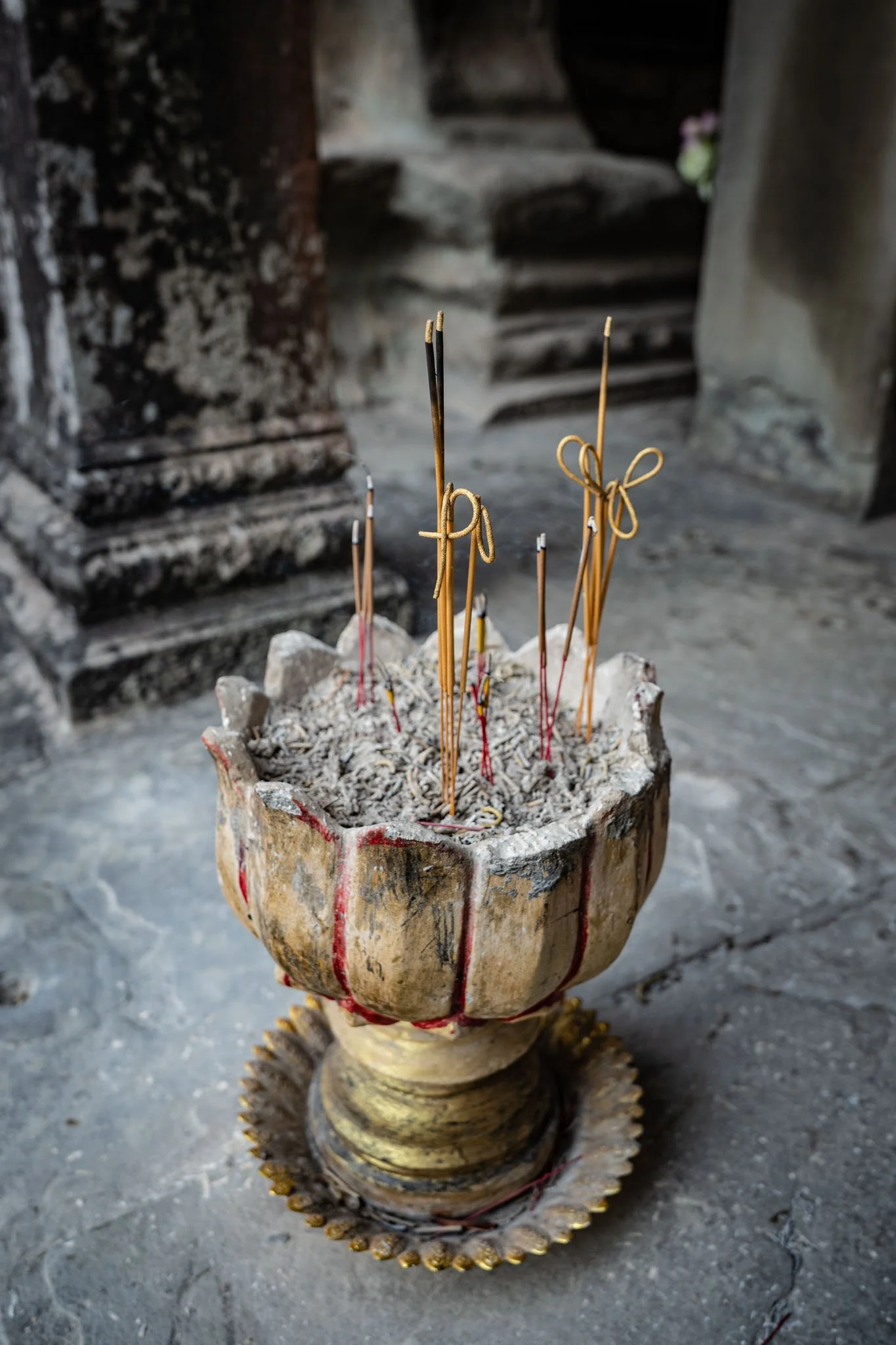
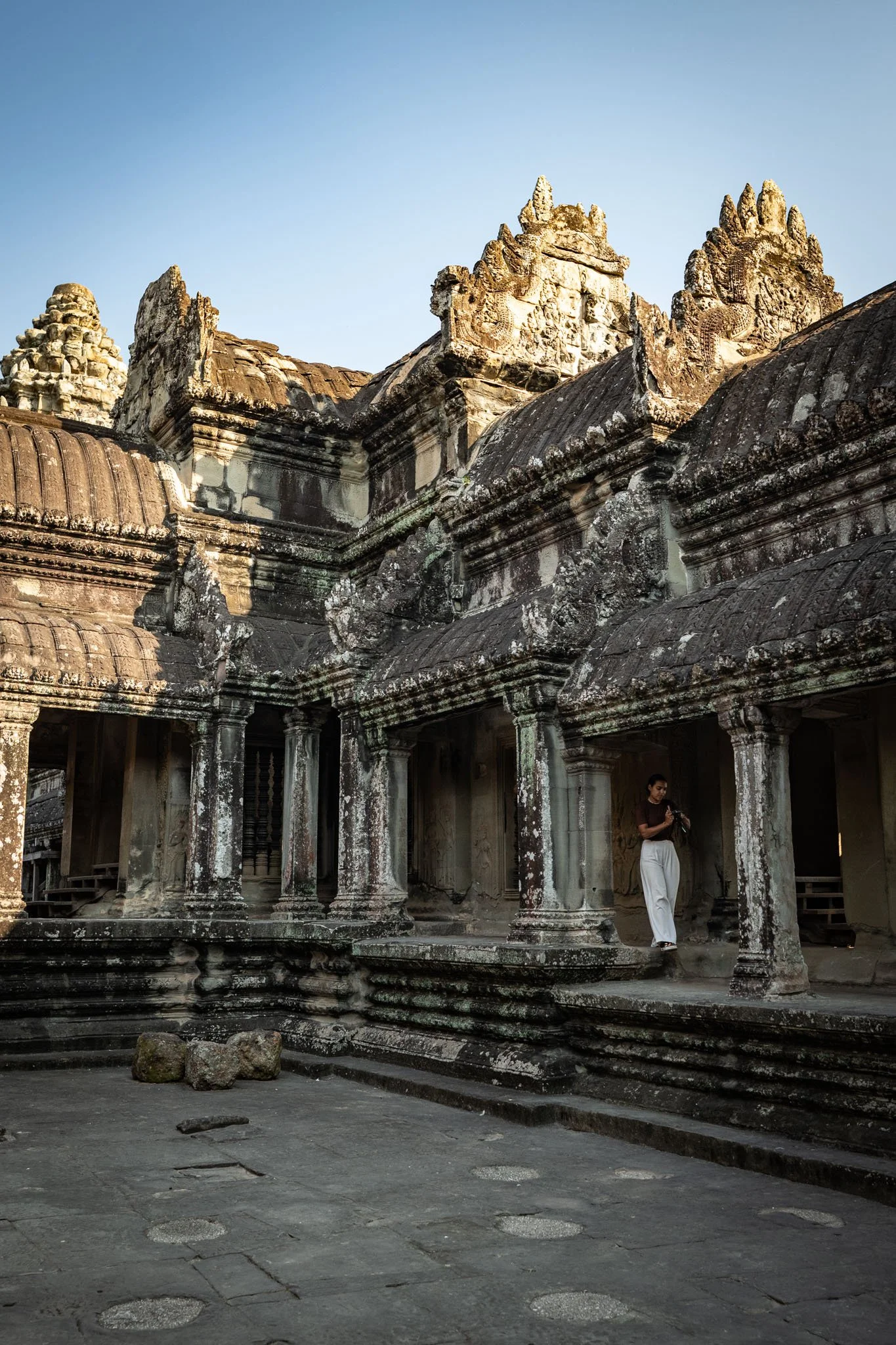
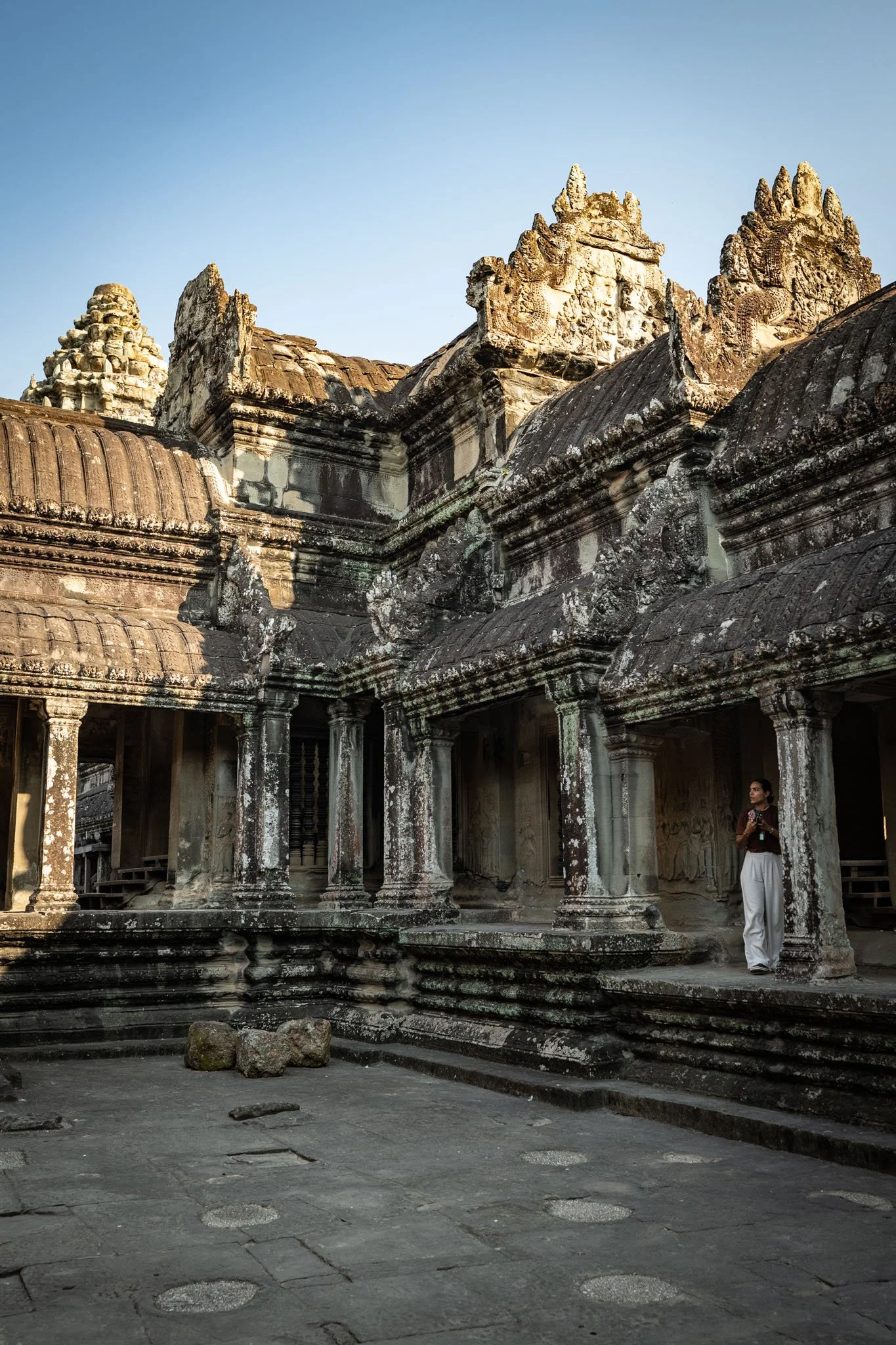
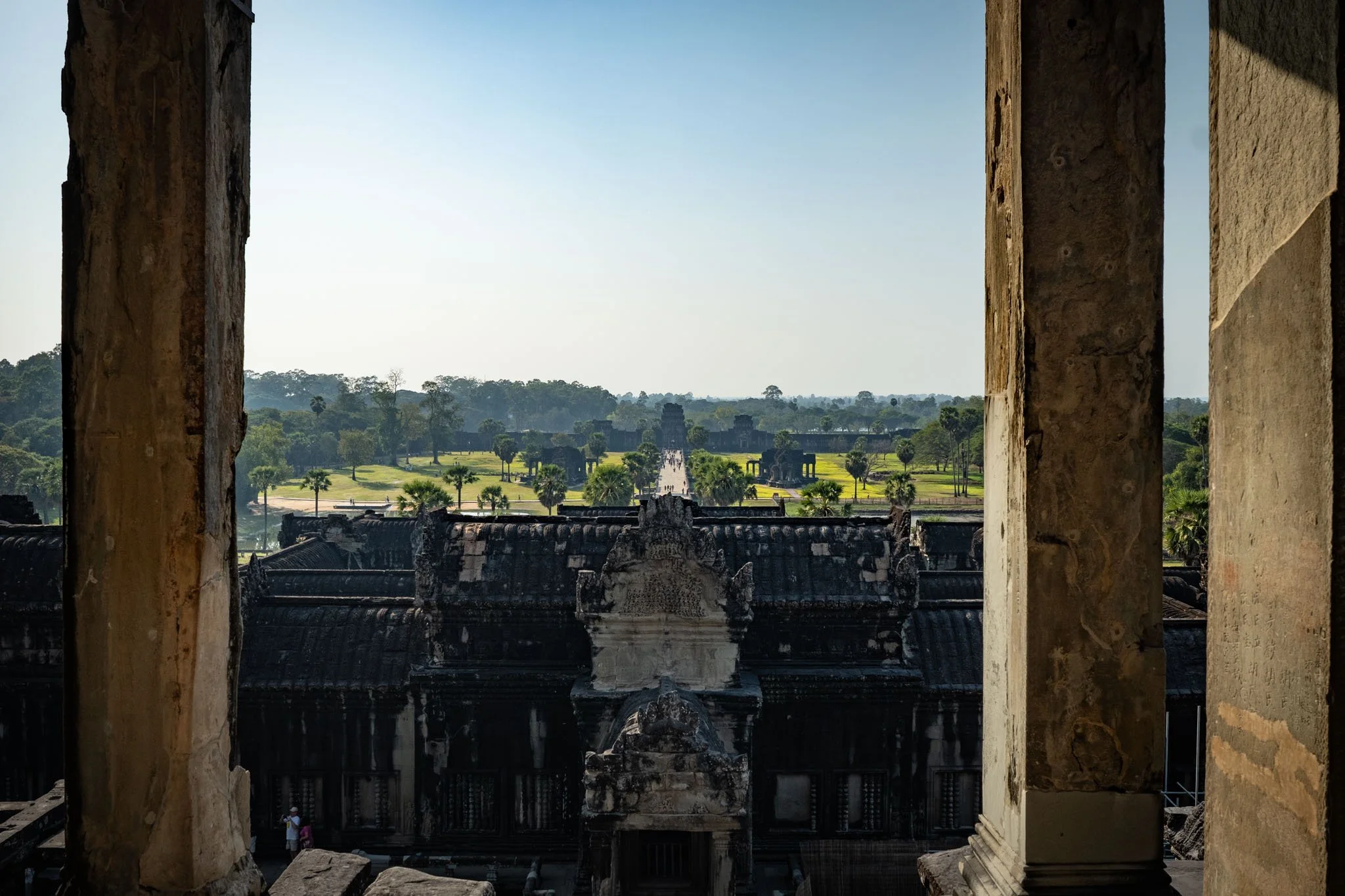
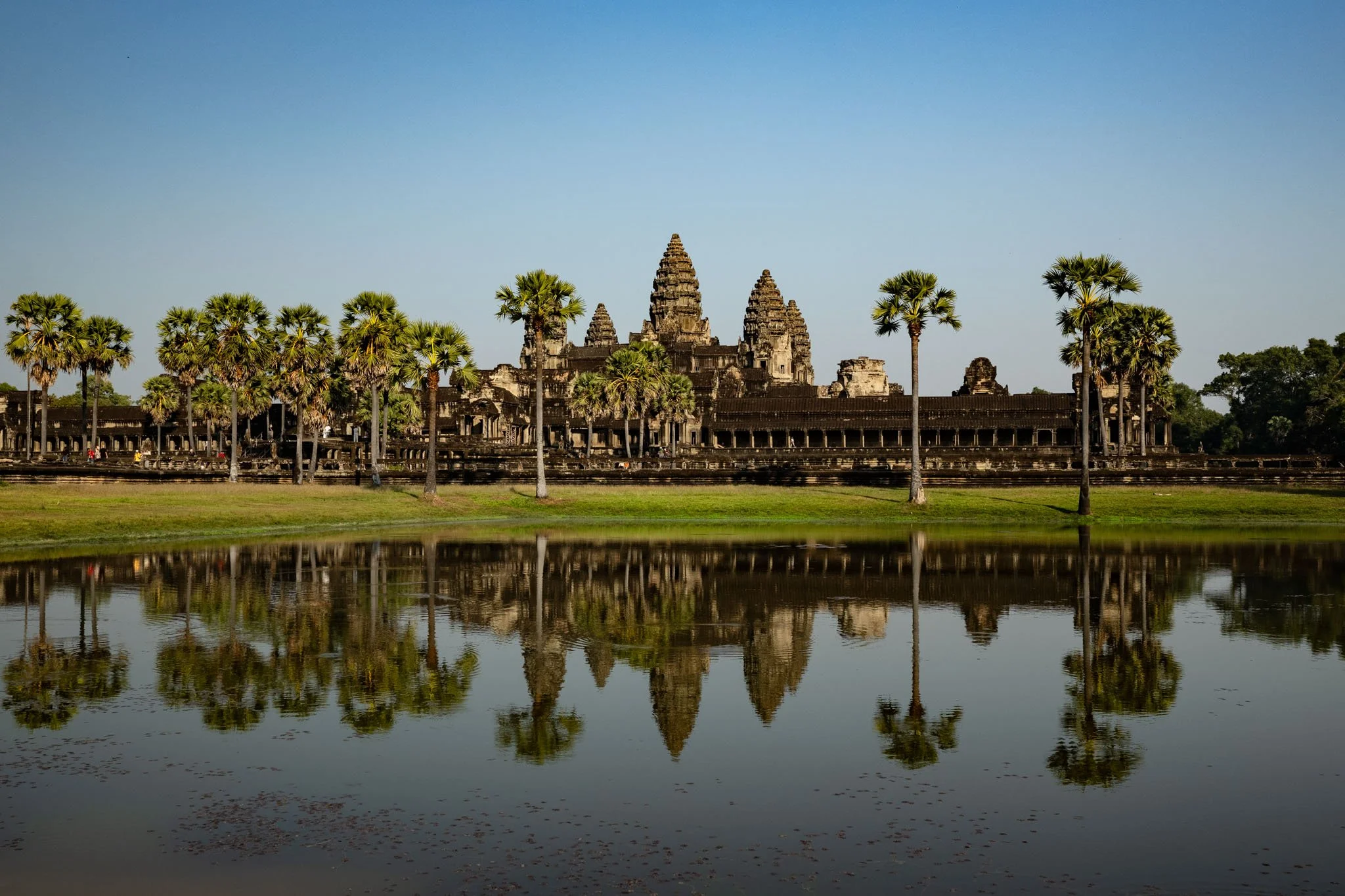
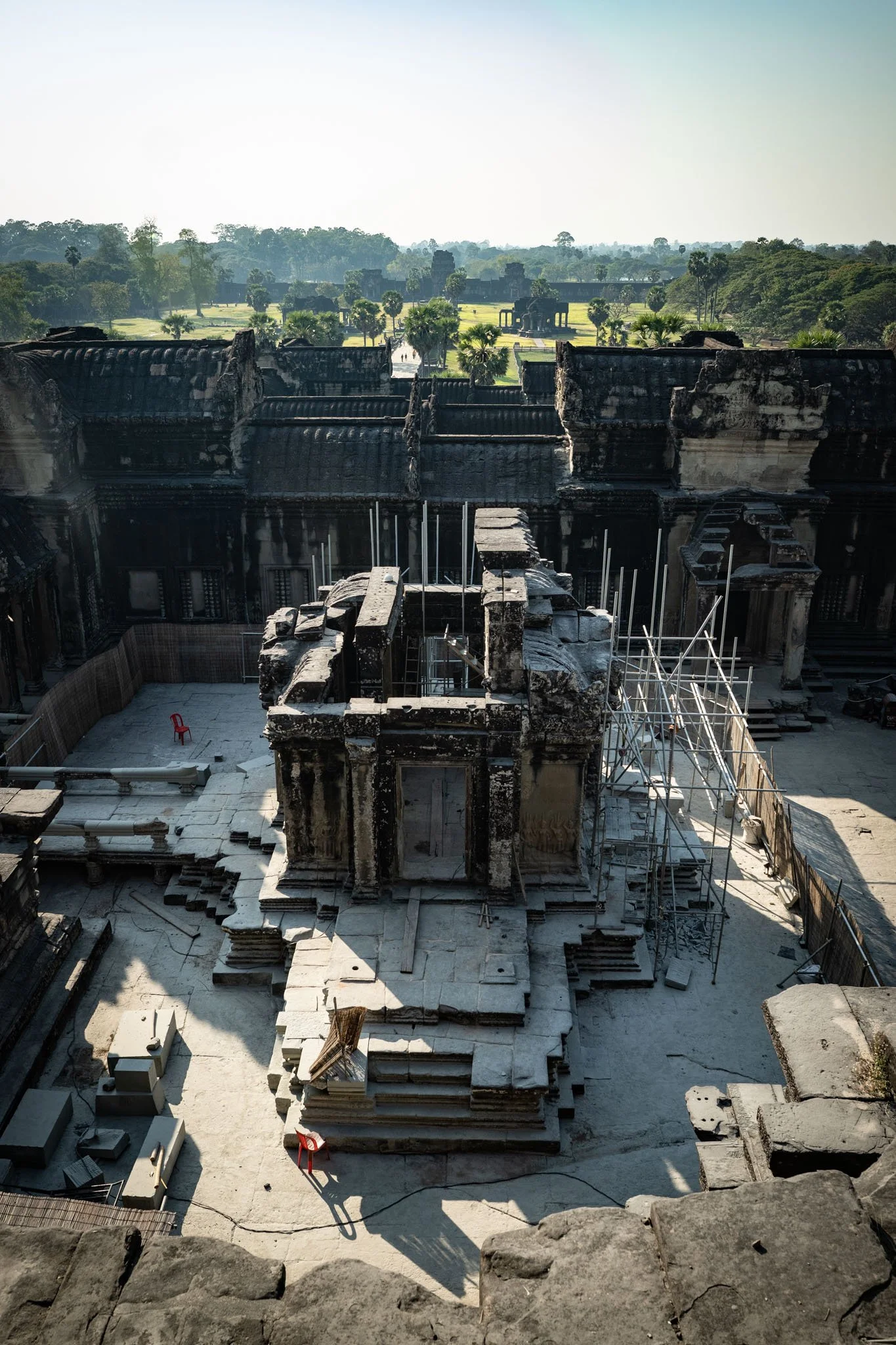
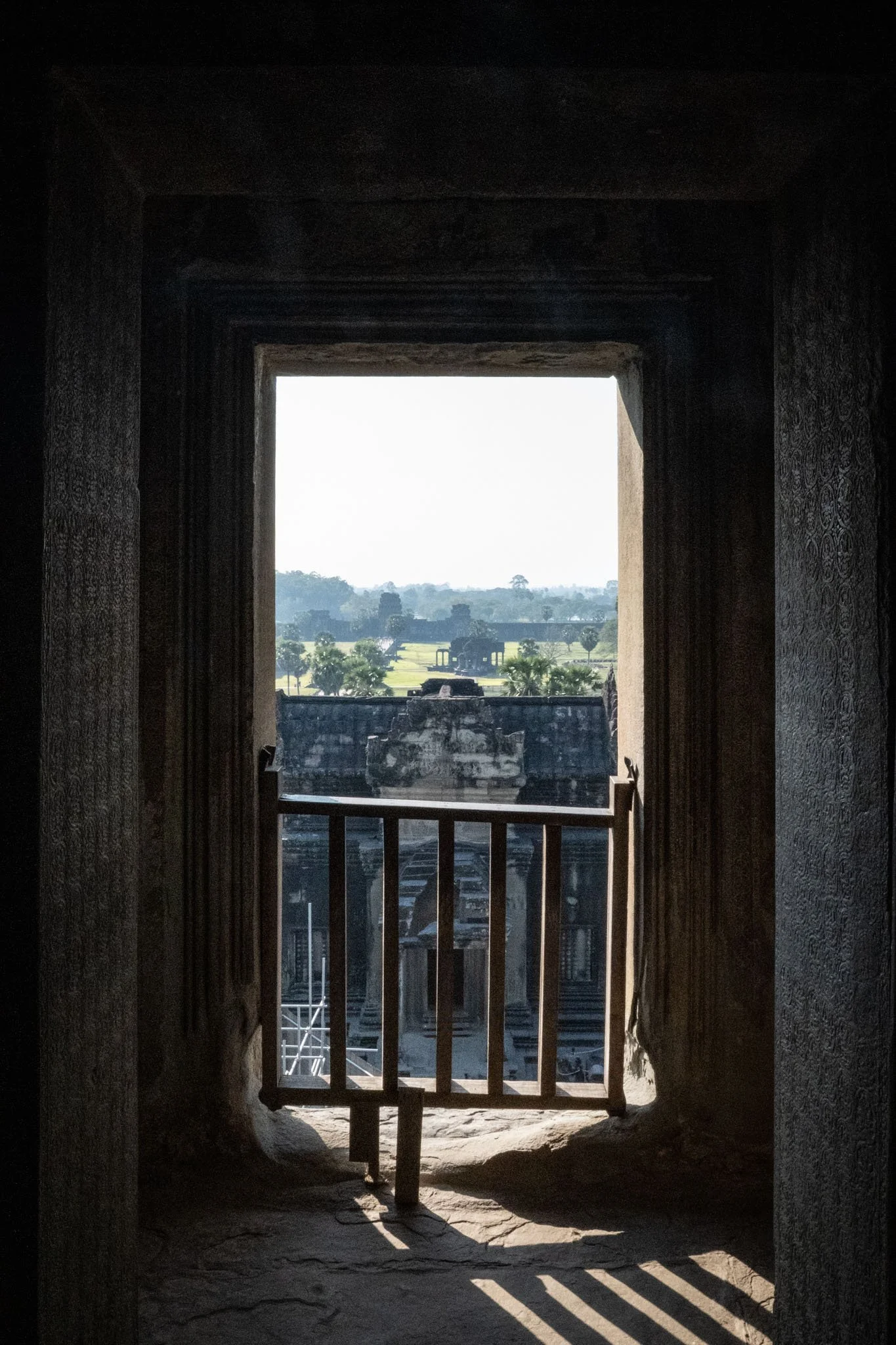
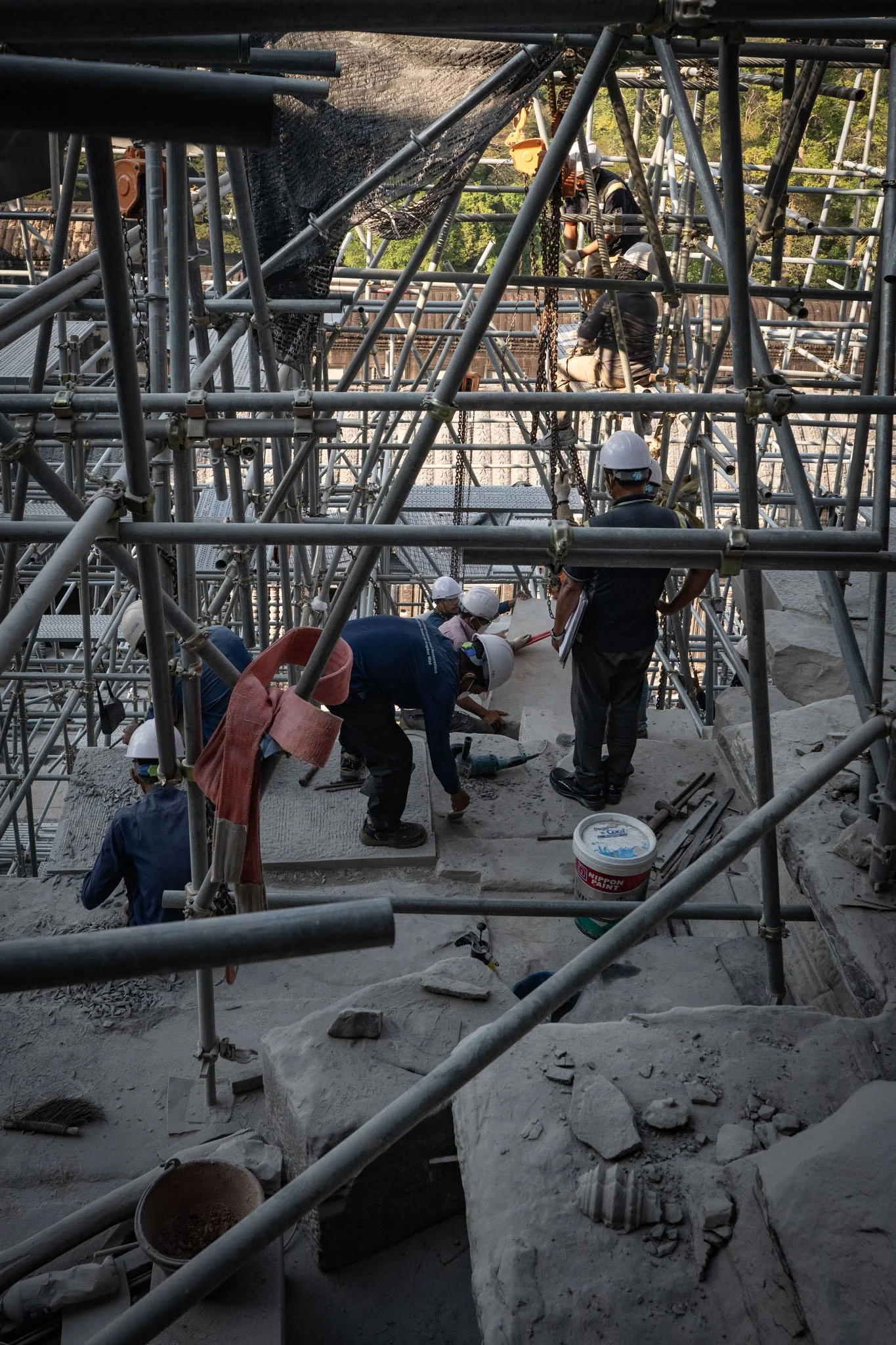
I’ve been to Angkor — the ancient capitol of the Khmer (Cambodian) Empire — countless times, and it’s never lost its power to impress me.

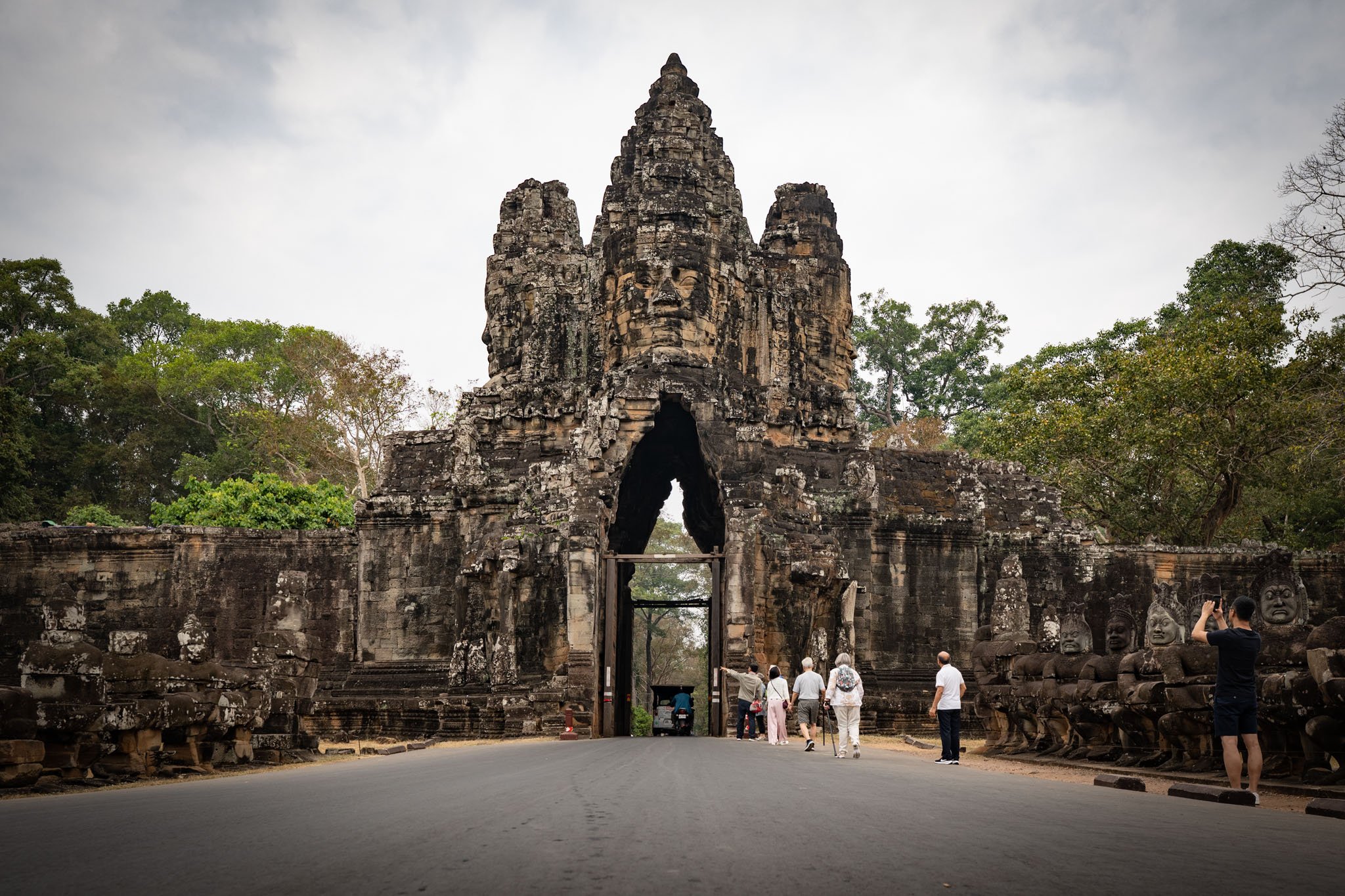
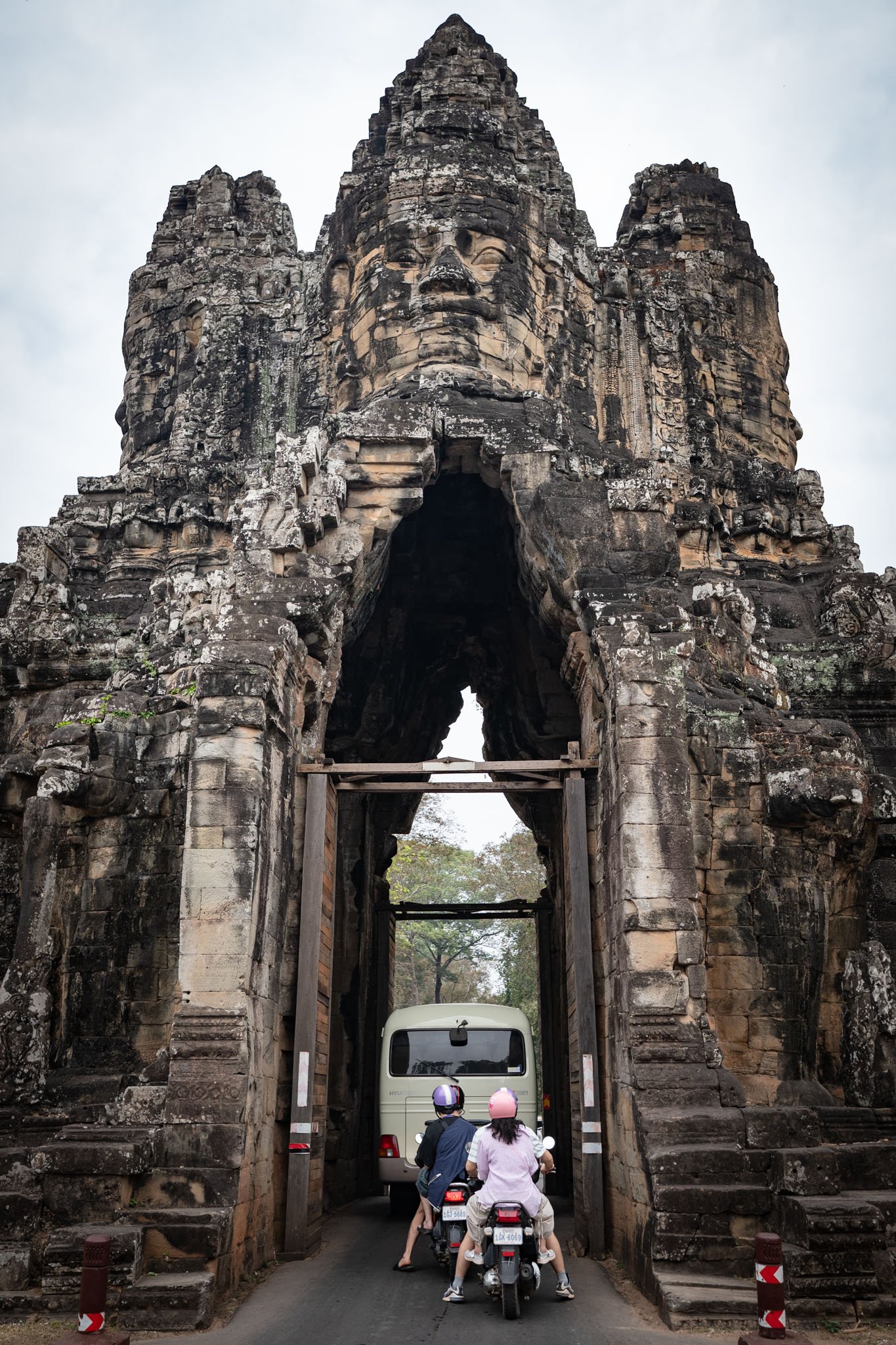
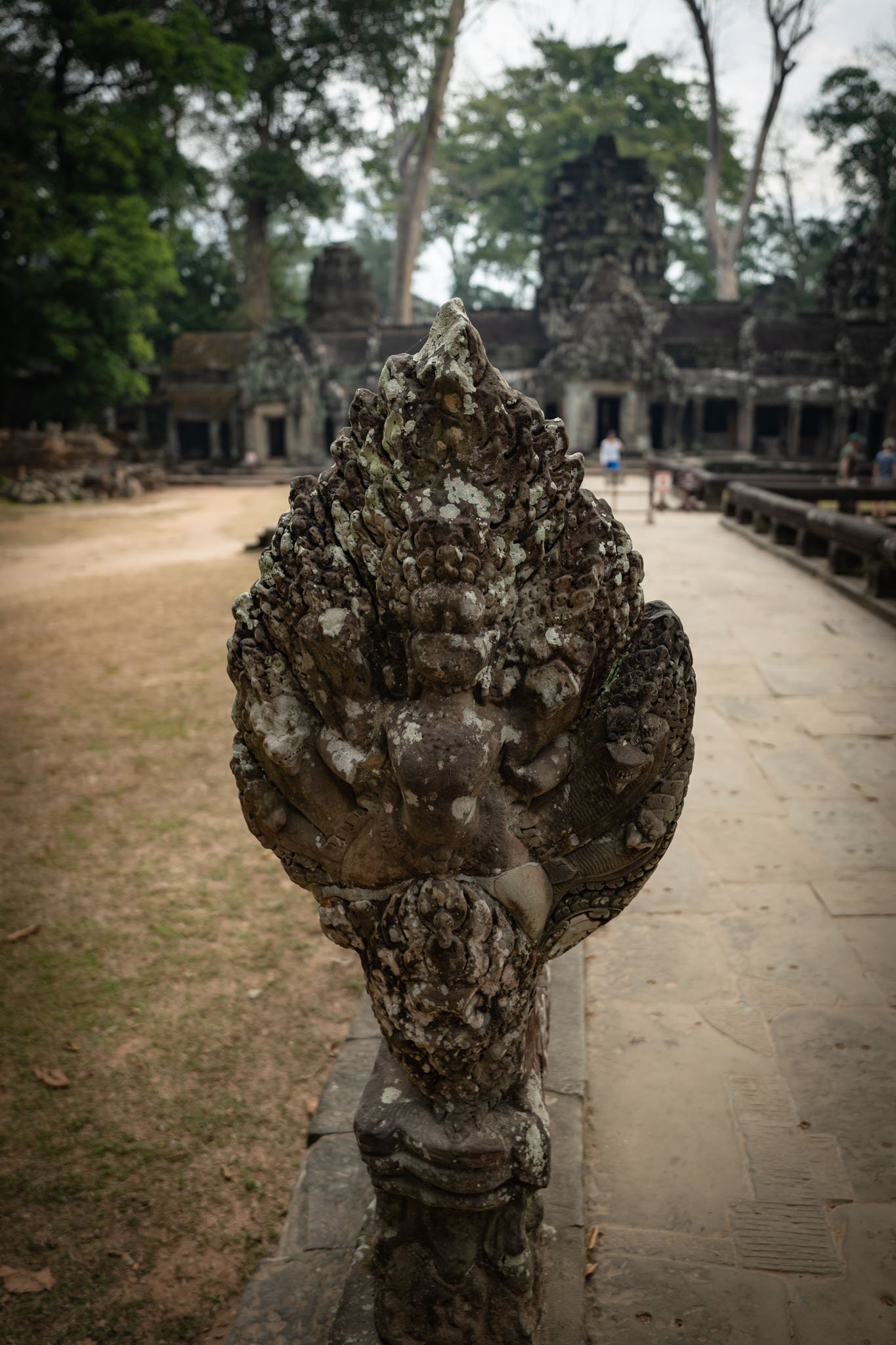
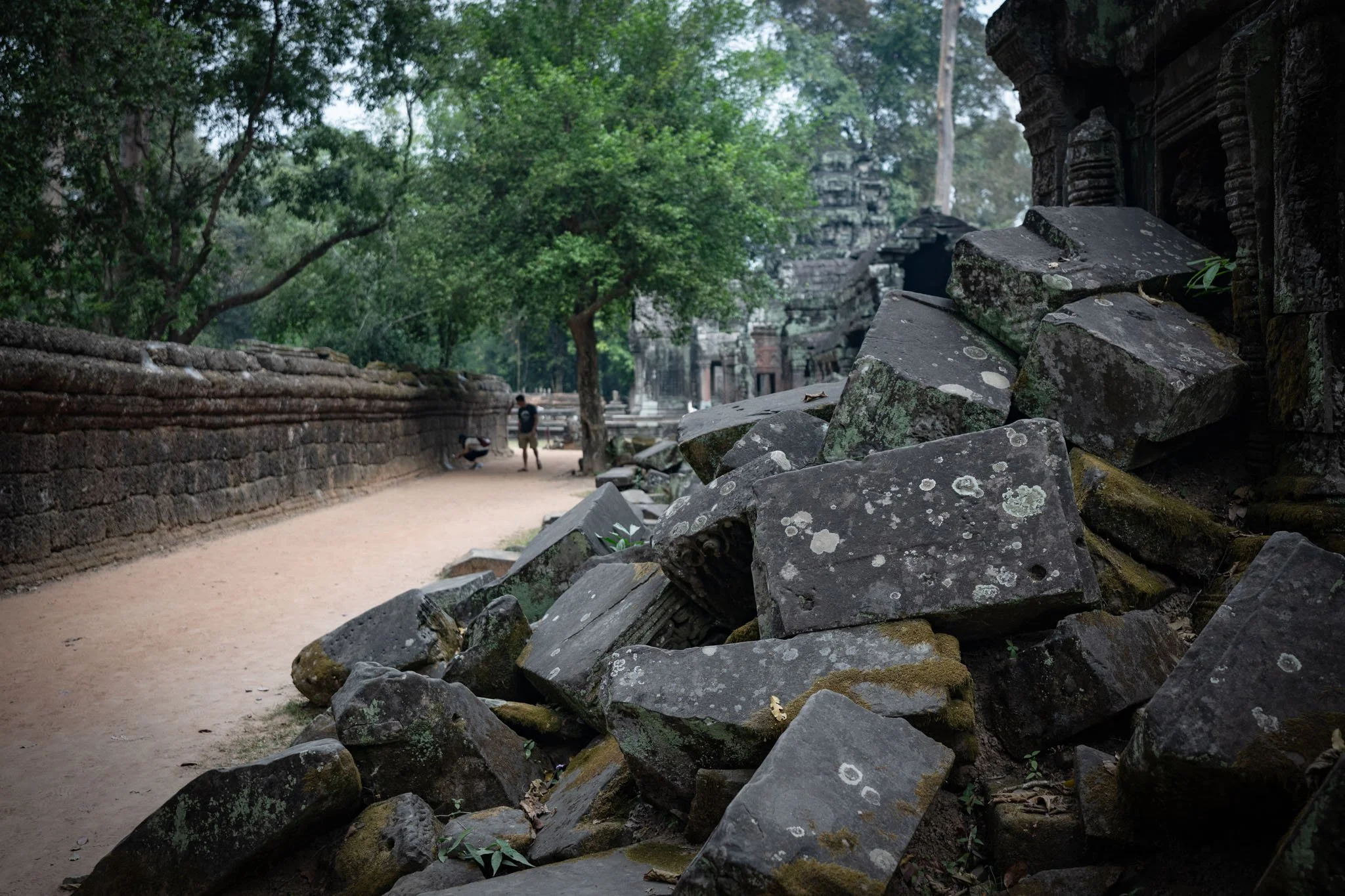
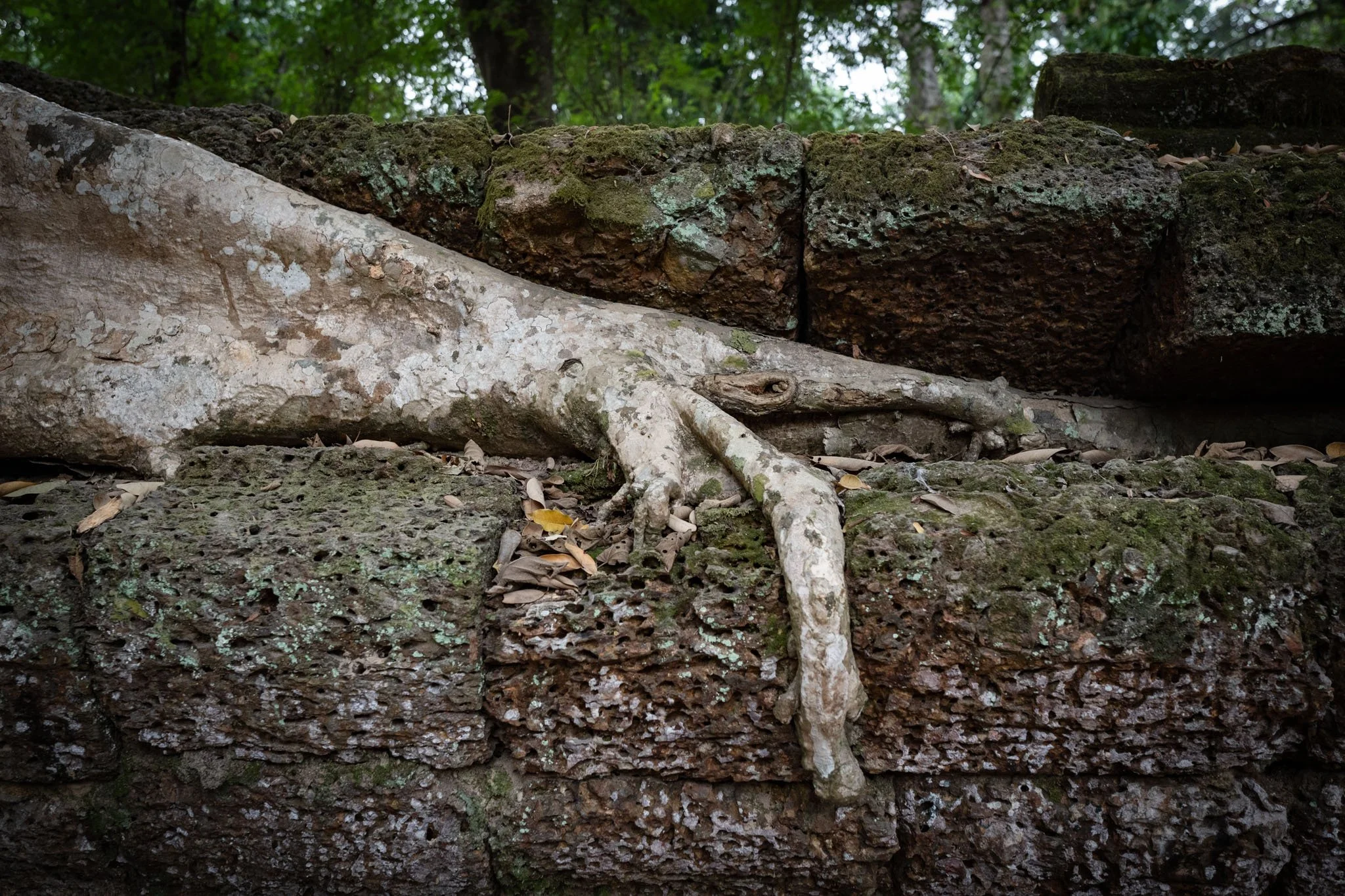
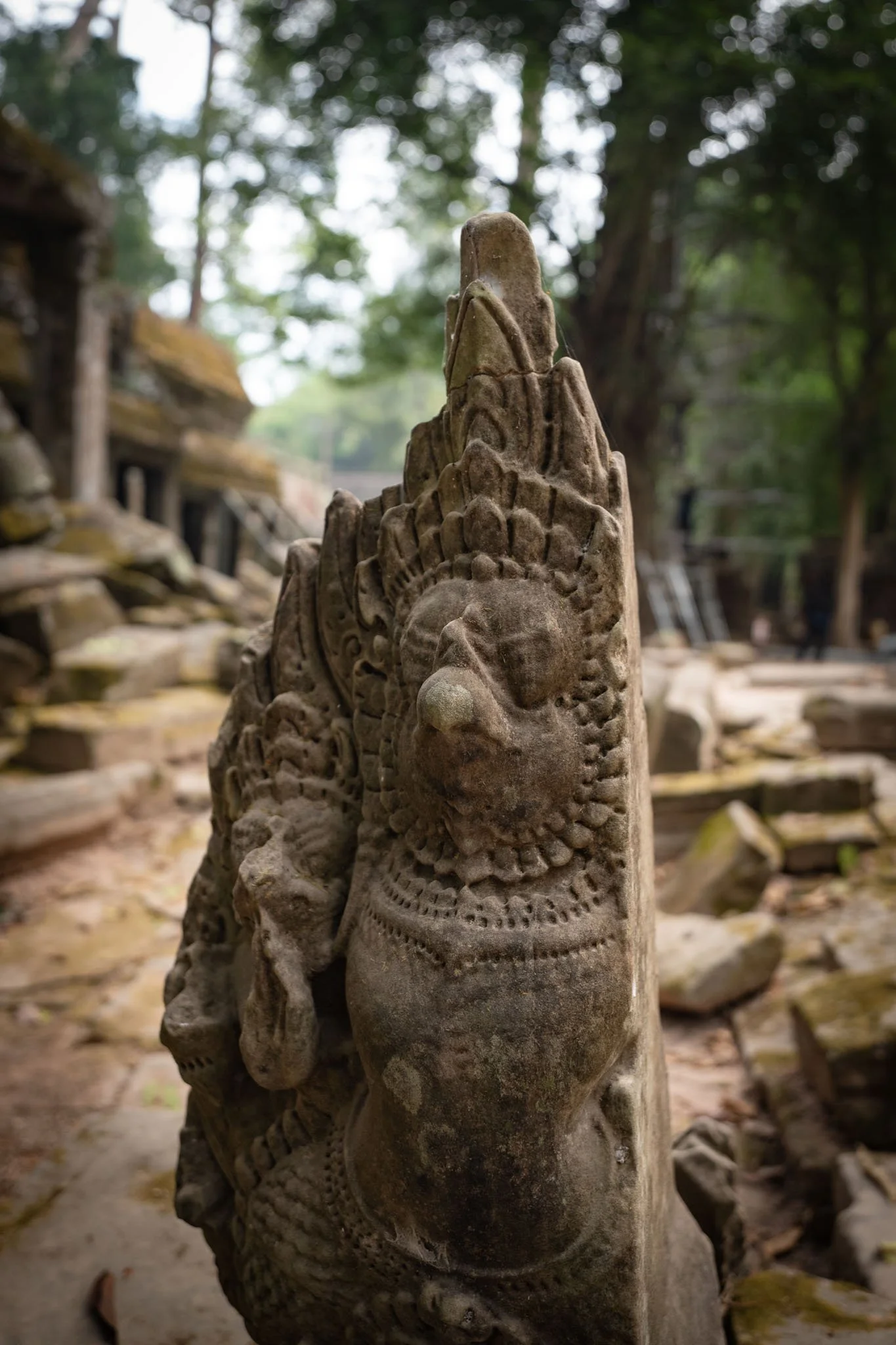
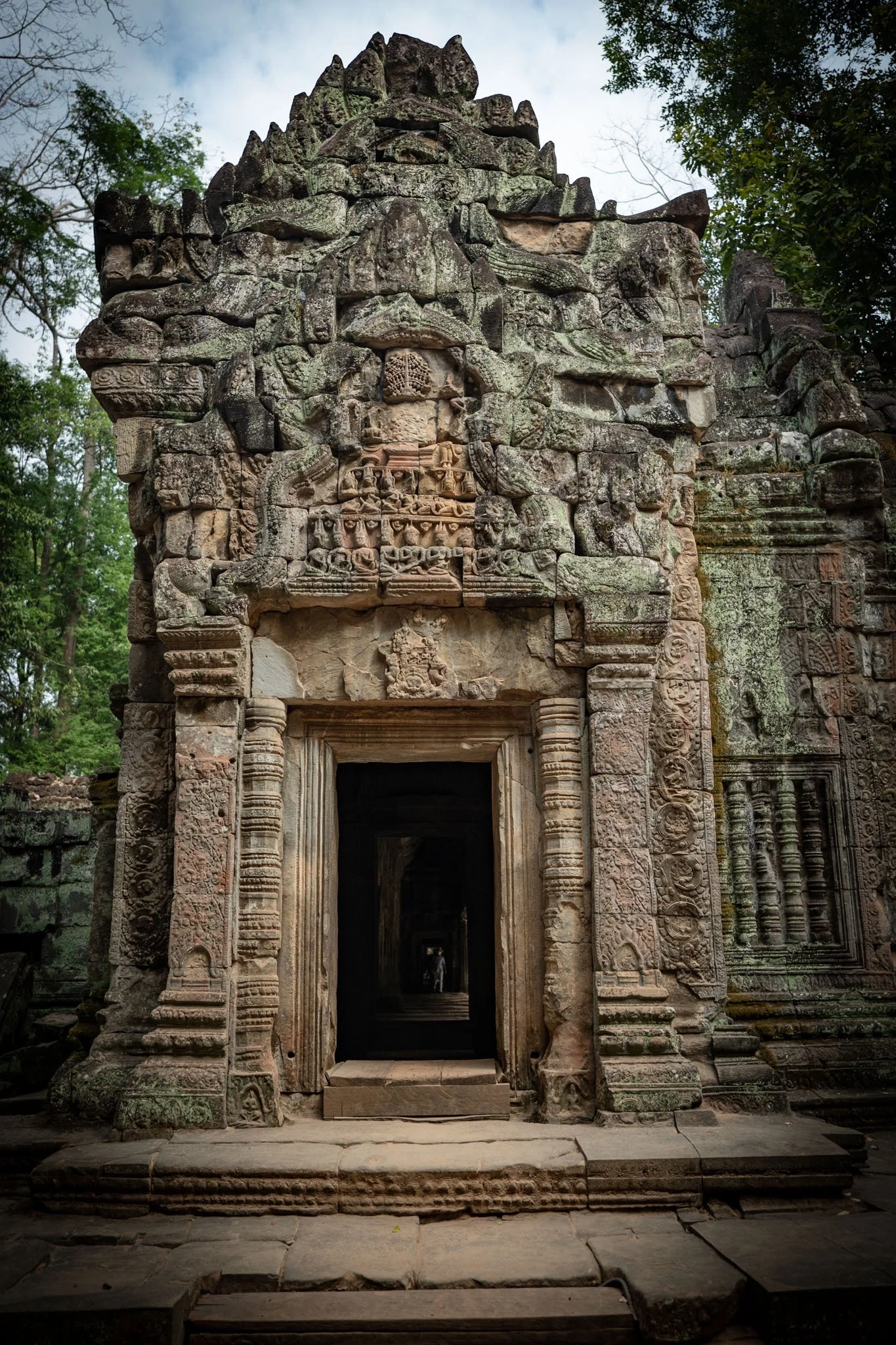
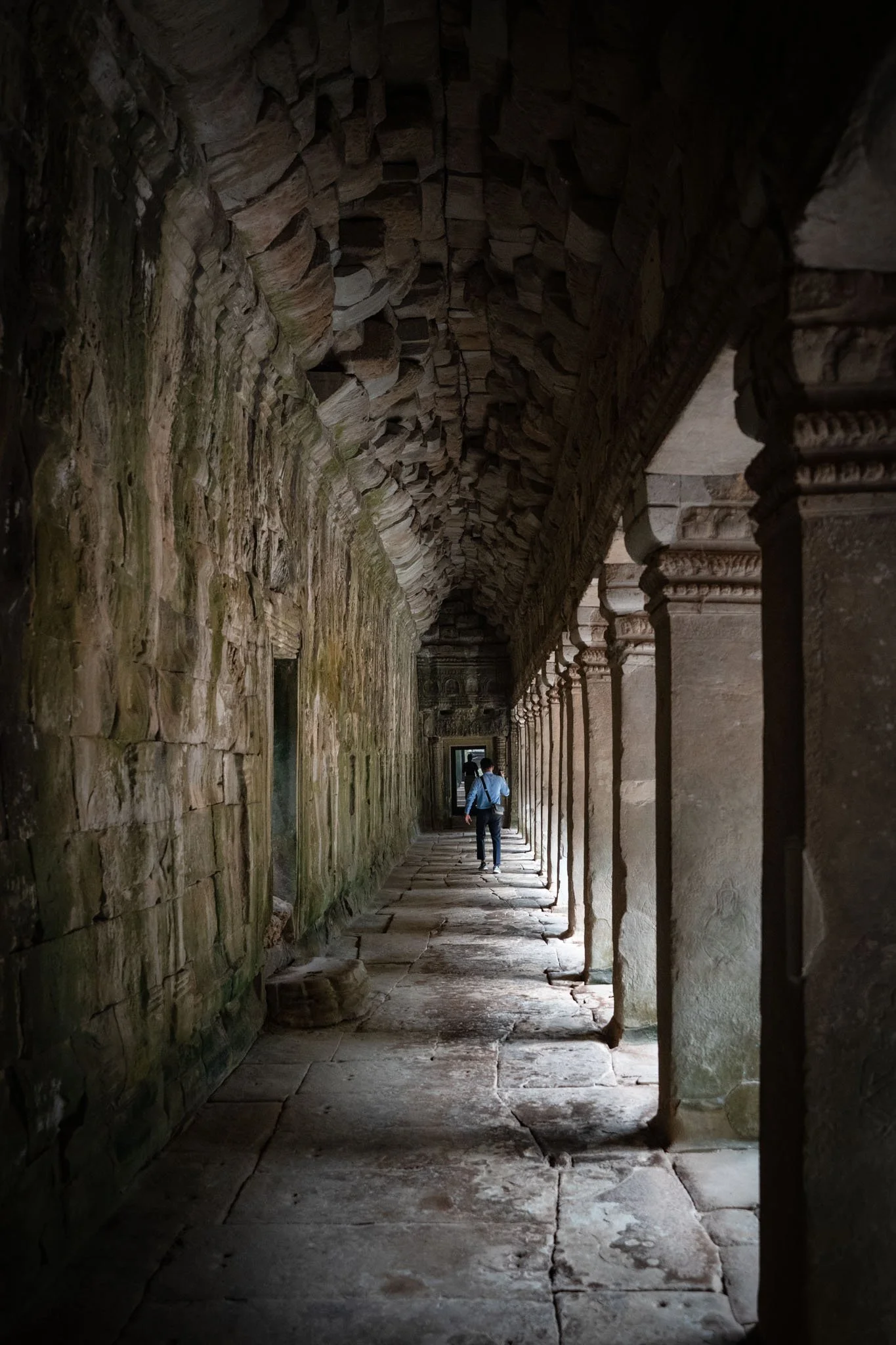
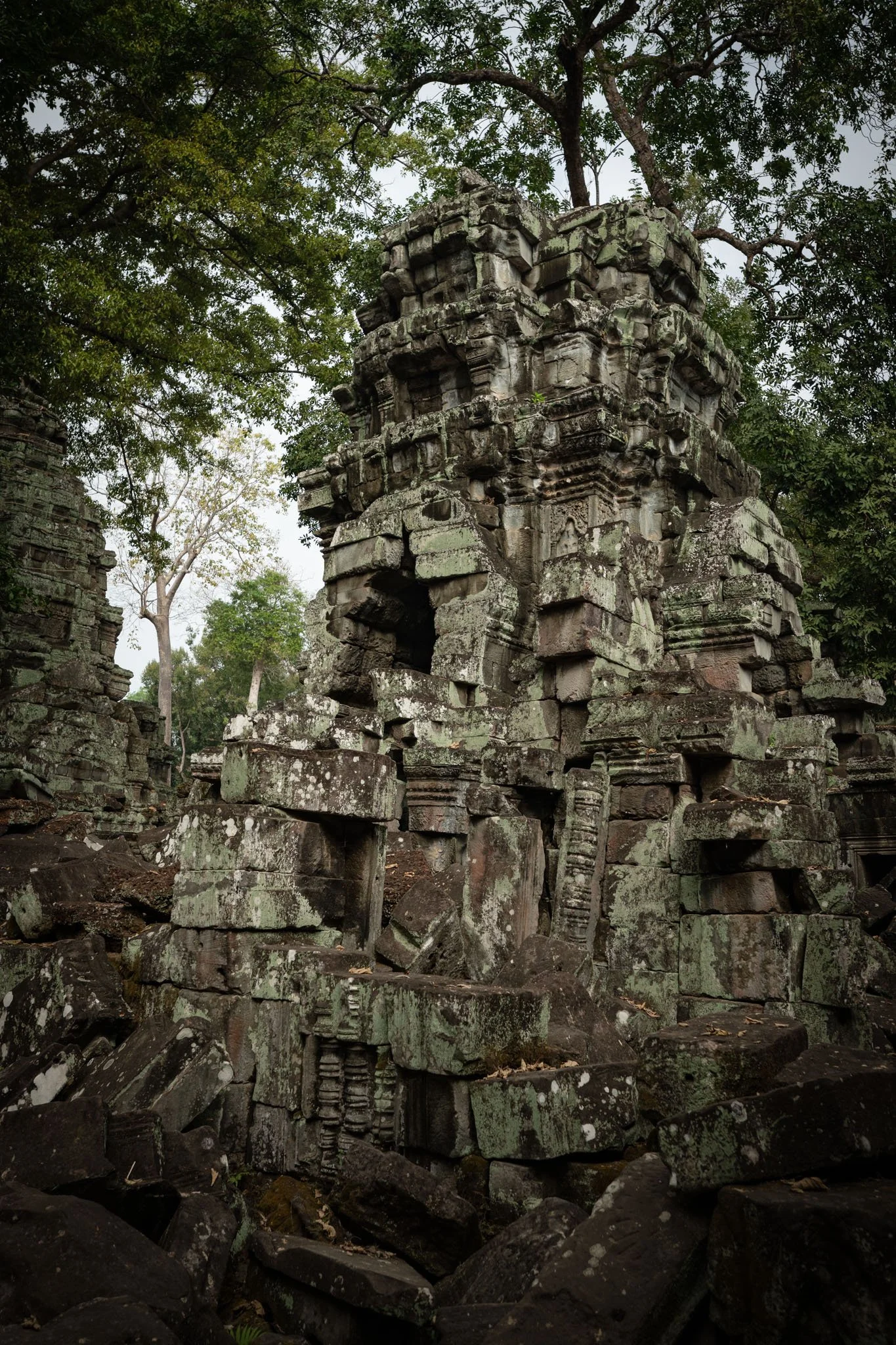
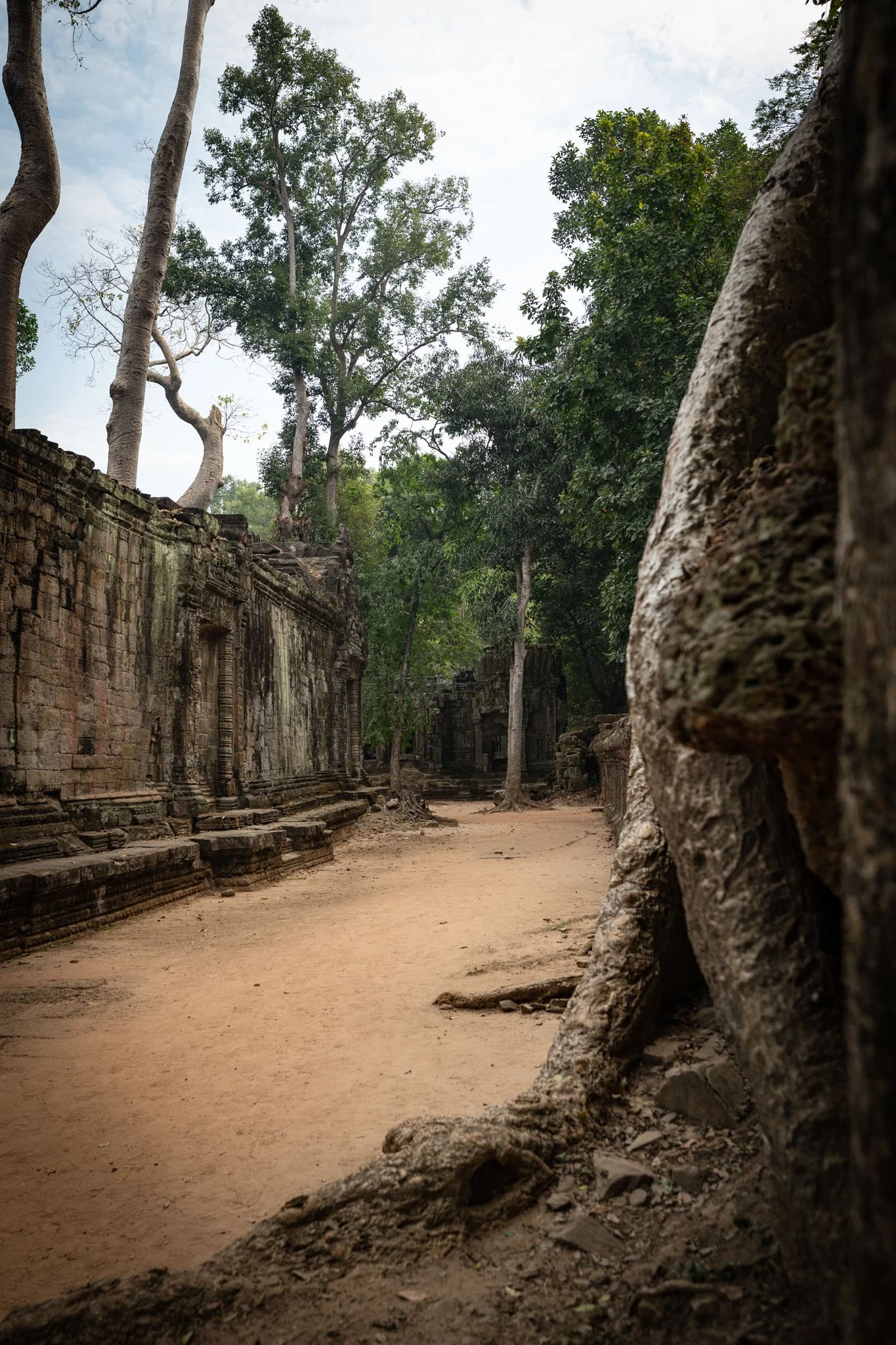
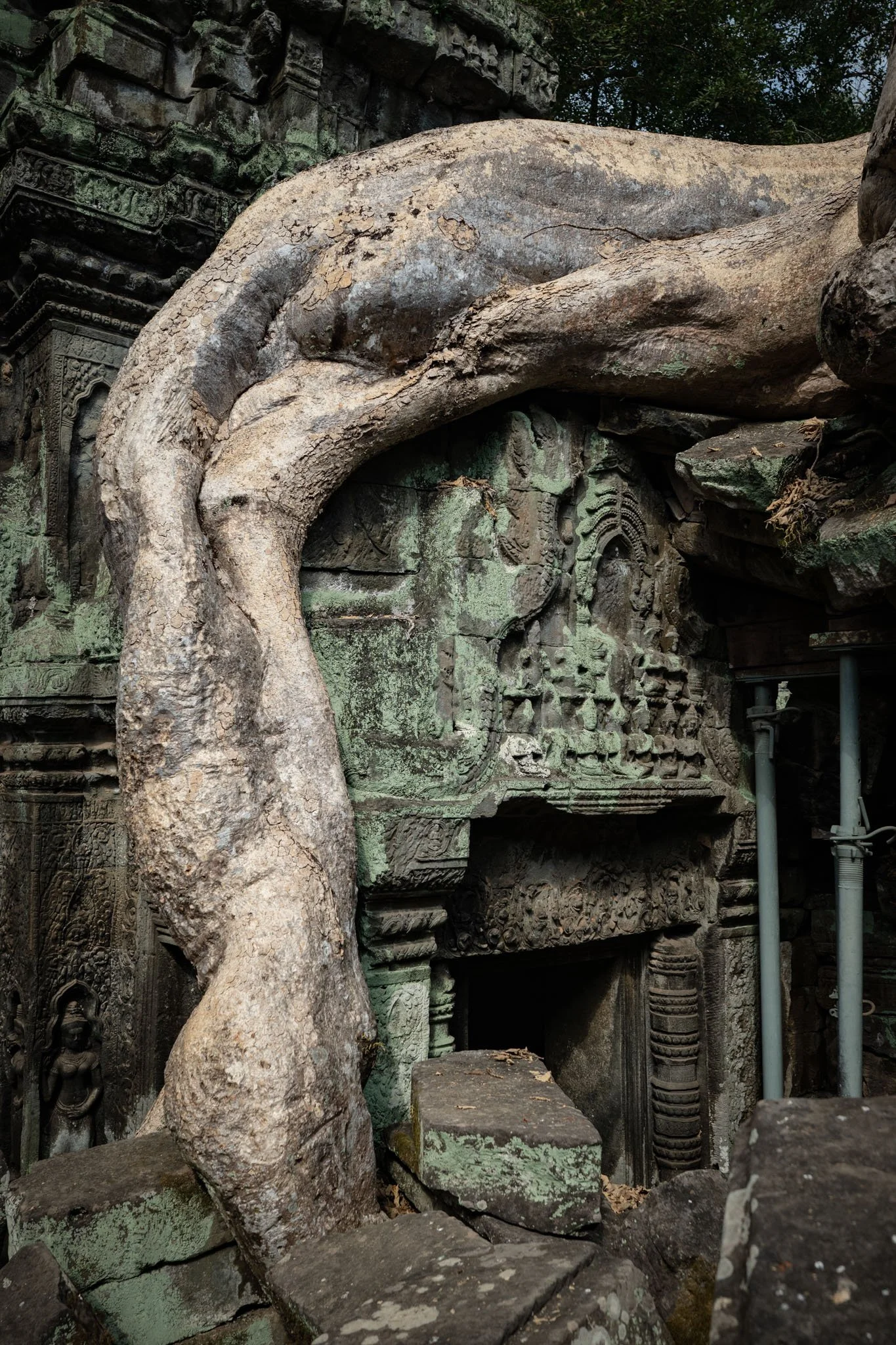
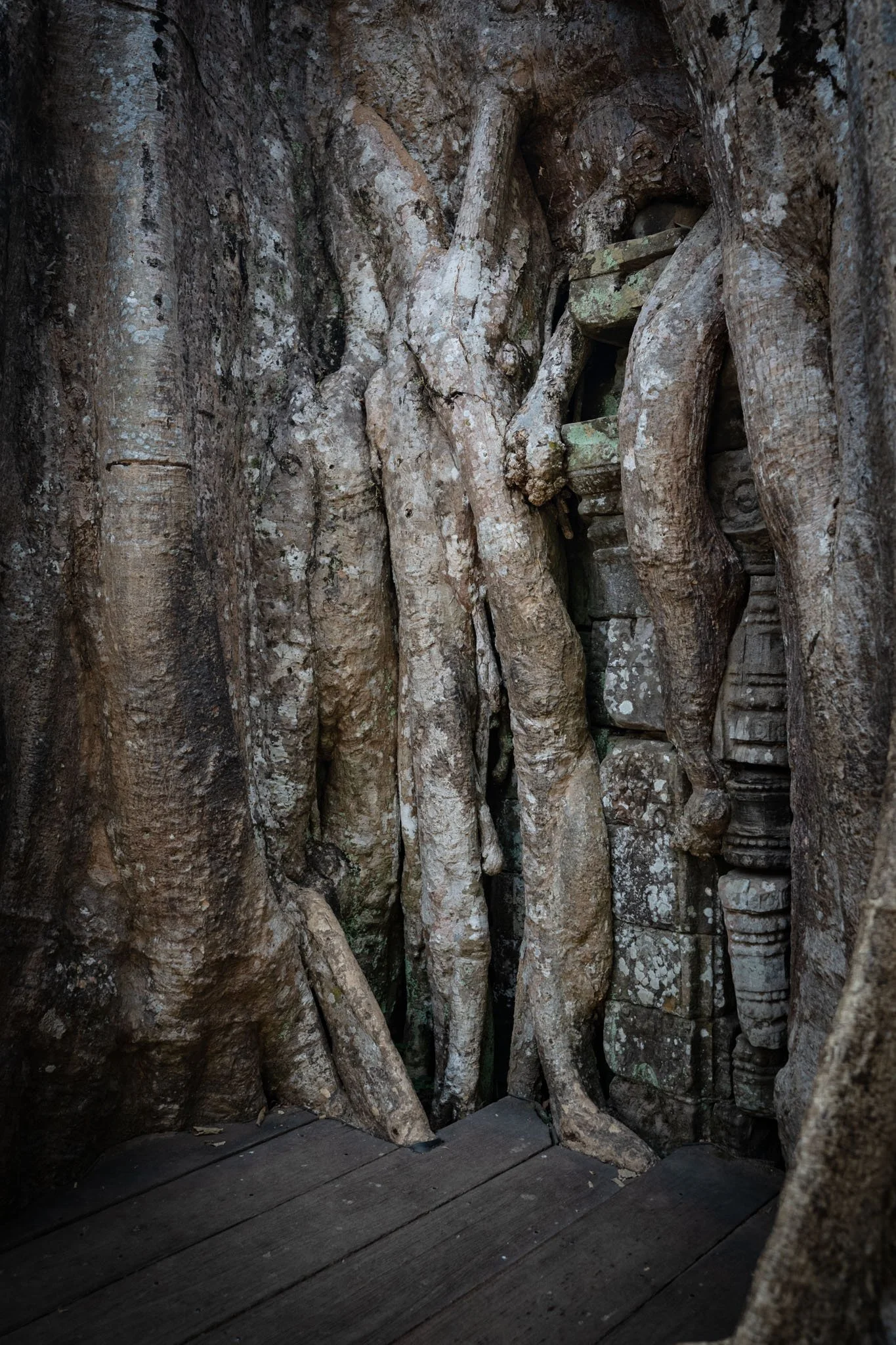
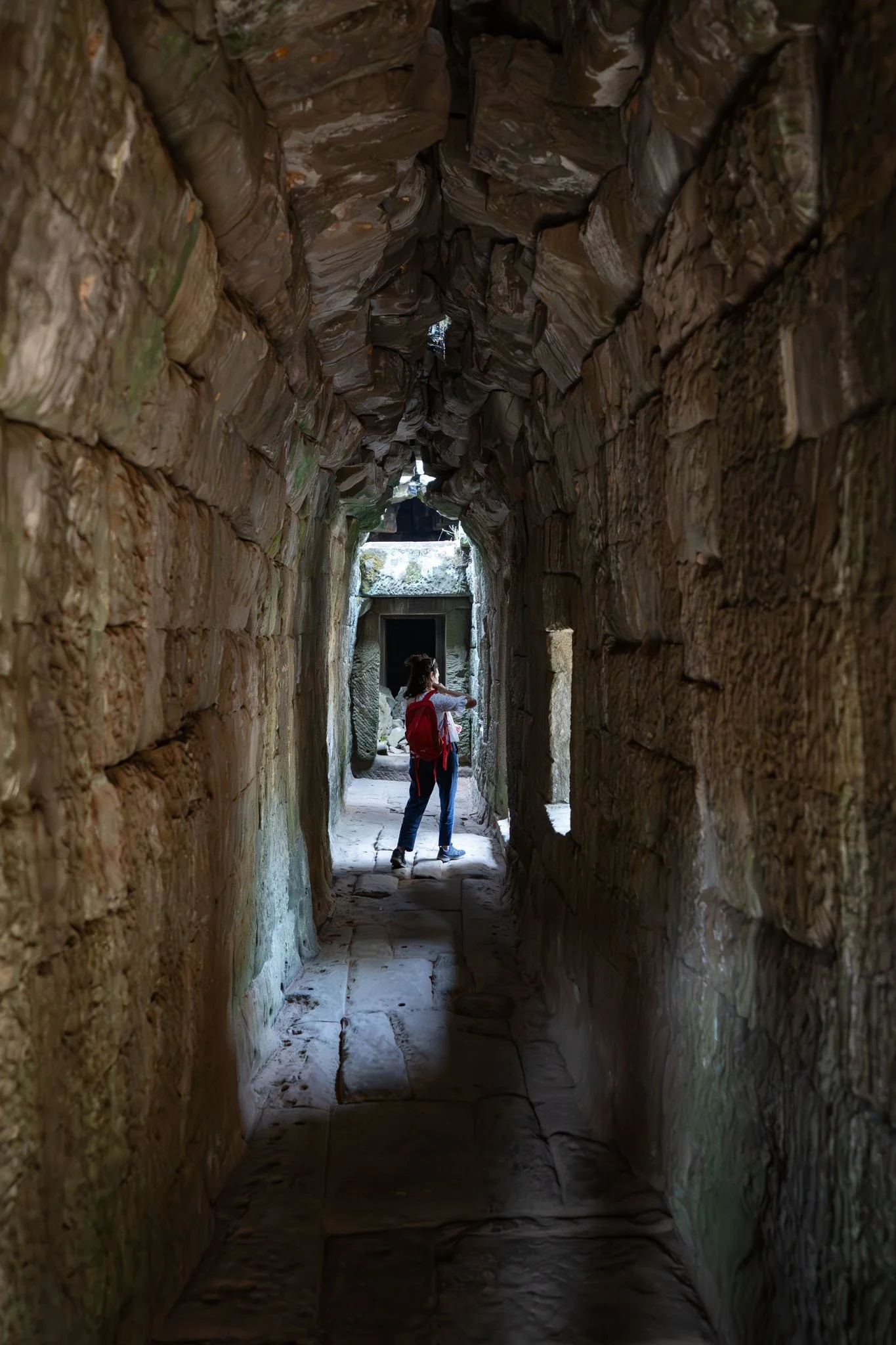
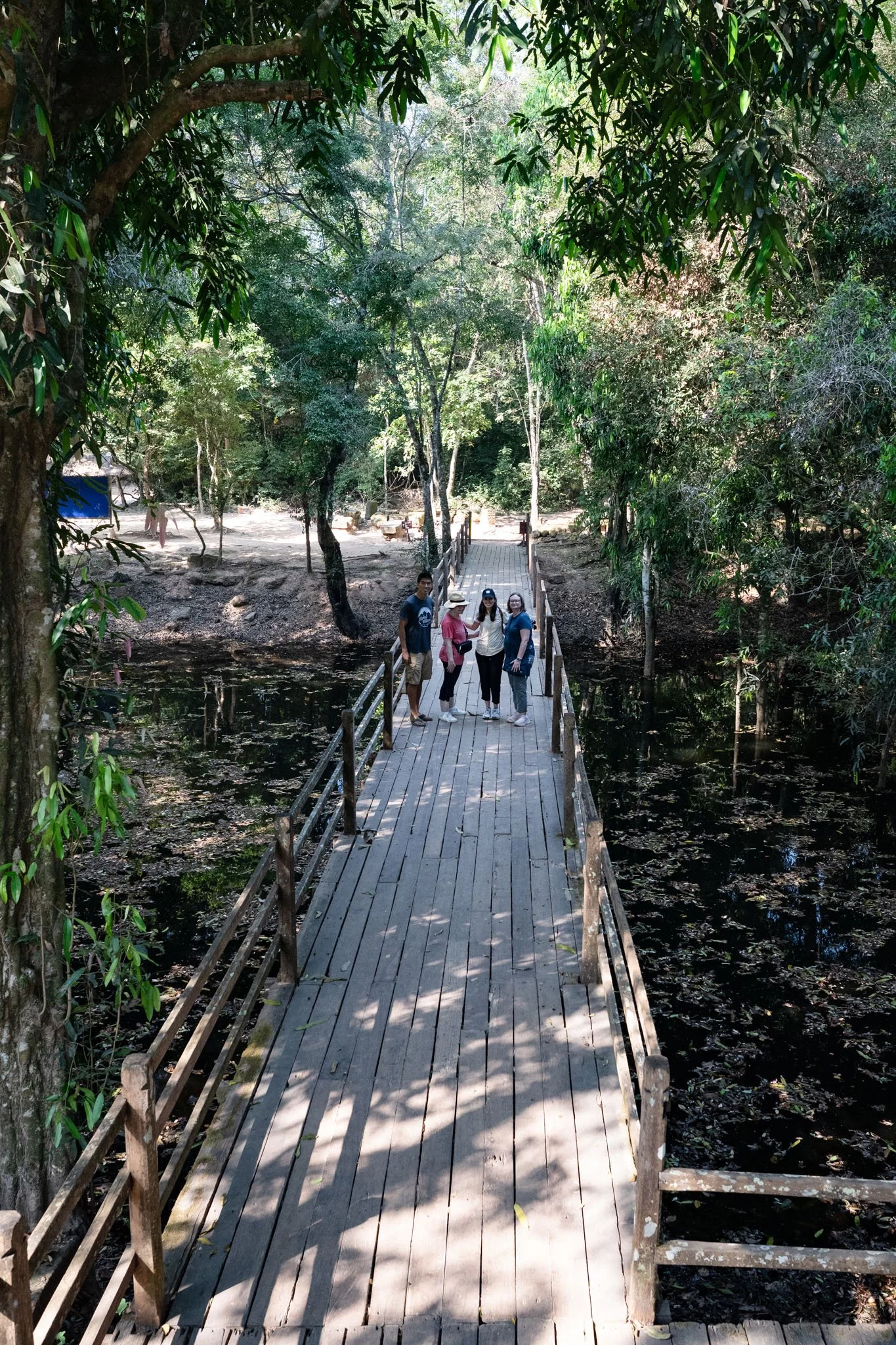
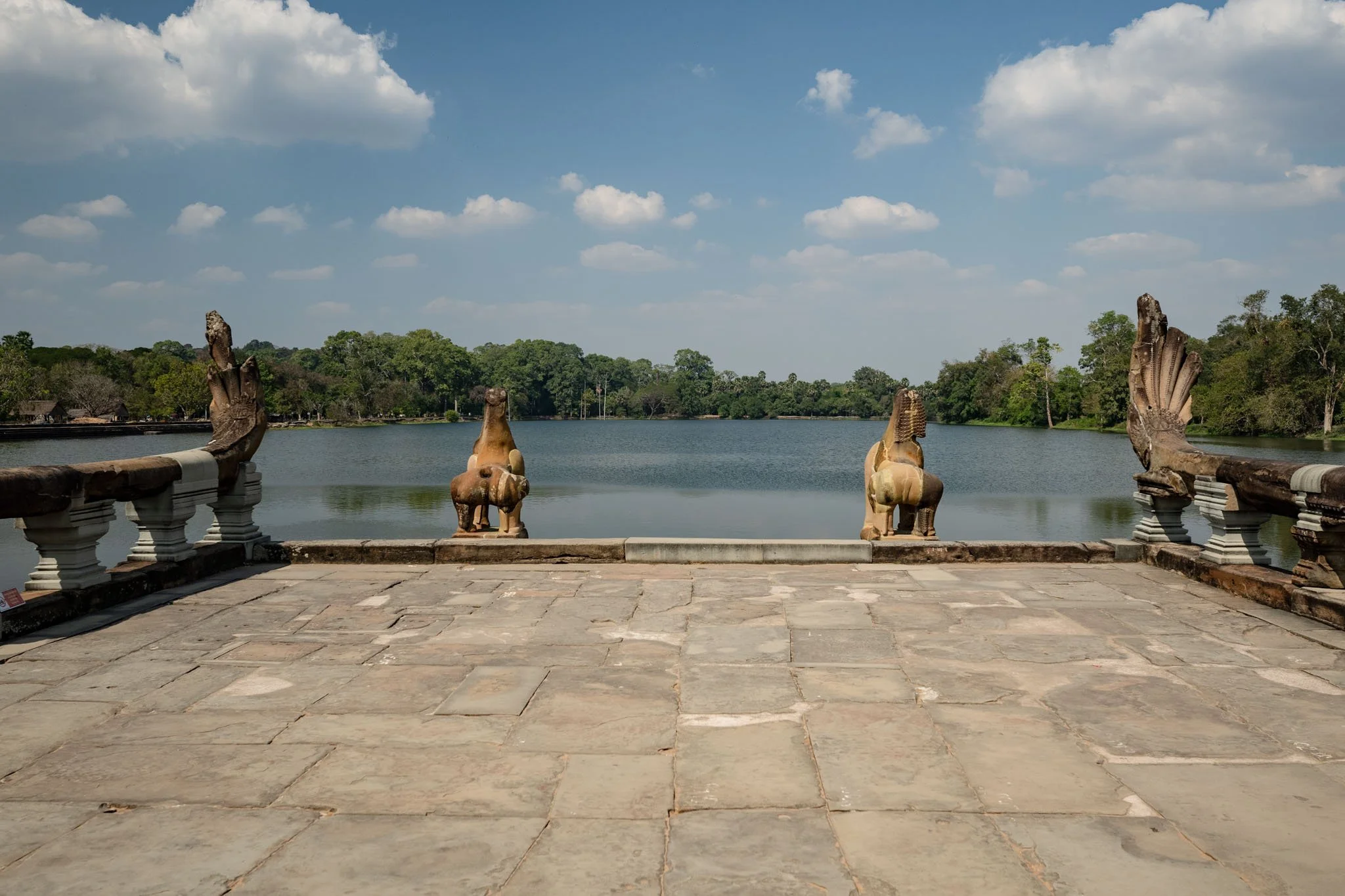
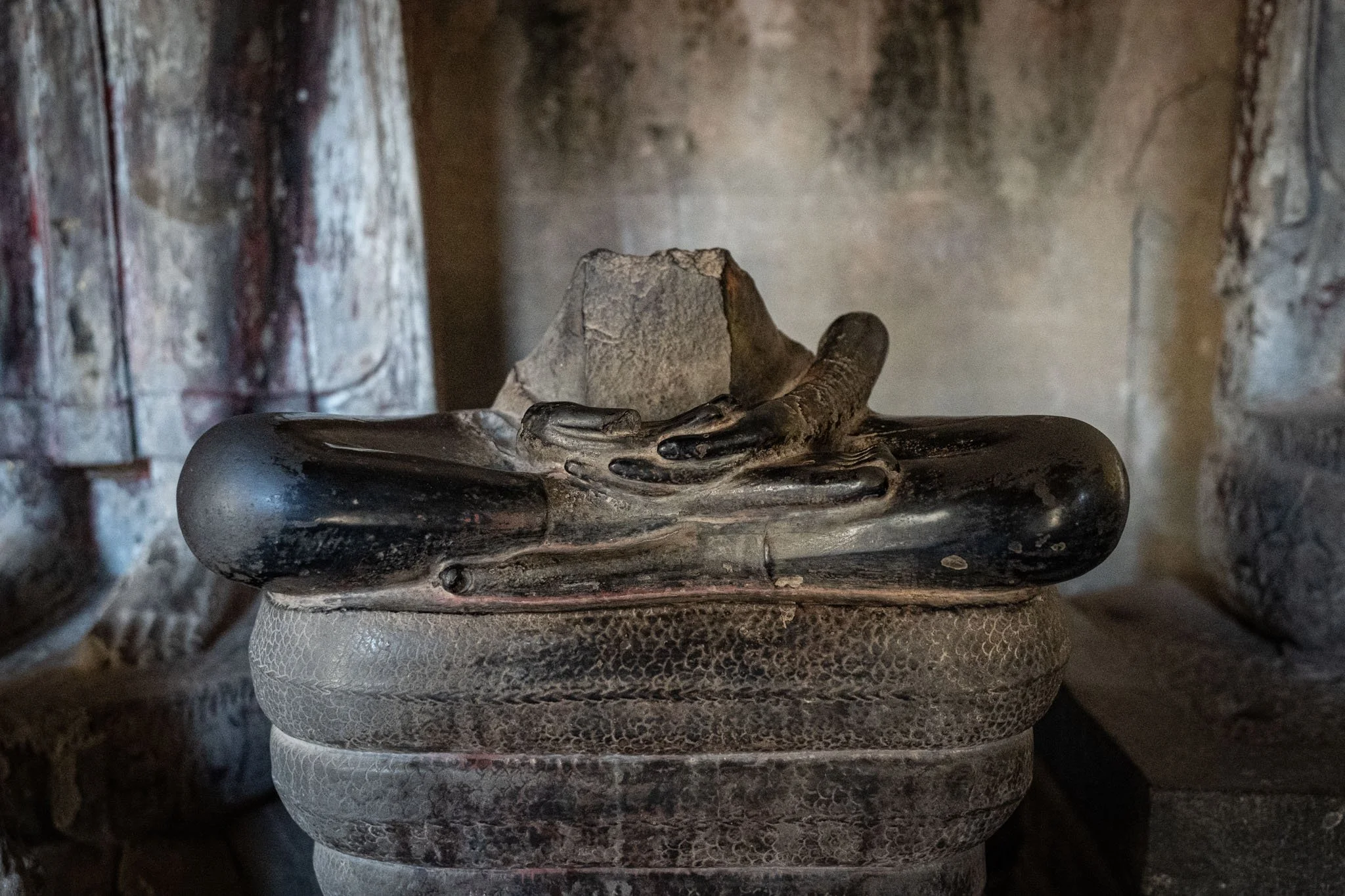
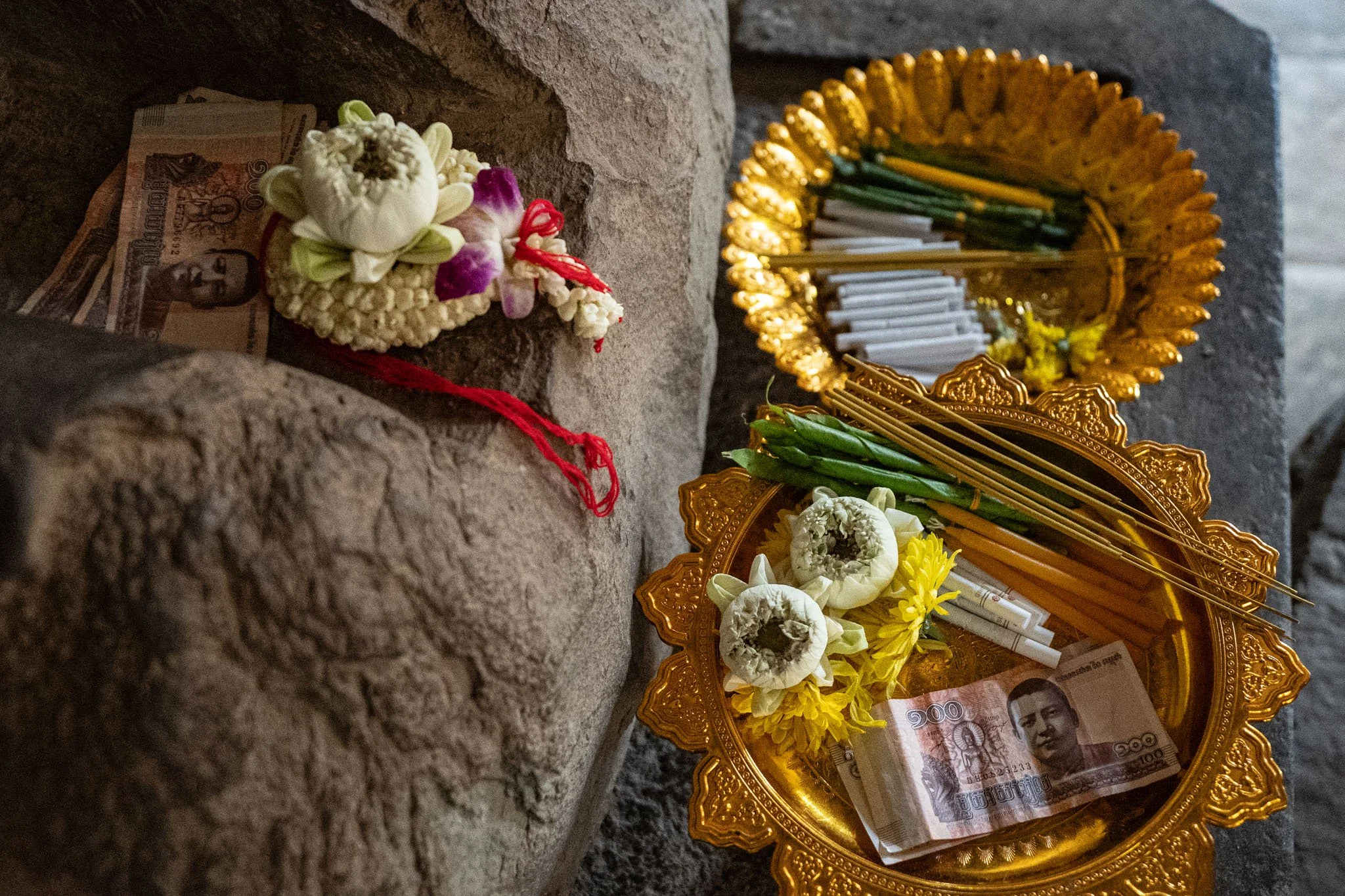
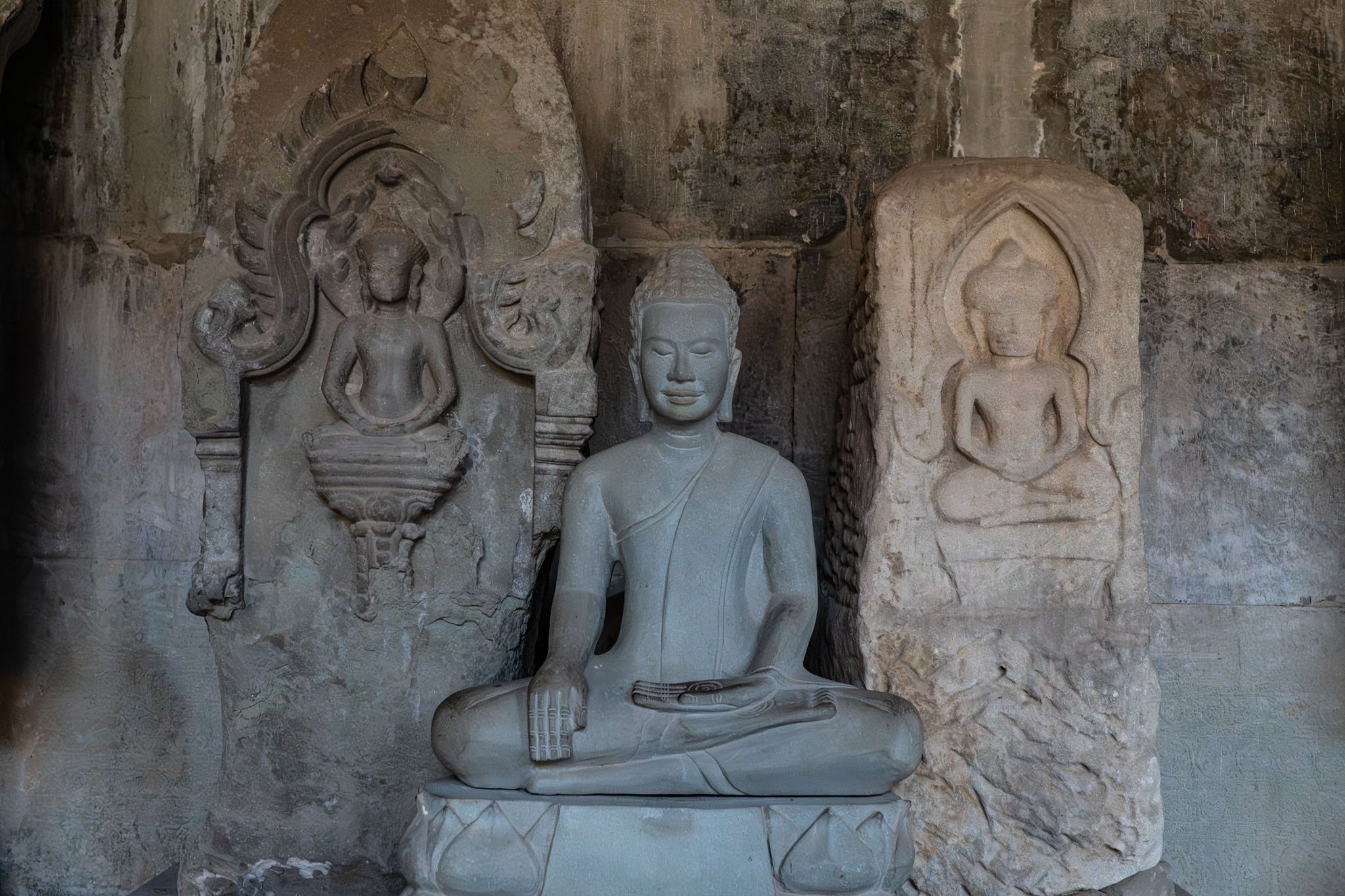
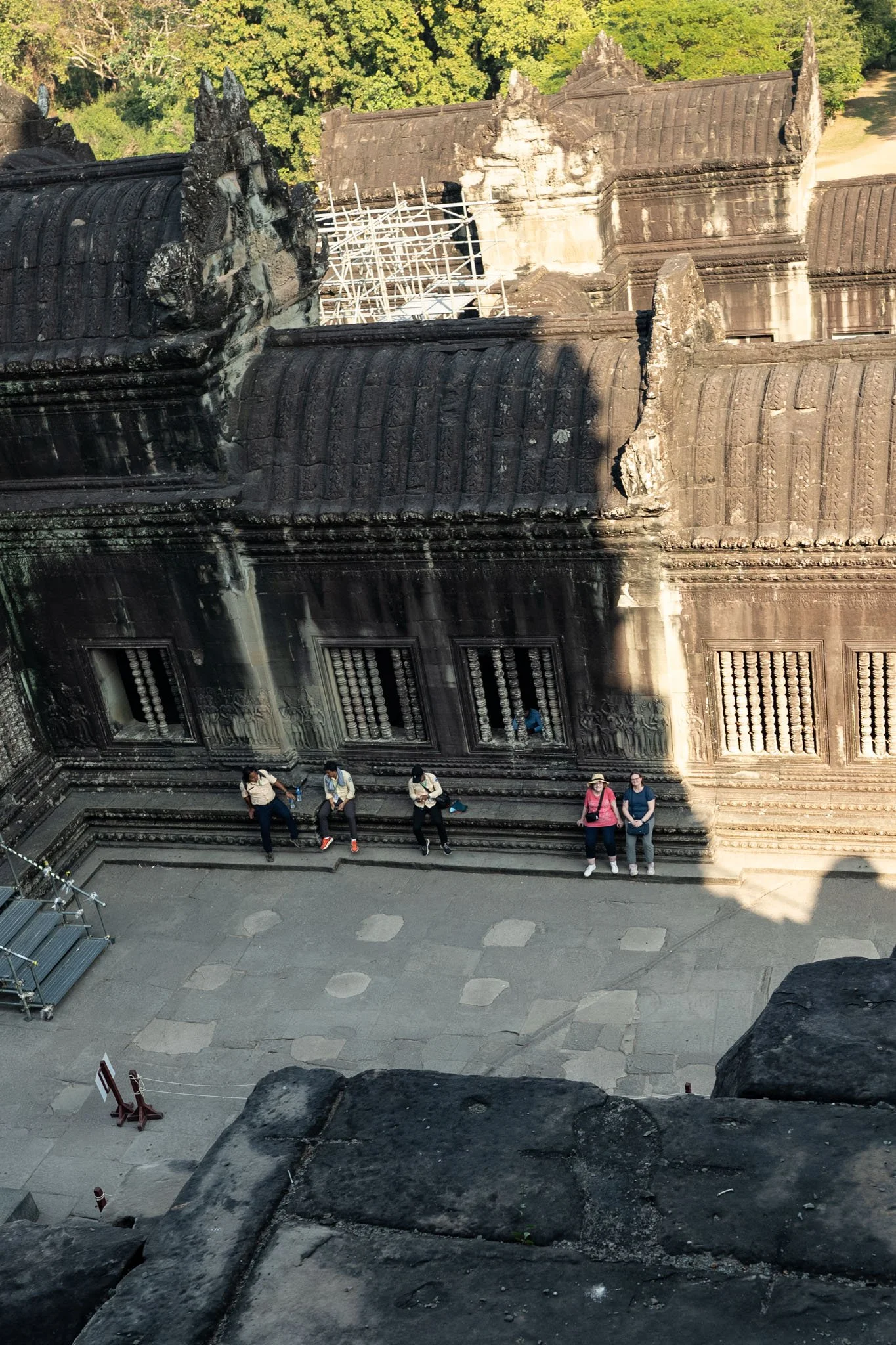
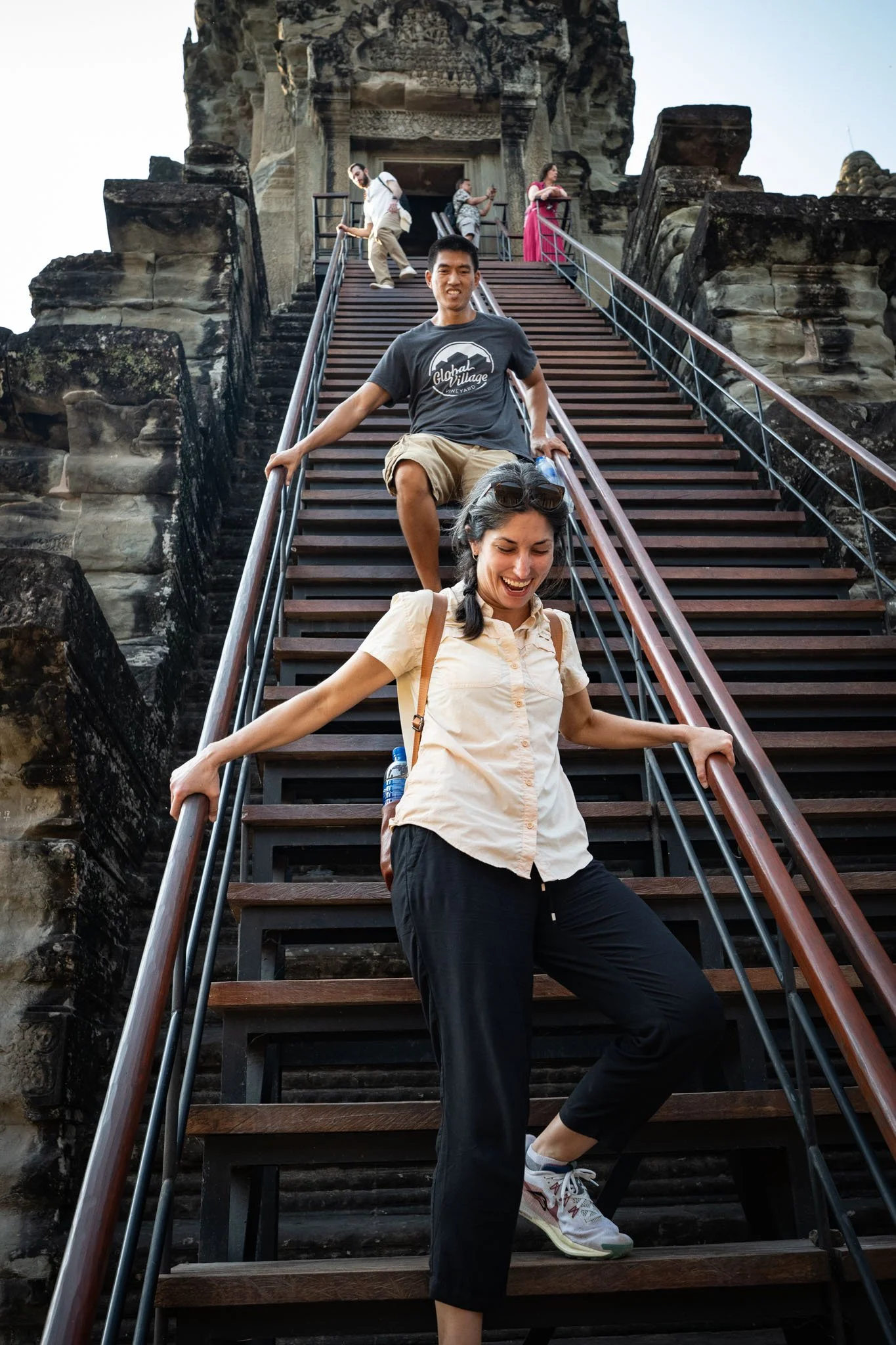
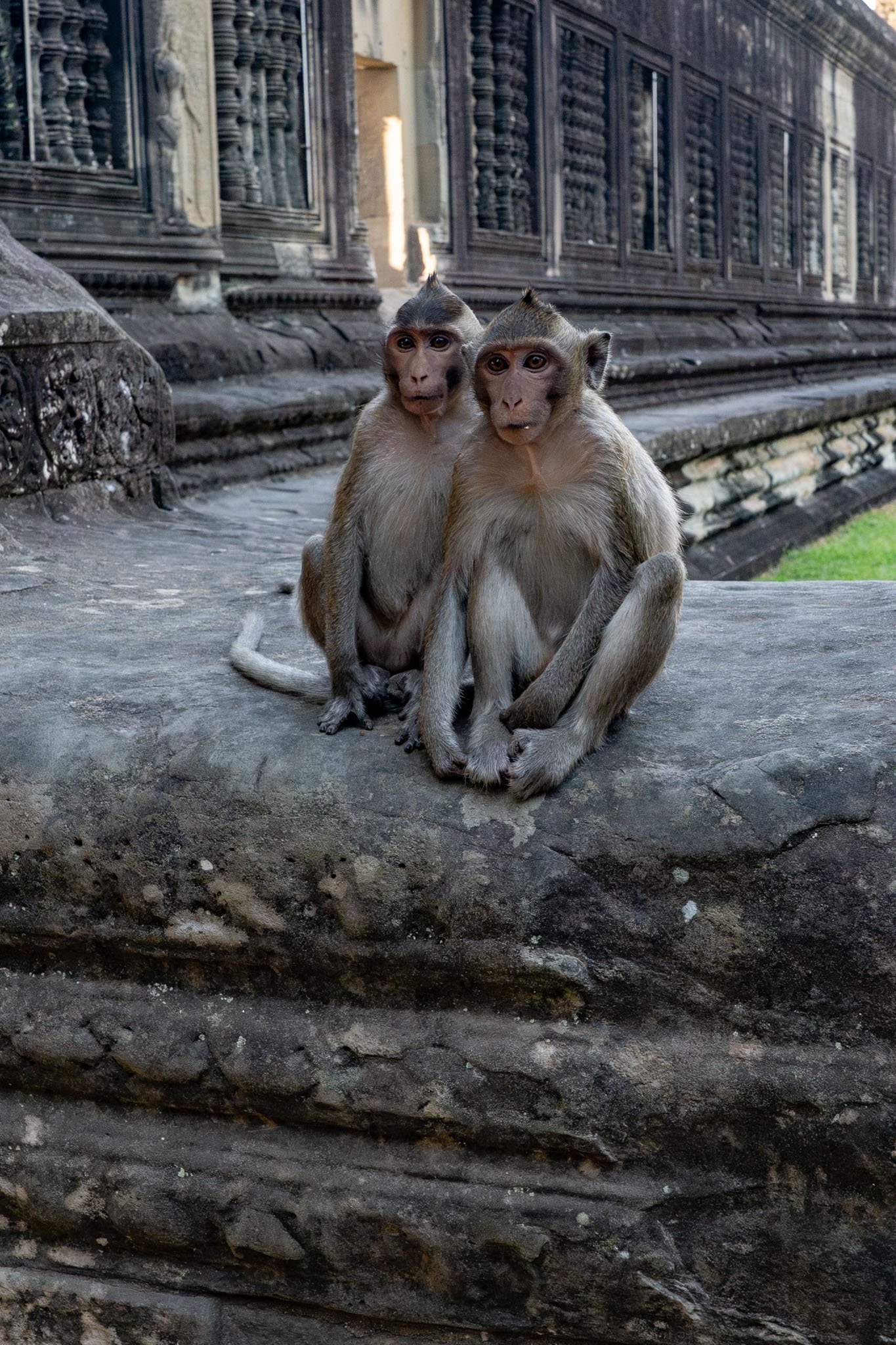
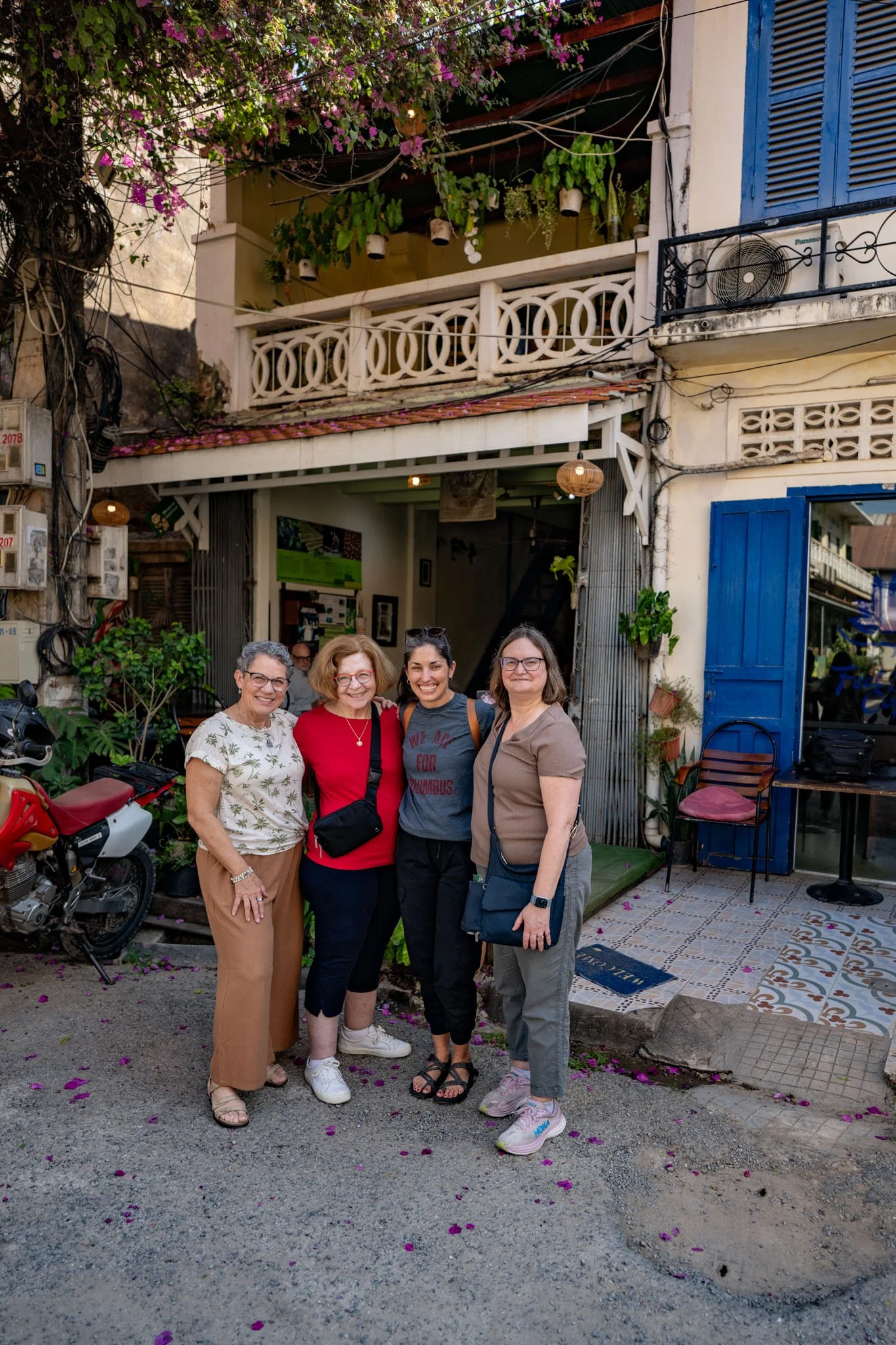
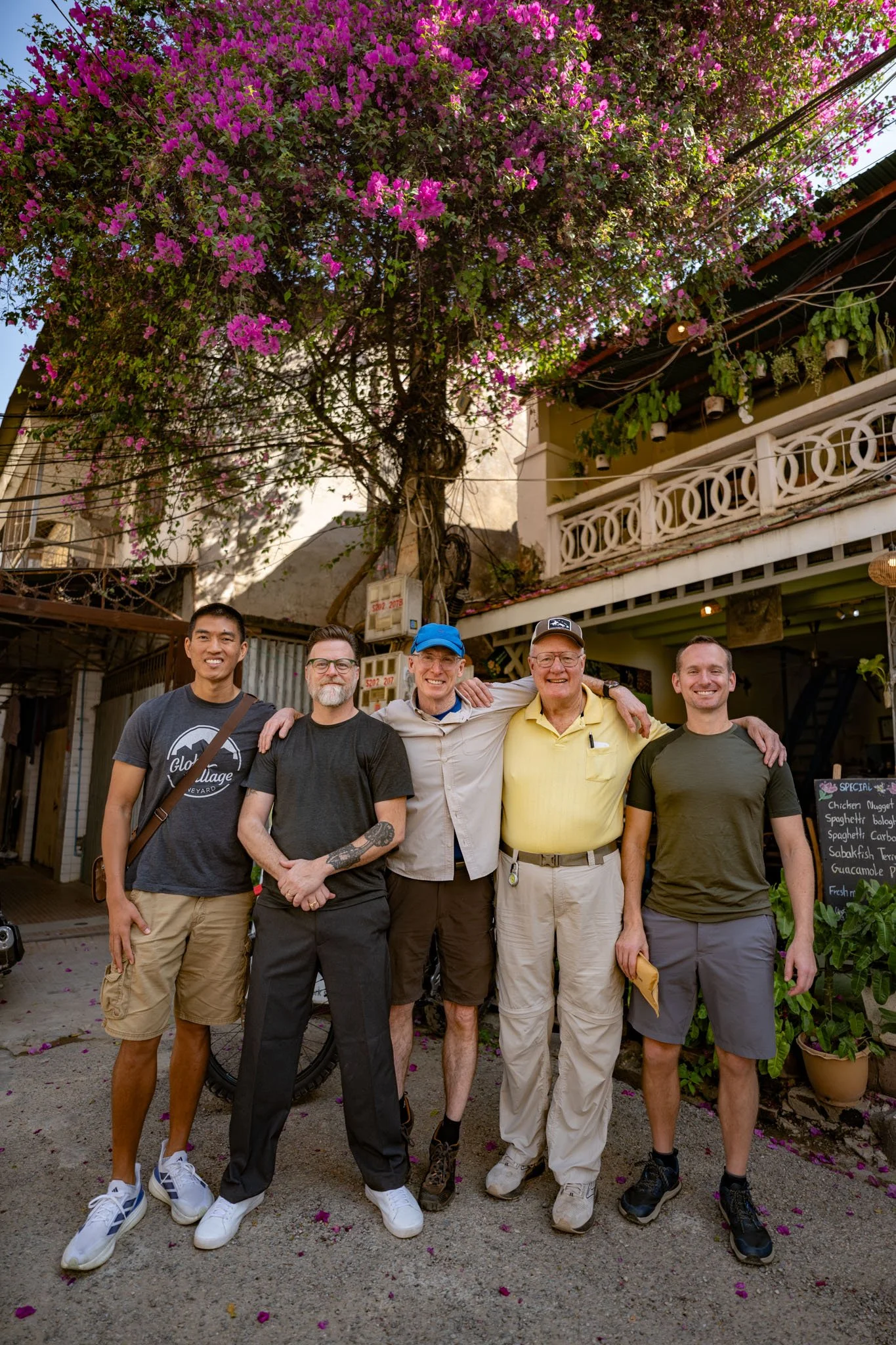
On our way from Battambang to Phnom Penh, we stopped for a day in Siem Reap and toured my three favorite temples: Ta Prohm, Angkor Thom and Angkor Wat. As always, it was a workout — seven hours straight of walking up and down ruined steps under the Cambodian sun. But we all made it, including septuagenarian Kris, who was a bit concerned about the levels of endurance the day would require.

And as she said the next morning, “Nothing makes for a better night’s sleep than a full day at Angkor.”

The obligatory money shot

John McCollumComment
A Week of Games and Dancing

It’s been pedal-to-the-metal since arriving in Cambodia, but what fun we’re having! Aside from falling a bit behind on email correspondence and enduring a bit of a sinus cold, this trip has thus far been a smashing success.

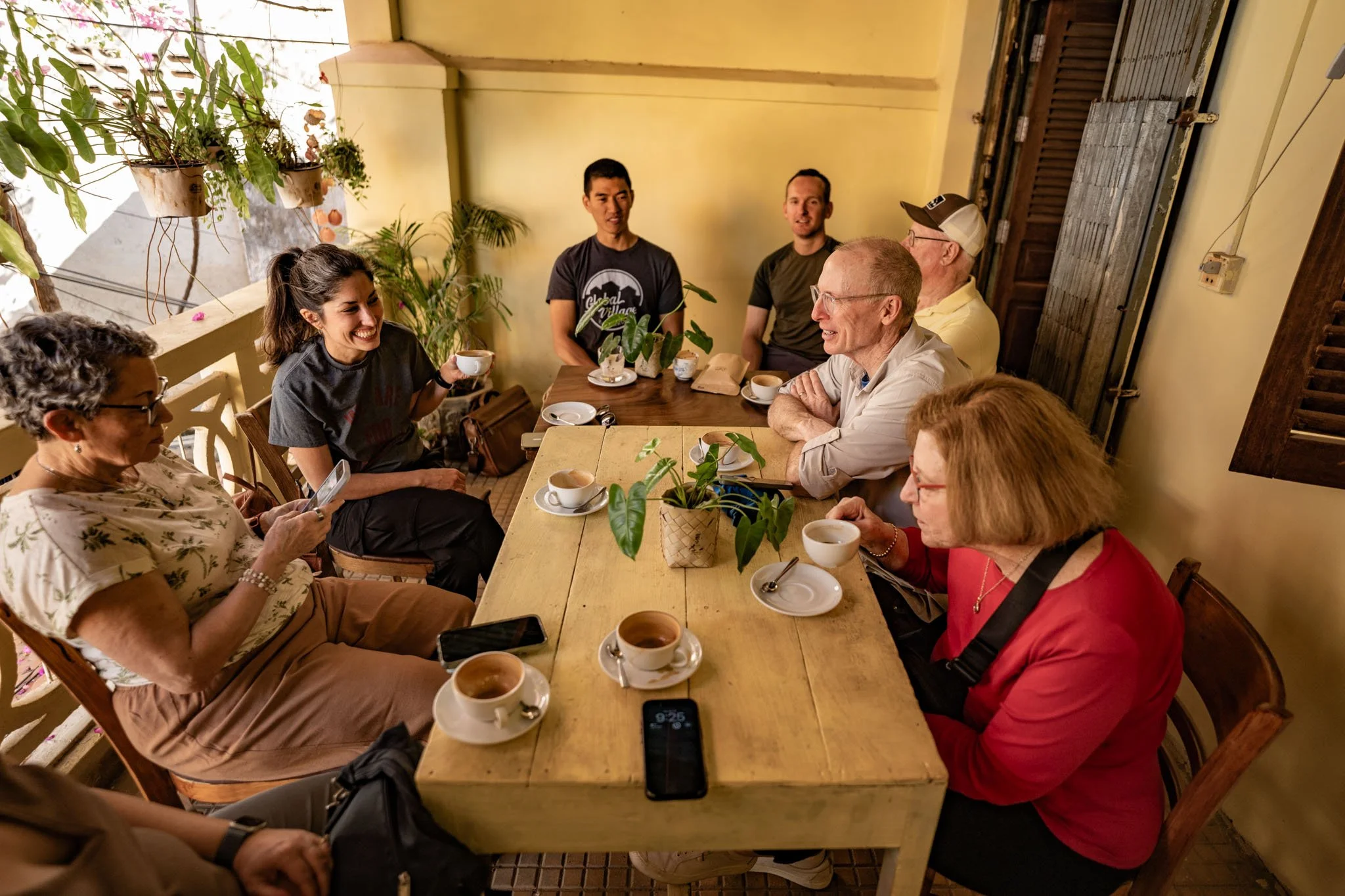
Megan, Kris, Jeremiah and I have never traveled together as a group, and each of us had been looking forward to it with a mix of about 80% anticipation and 20% anxiety. 

(Well, maybe not Jeremiah; he seems to take everything in stride with his gracious Thai mai pen rai – no worries – orientation)

Megan has traveled to India with Asia’s Hope, so she wasn’t concerned as much with the physical and logistical aspects of travel, but she’s leaving young kids behind, and that’s potentially stressful for her and her husband Jay, who’s stuck manning the home front in solo mode.

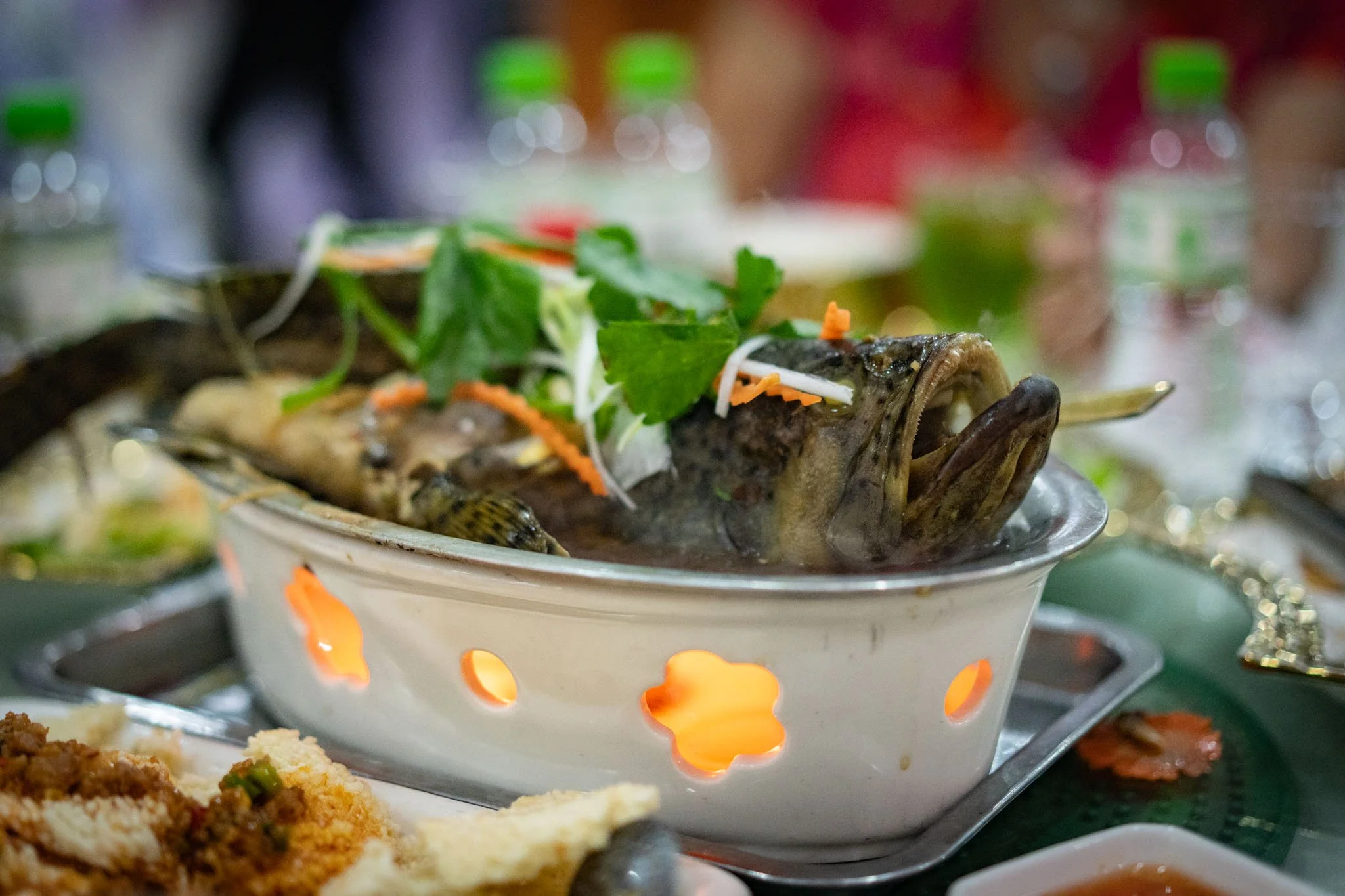
Kris is an experienced traveler to Europe, but this trip promised to be more physically demanding with its endless flights, hot temps and long days on our feet. She was concerned about slowing down team members quite a few years younger than her. She’s also not a big fan of seafood, and visions of being served gnarly, needle-boned, heads-on aquatic beasts at every meal provoked a mild case of the squeams.

Kori has done this trip a bunch of times and is unfazed by the transit and the general pace. But her out-of-office email auto responder notwithstanding, she still receives about a hundred work-related messages in her inbox on the average day.

But so far, everyone is thriving. Megan’s husband Jay is killing it back home as a temporarily-single dad. Kris has kept up every step of the way, and has even enjoyed the occasional bite of fish! And Jeremiah has had a blast eating his way through the Cambodian culinary canon.

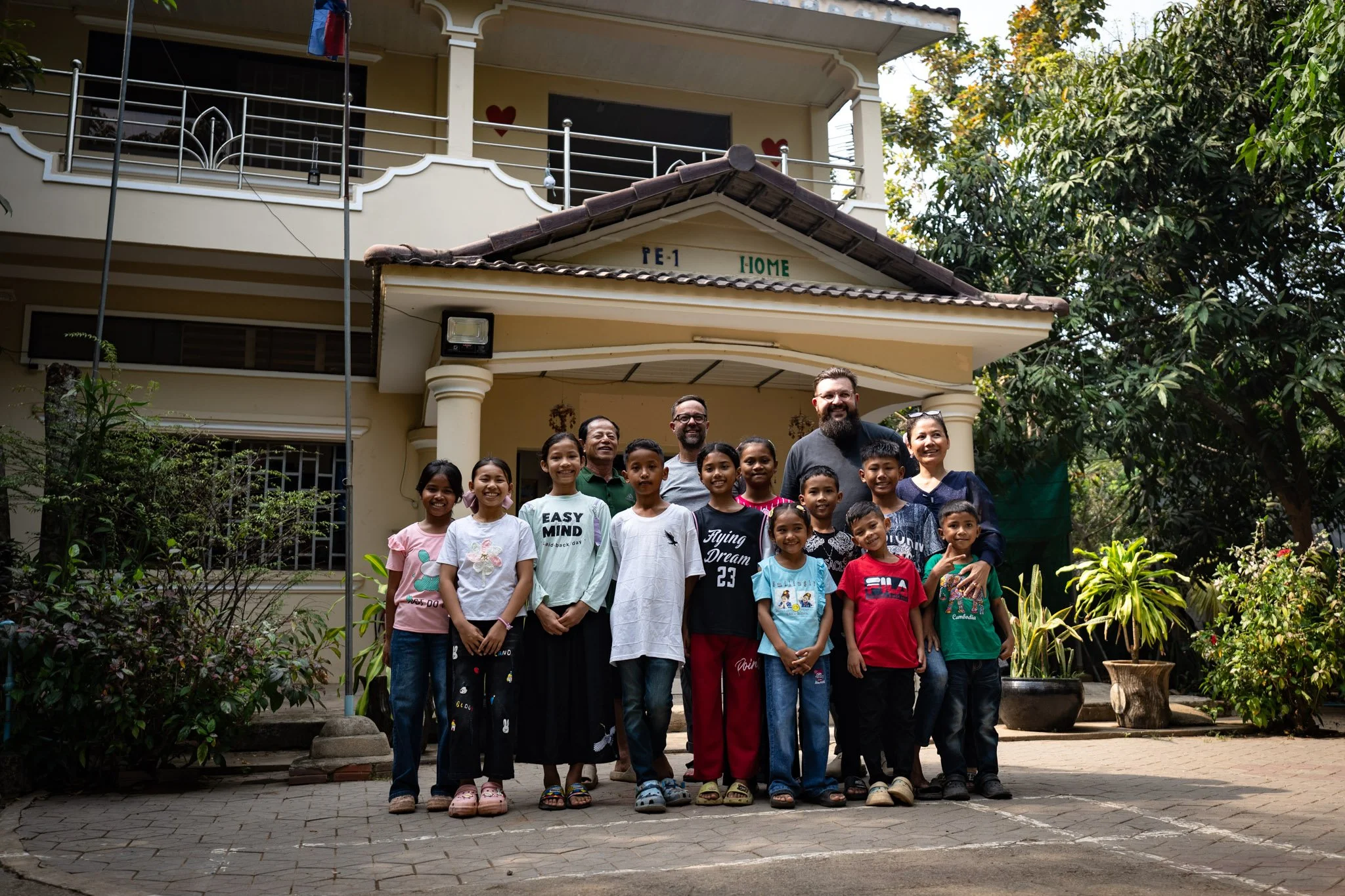
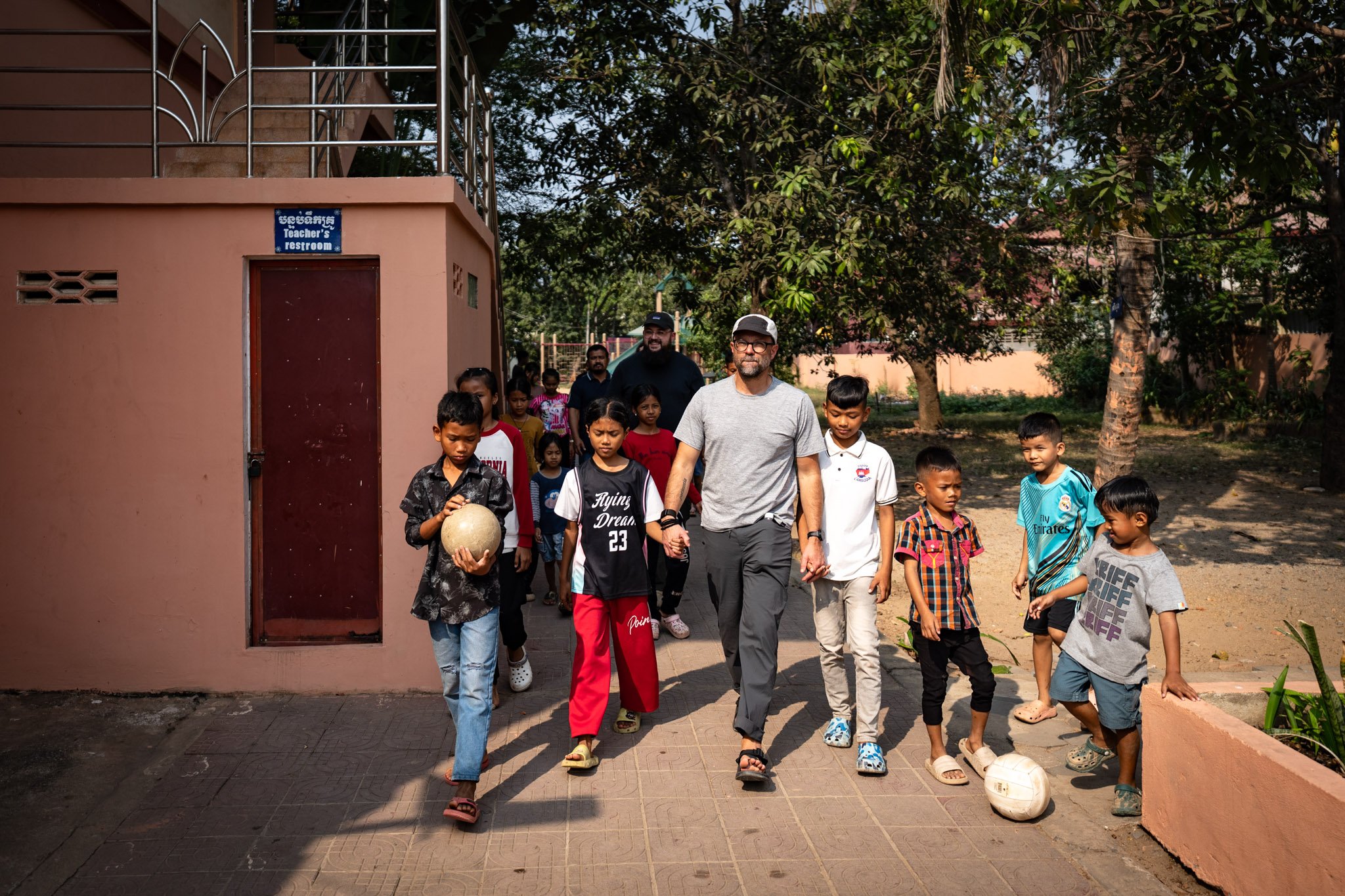
I knew we’d all get along well on this trip. We enjoy being together, and work well as a team. I wasn’t too worried about the food or the plane flights or the long hours on the road. As much fun as it is to experience Cambodia as a country, the real joy here comes from spending time with Asia’s Hope kids and staff – on the ground and in their homes. 

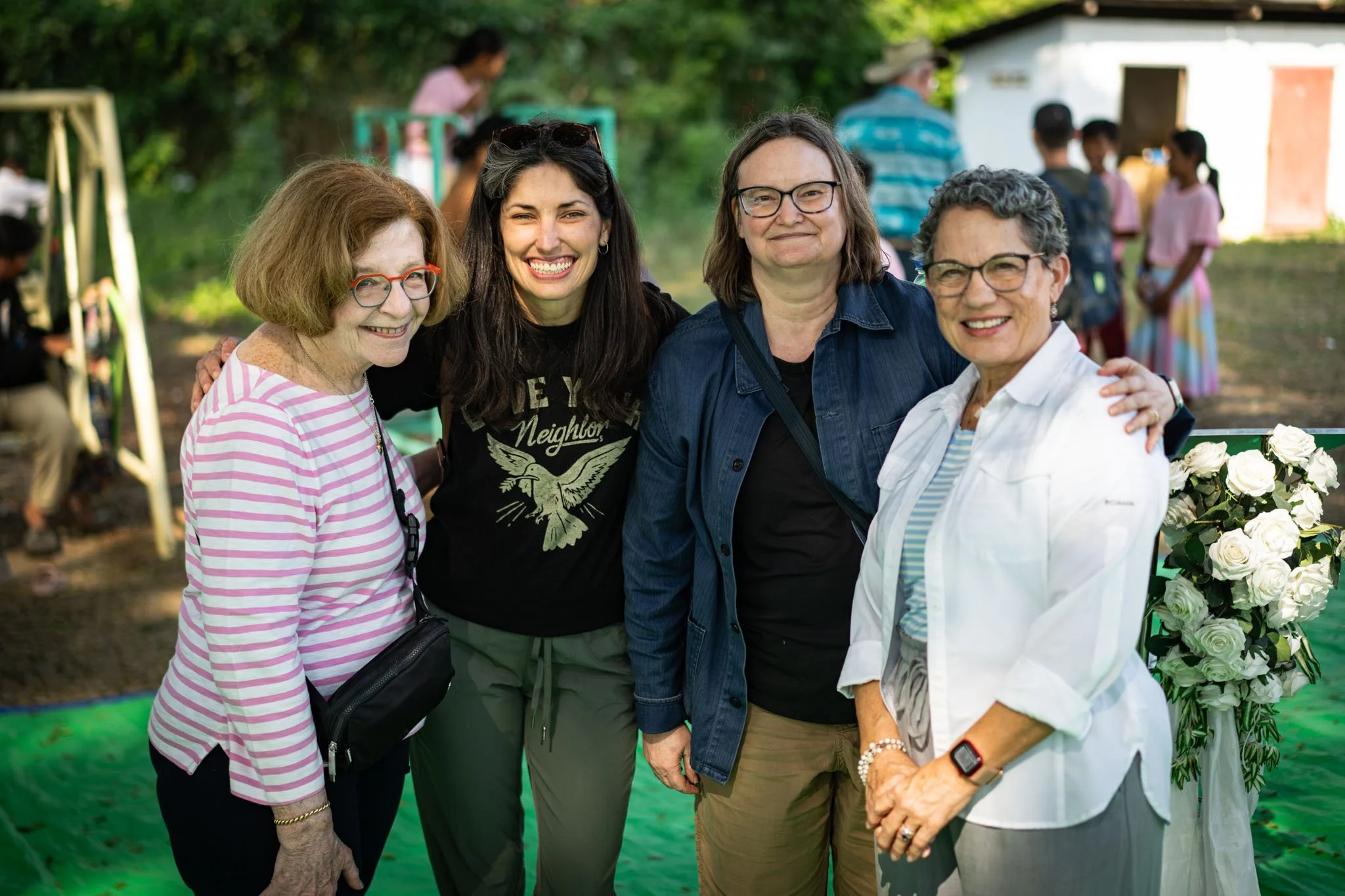
I’ve loved watching first-timers Kris and Megan experience for themselves the people and the places that have captured my heart for the past 25 years. And we got to connect with our dear friends and long-time supporters, Dr. Ray and Deb Sheridan, whose church and business sponsor our Battambang 5 home.

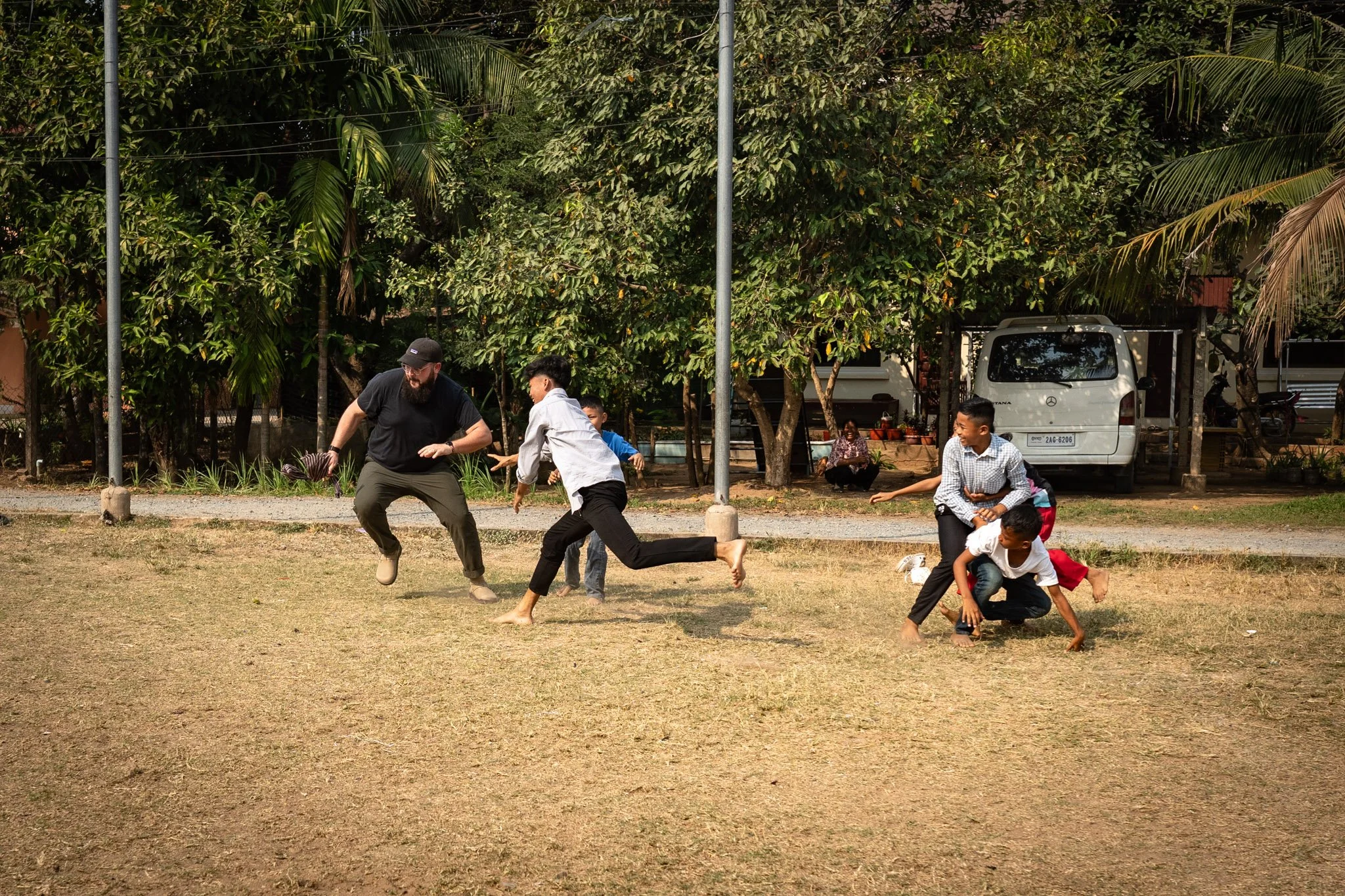
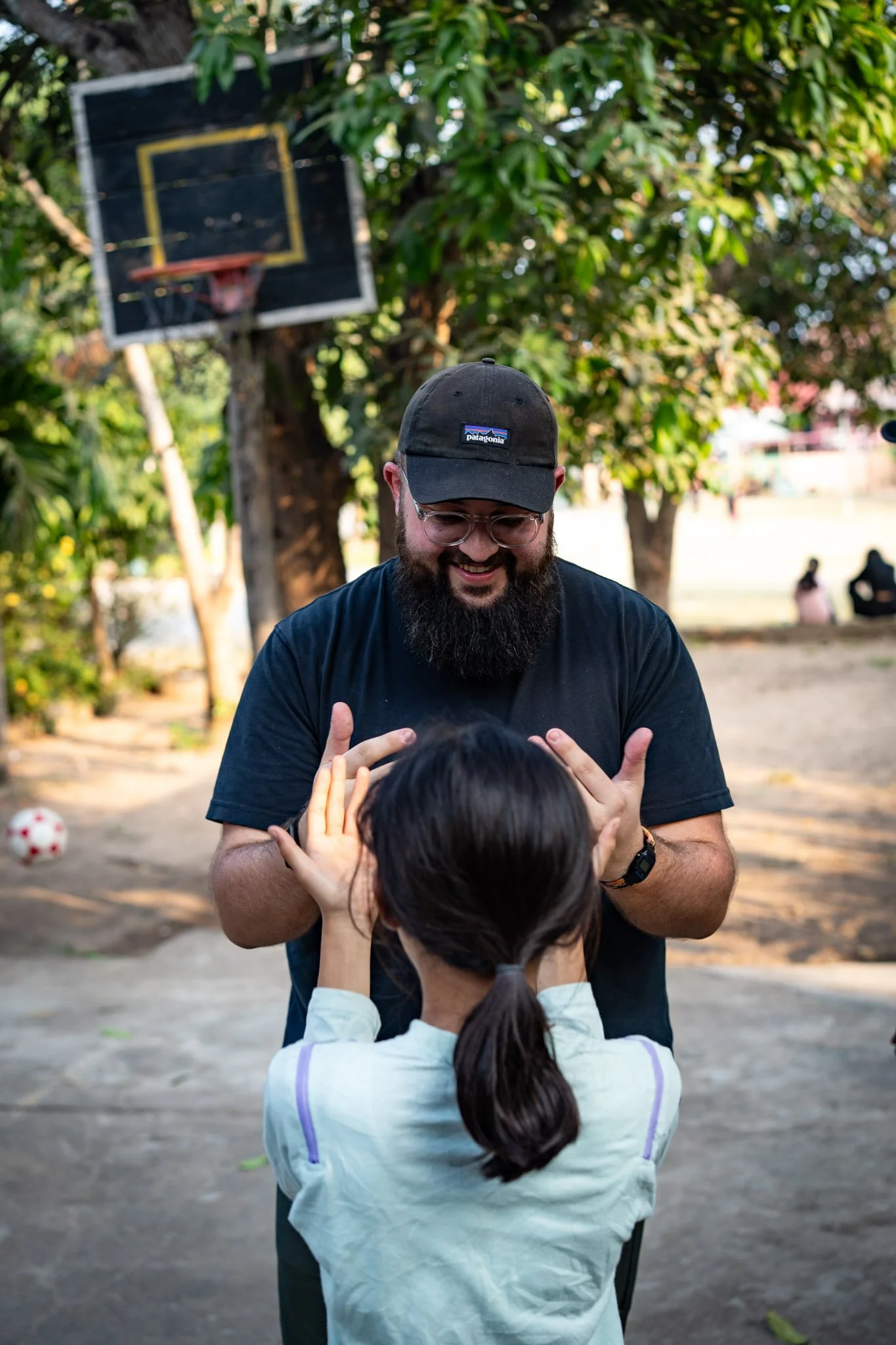
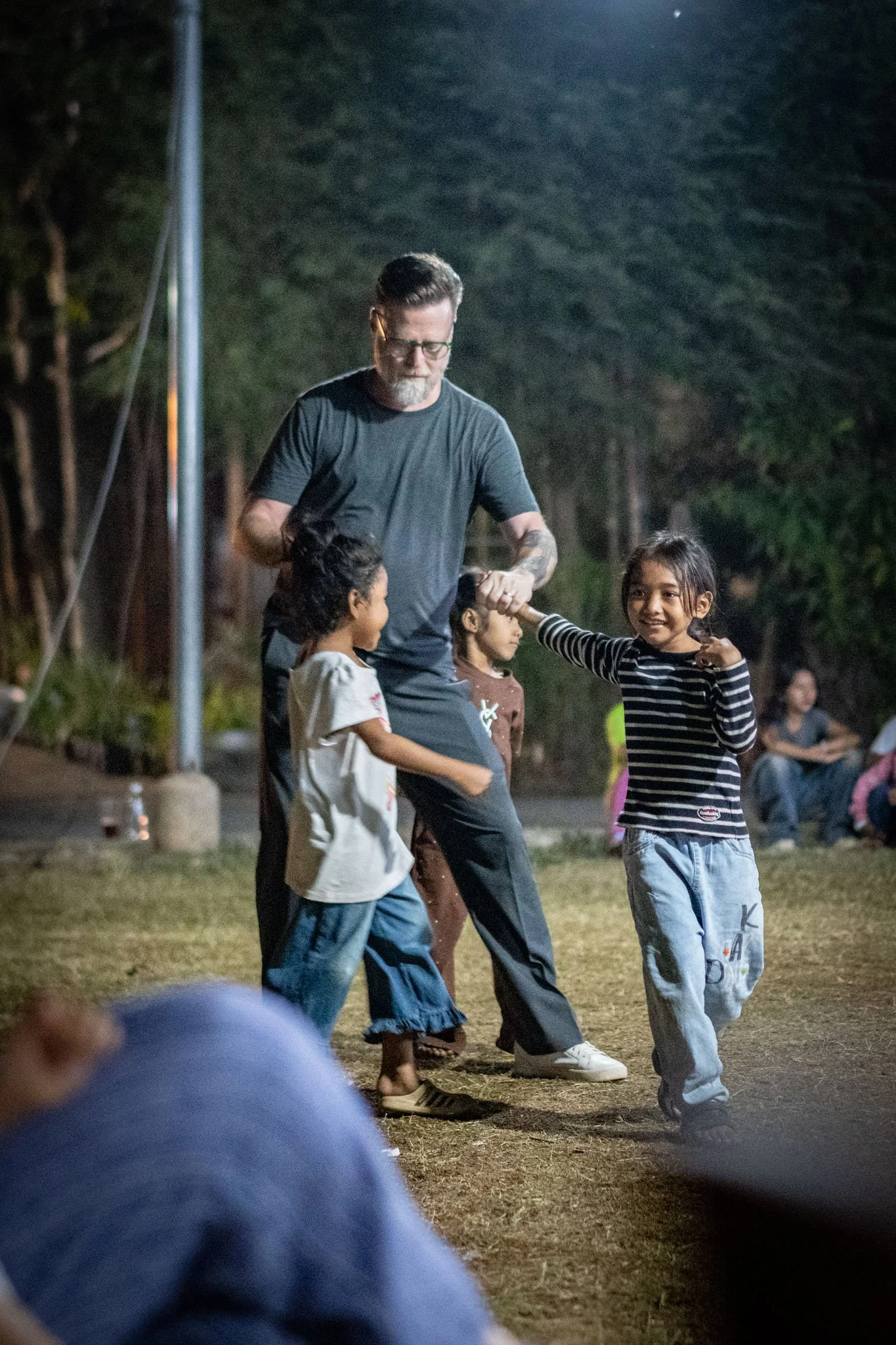
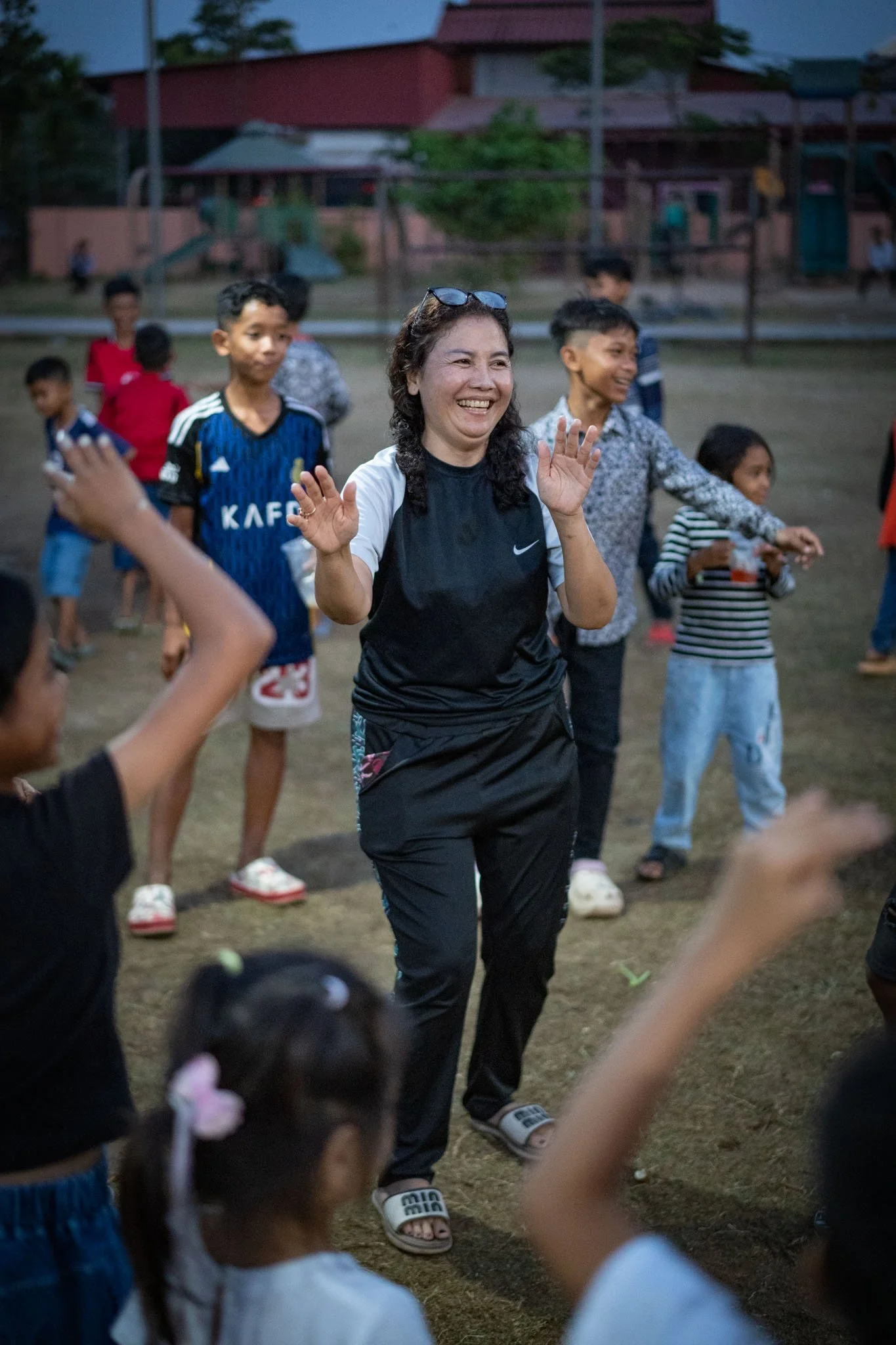
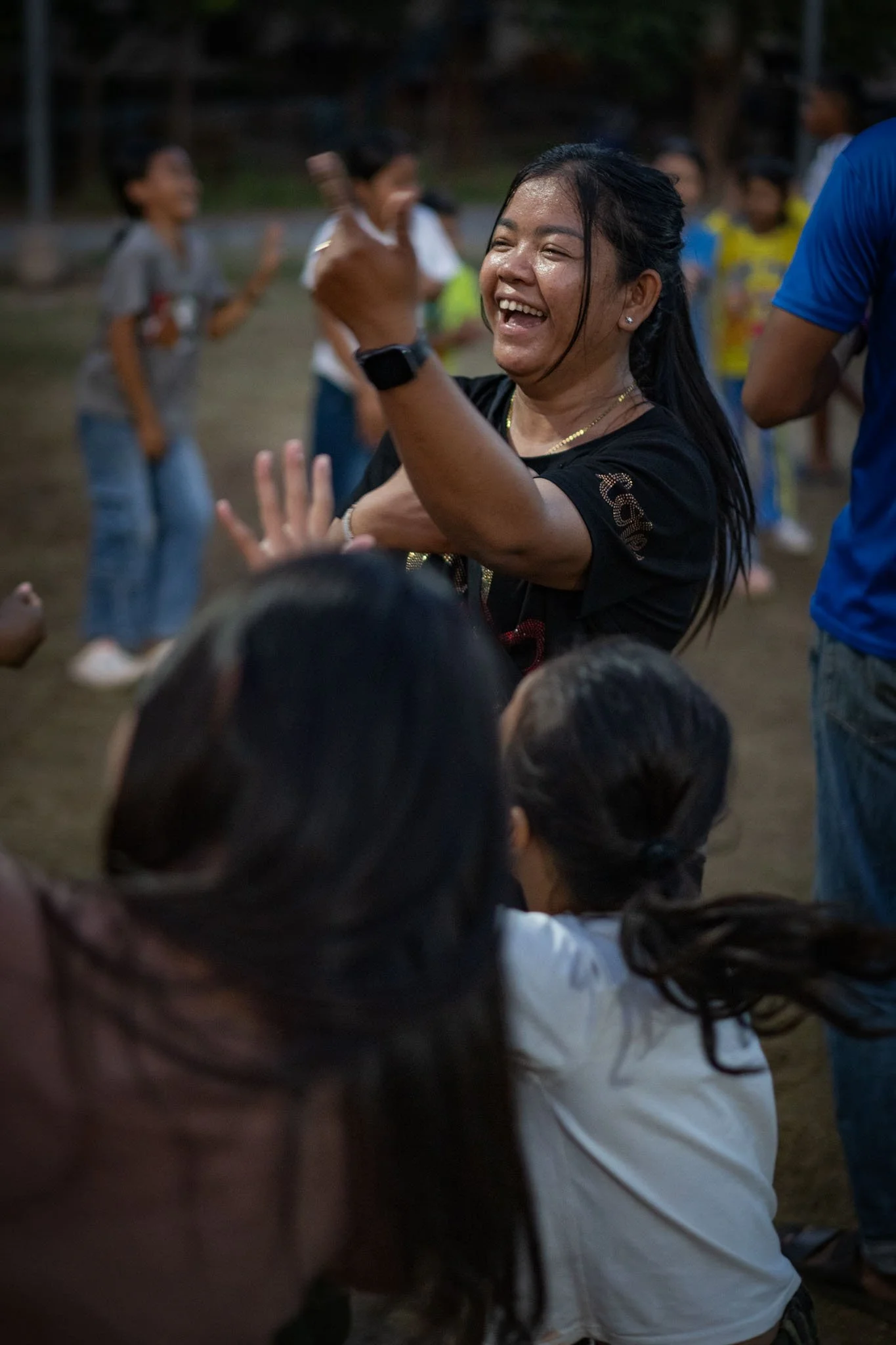
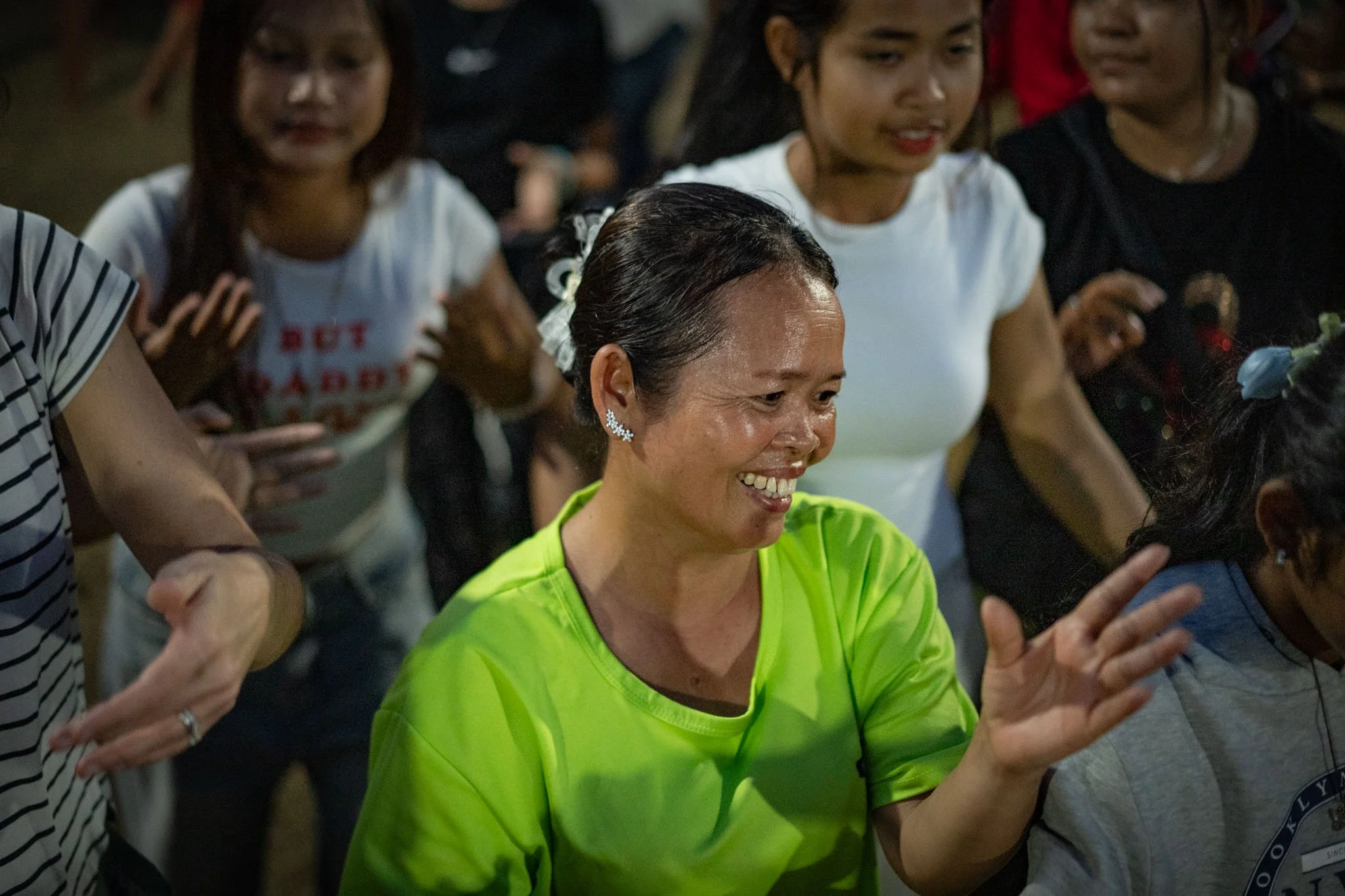
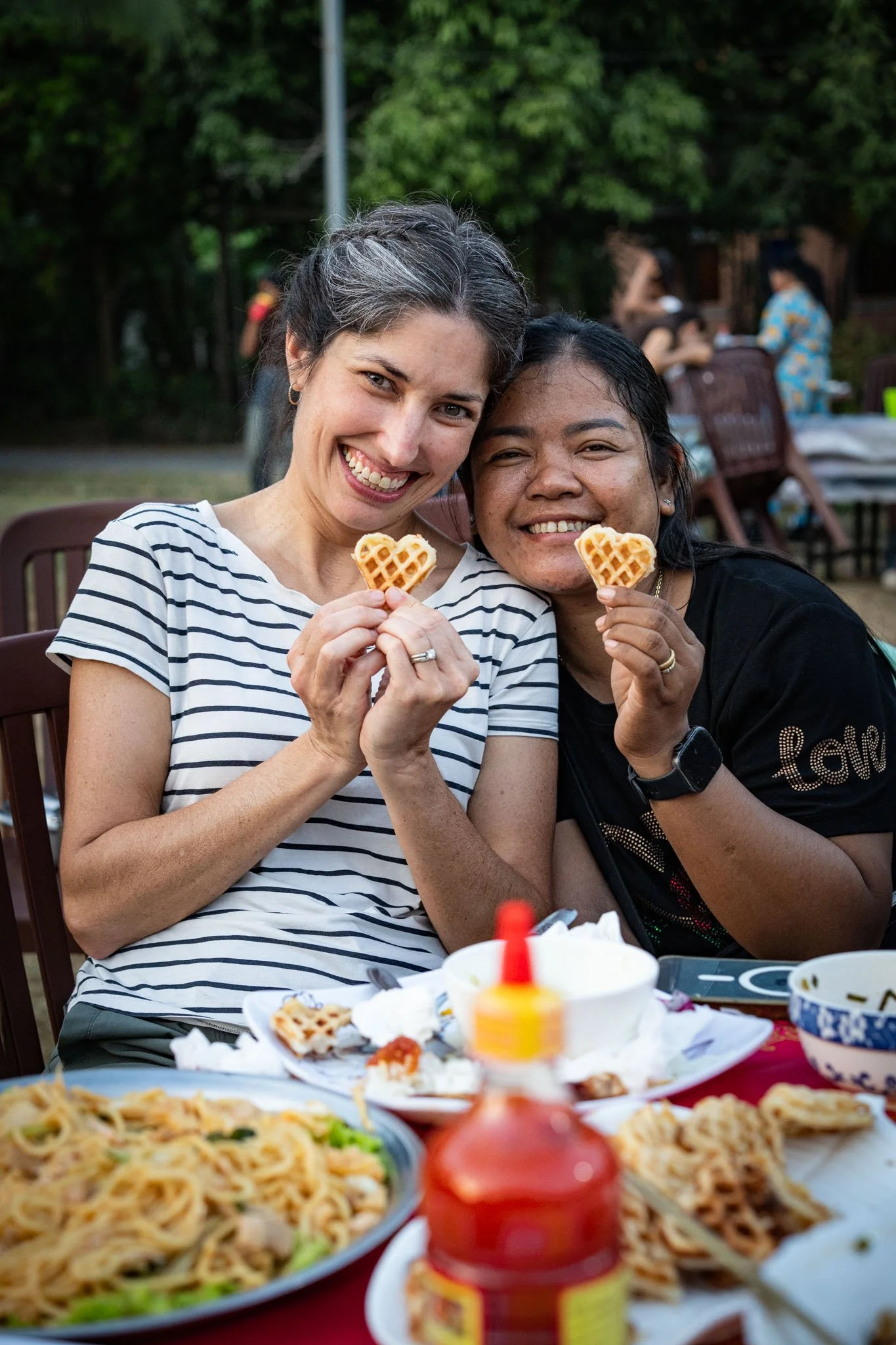
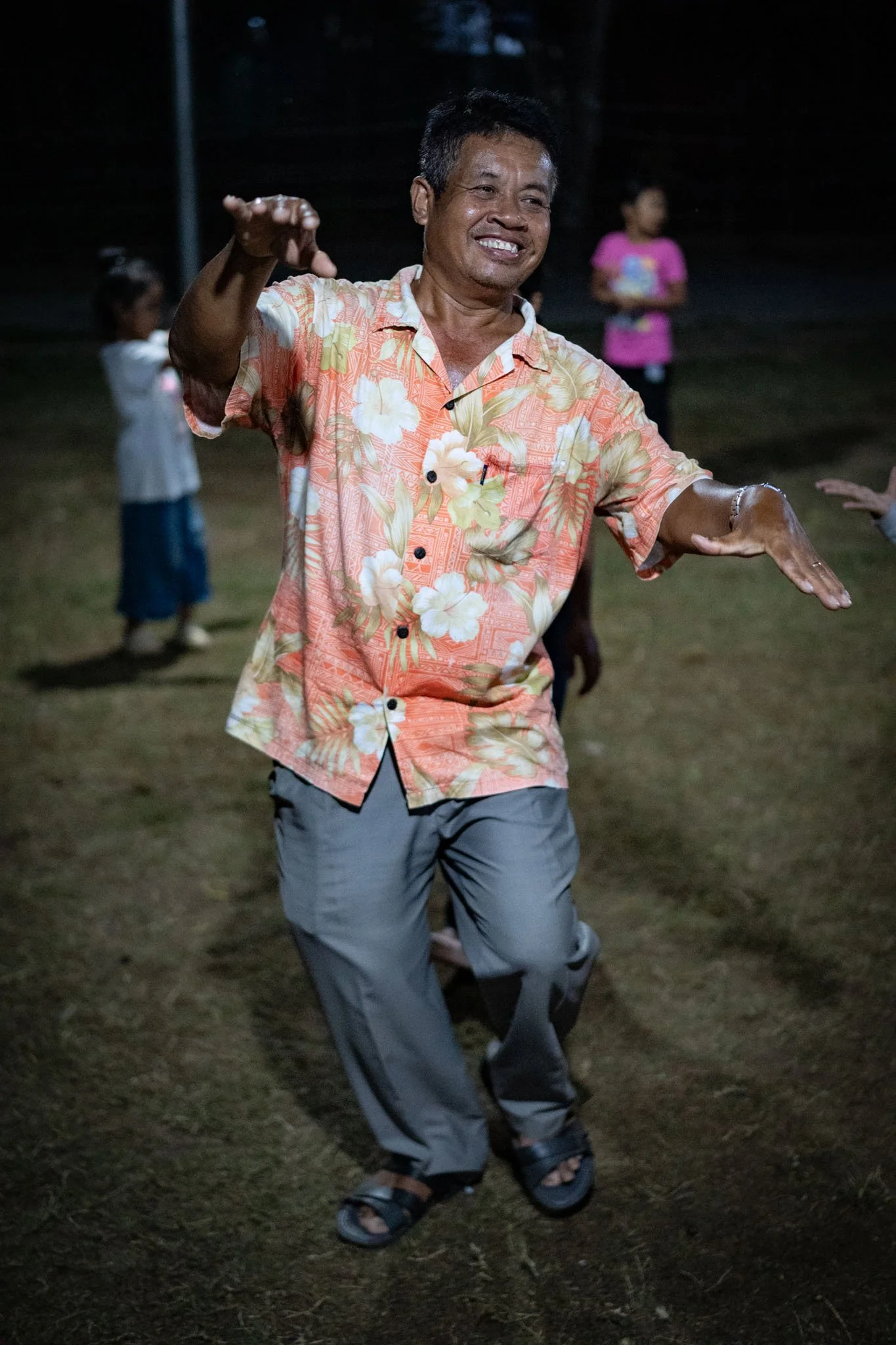
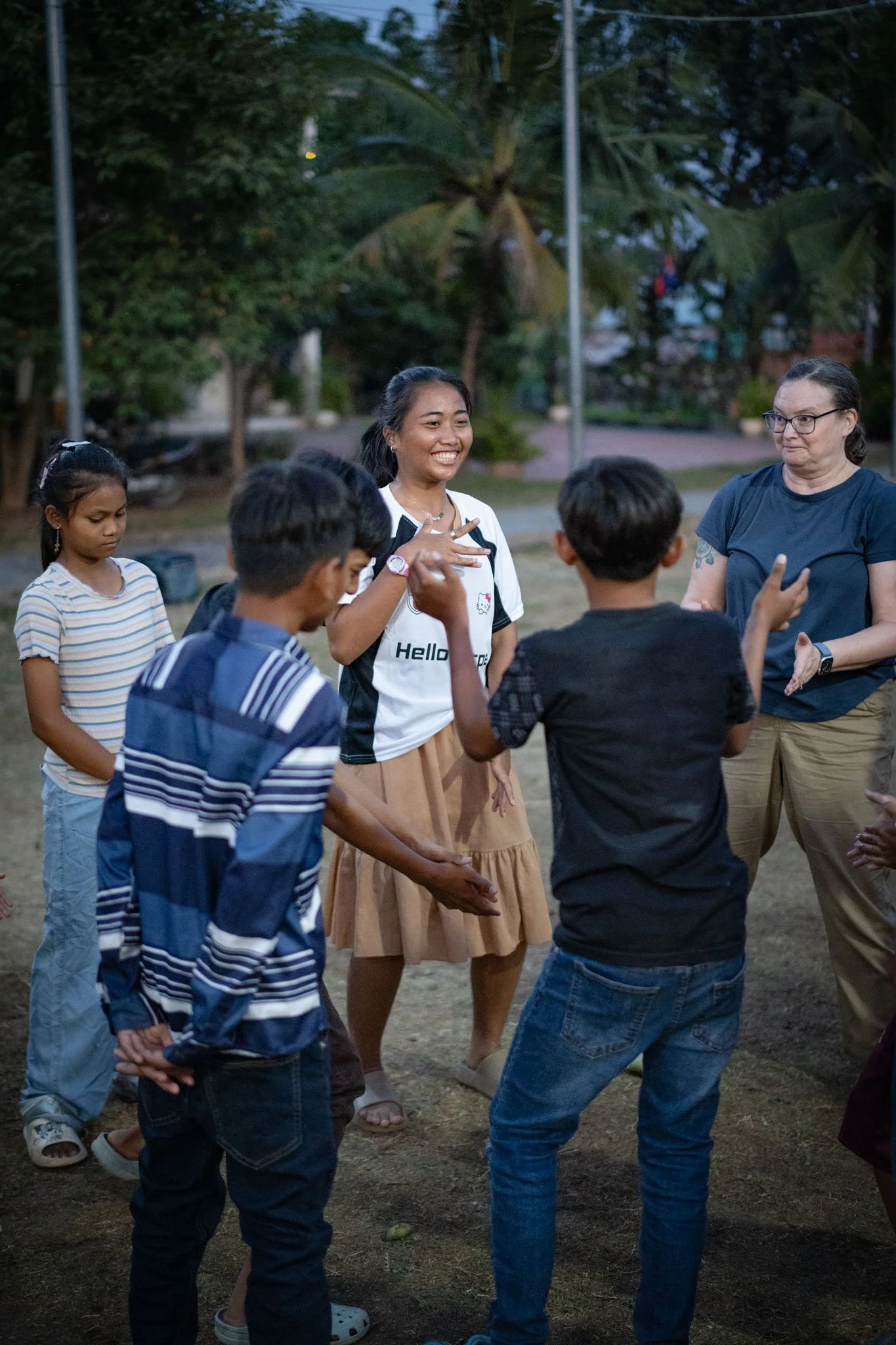
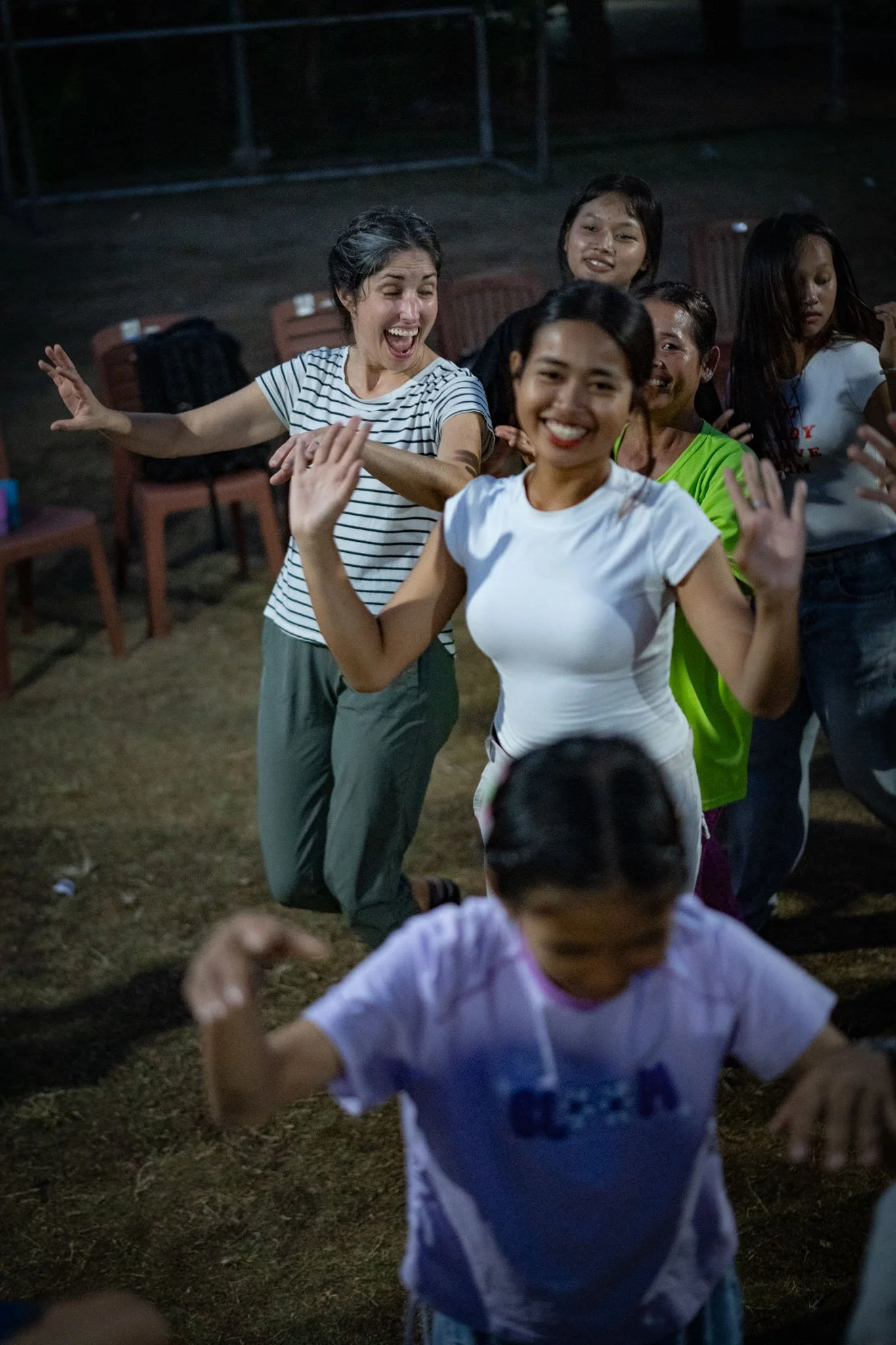
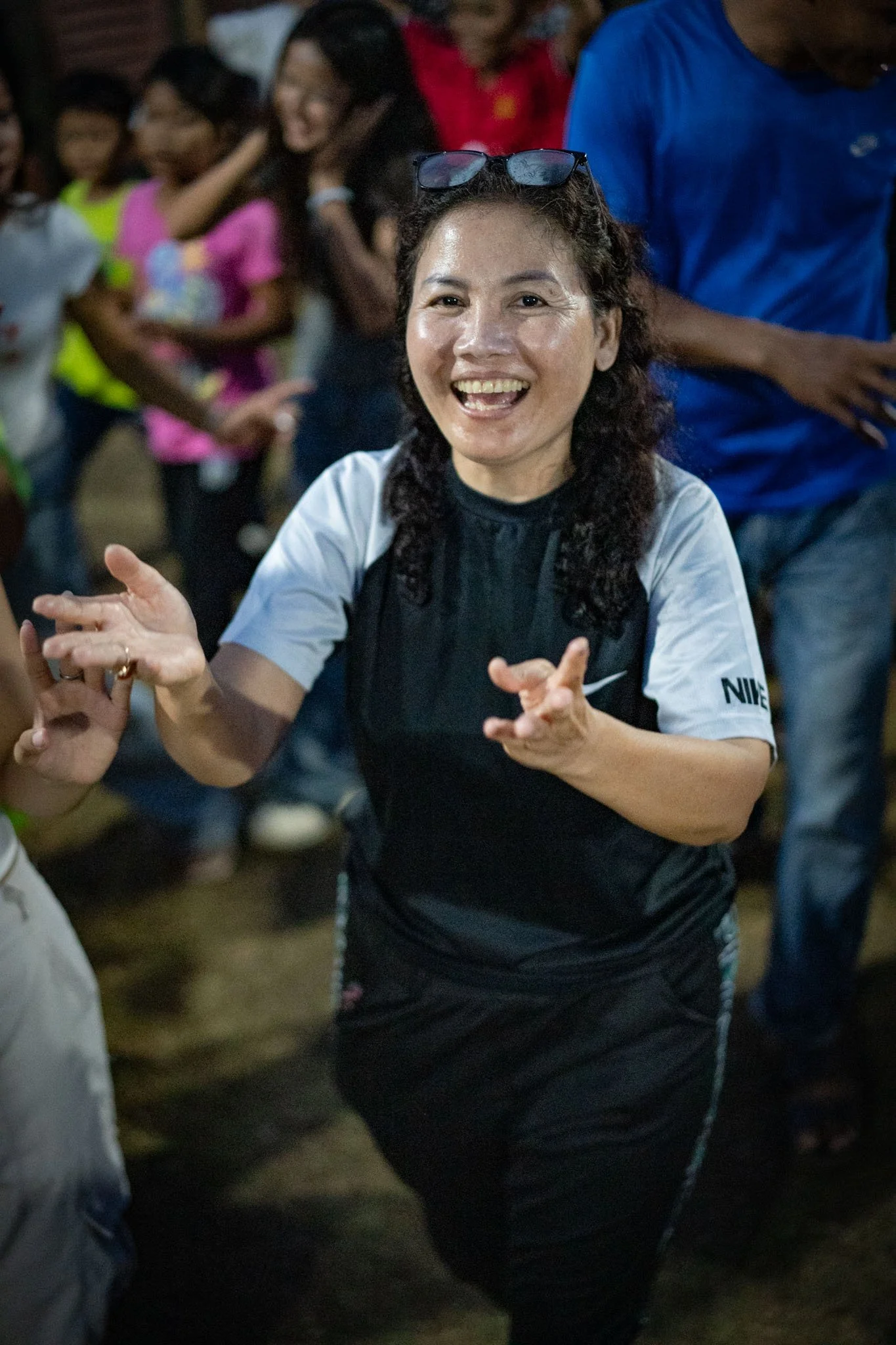
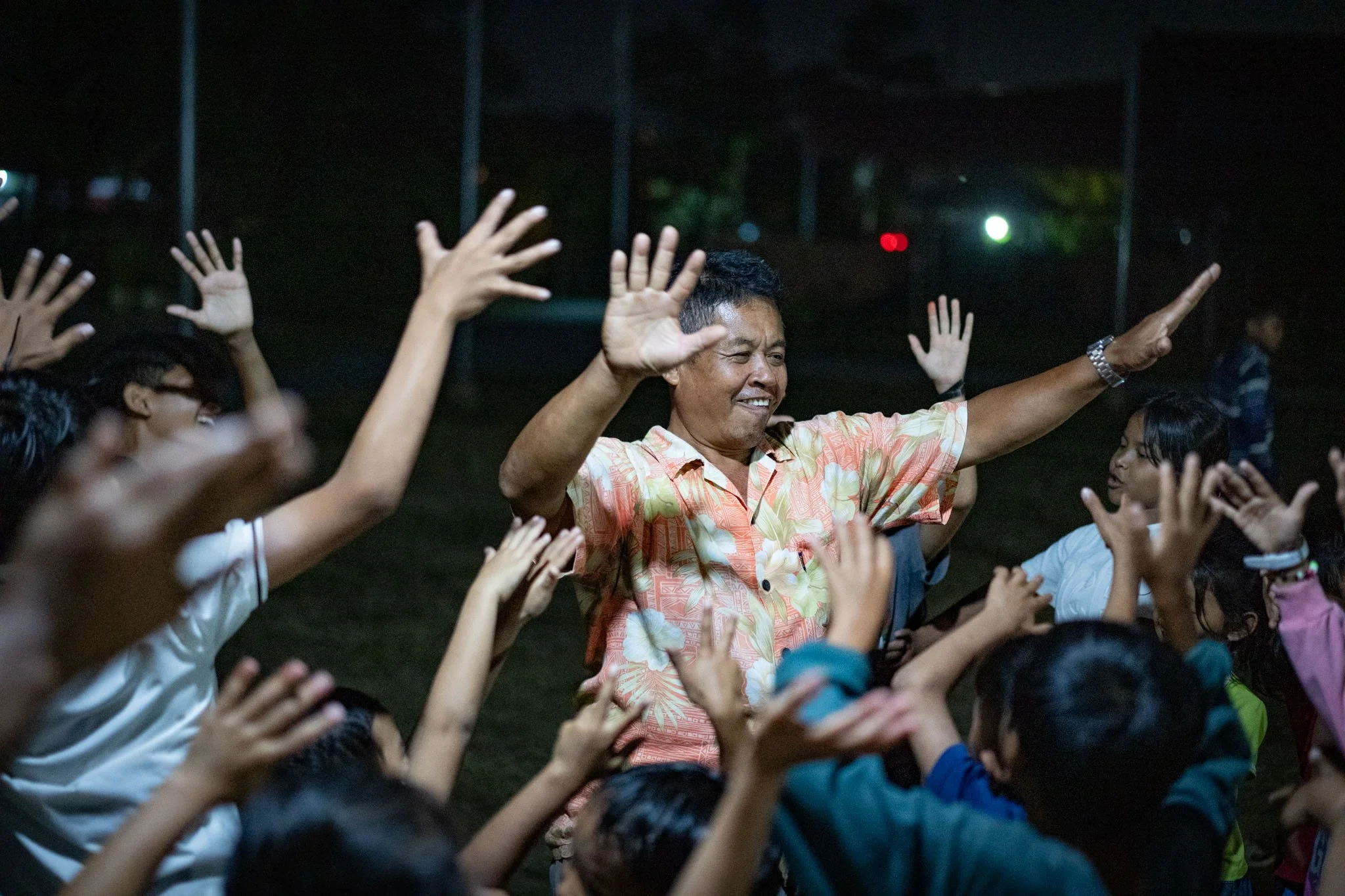
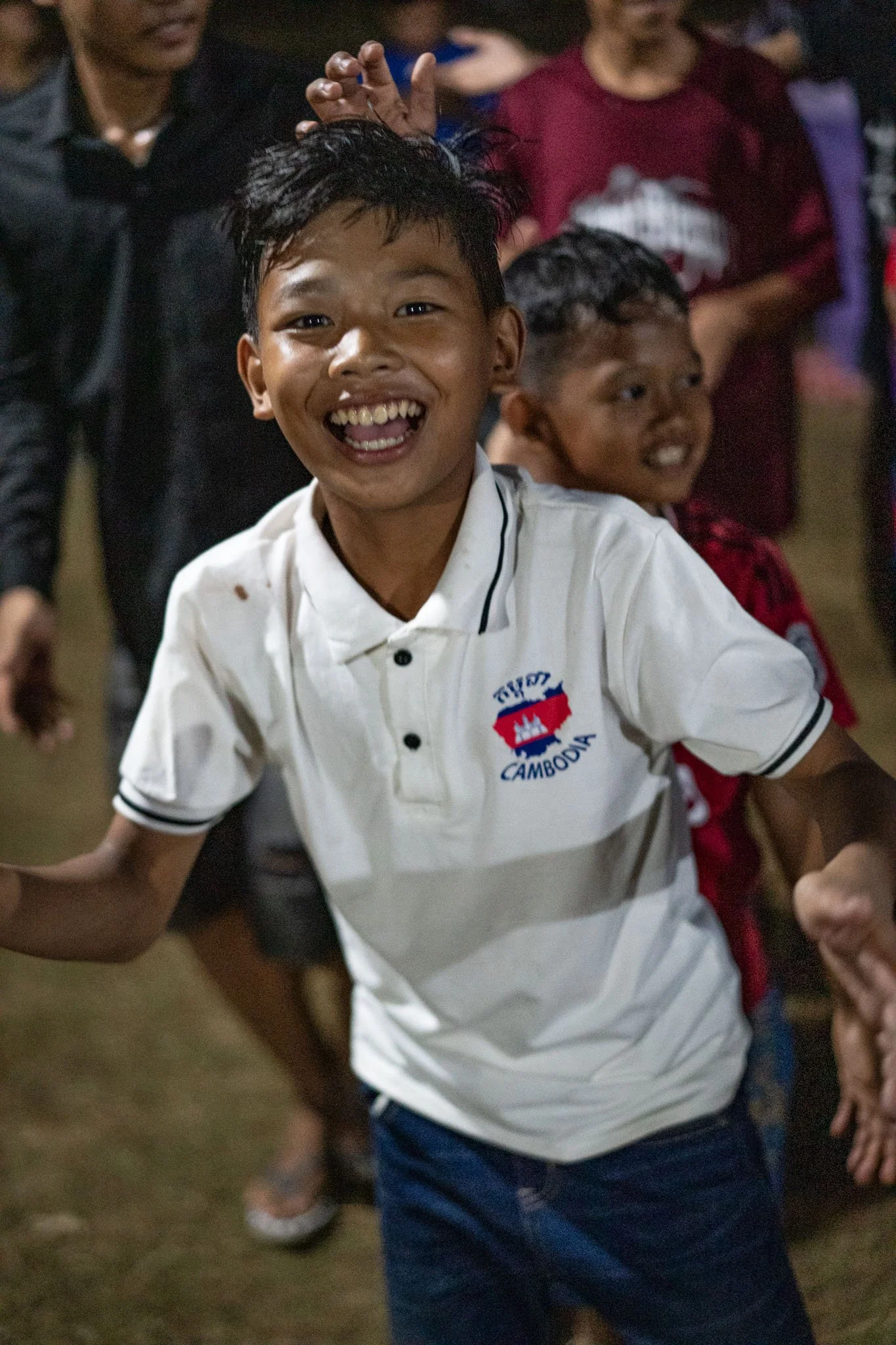
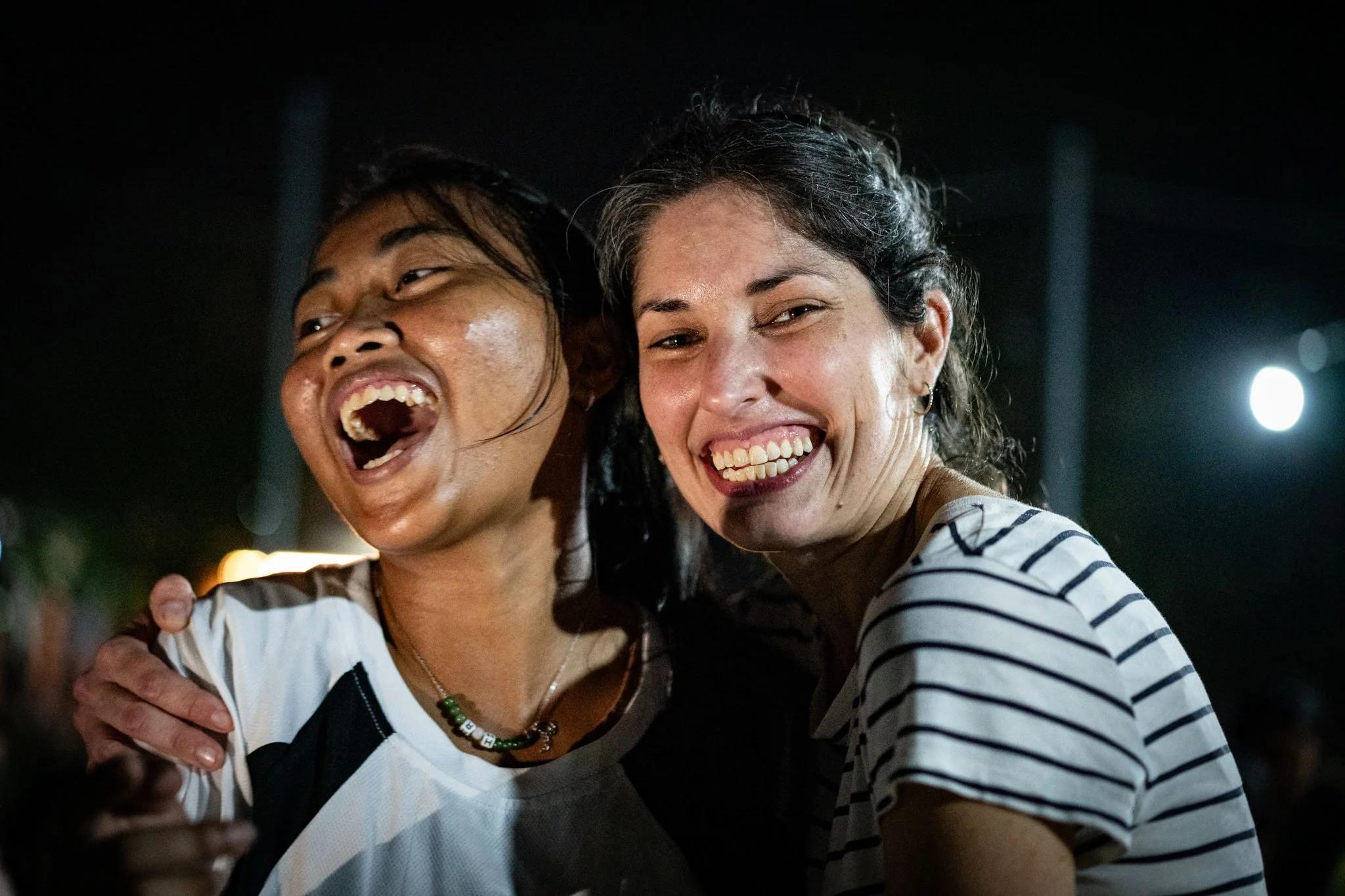
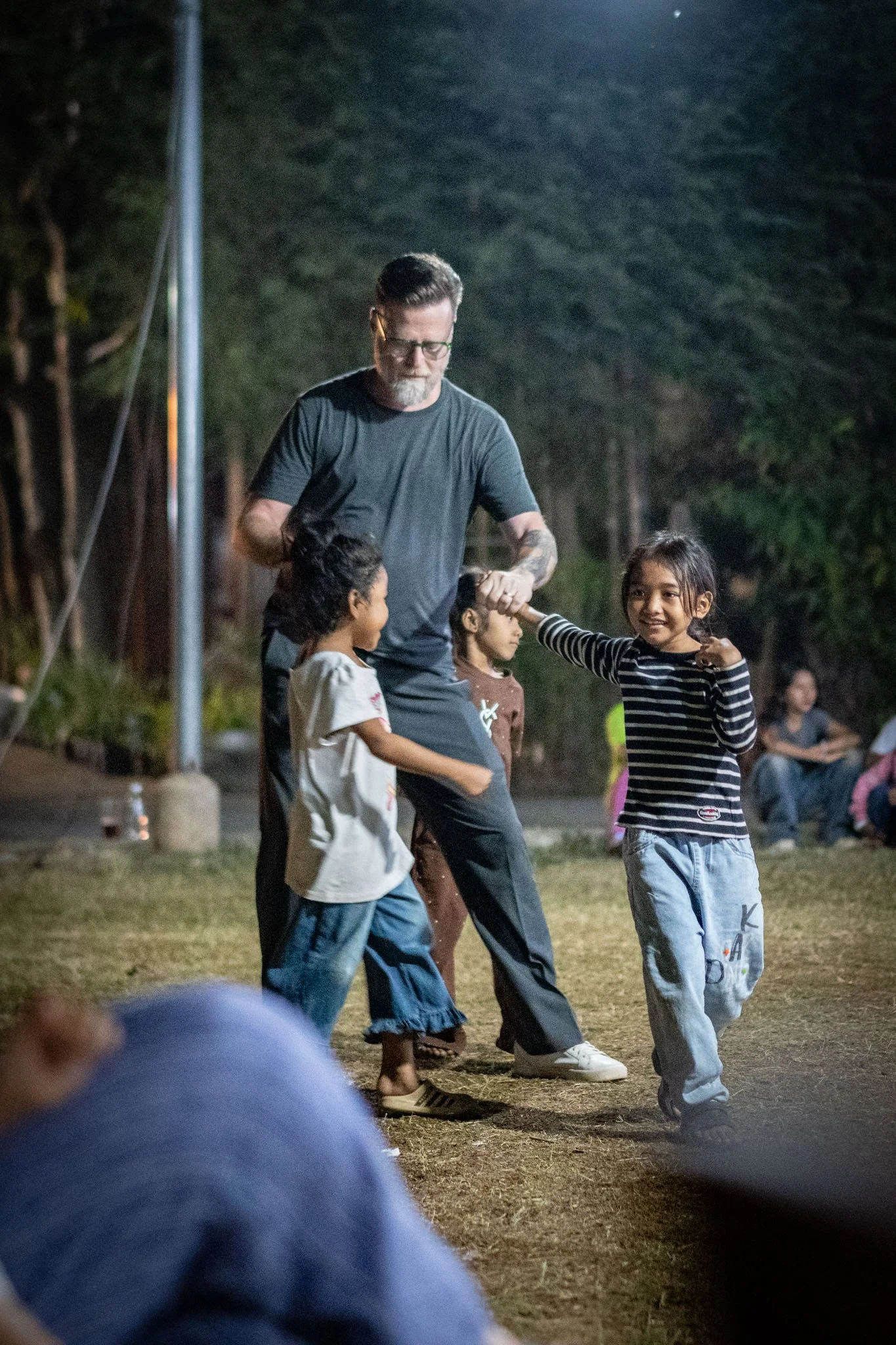
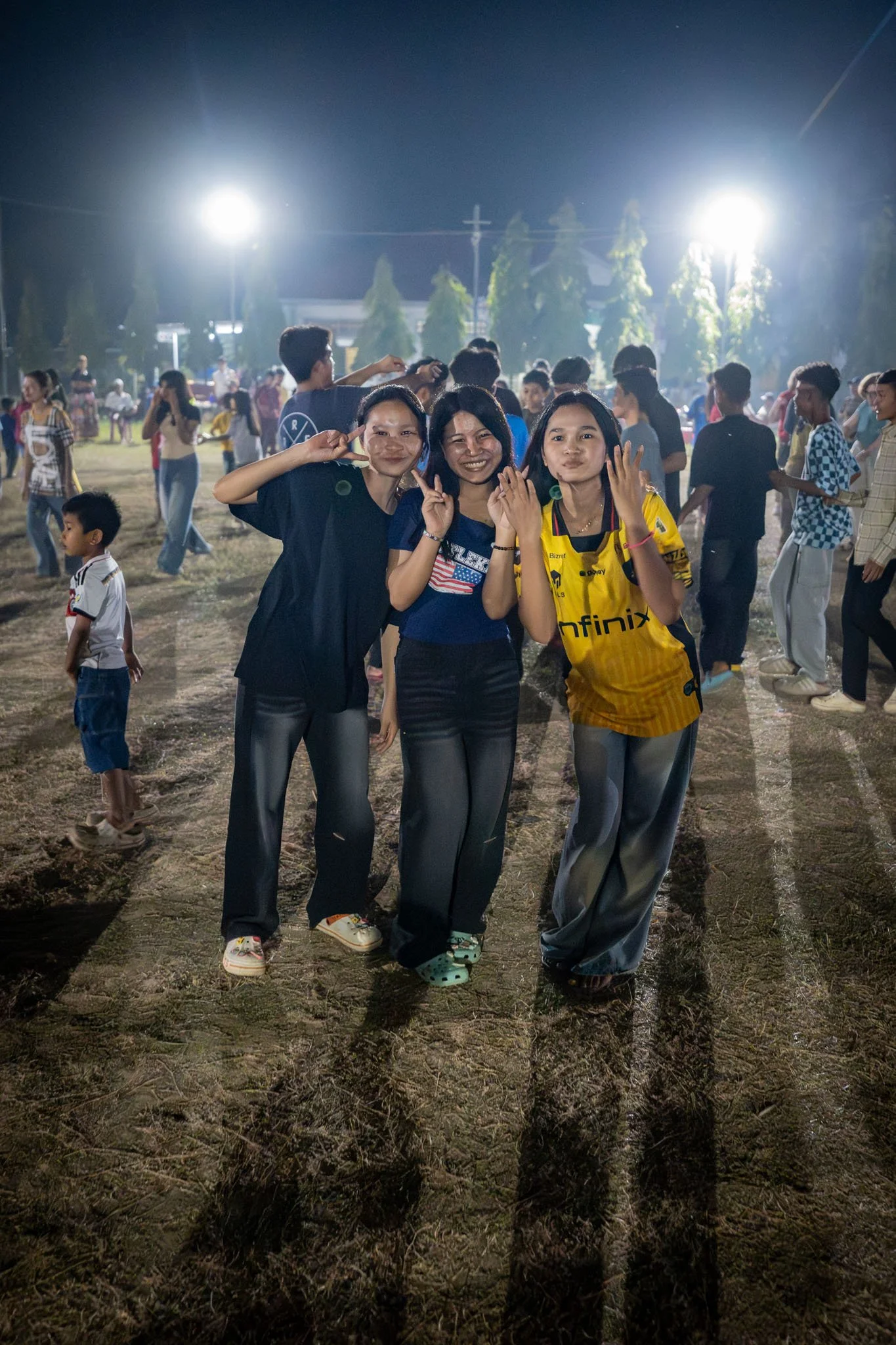
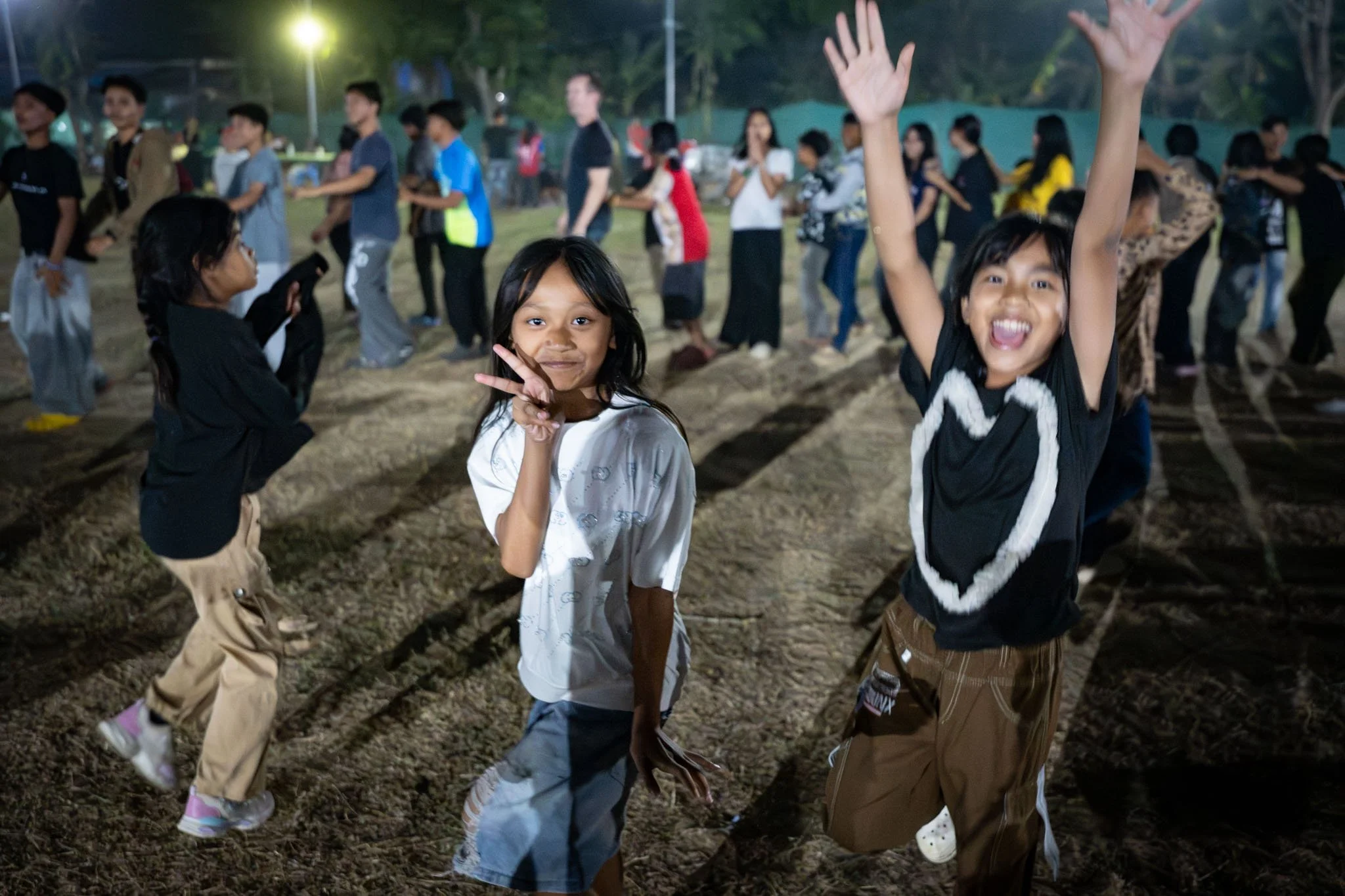
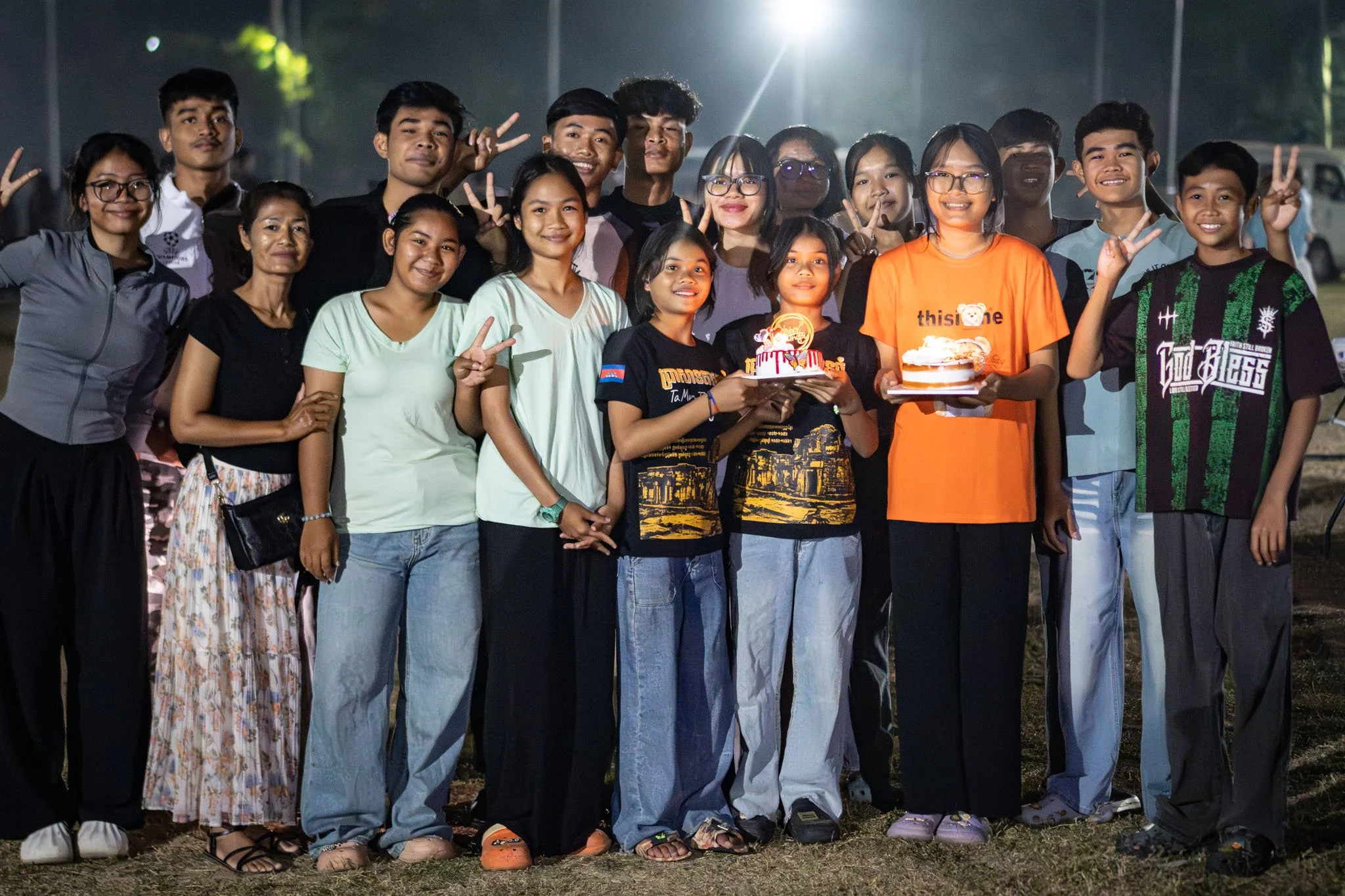
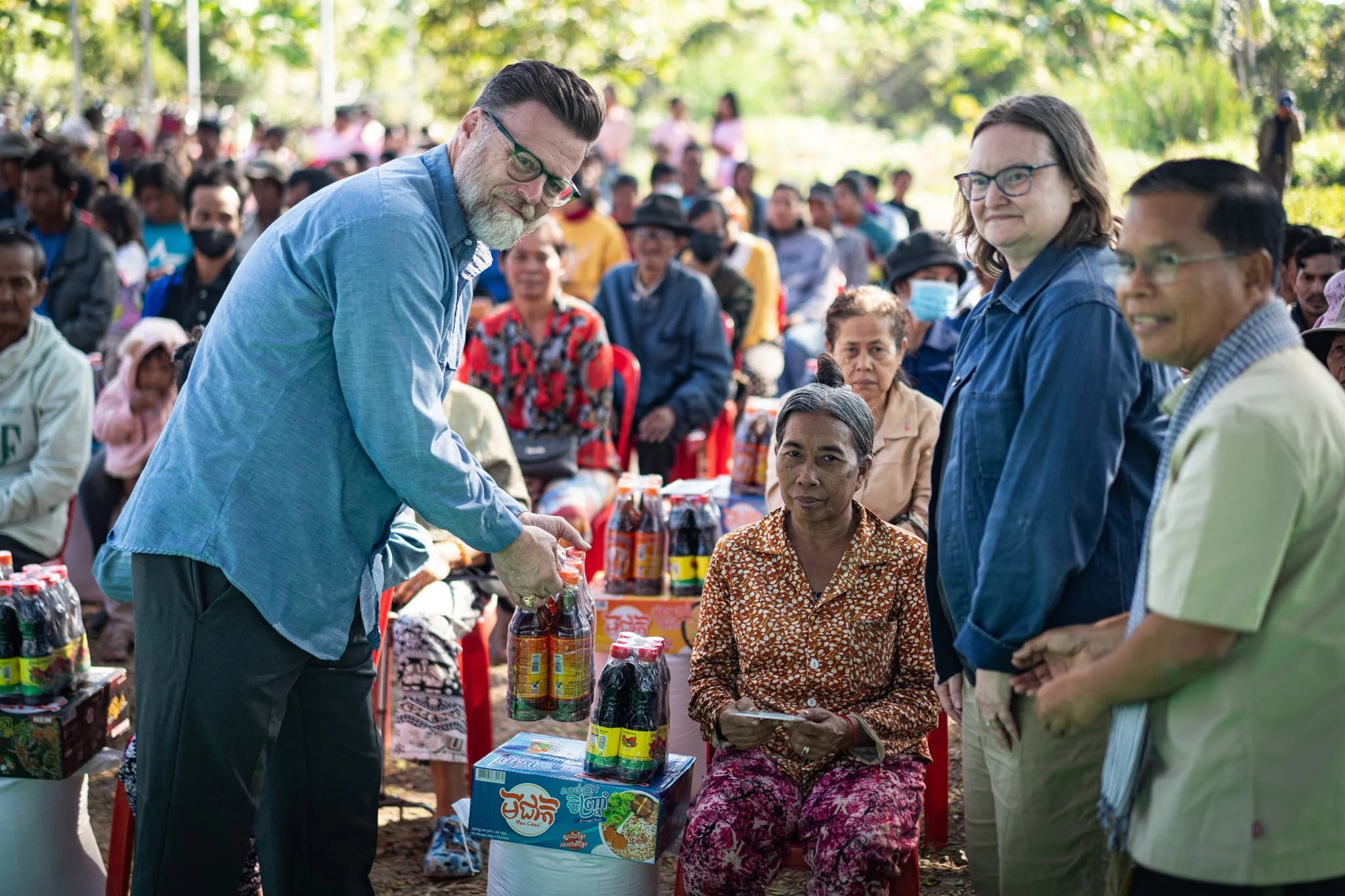
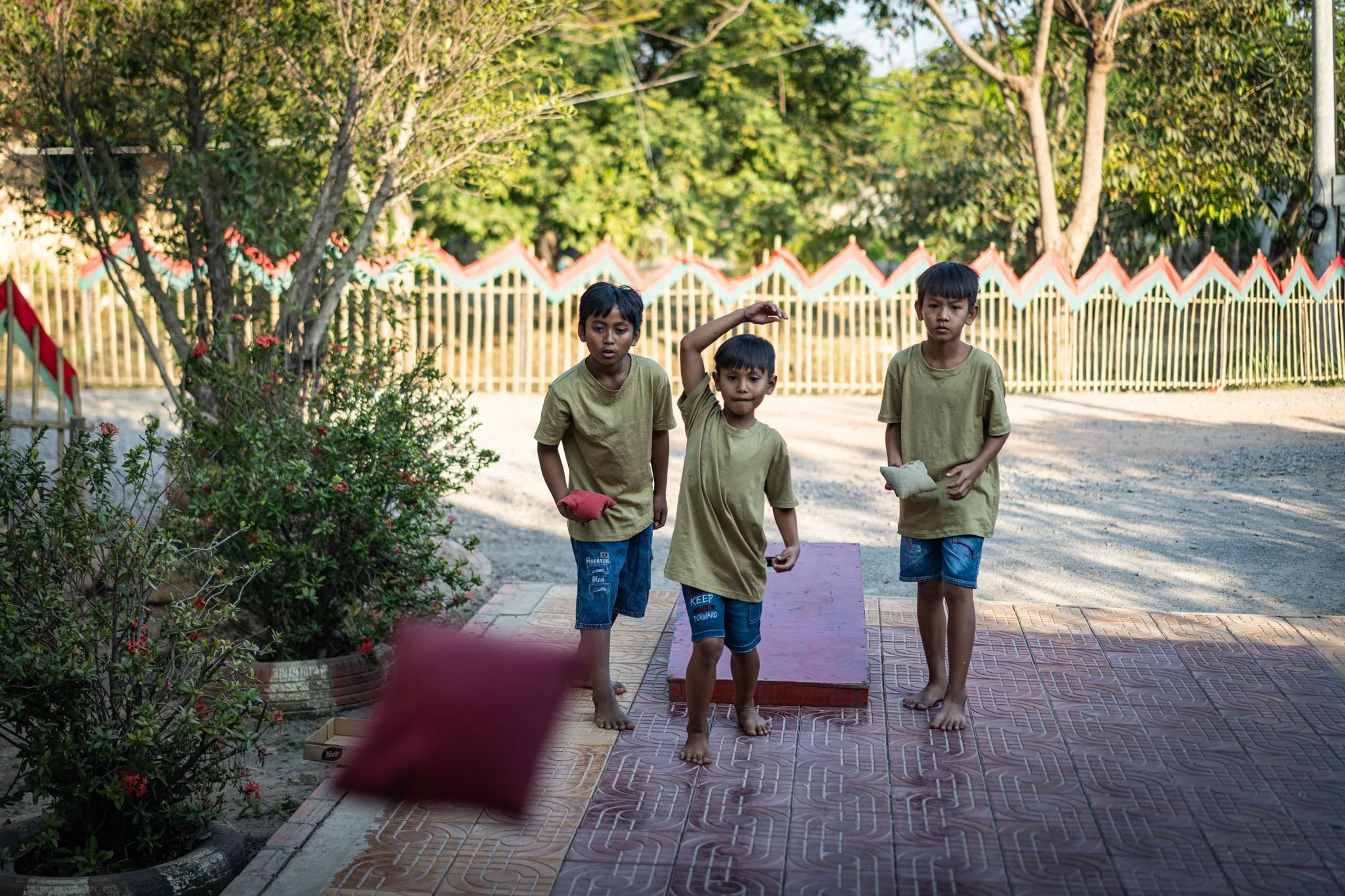
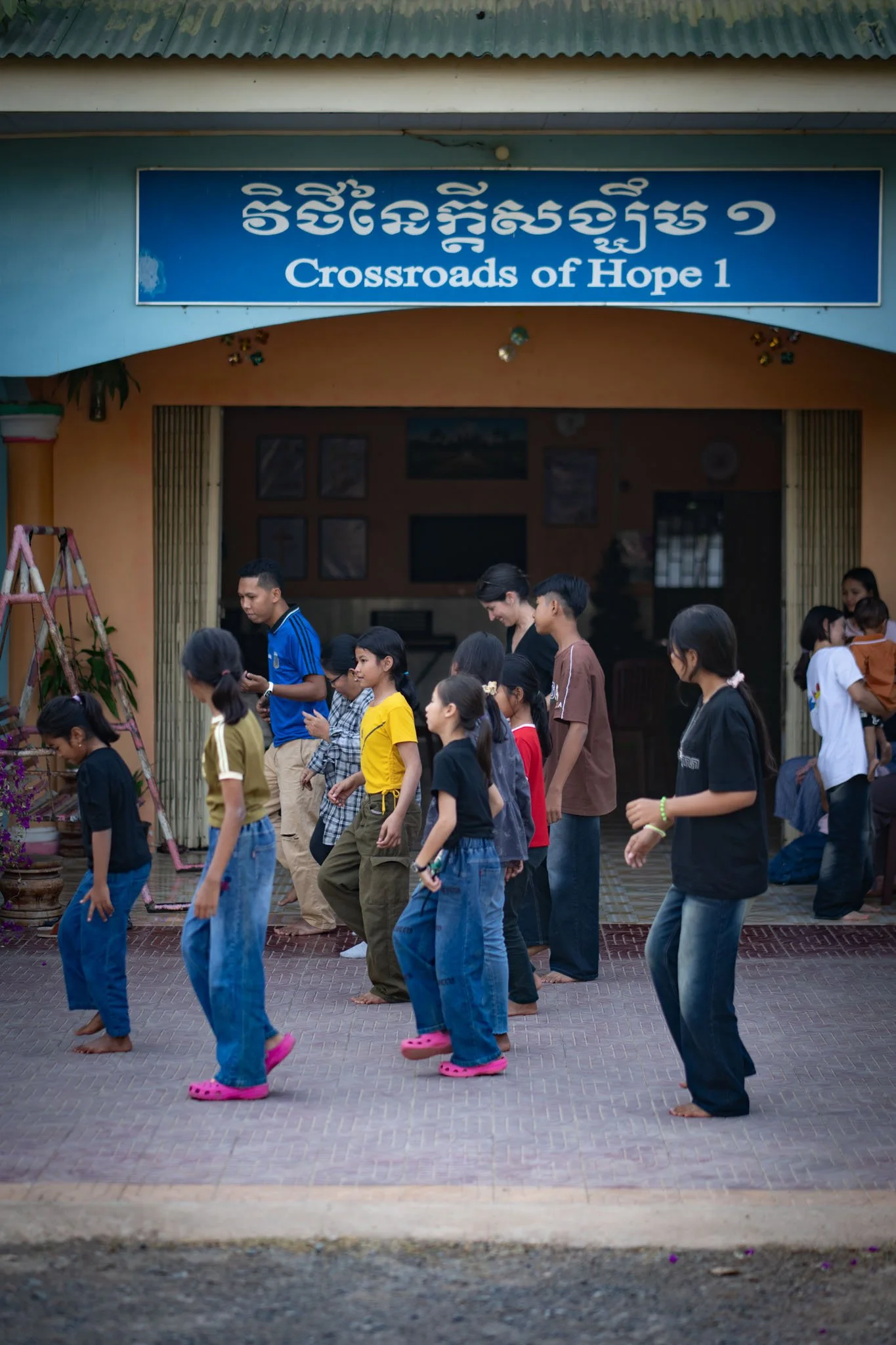
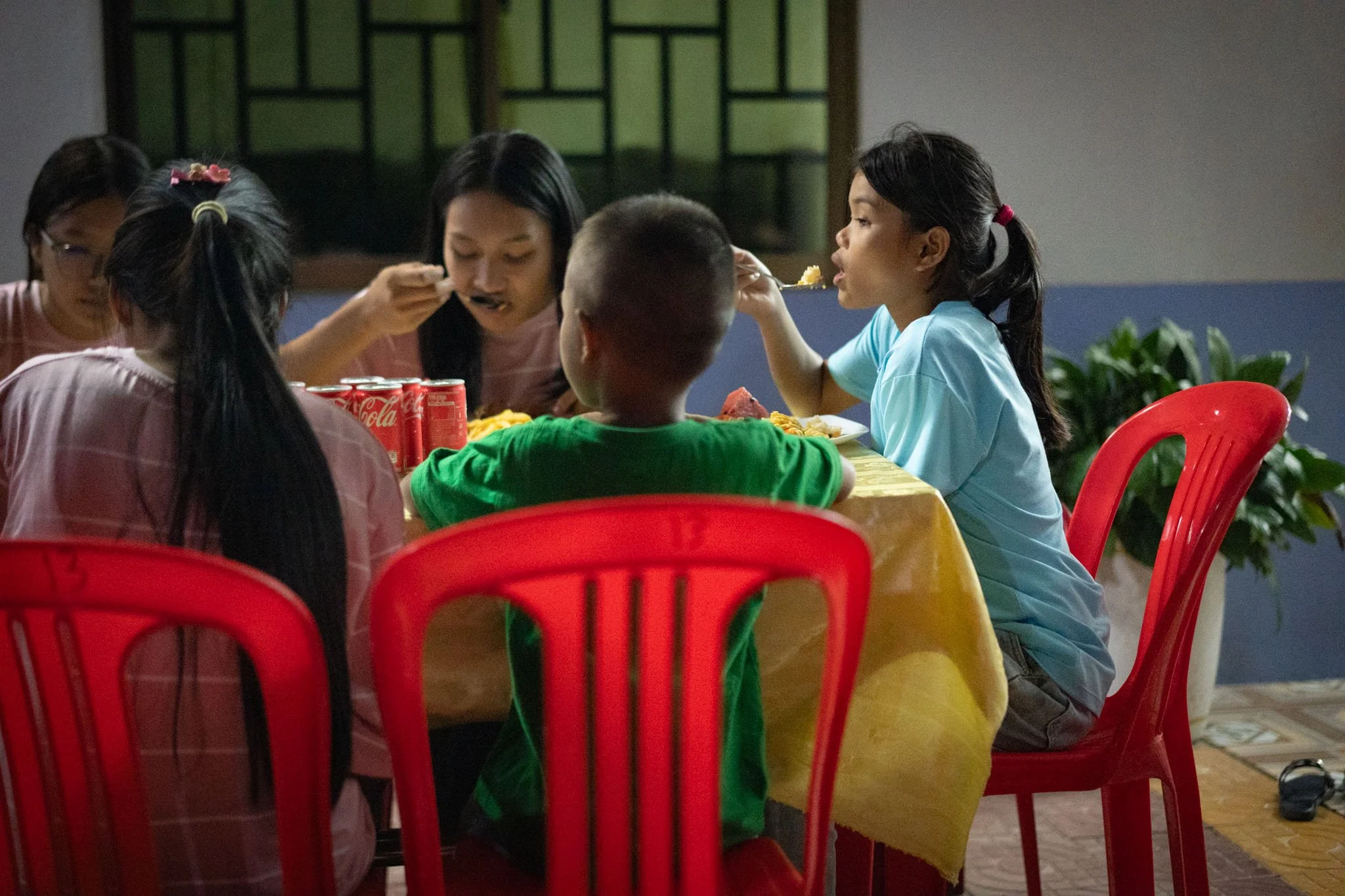
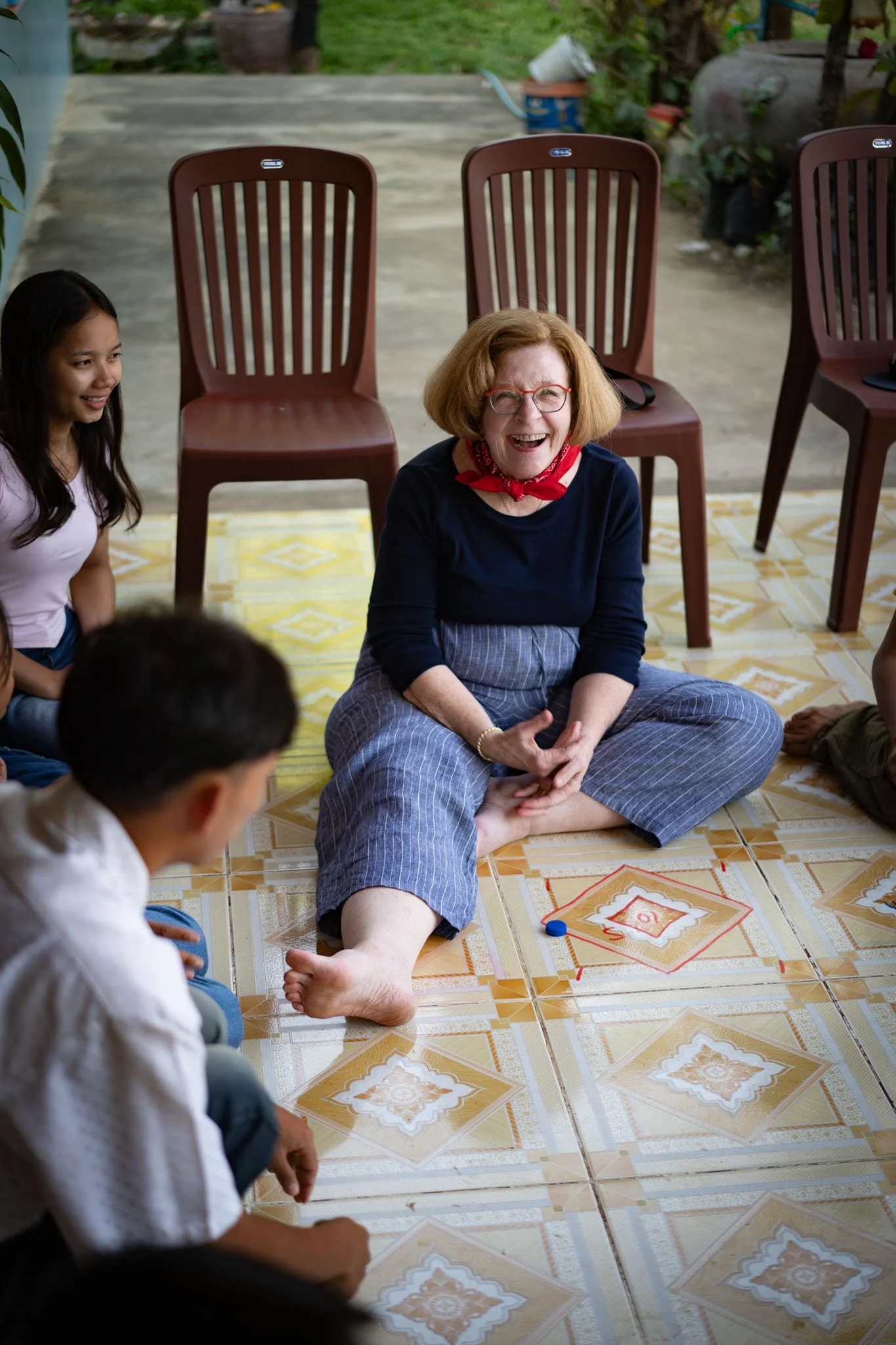
We’ve experienced a whole lot of love over a very short time in Battambang. We’ve given and received countless hugs, played dozens of games, sung songs and shared meals. A wedding, a village outreach, a church service, dinners and lunches with staff and kids – and an epic dance party with more than 200 people – we did it all in less than a week. 

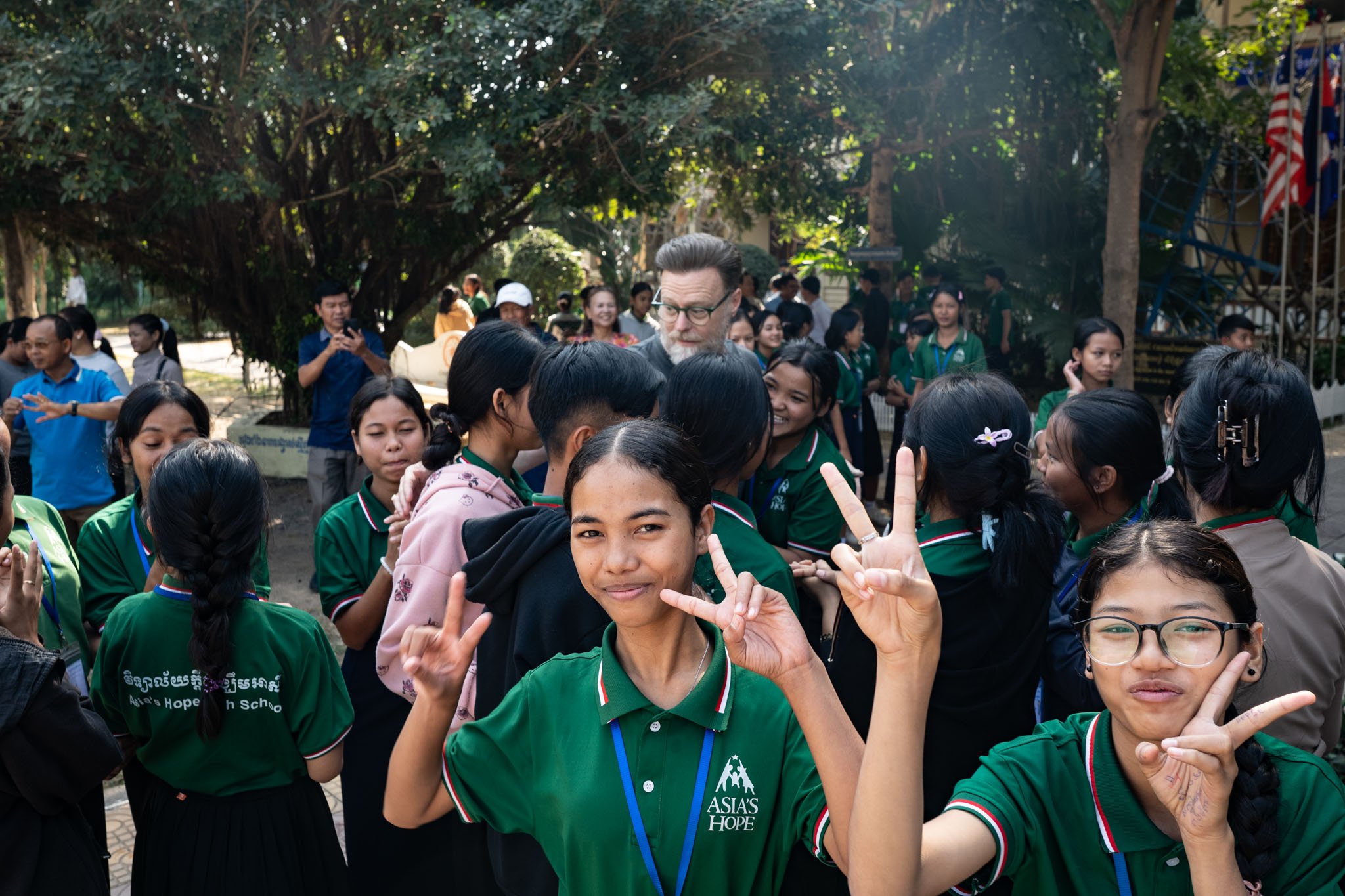
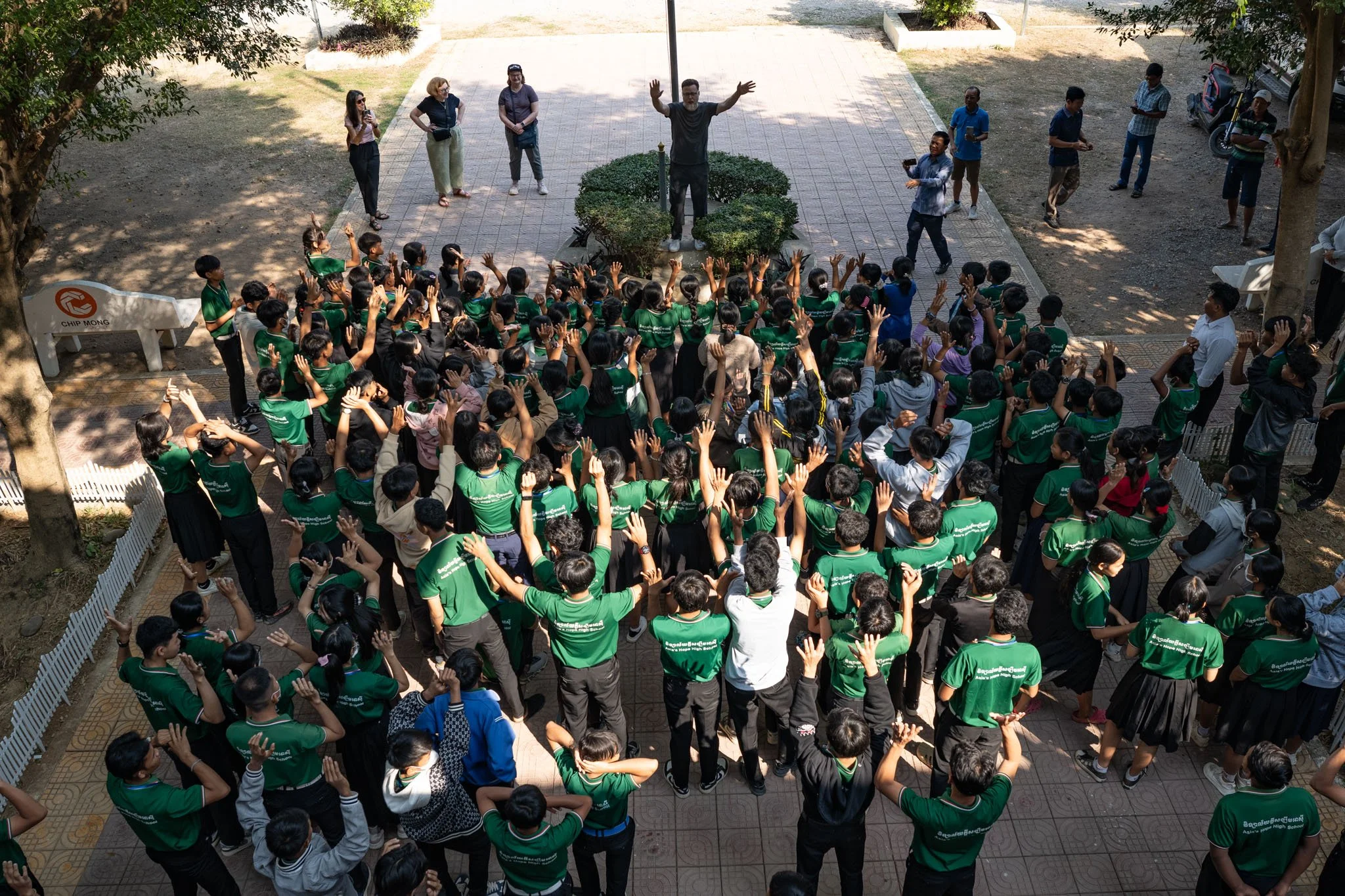
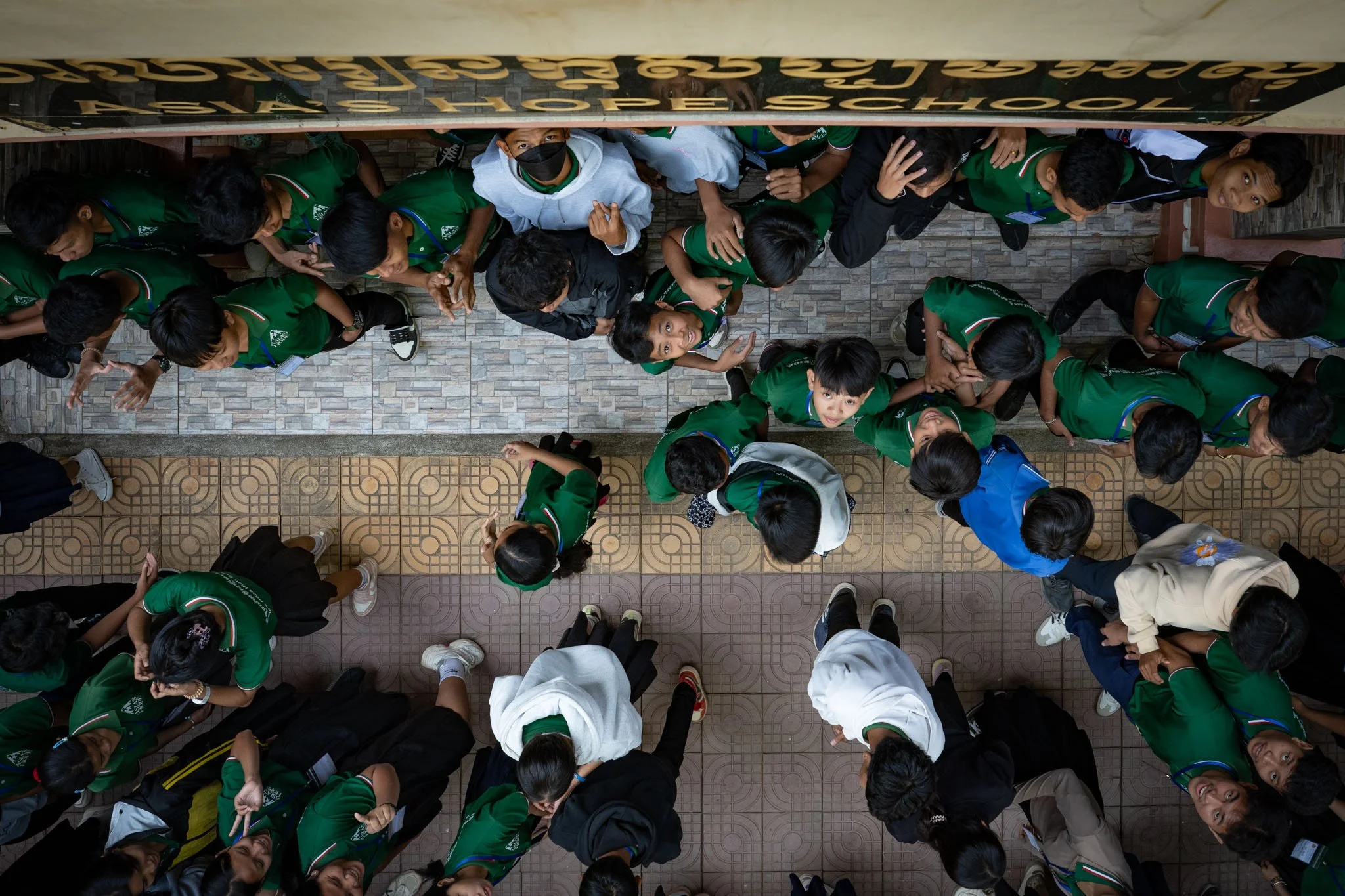
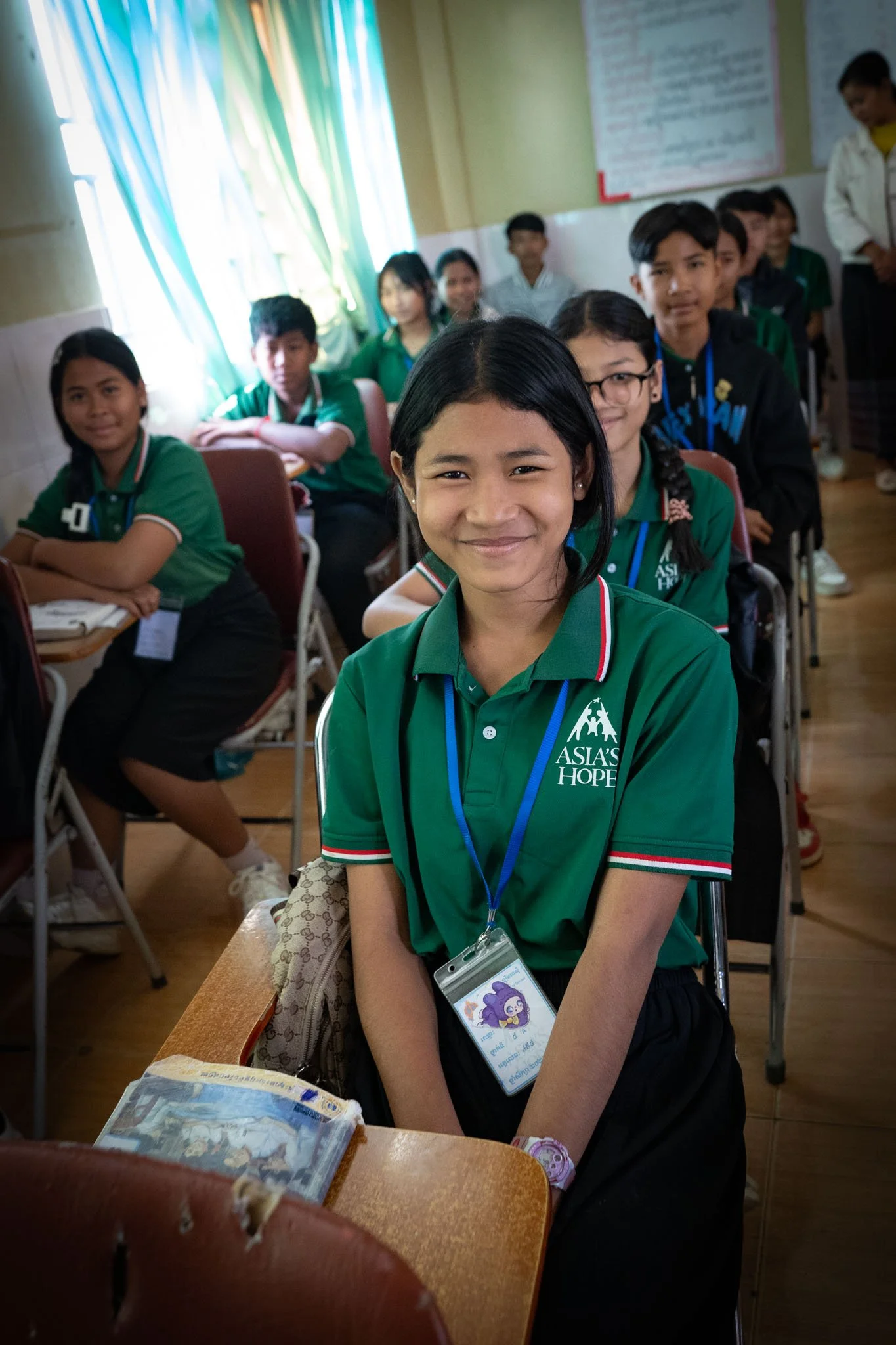
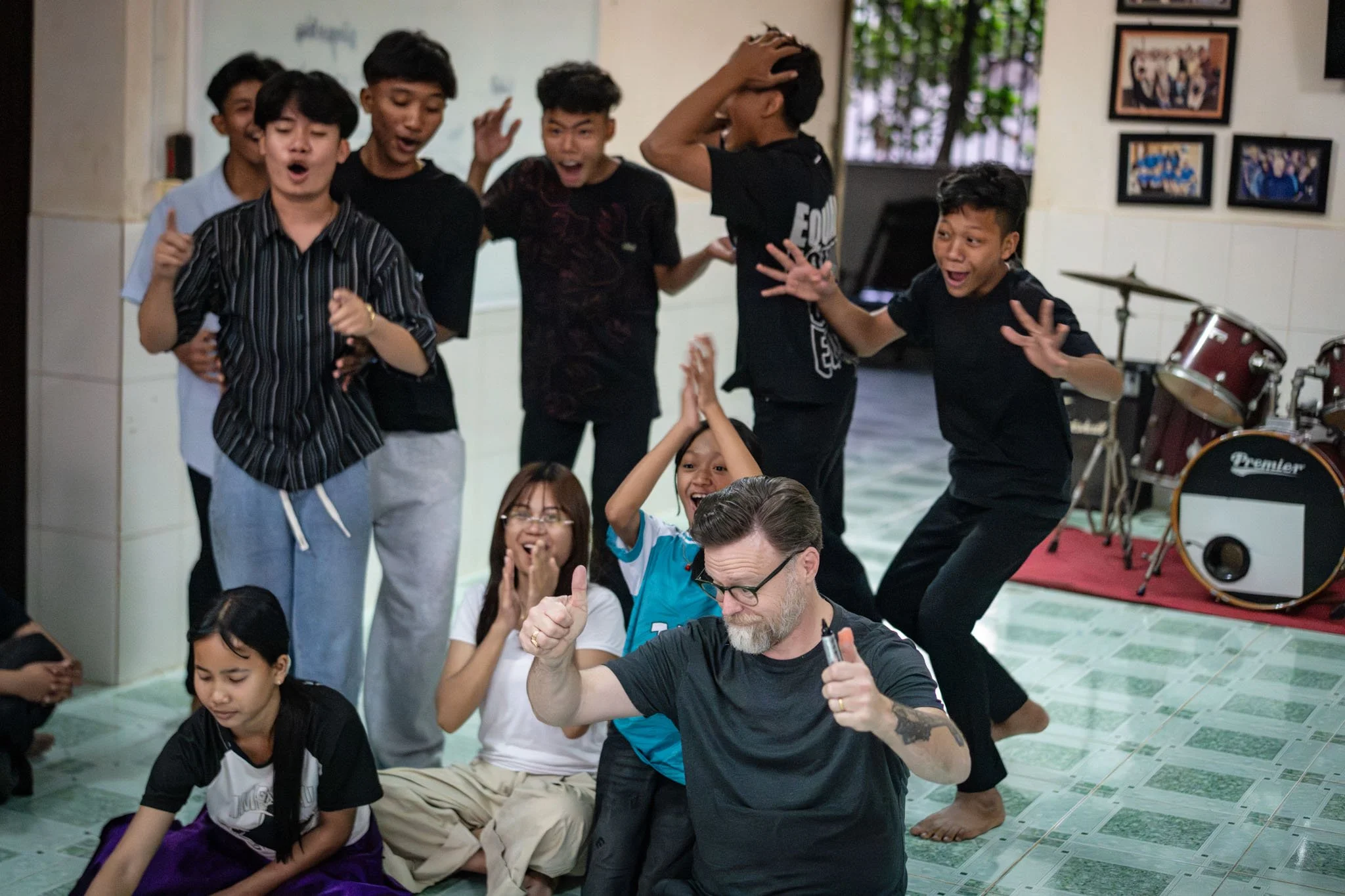
And this morning, we wrapped it up with one final game of Simon Says with the sixth-through-twelfth graders of the Asia’s Hope School. A slew of hugs and a couple tears, and now we’re on the road to Siem Reap where we’ll tour the ancient ruins of Angkor Wat before heading to Phnom Penh to round out this portion of the trip. 

Jeremiah will be heading to Thailand on Friday. Megan and Kris will be returning to the States in about a week. I wish we had more time together here in Cambodia, but we’re going to squeeze every last drop out of each day together. More pics and stories to come soon!

John McCollumComment
A Road Trip and A Wedding

Our arrival at the Phnom Penh airport

I had told my team that the first few days would be a bit intense: 30 hours of air transit, a late-night arrival in Phnom Penh, a journey by car across Cambodia the next morning, about half a day to recuperate – and then a wedding extravaganza, complete with dancing, live music and a magnificent feast.

I was a bit worried about everyone’s stamina. 

Kris had never traveled to Asia, and would be doubling or tripling the length of her longest flight to date. Kori was on the tail end of a sinus infection. Megan’s whole family had just gotten over the flu. And I’ve been dealing with some longstanding foot pain. 

But so far, we’re all happy and healthy. And until about halfway through last night’s banquet, really hungry! (Eight hours hence and I’m still not sure I’ll need breakfast this morning)

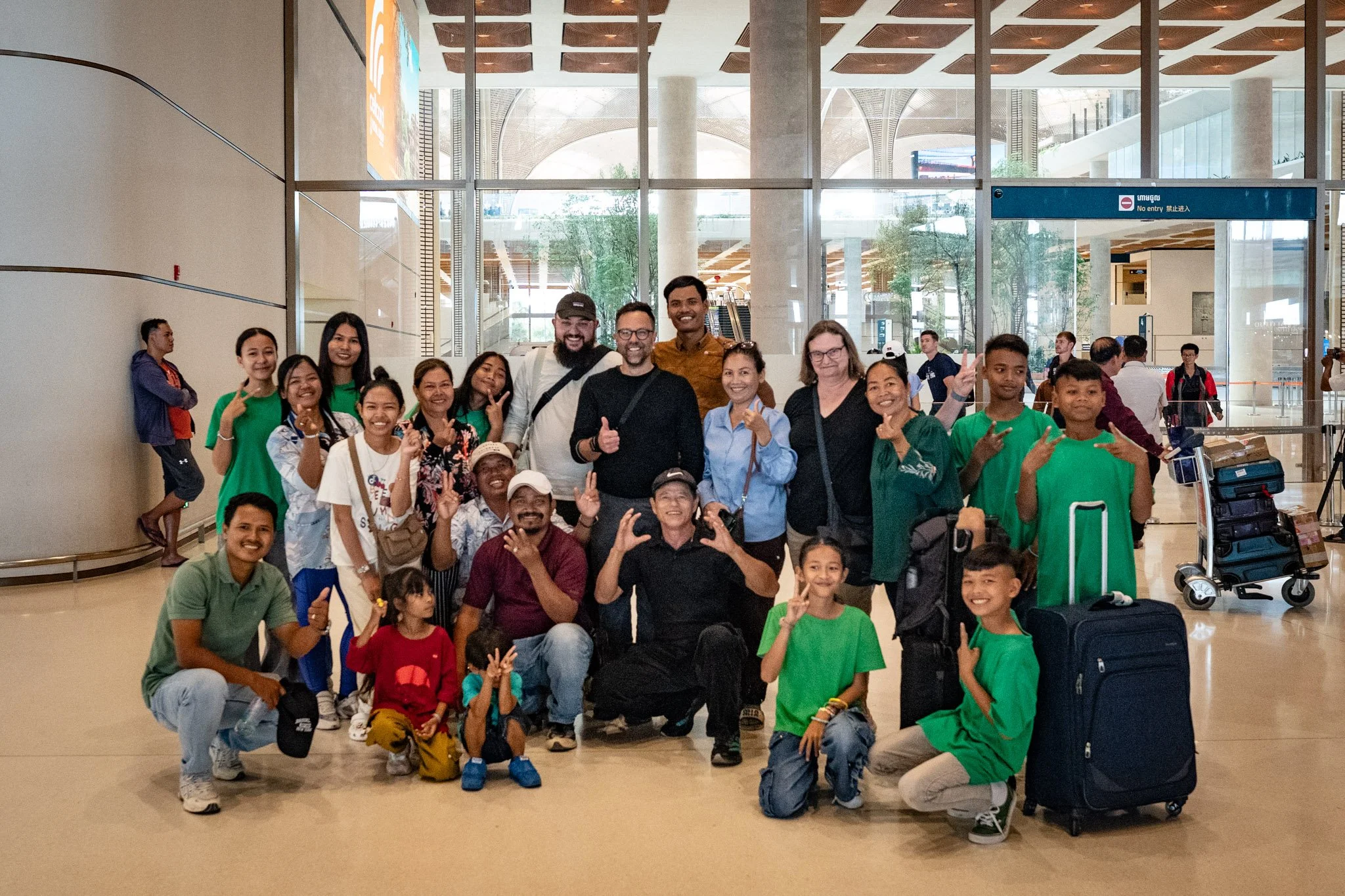
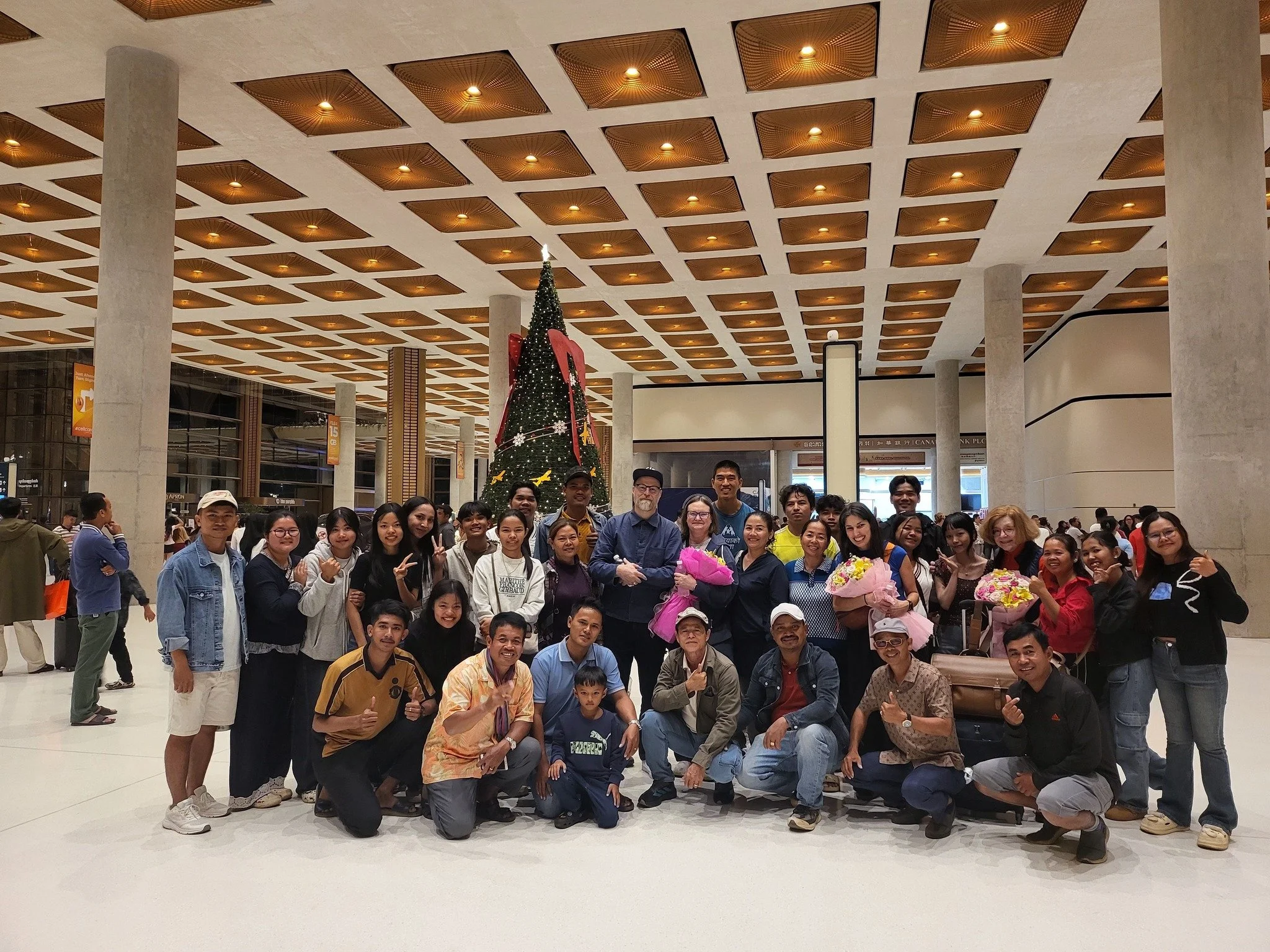
We all made it through the grueling flight in decent shape and excellent spirts, and were greeted outside the terminal of Phnom Penh’s sparkling new international airport by a cheerful retinue of Asia’s Hope staff and kids.

Kori and I were embraced by dozens of familiar friends and family members – staff we’ve labored with for decades, teenagers we’ve watched grow from traumatized urchins to confident and accomplished young adults. 

Kris and Megan had never met any of these guys in person, and it was wonderful to see them make a few connections face-to-face that they’d been developing via emails and video chats over the past two years.

And, towering over all the other Asians, we immediately recognized the smile of our perpetually cheerful colleague Jeremiah, who has been visiting family and working from nearby Thailand for the past few months. He’s joining us for about a week and half before returning to his wife and kids in Chiang Mai. With him in the mix, the home team is back together!

After a thousand hugs and a couple dozen photos, our staff packed our bags into an Asia’s Hope van, handed me the keys and said, “See you in Battambang!”

After a 30 minute drive with basically no traffic – a real benefit of arriving in a major city after midnight – we made it to our hotel in the center of the Phnom Penh, collapsed into our beds and managed to muddle out five or six hours of sleep before morning – and the road – called our names.

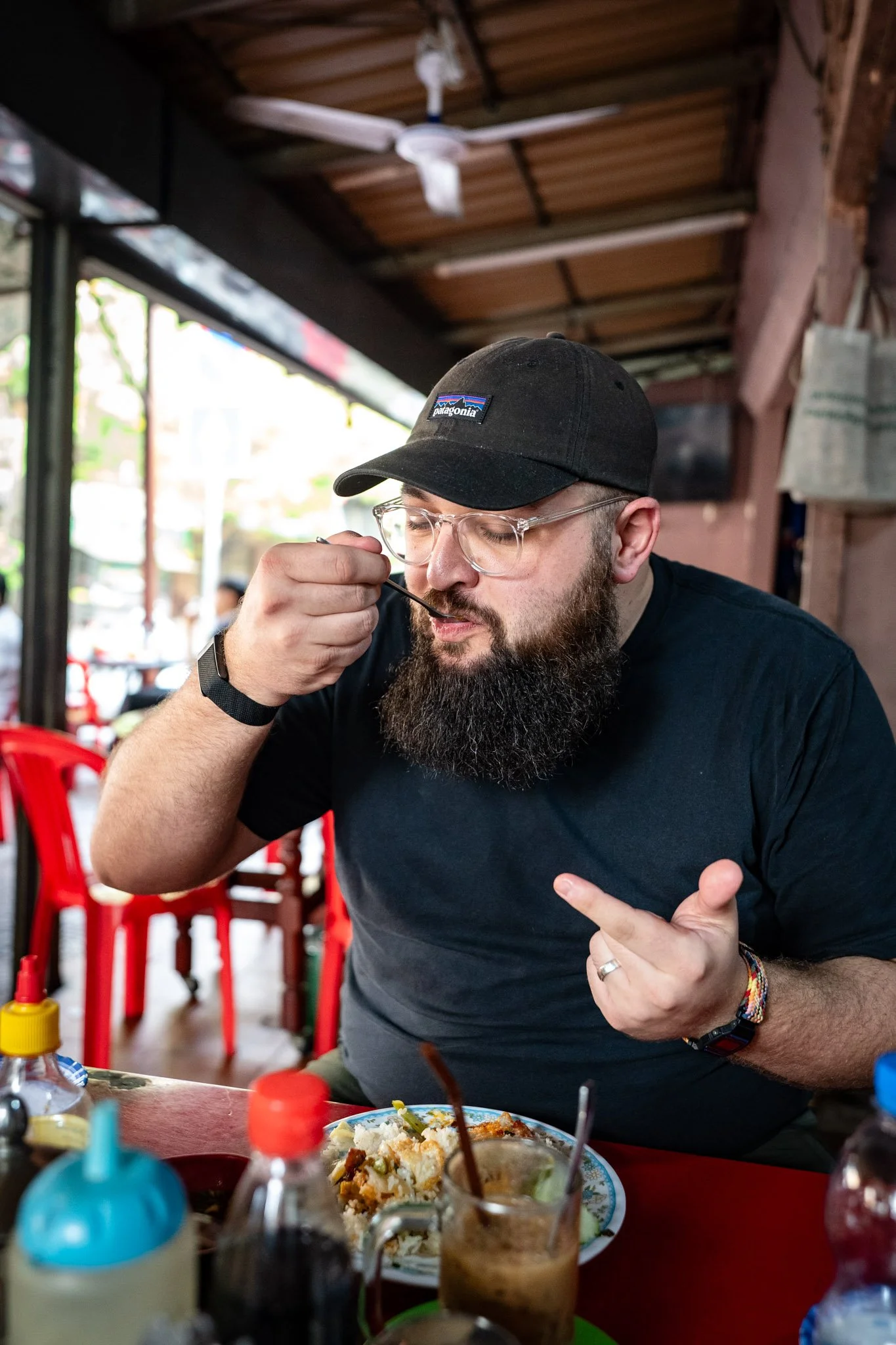
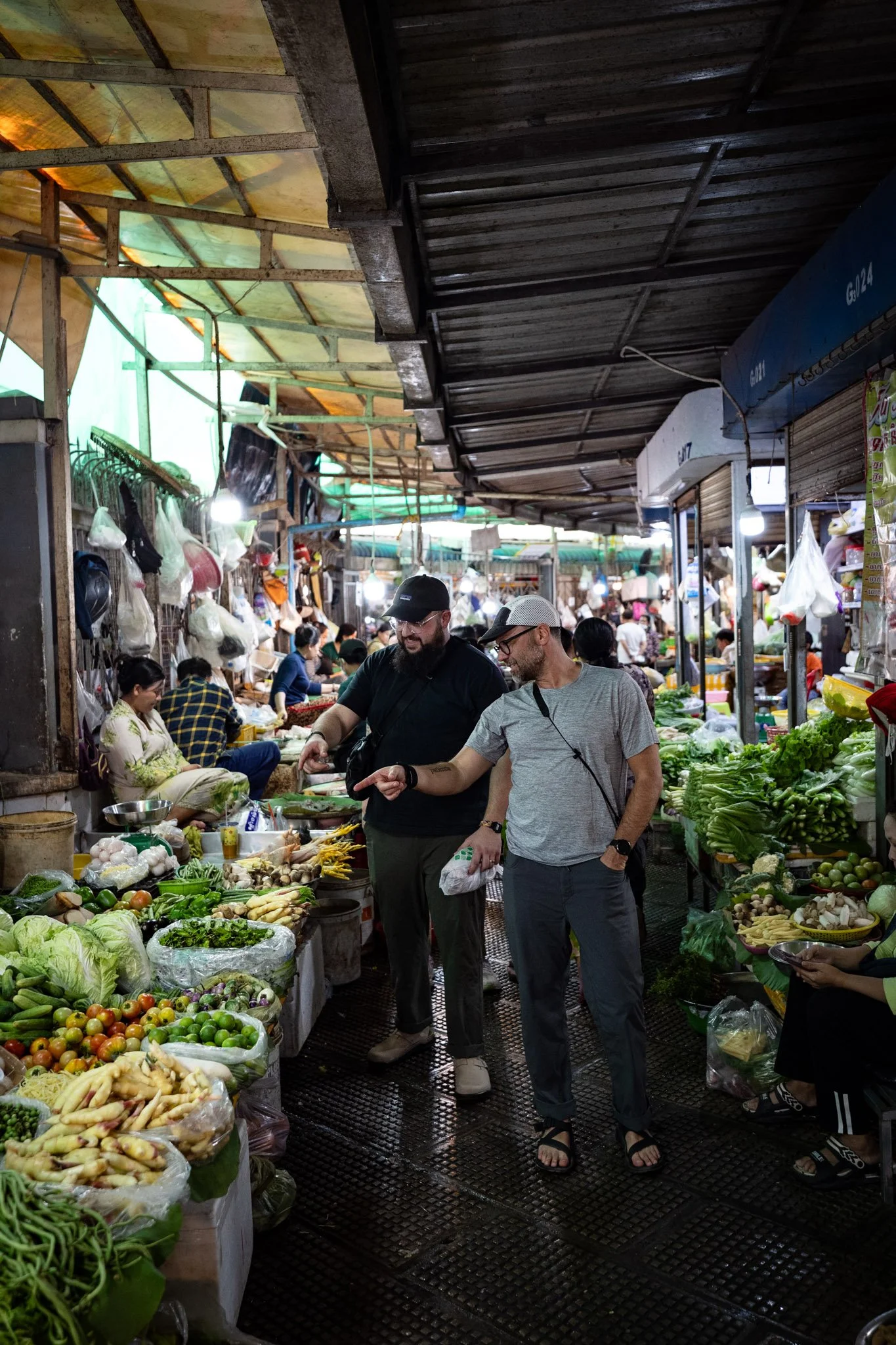
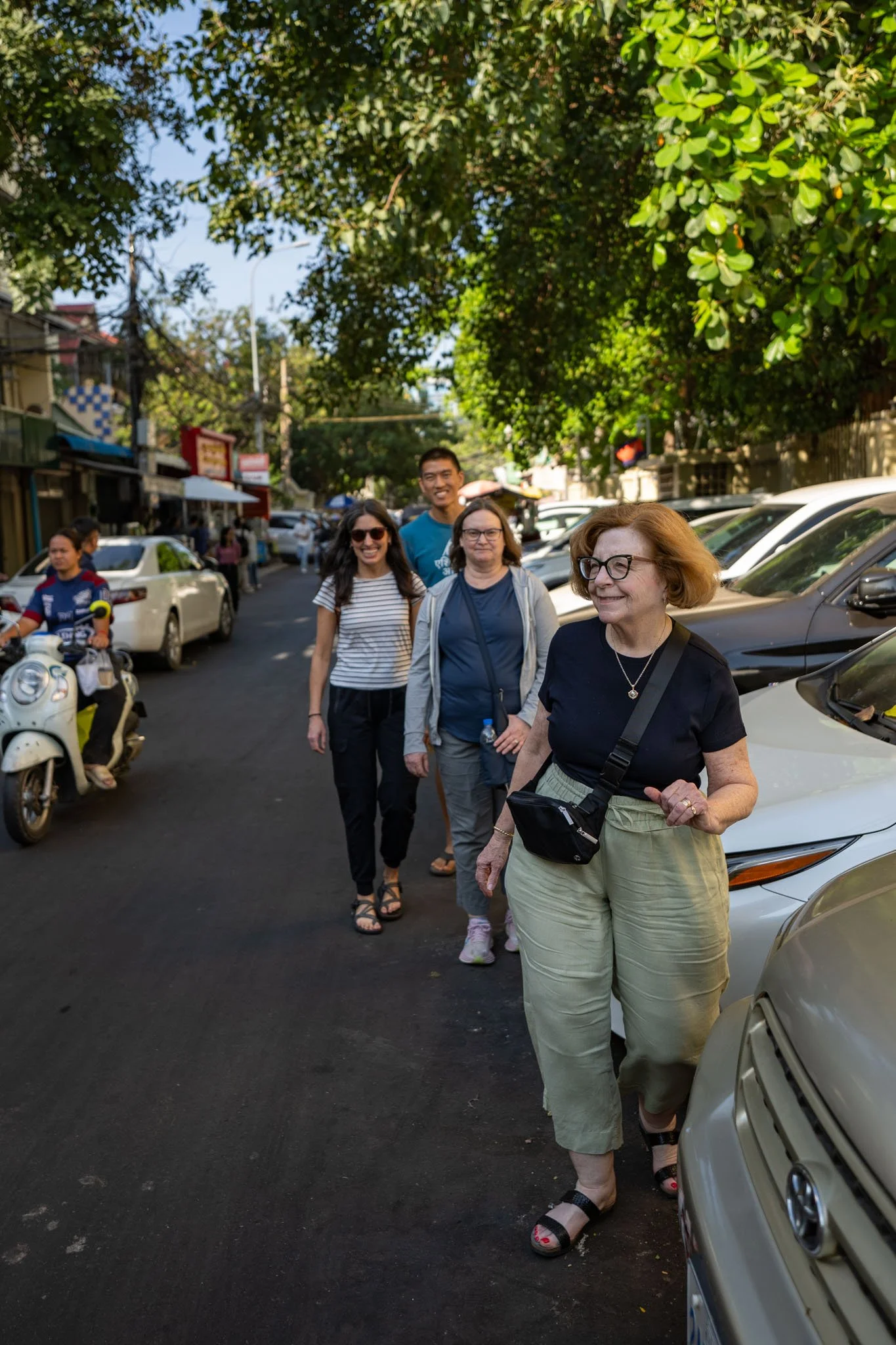
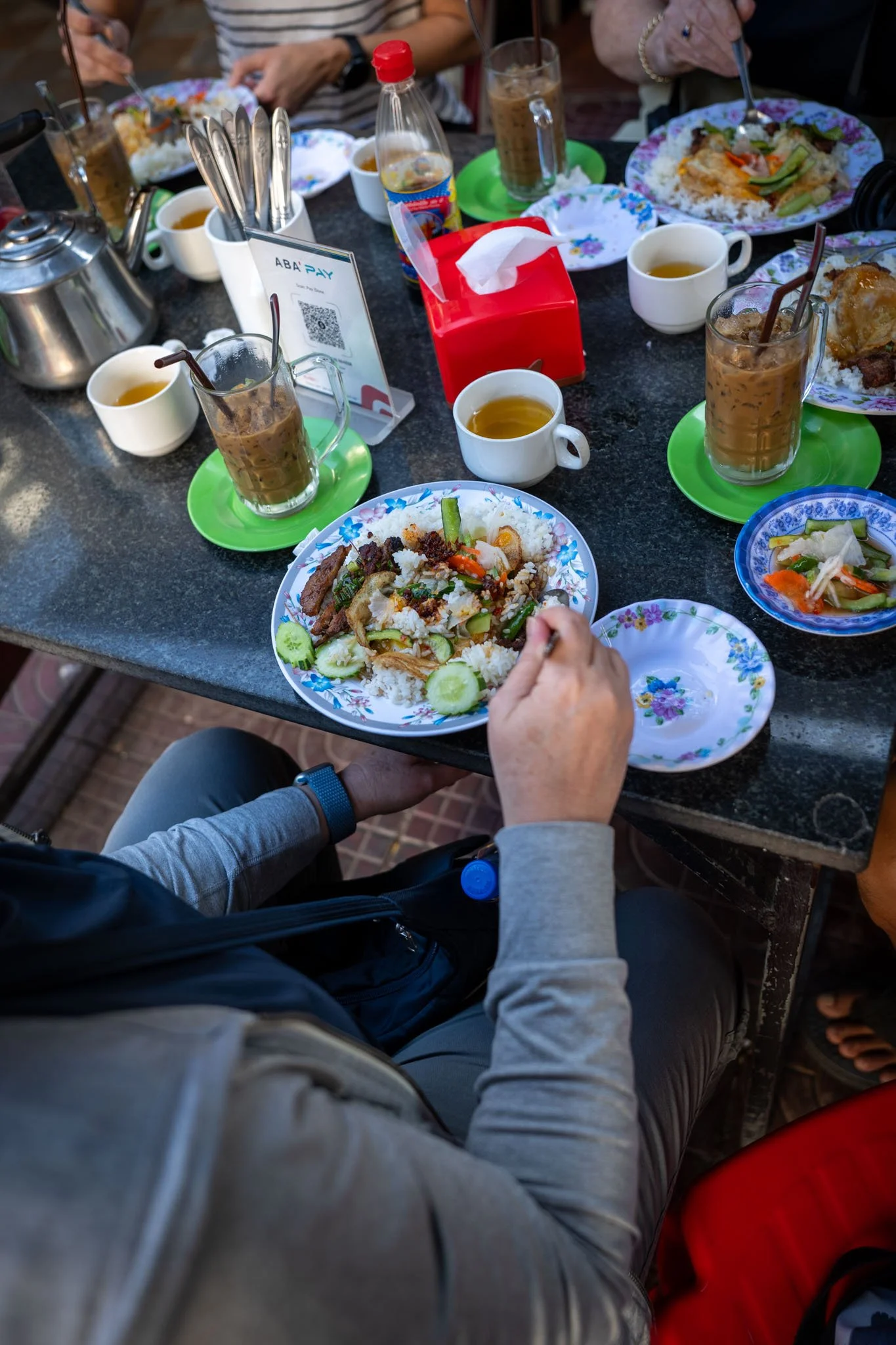
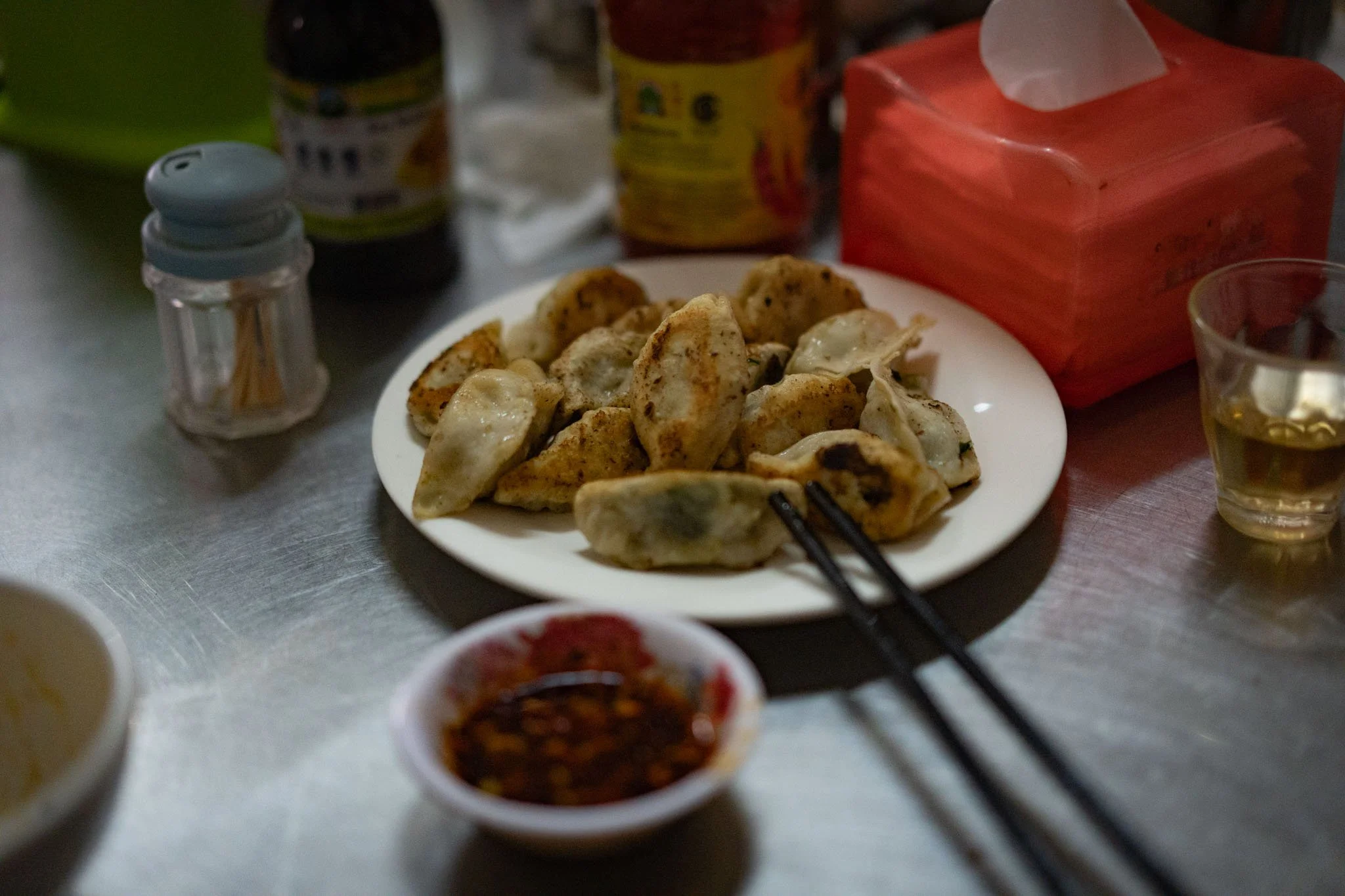
After a delicious street-side breakfast of grilled pork on rice, one of Cambodia’s true culinary treasures, we took an hourlong walk around the neighborhood to get everyone a feel for the place, and then, well, we hit the road. 

The journey between Phnom Penh and Battambang used to take nine hours. Over the years, the moon-like surface had gradually improved, mile by mile. But in the past few months, the decades-long highway project was finally completed, and we were able to make it in a breezy three-and-a-half hours, not counting a stop for lunch. Amazing, for a stretch of road that we used to joke could be drastically improved by a bit of carpet bombing.

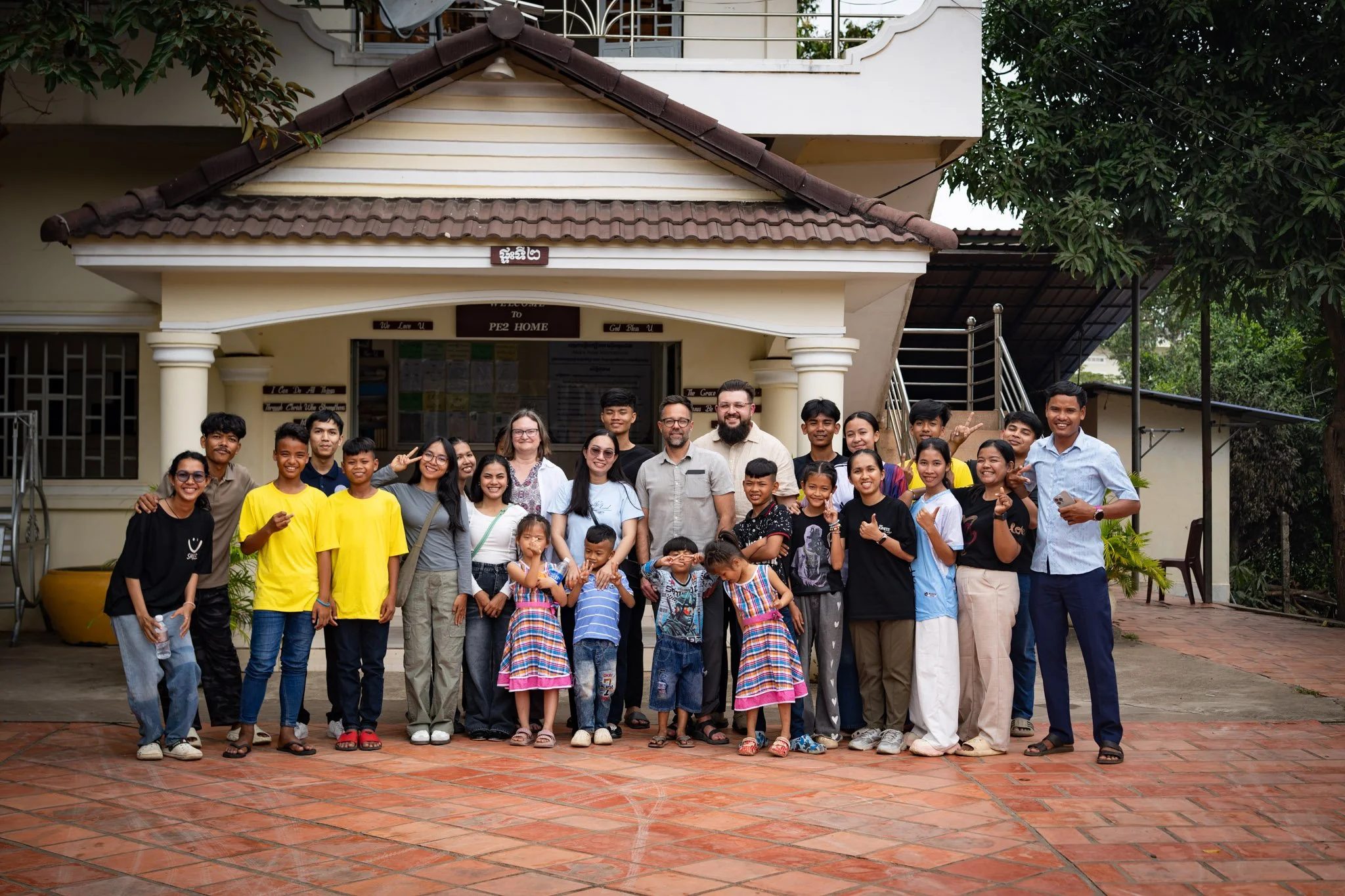
We arrived at the aptly-named Classy Hotel, greeted by Asia’s Hope Battambang staff and our dear friends Ray and Deb Sheridan and a couple of their friends from Our Lady of Perpetual Help Church in Grove City, Ohio, sponsors of the Battambang 5 Home. The Sheridan team is here for the wedding, and arrived a day ahead of us.

Before long, the jet lag took over – we were all in bed by 6pm.

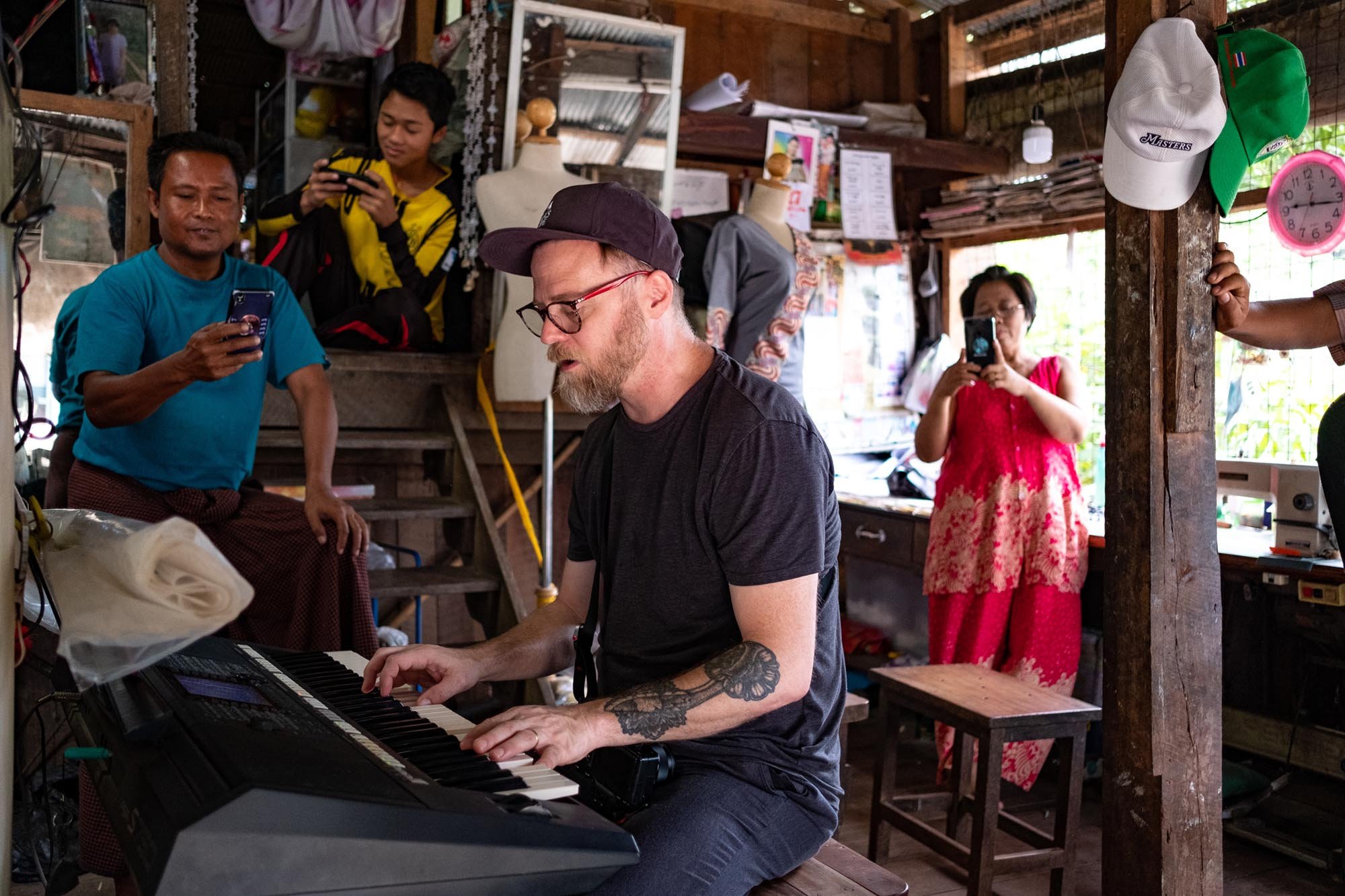
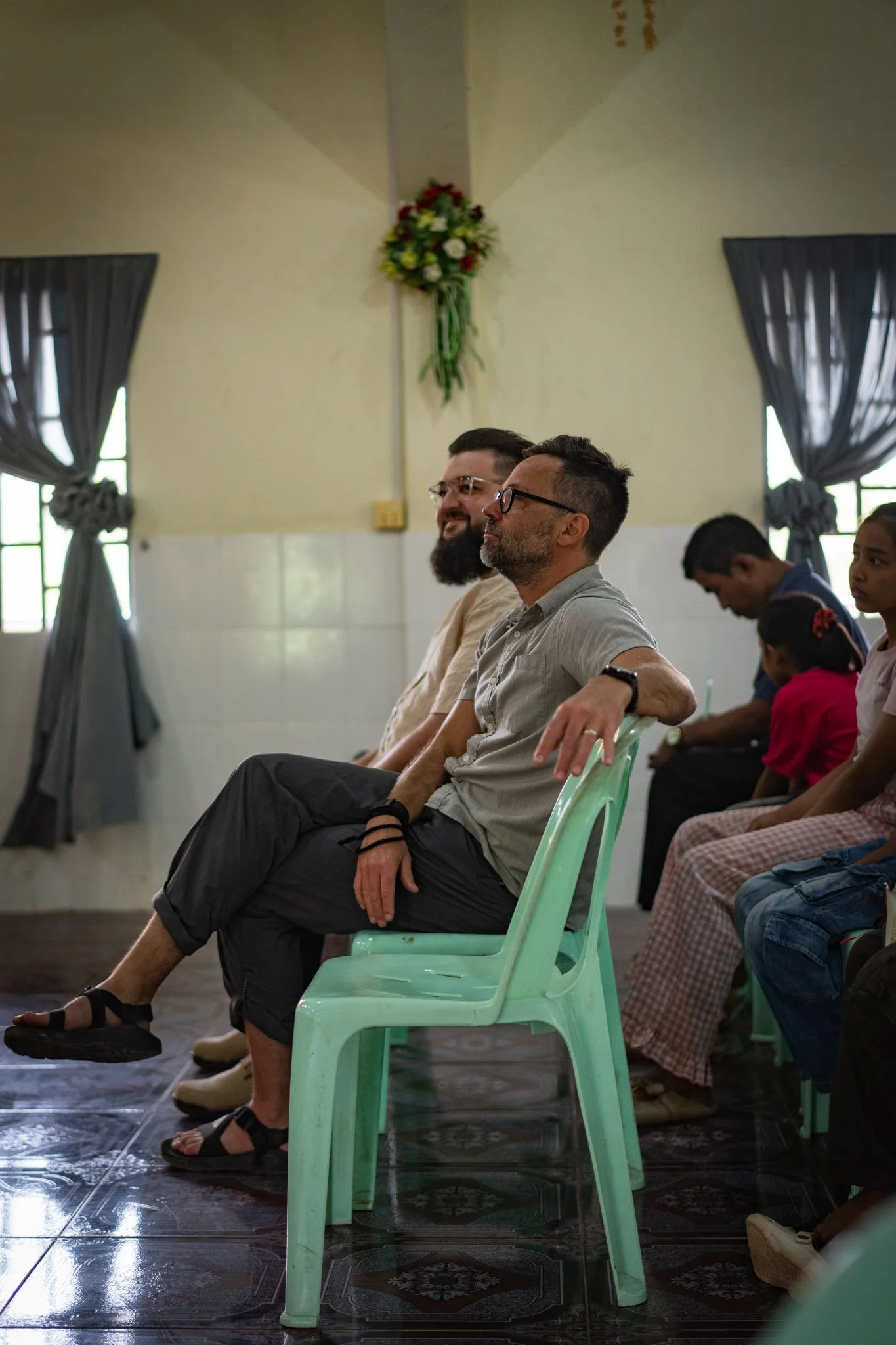
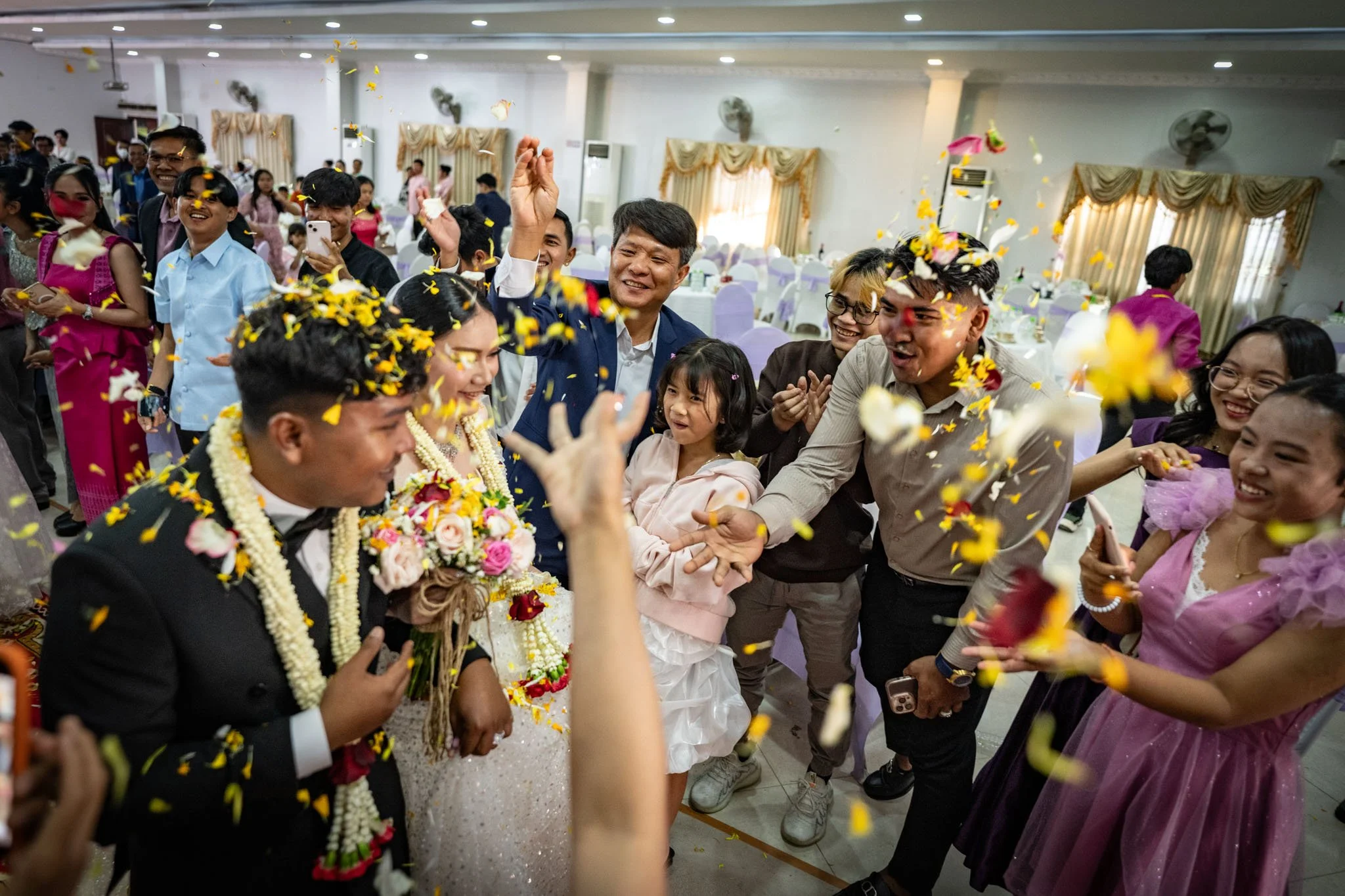
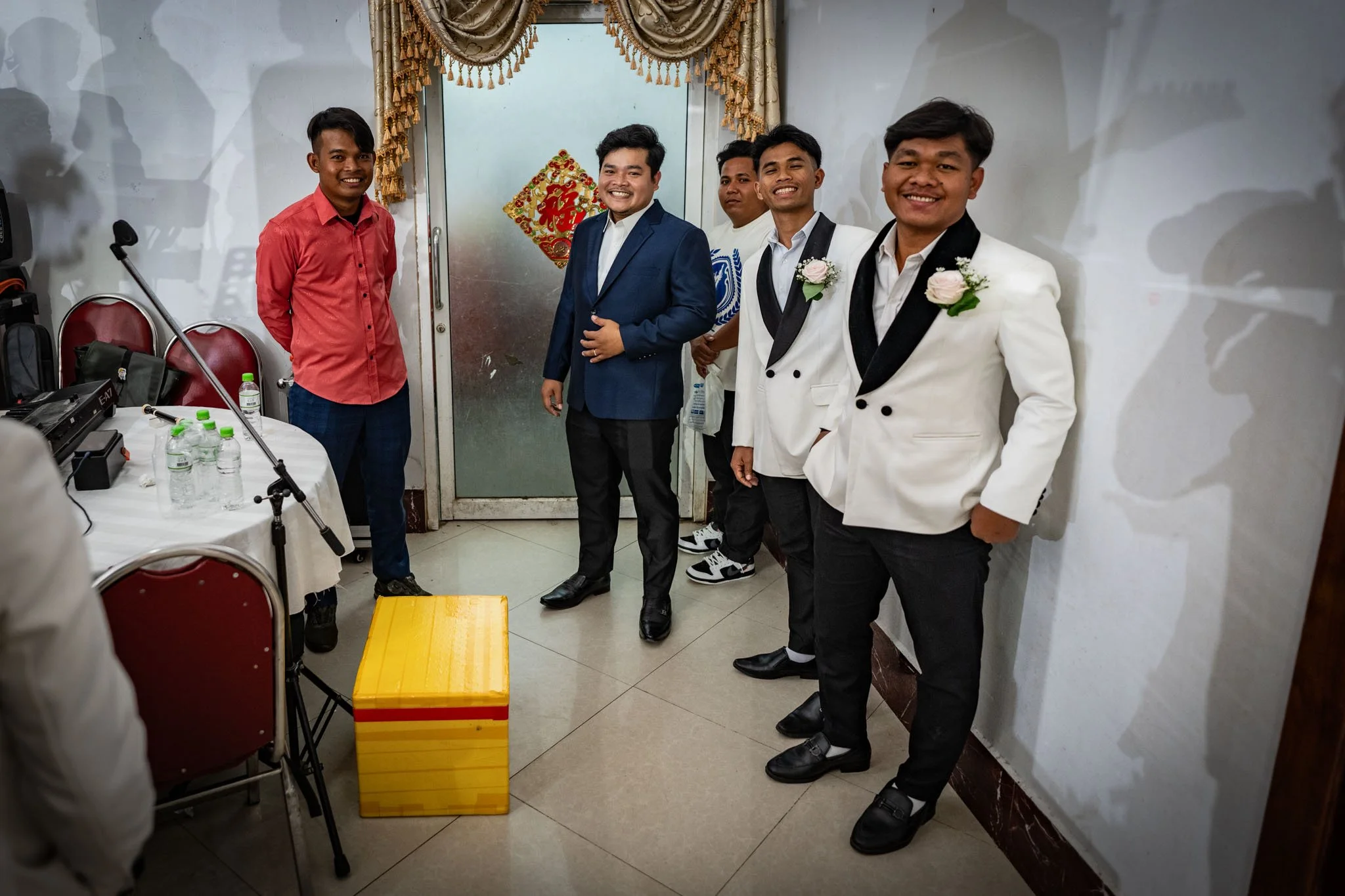
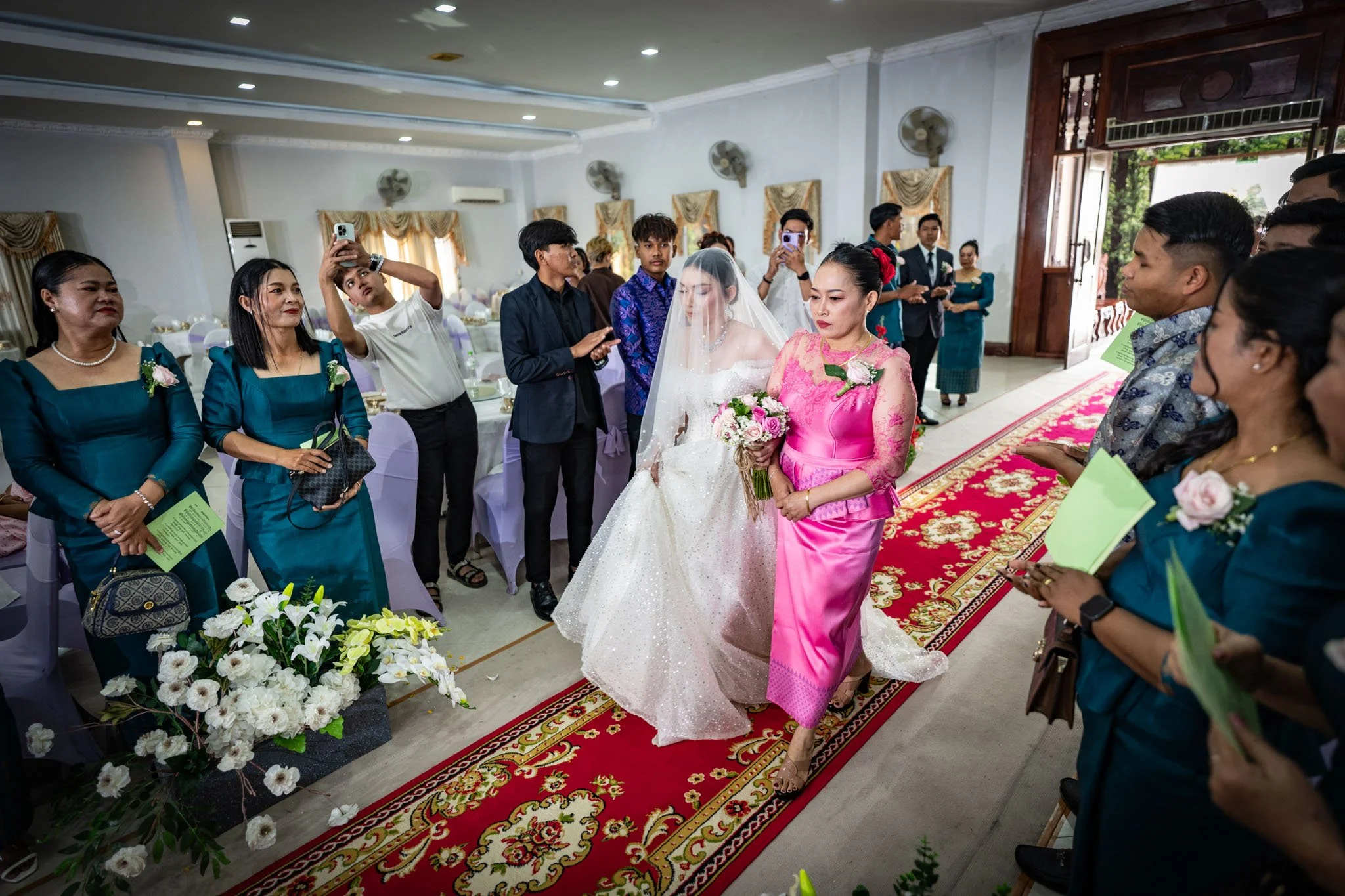
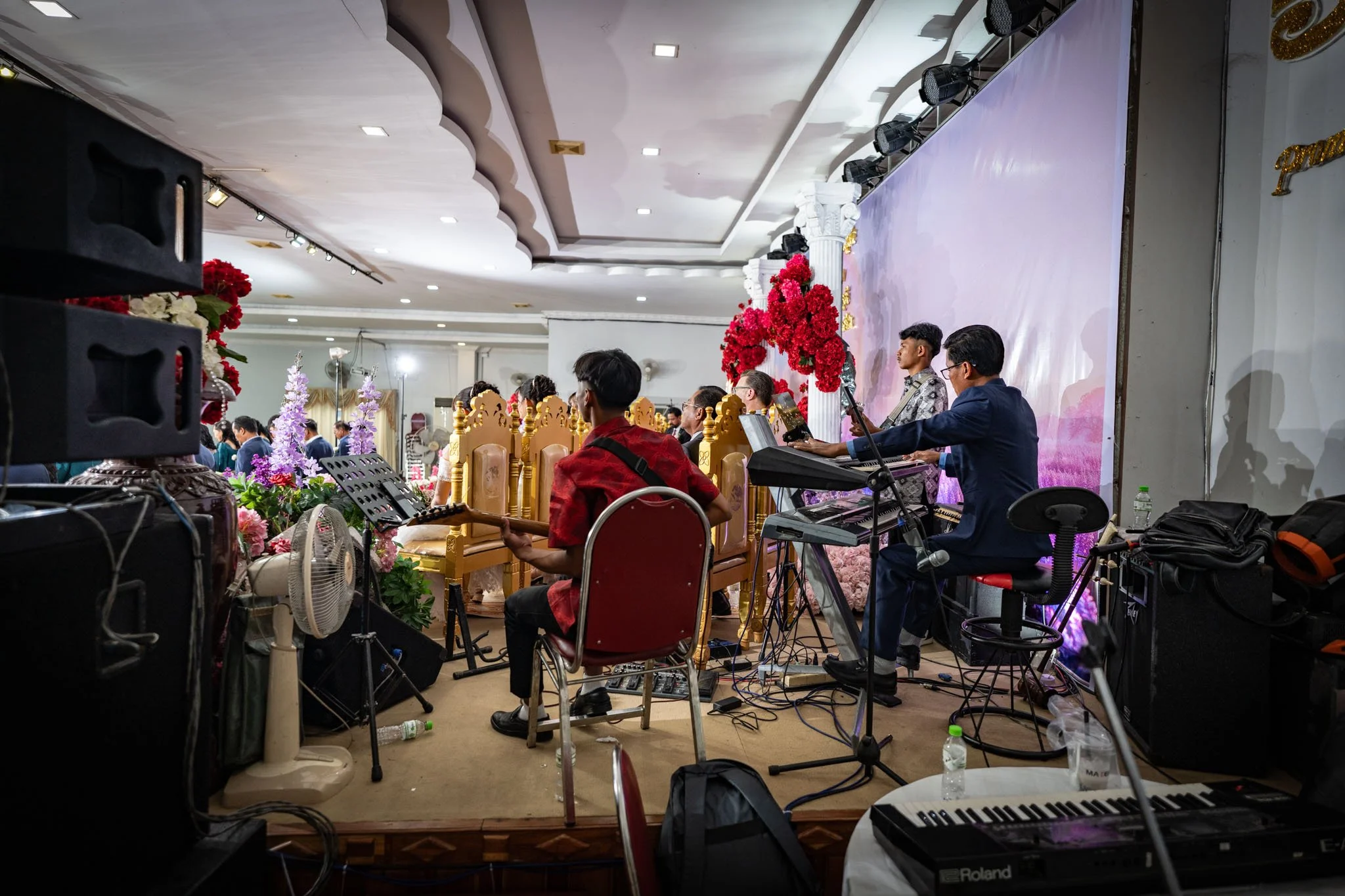
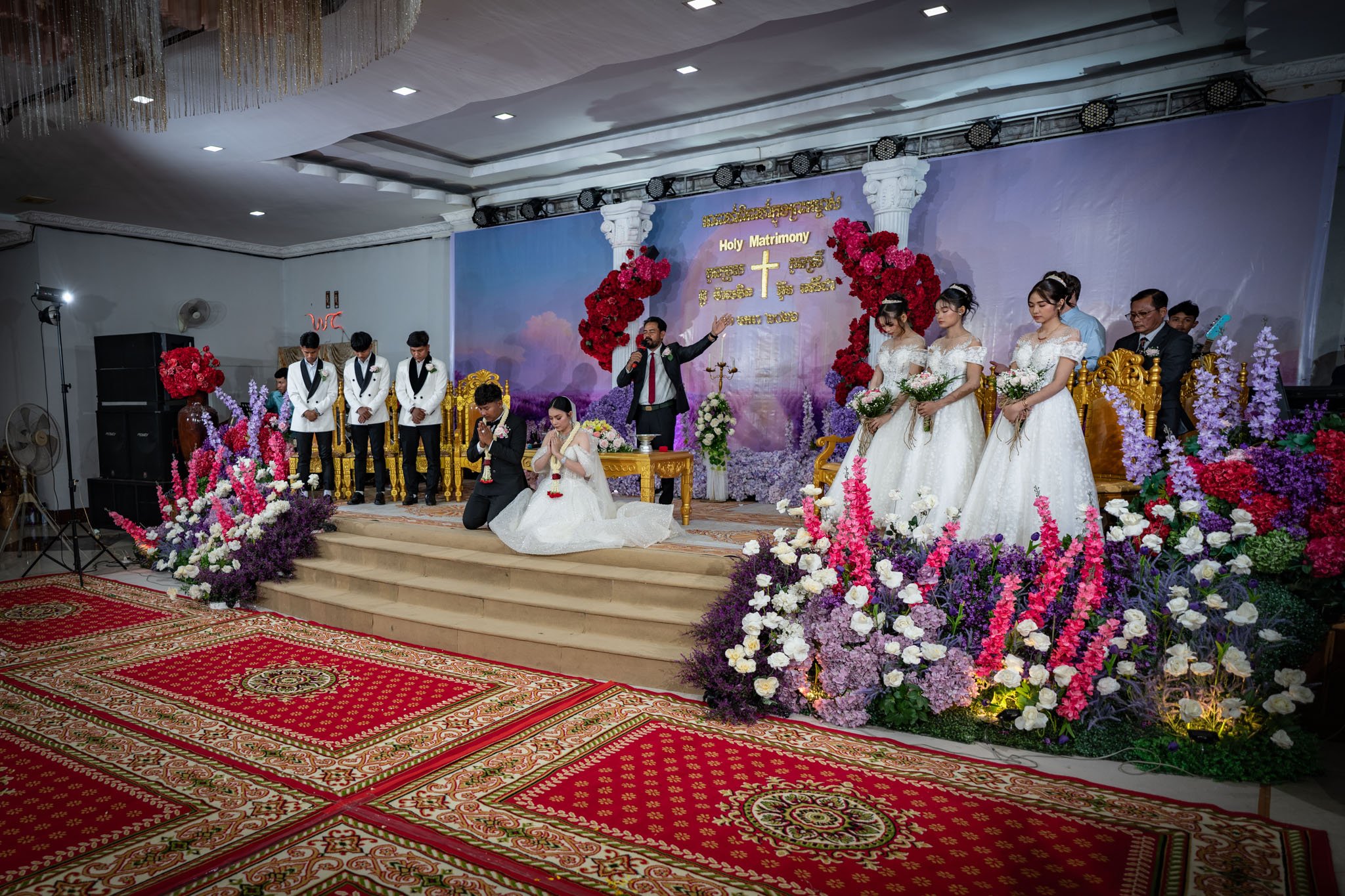
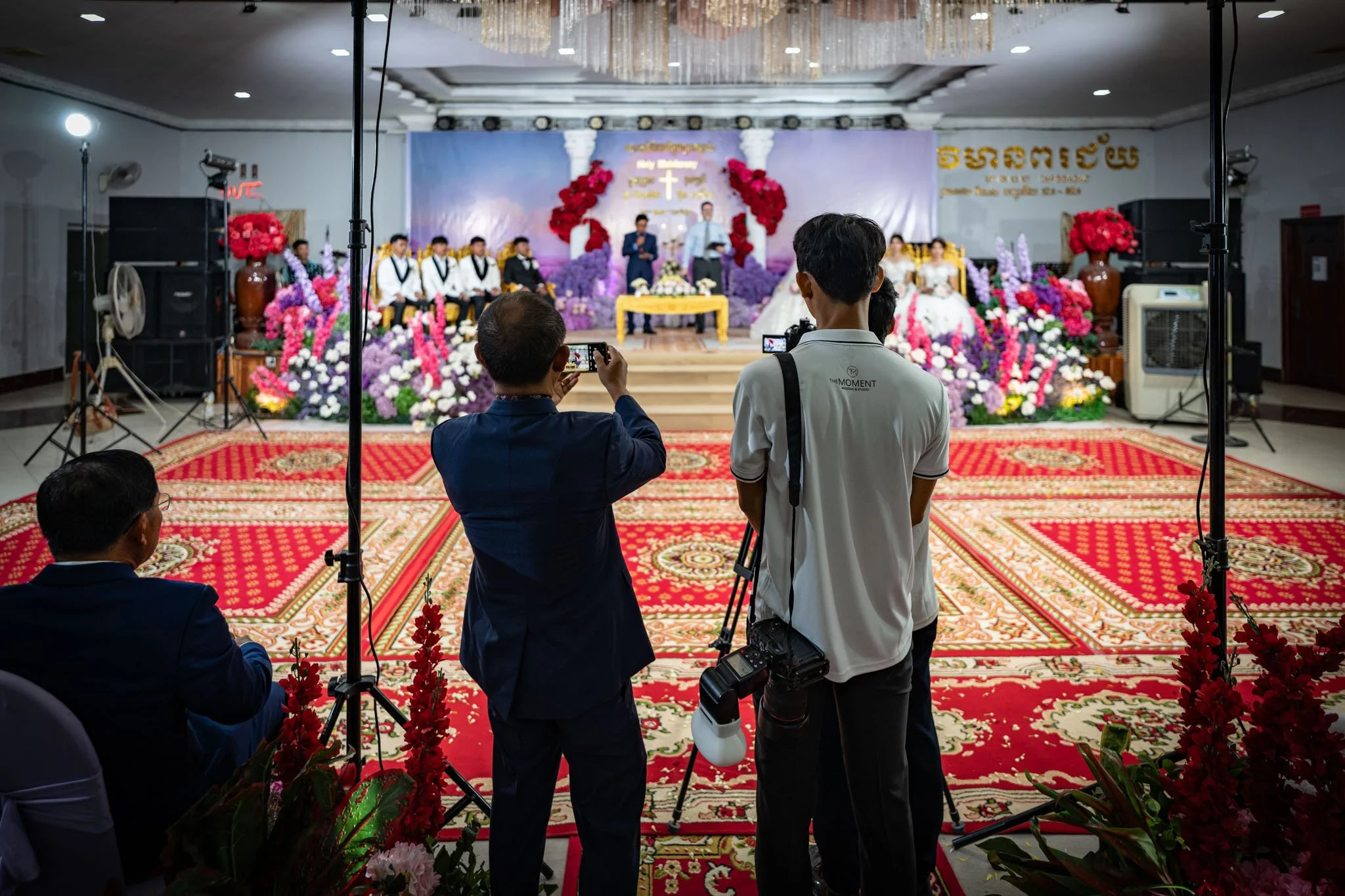
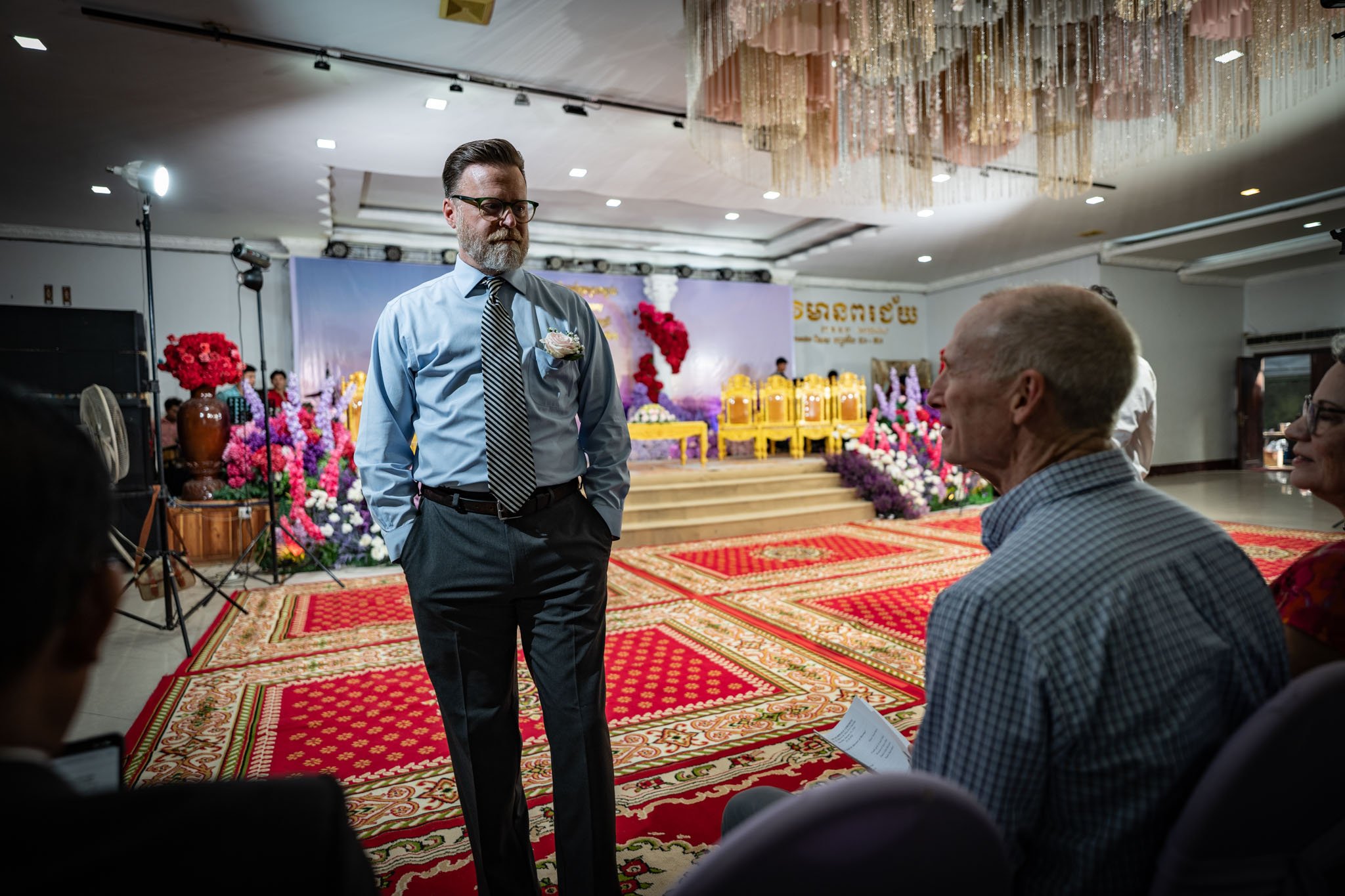
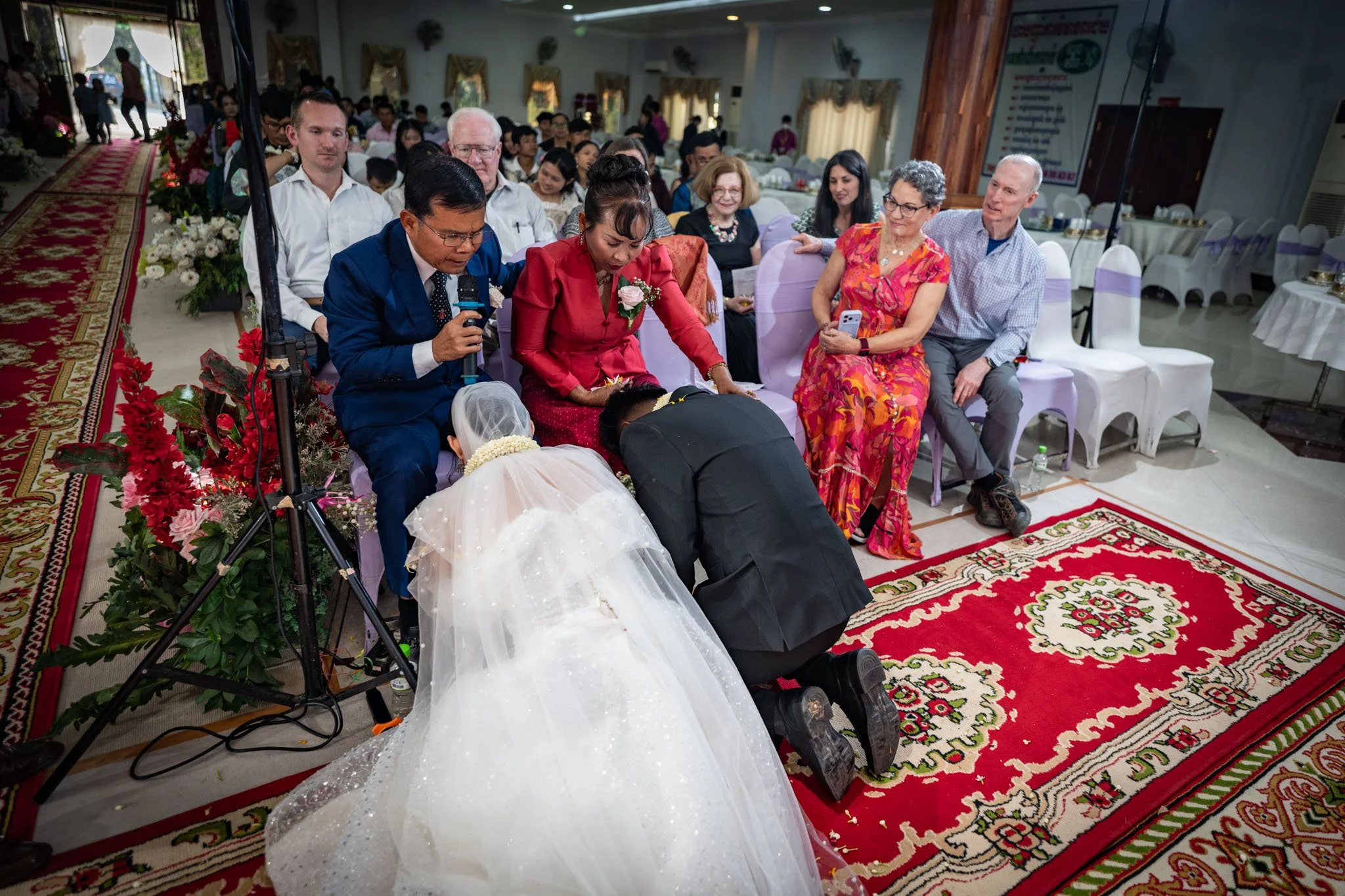
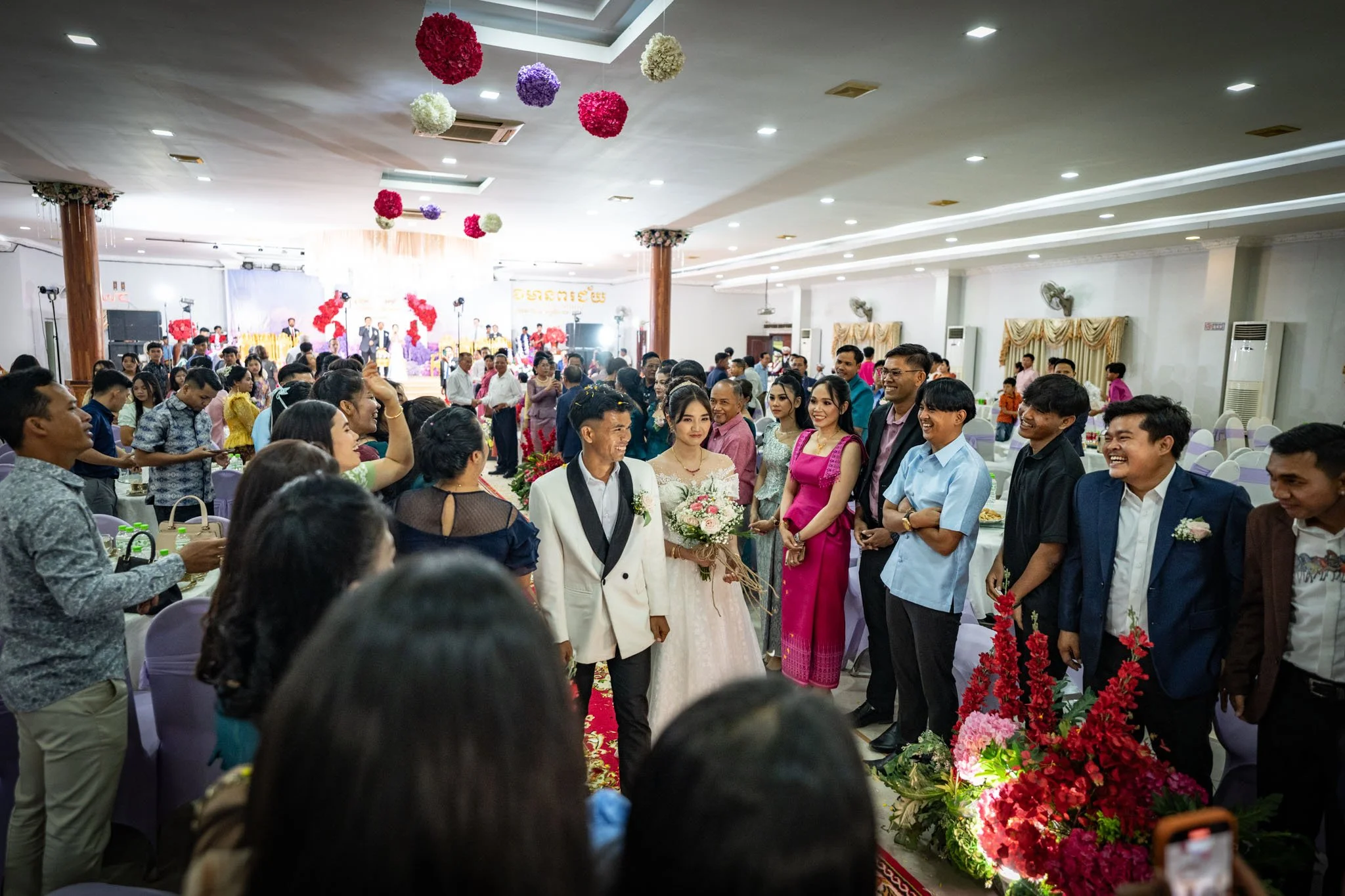
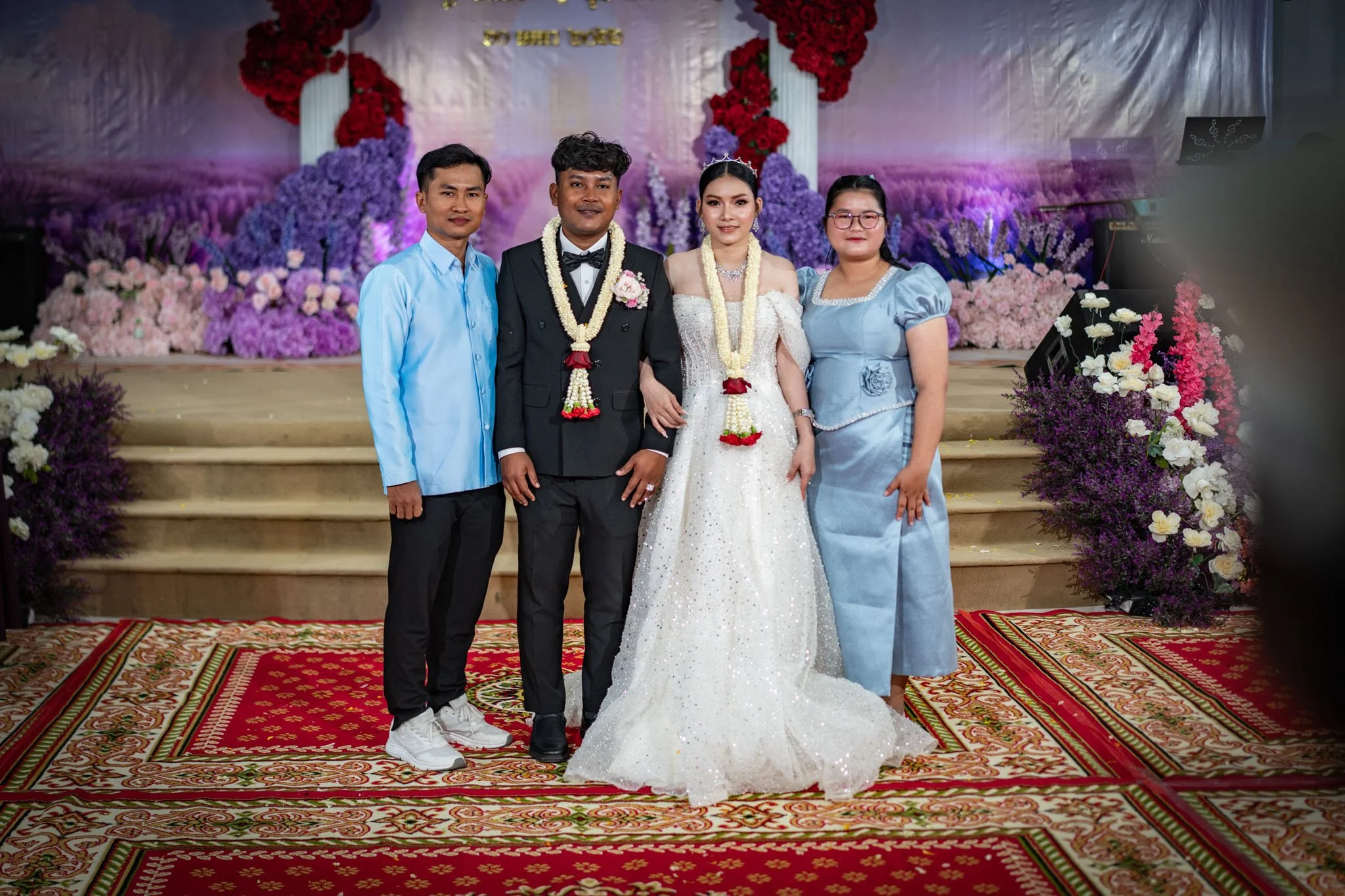
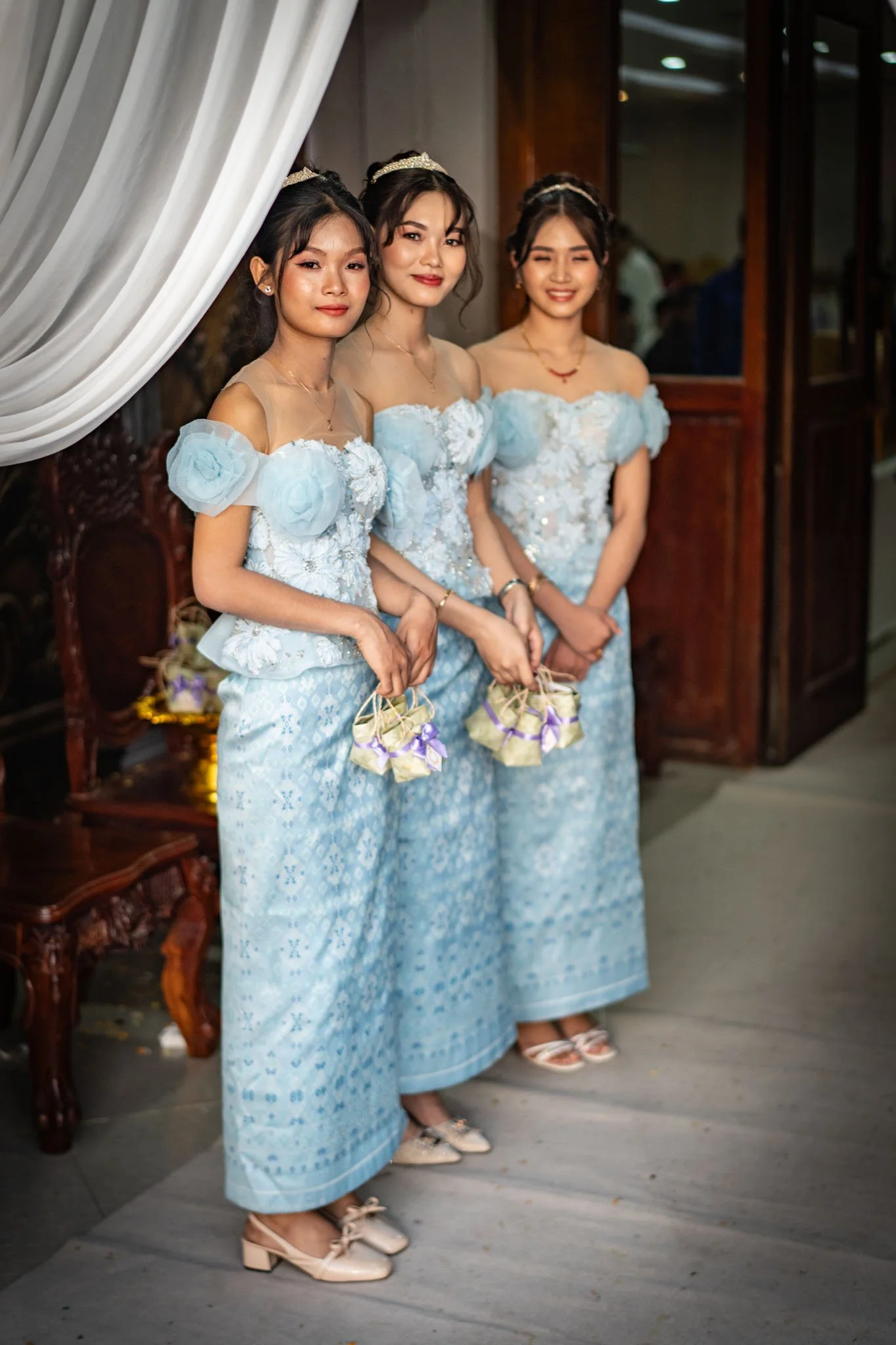
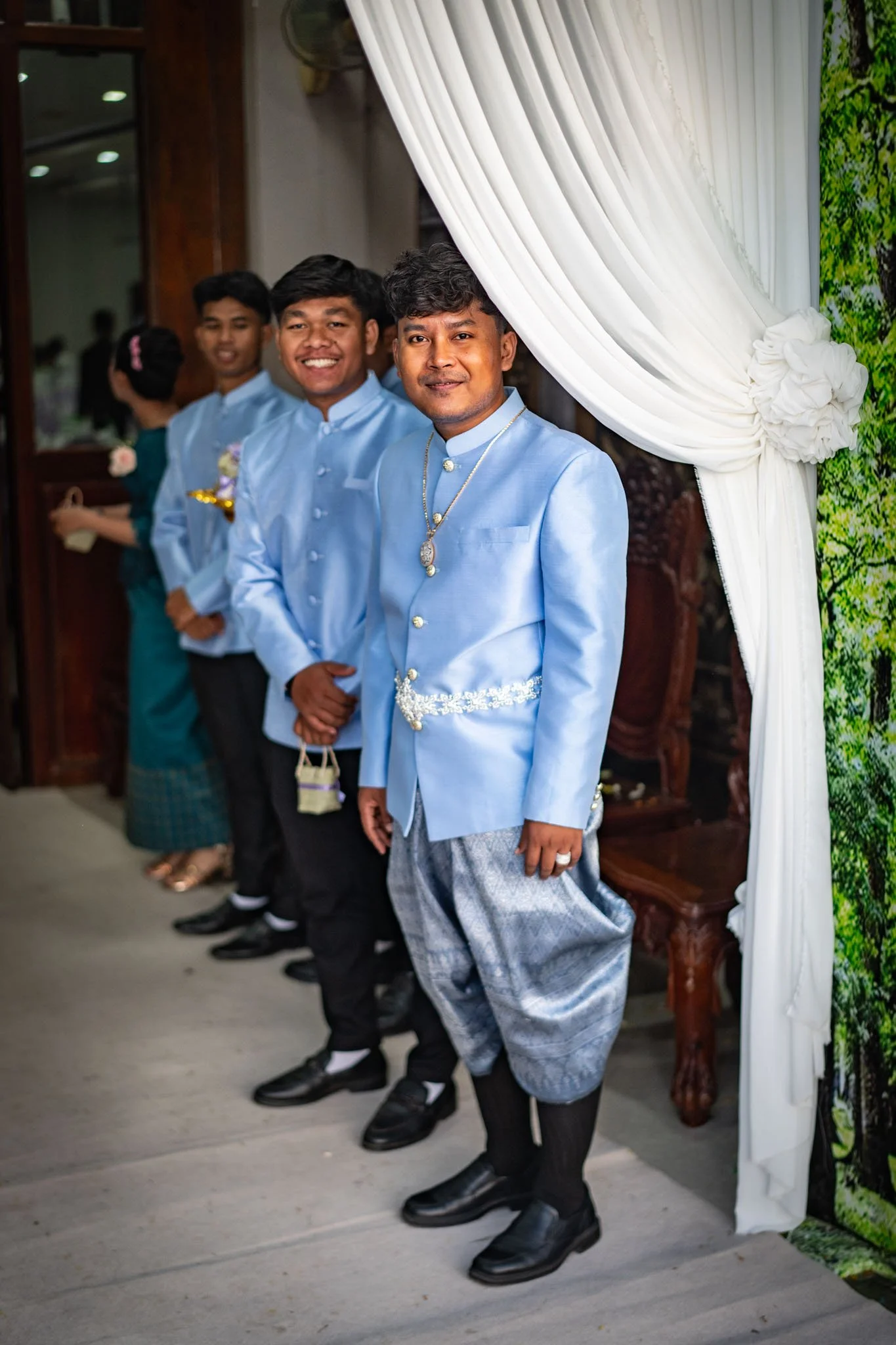
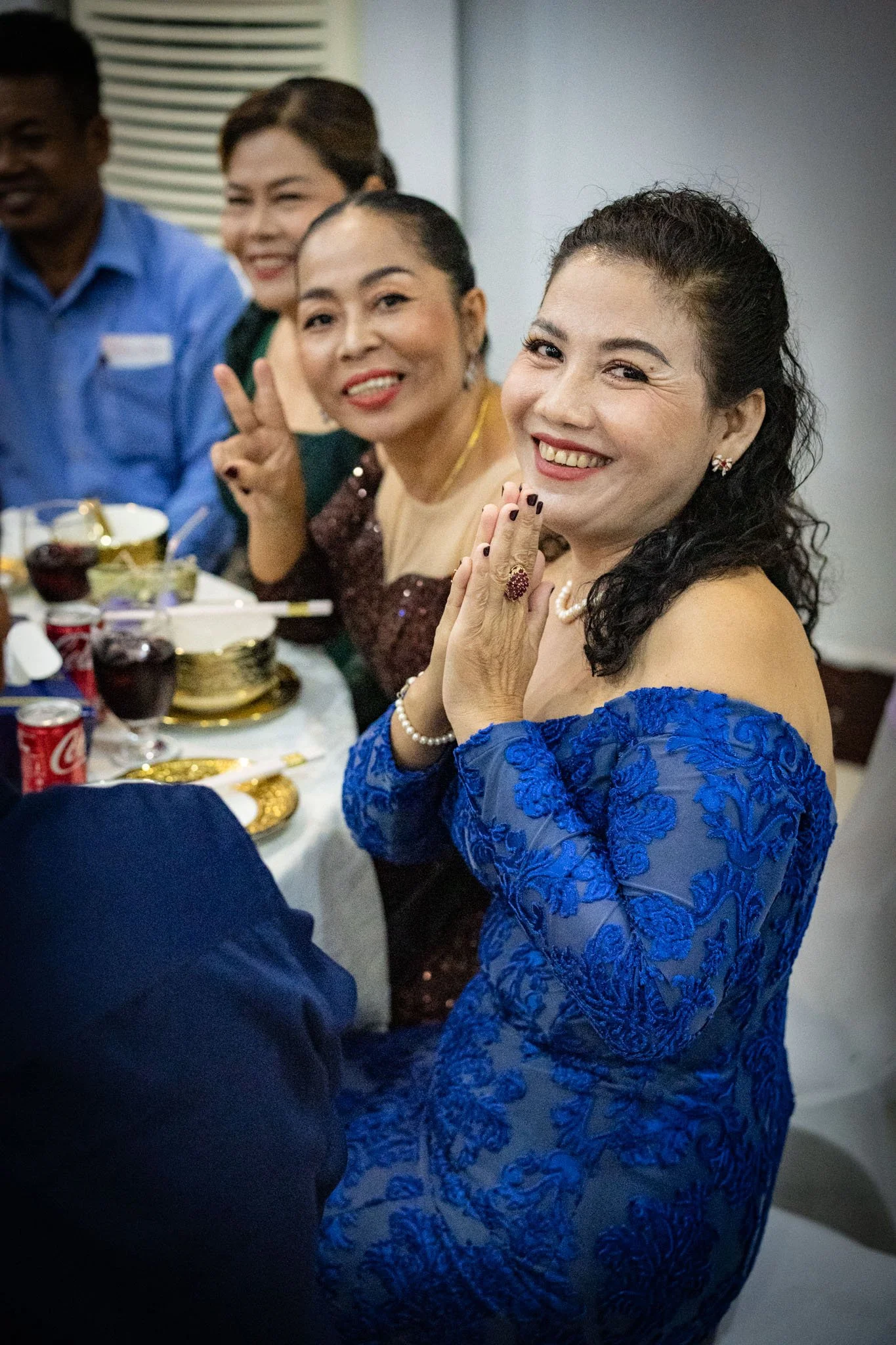
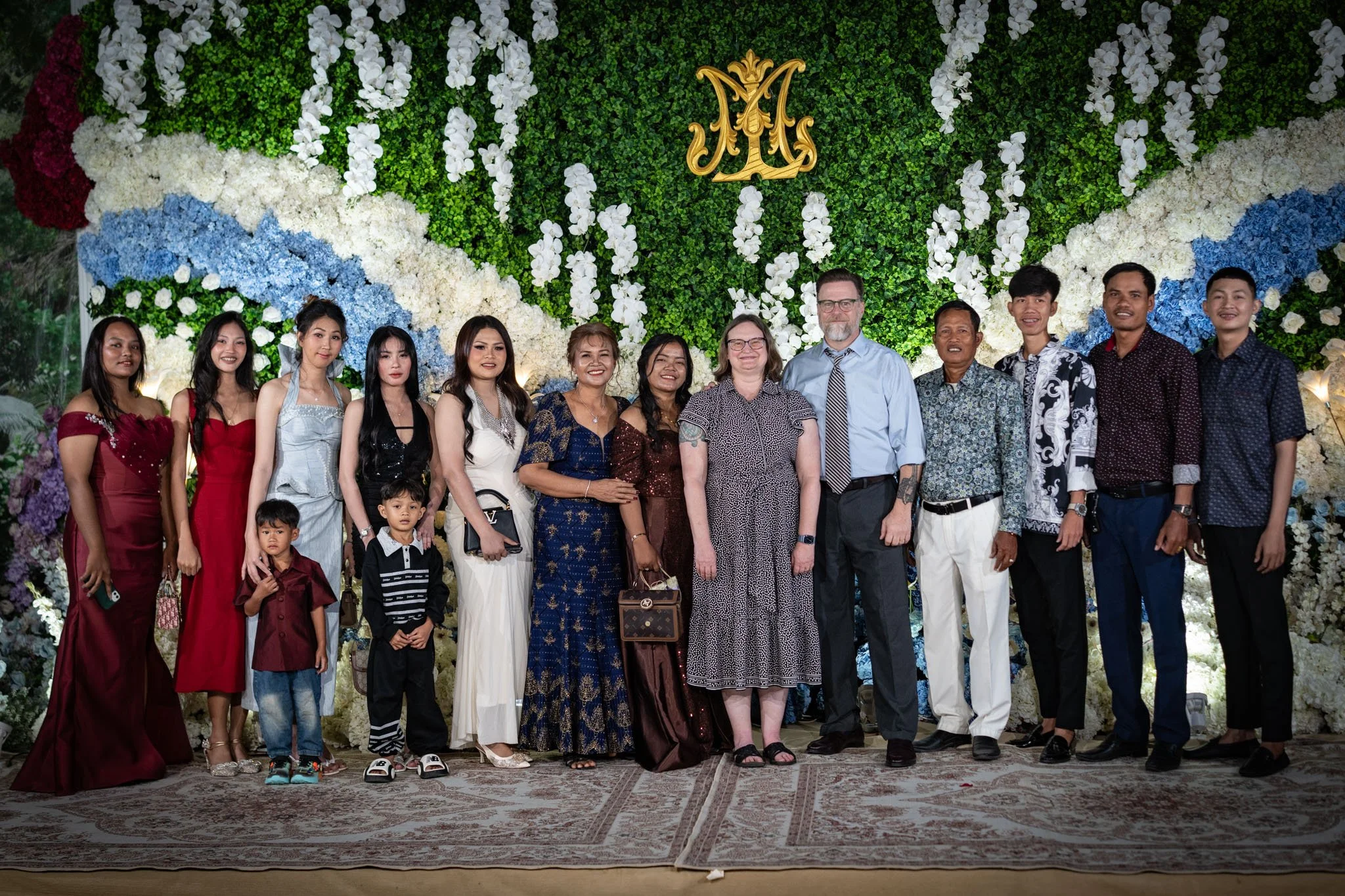
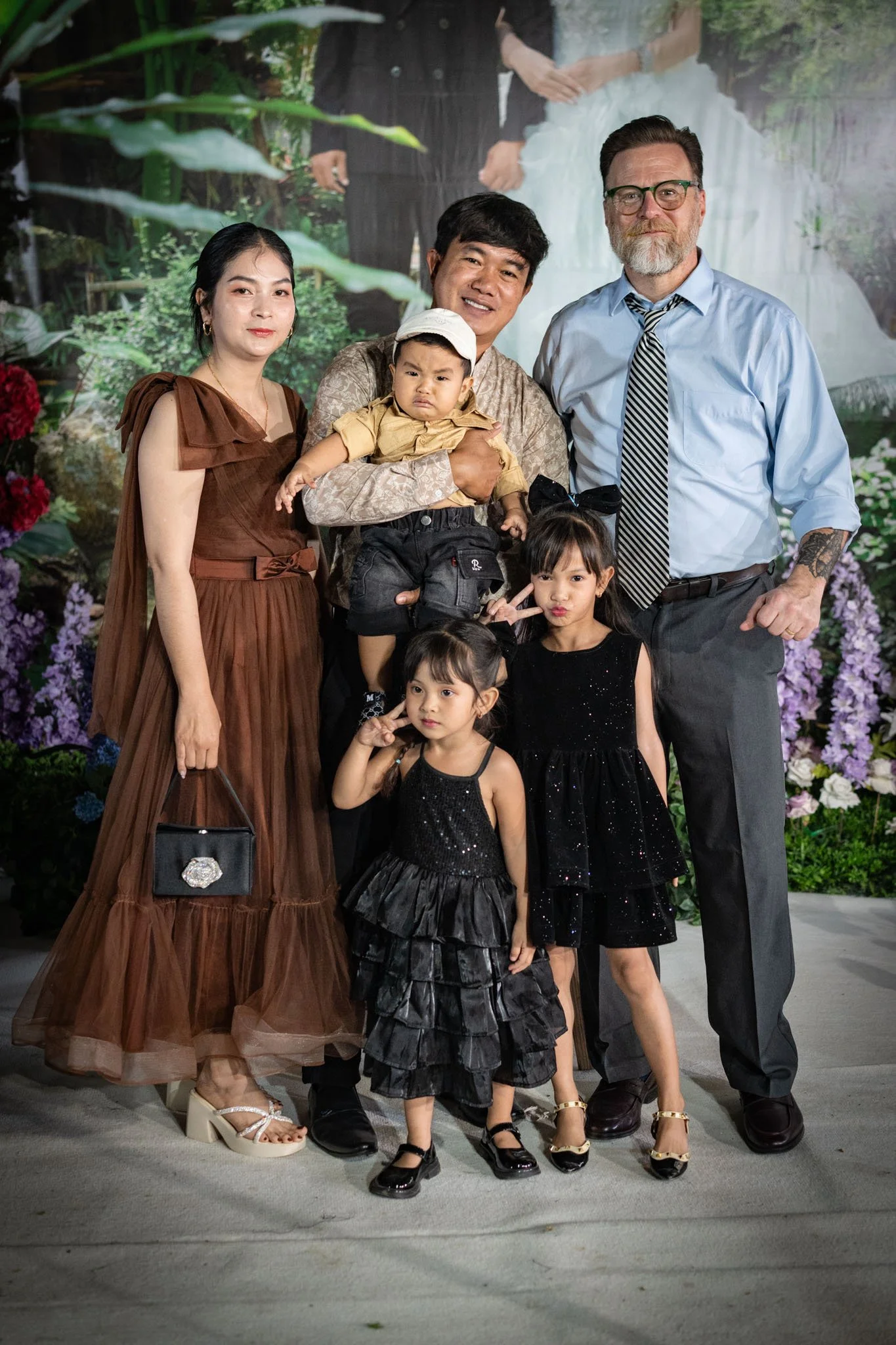
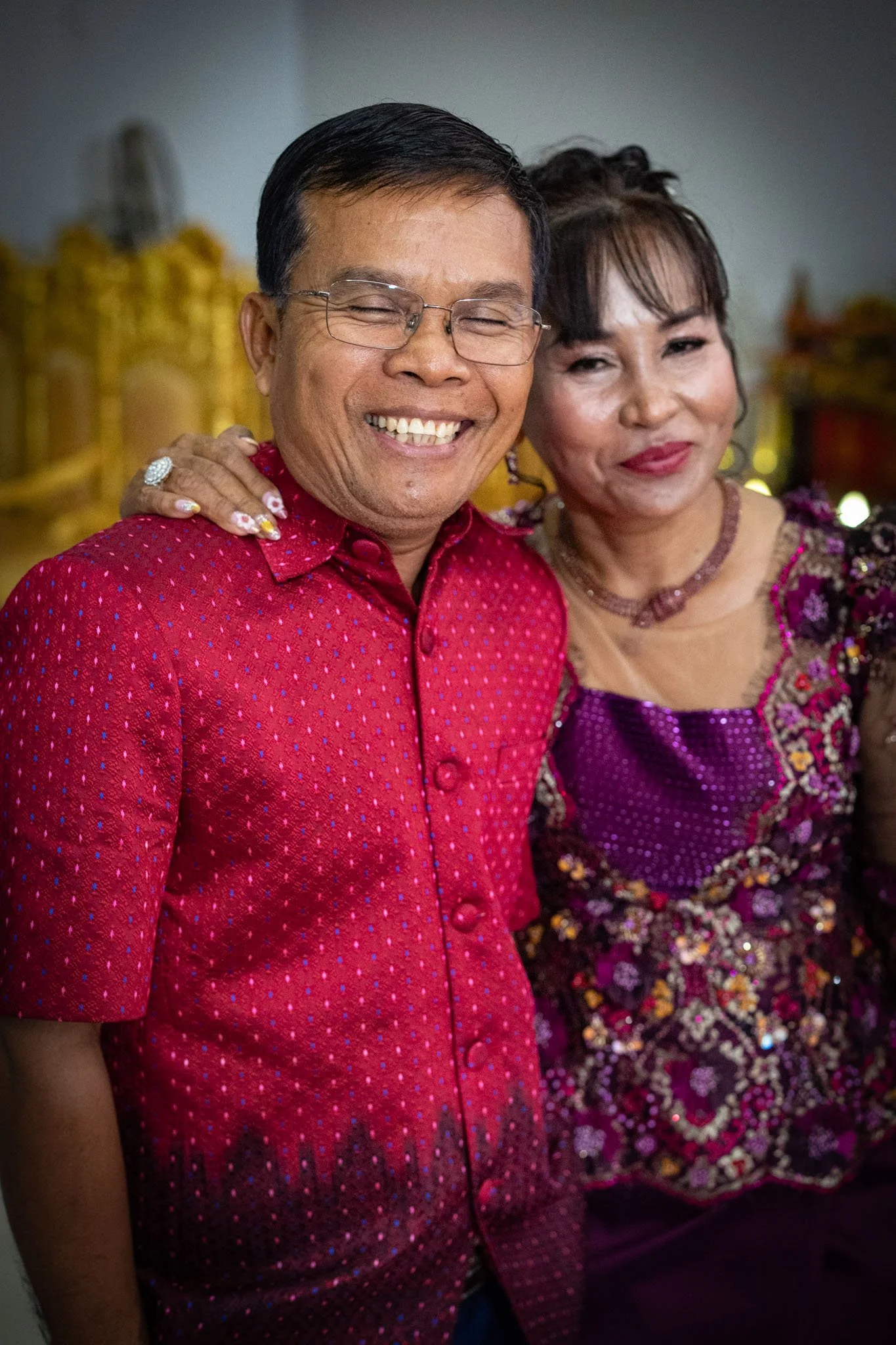
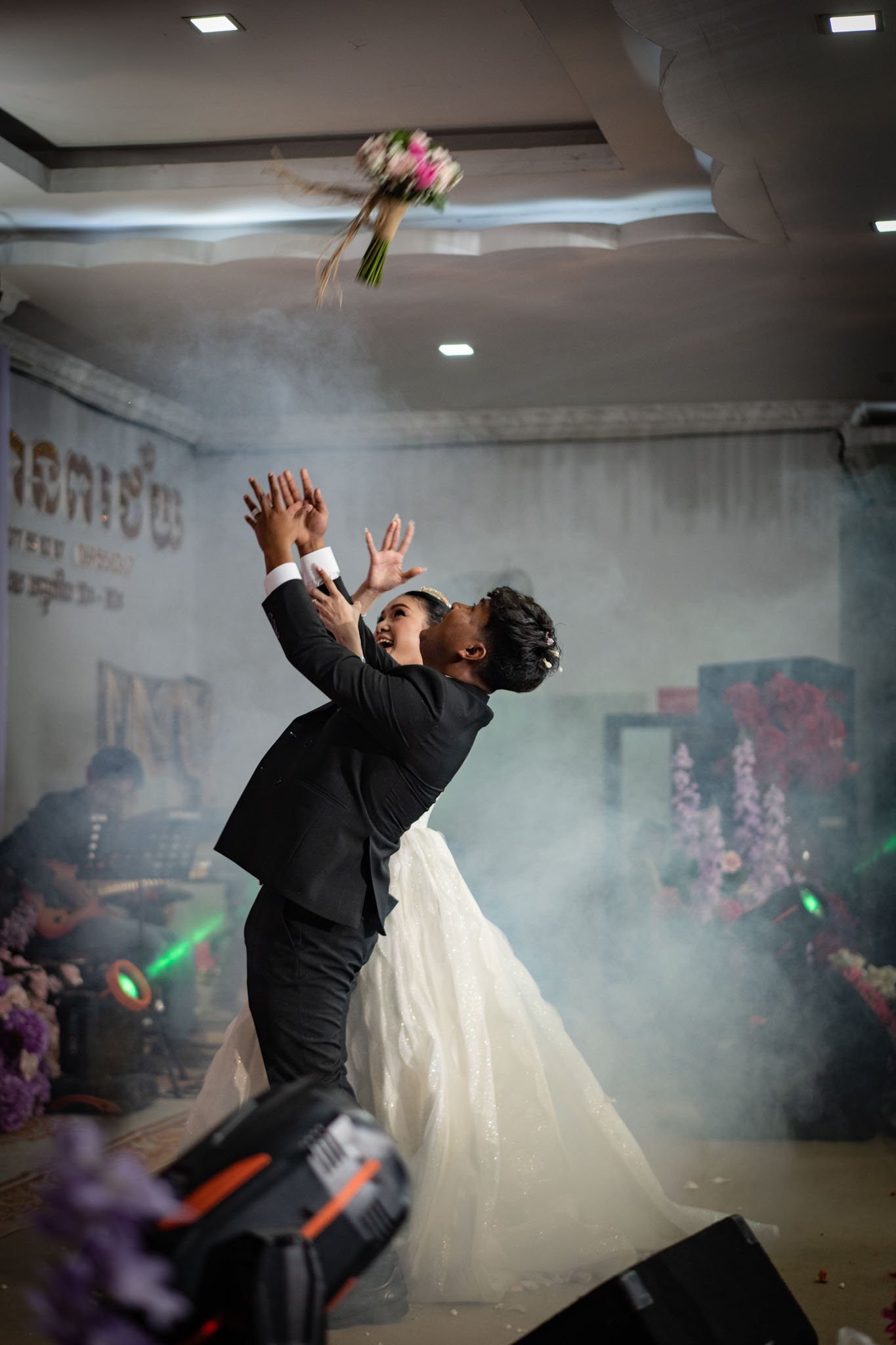
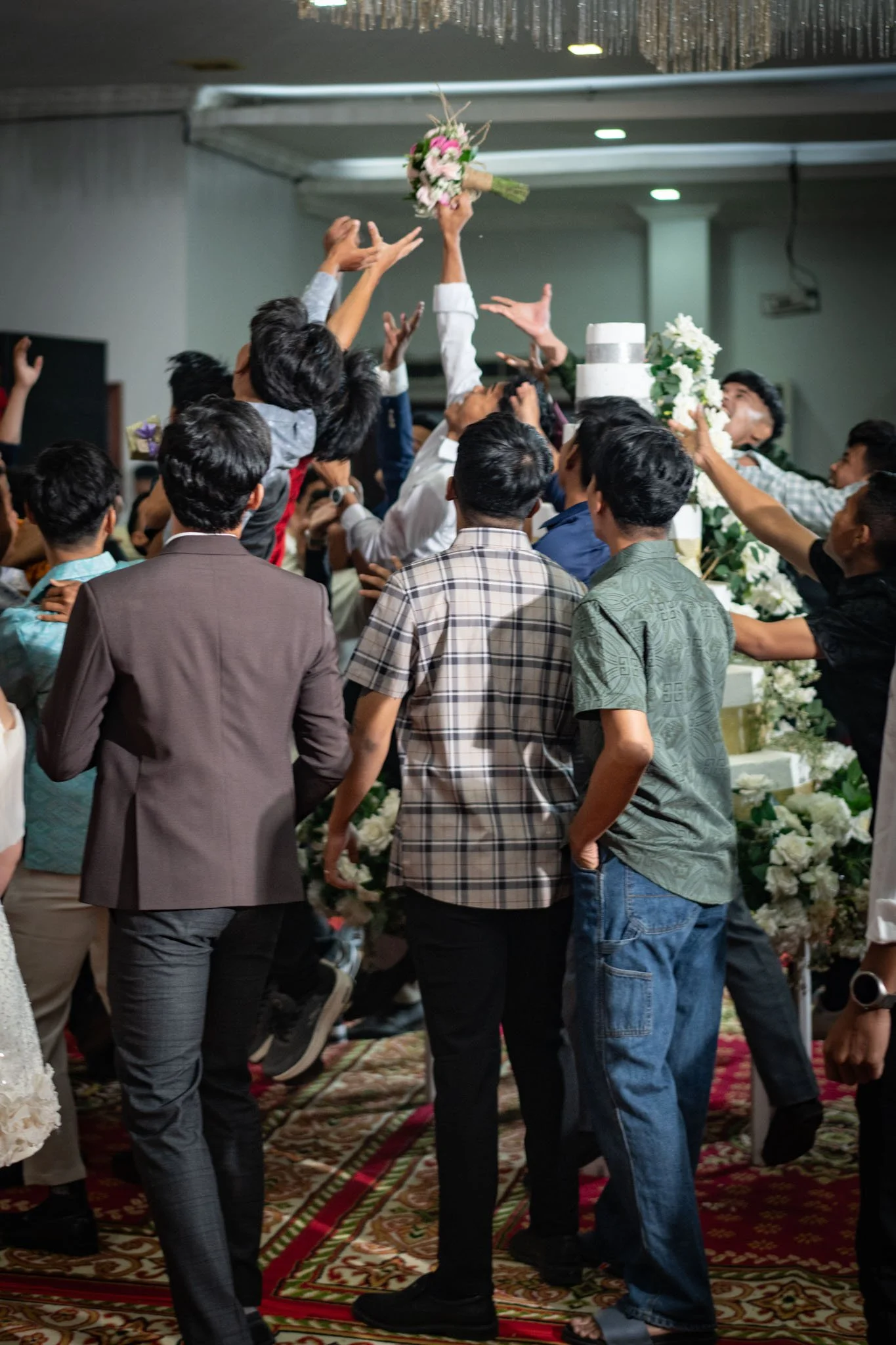
We took it easy this morning – breakfast with our team and the Sheridans. And then shortly after lunch, it was wedding time. What an experience it was! Flowers, spotlights and speakers loud enough for a medium-sized stadium. A band of musicians from Asia’s Hope provided the tunes for the ceremony. I muddled through a homily. A troupe of radiantly-attired girls from our homes performed a traditional Cambodian apsara dance. And various staff and friends played a variety of ceremonial roles.

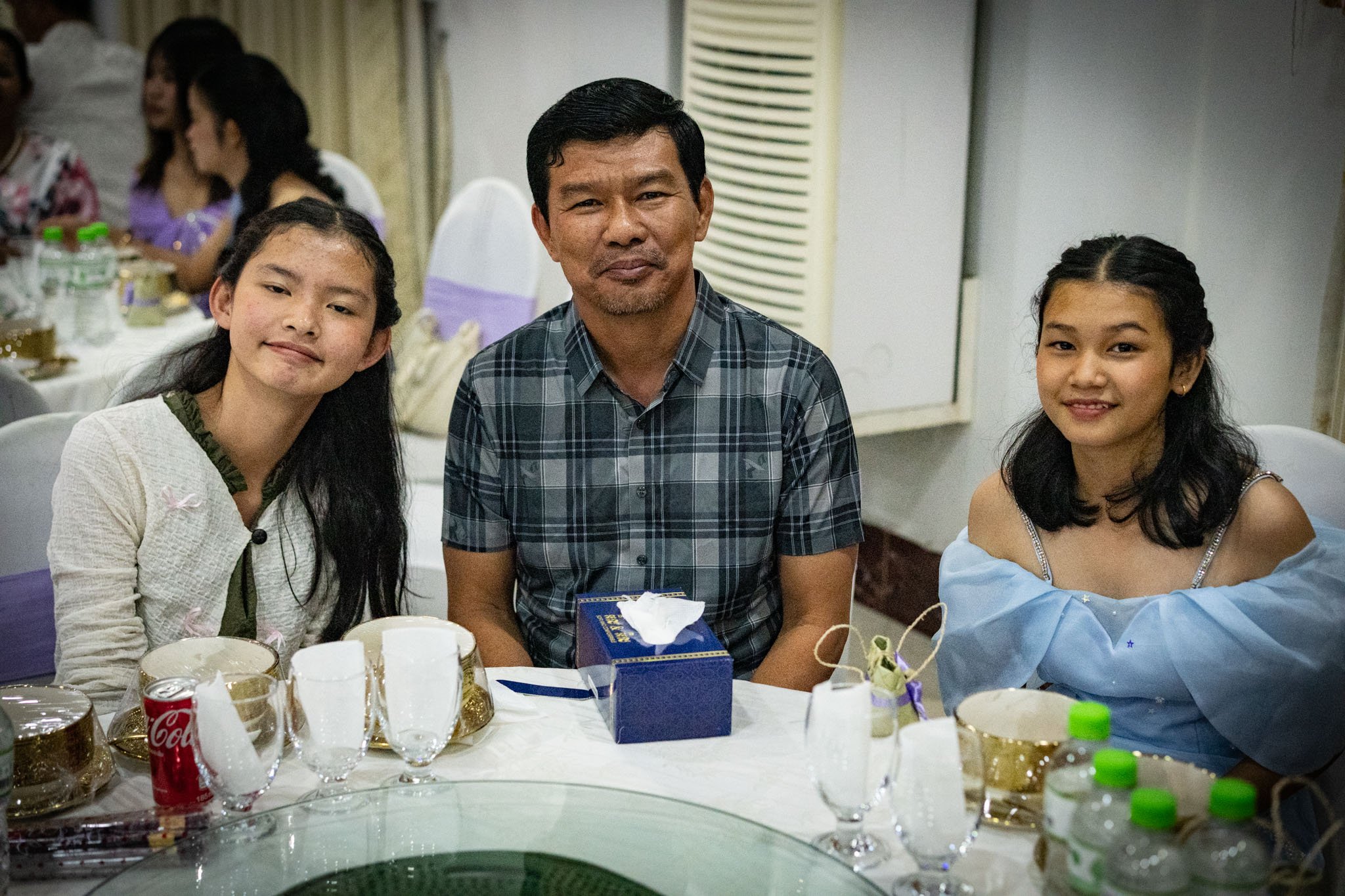
I reconnected with pastors I had met decades ago, and I got to see some of the first generation of Asia’s Hope kids – now in their 30s with kids of their own. Everyone (well, except for the us Yanks) came dressed to the nines – even tens. Sequins and rhinestones, gowns and getups in a riot of hues.

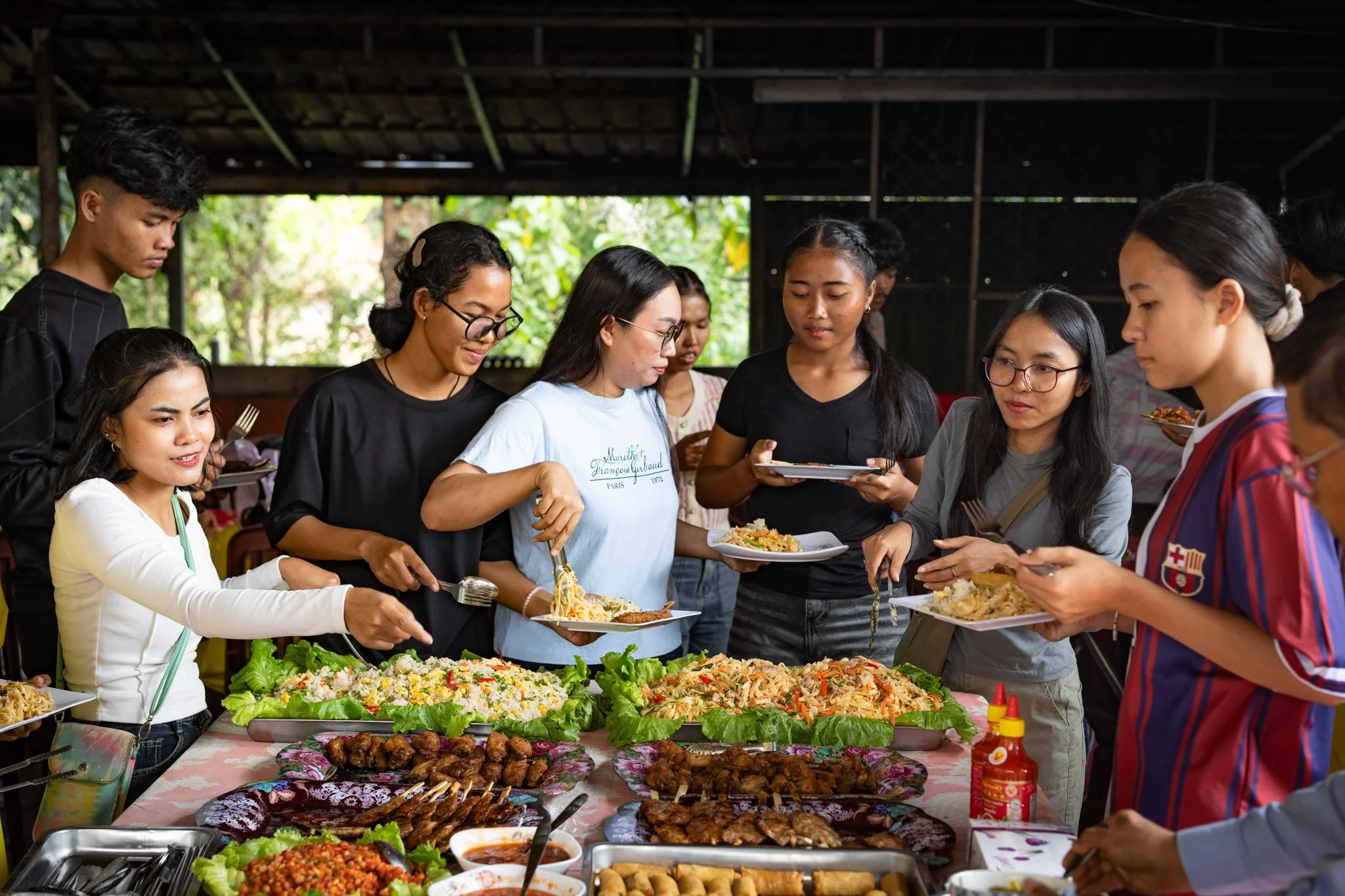
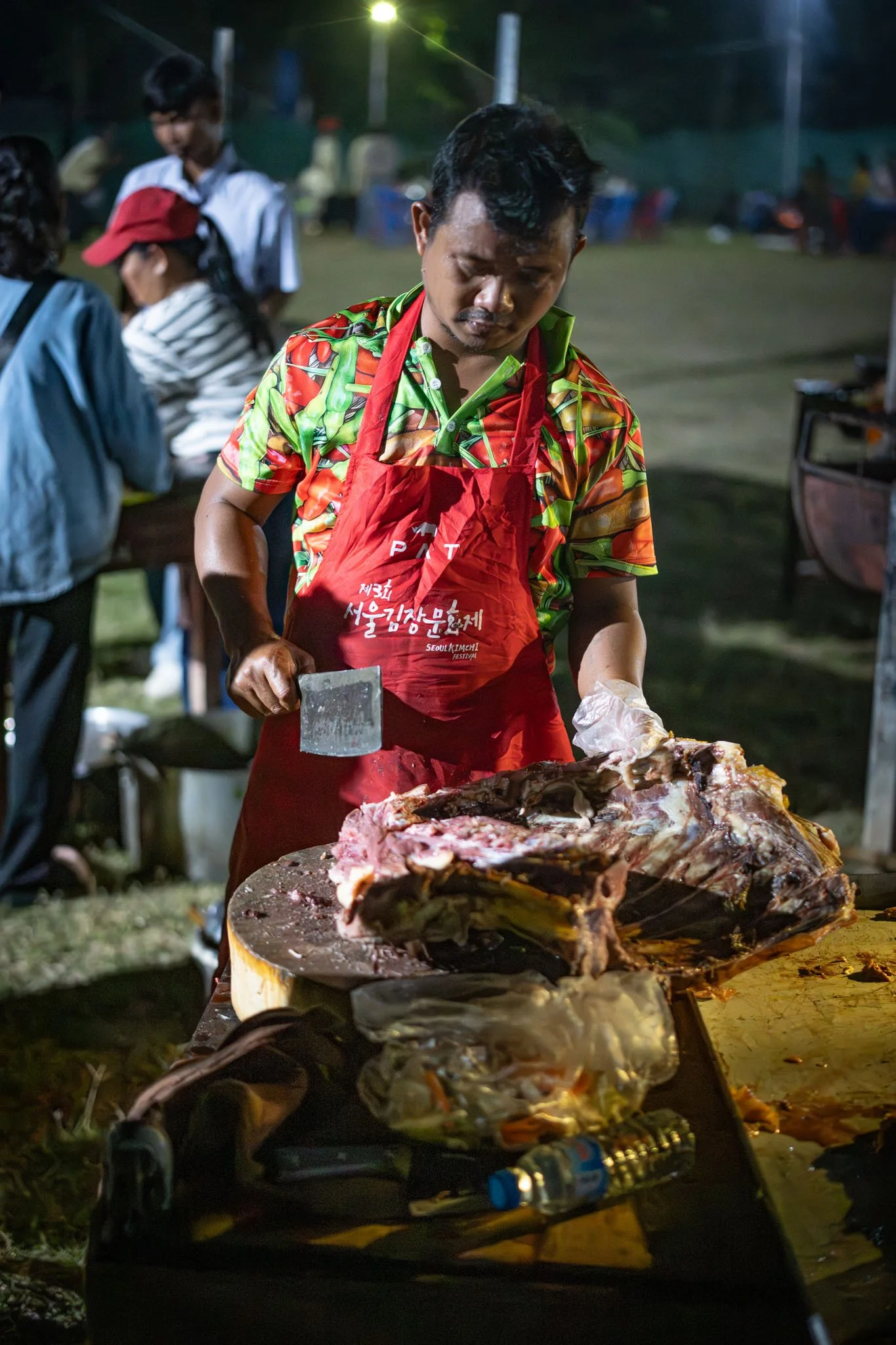
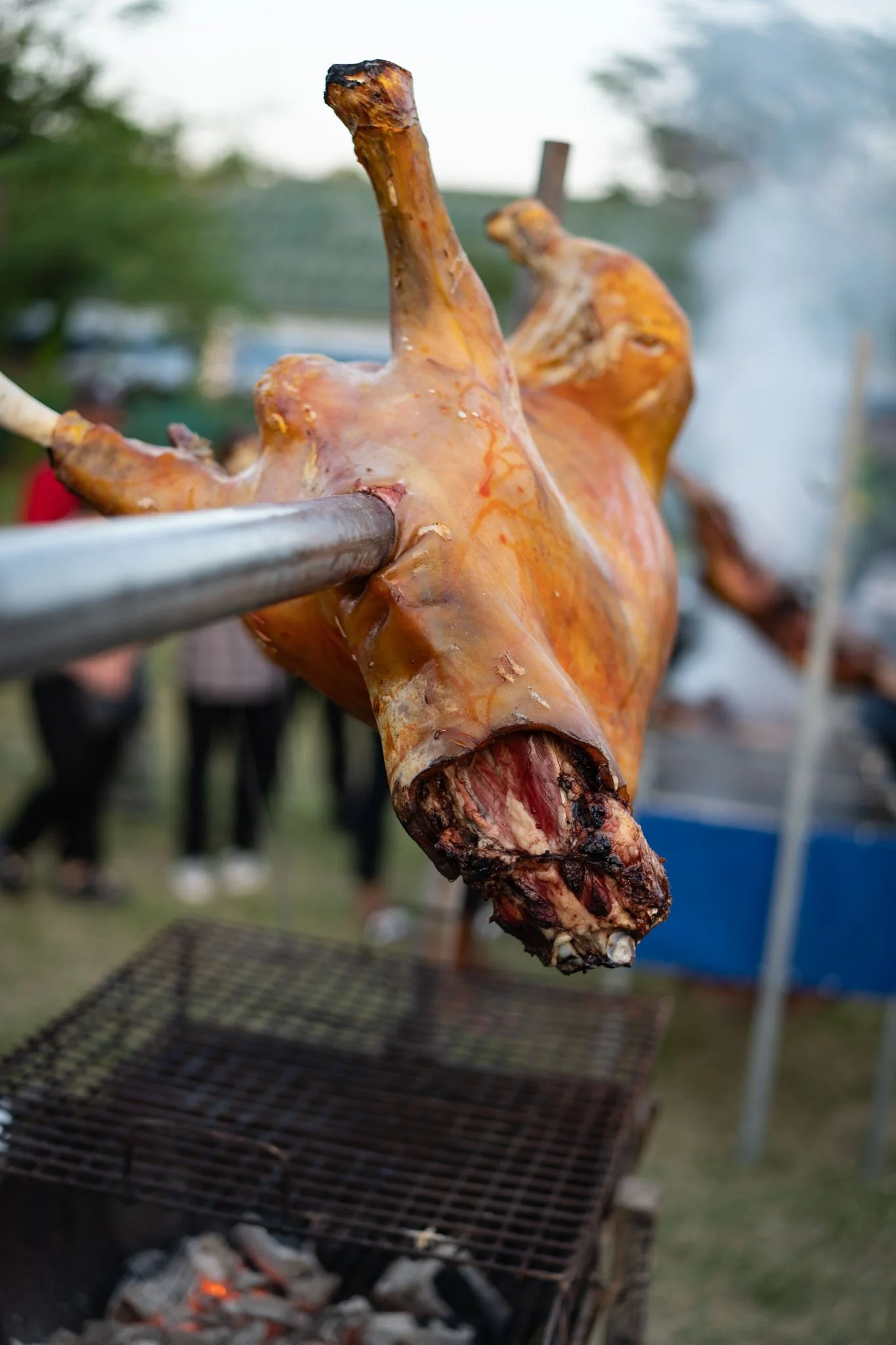
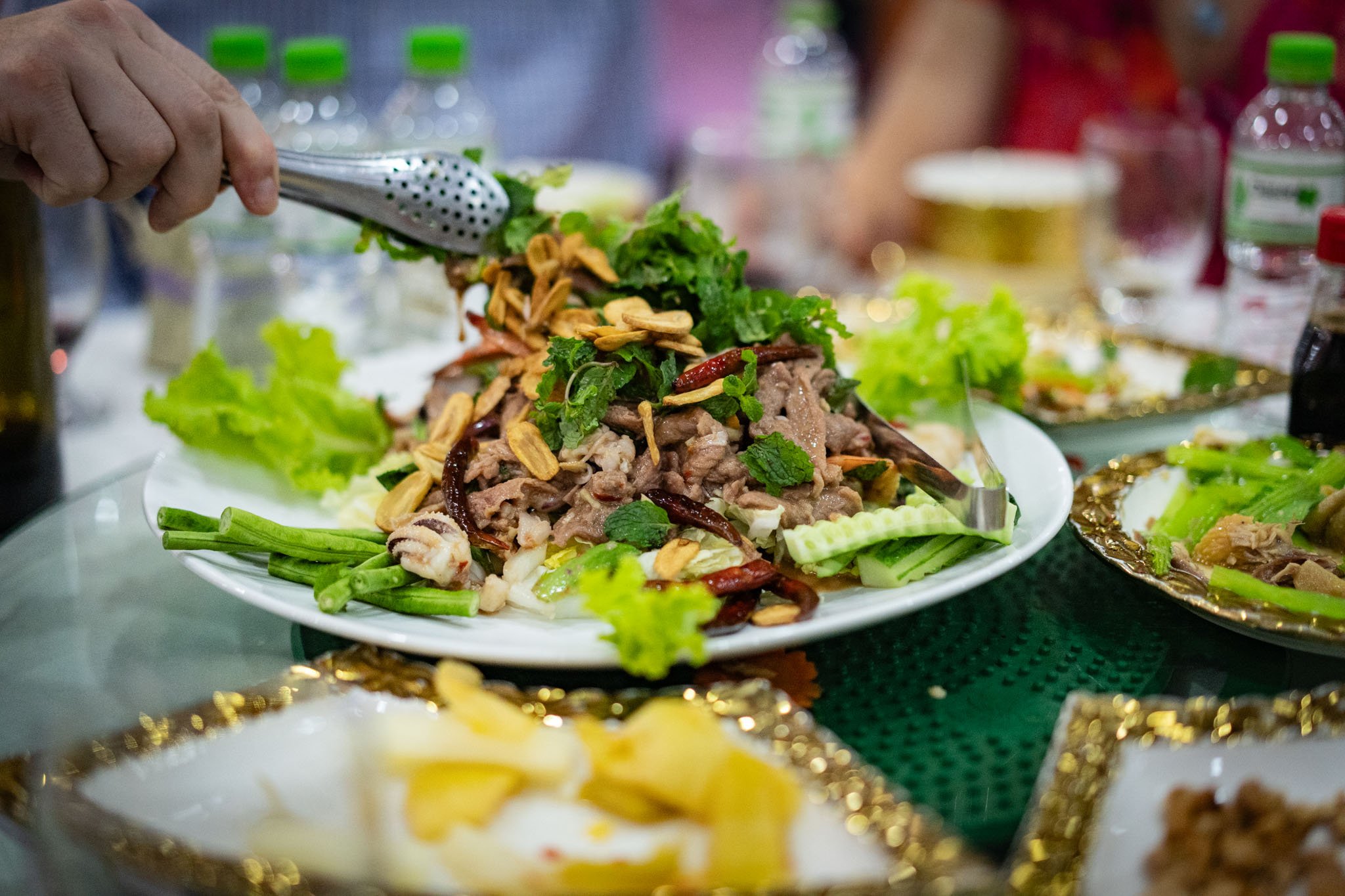
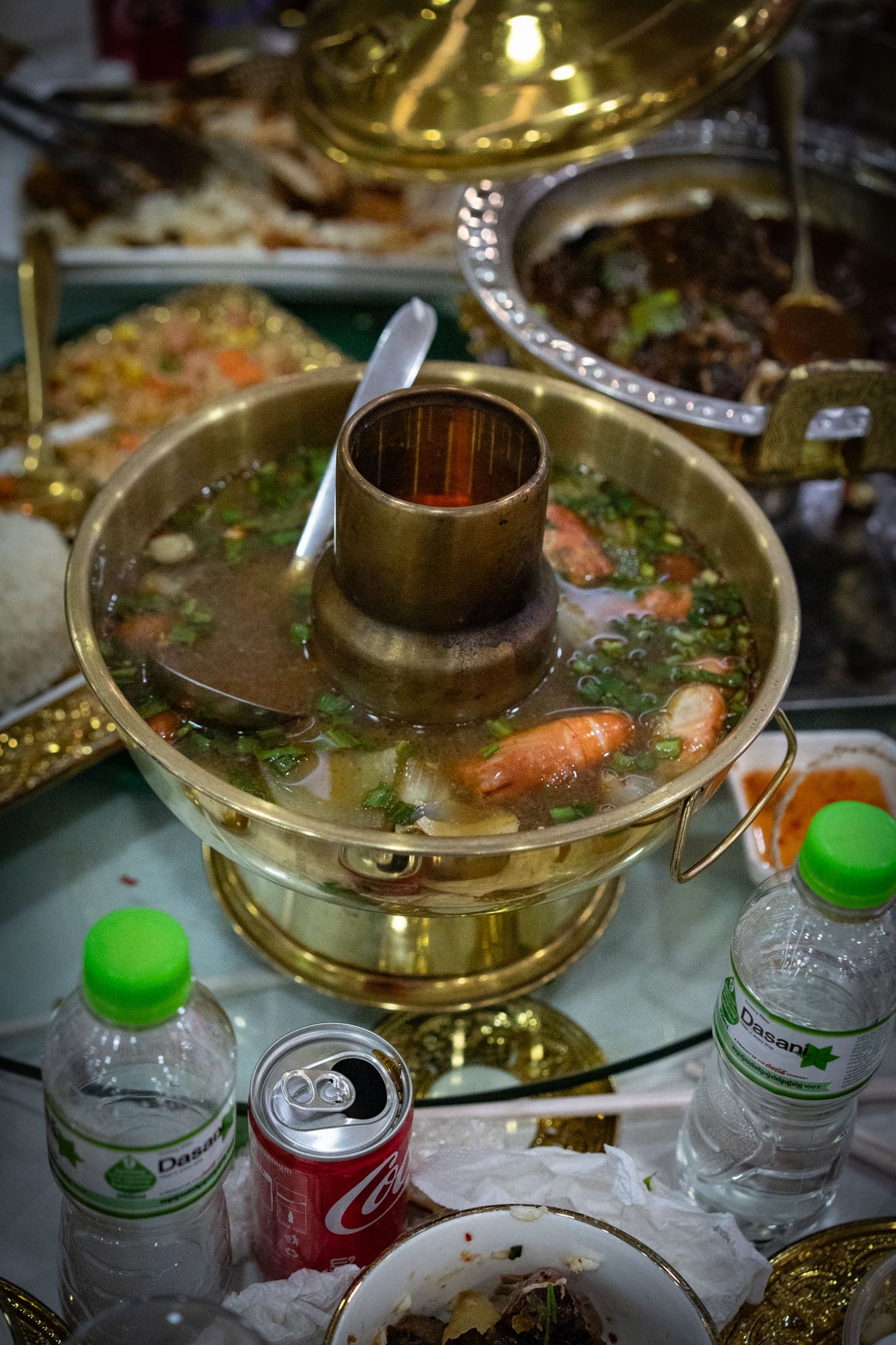
And the food! An army of waiters provided an endless array of local delicacies – fishes, meats, curries, salads, snacks, truly an epic feast.

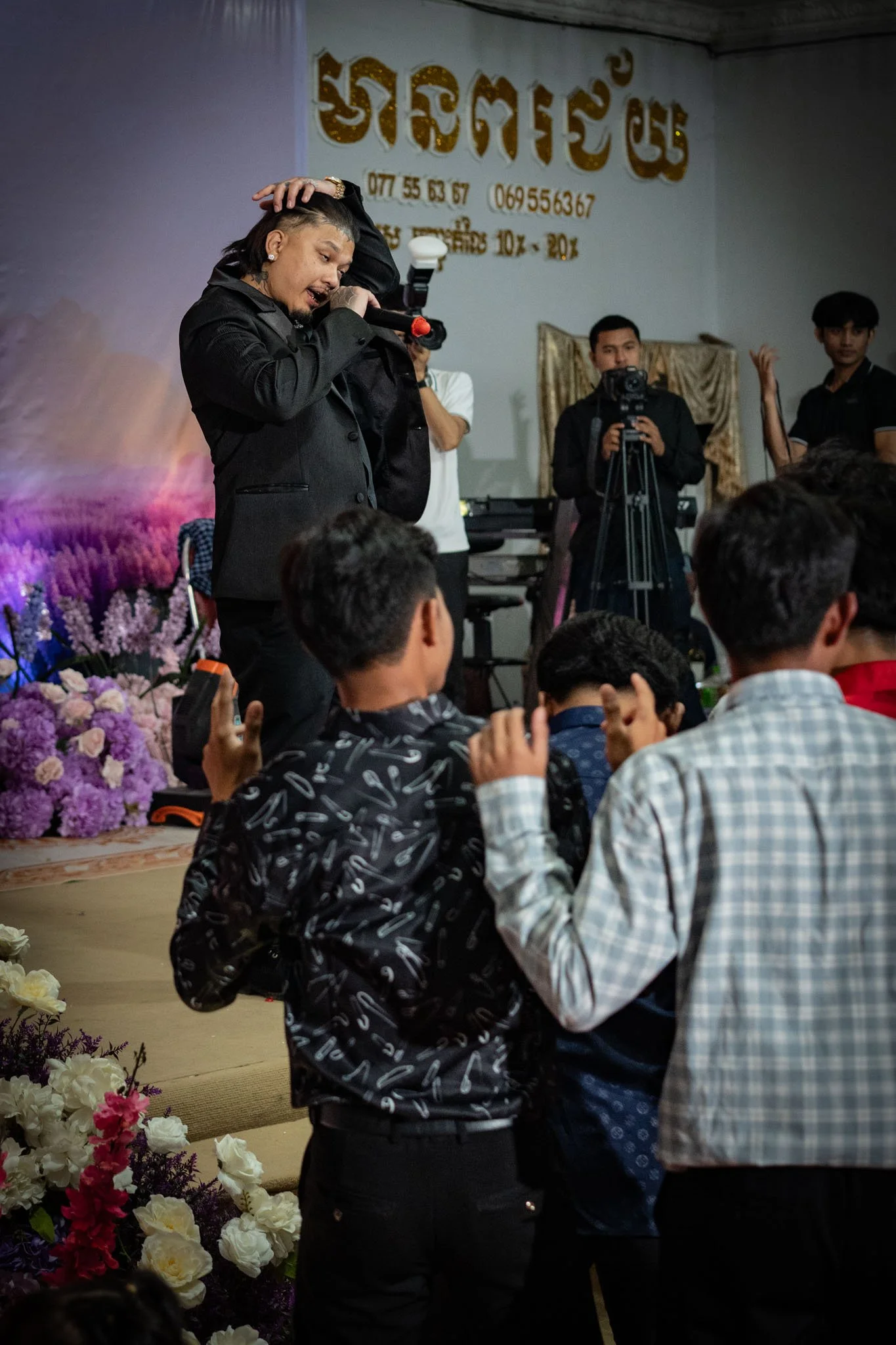
Our homegrown band relinquished the stage at the end of the formal ceremony, replaced by a professional combo with a repertoire that ranged from Sinn Sisamouth to Santana. But the musical highlight of the evening was a set by King Chi, one of Cambodia’s most famous rappers, who also happens to be the son of Saket and Chhrep, parents at our BB10 home.

We stayed at the reception for a couple of hours before Savorn noted our countenances fading. Jet lag (and, probably, age) was getting the better of us, and he said, “You guys can go if you like; the rest of the dancing is for the teenagers.”

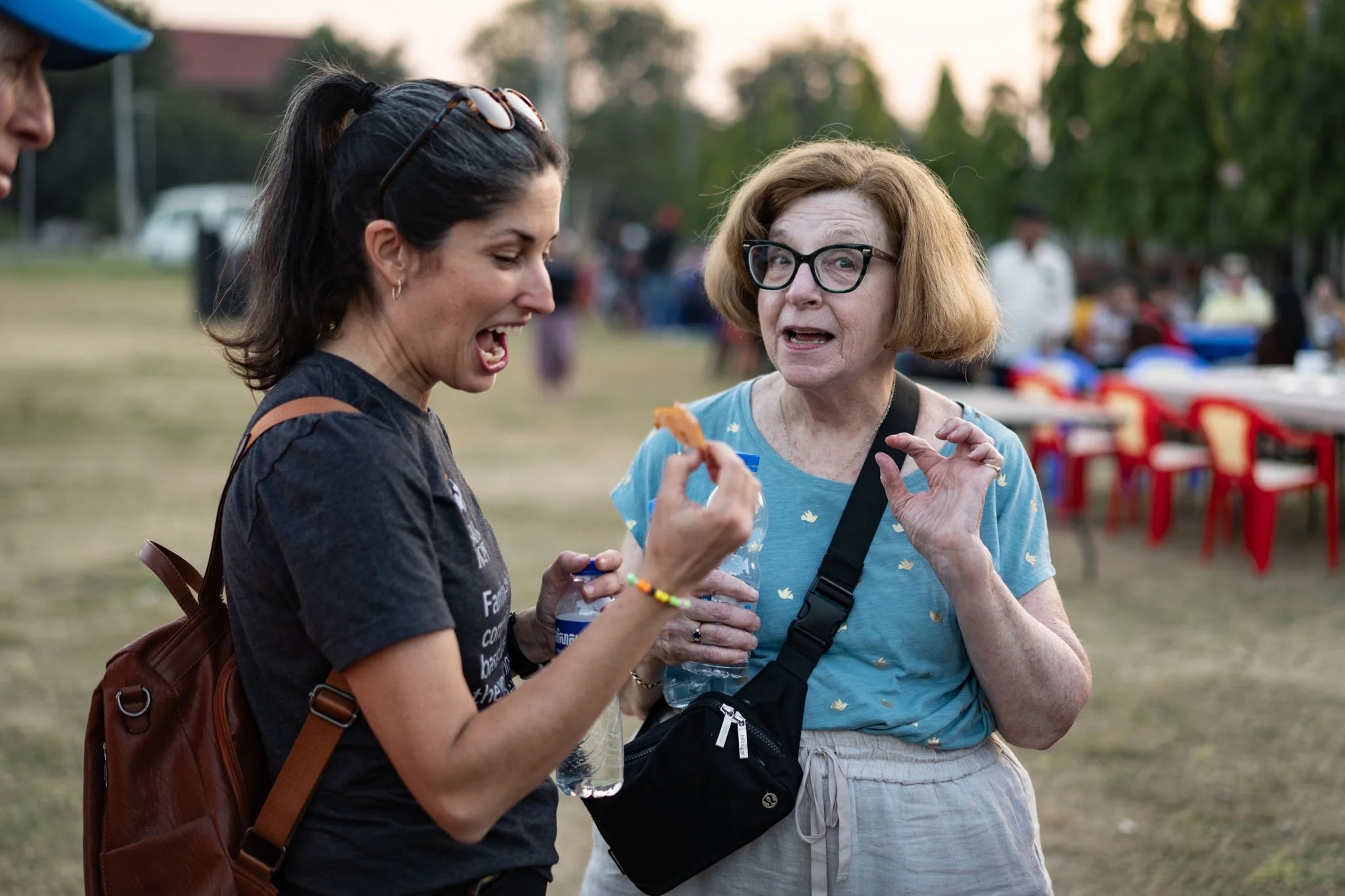
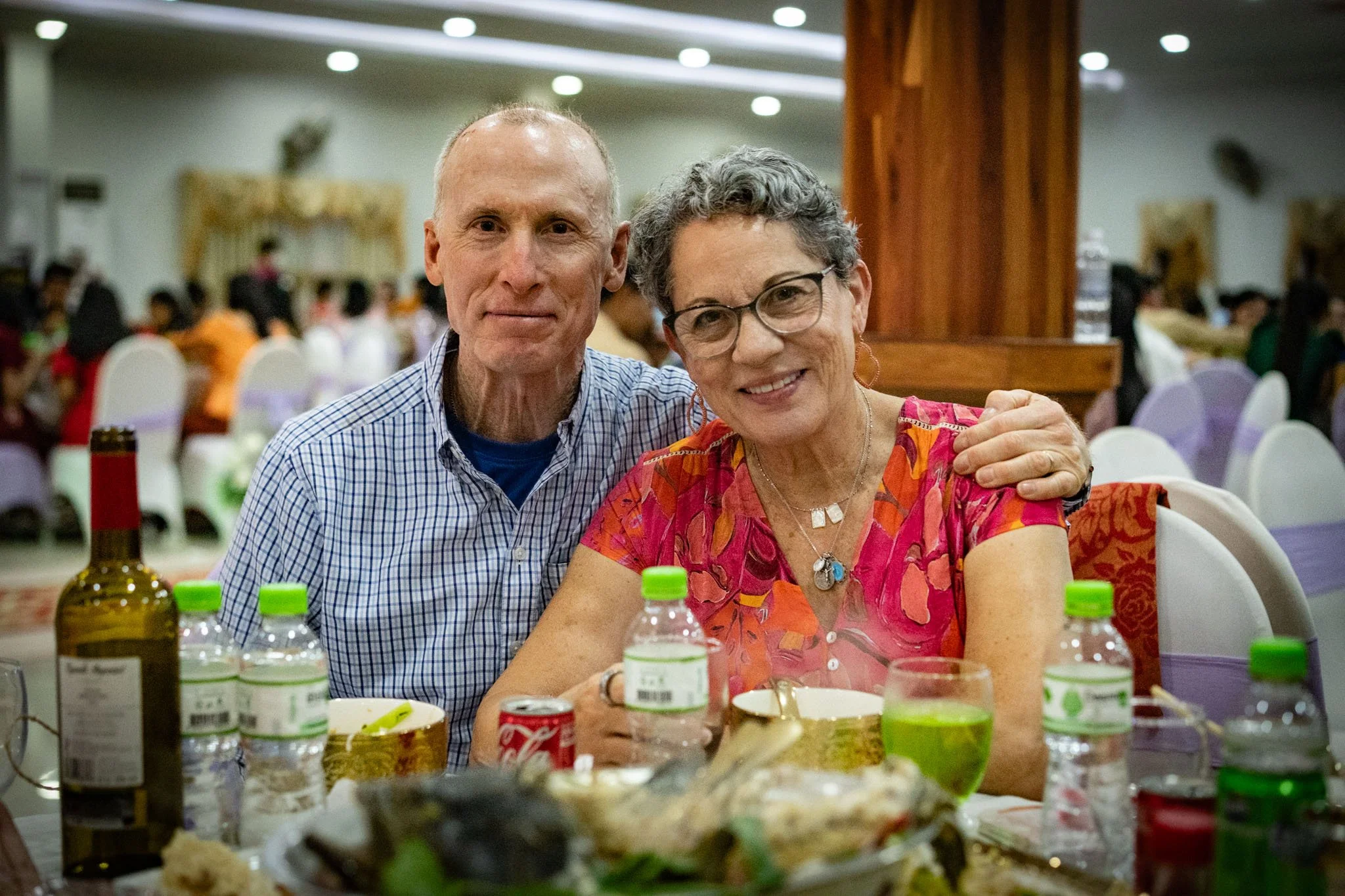
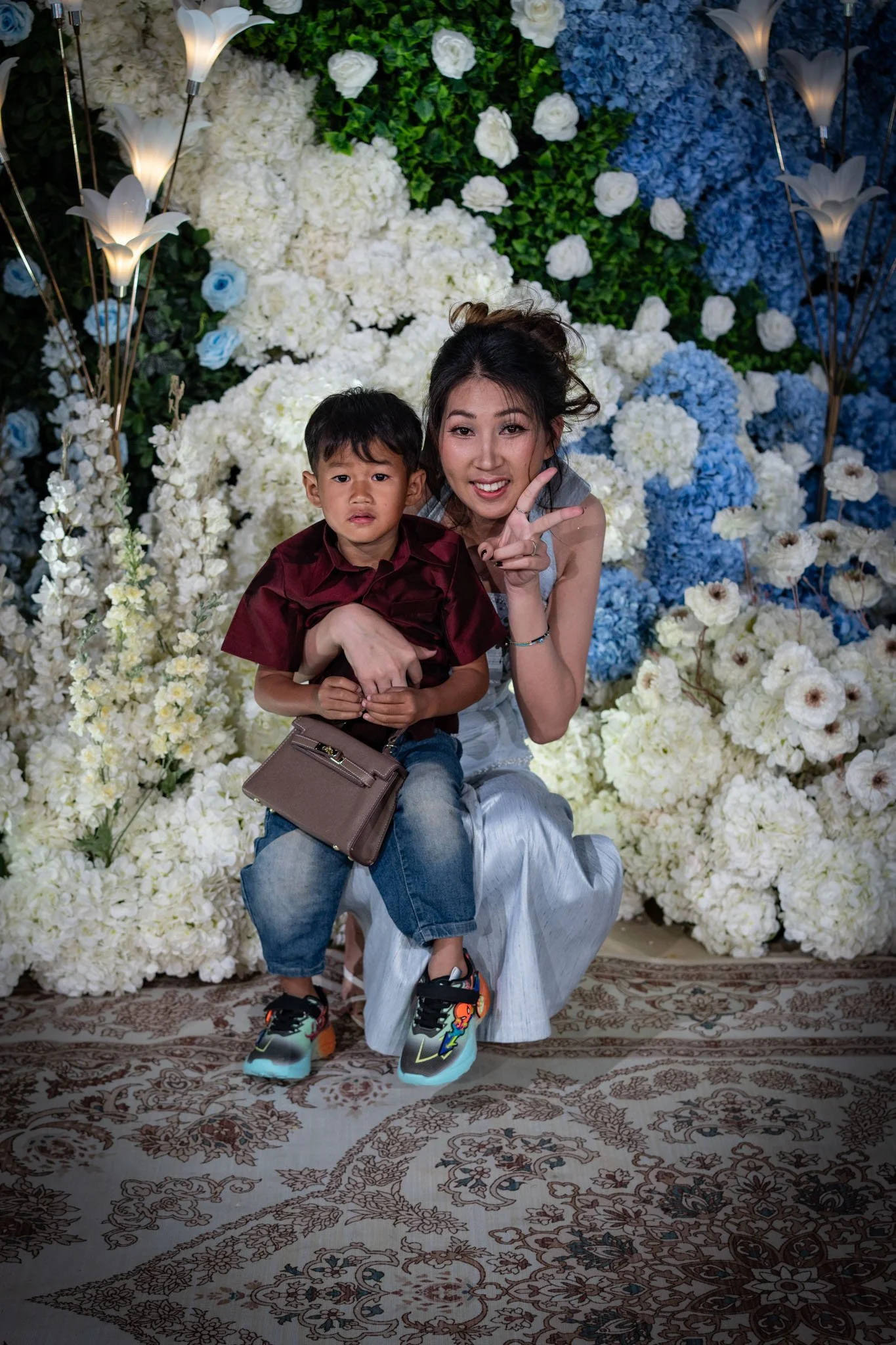
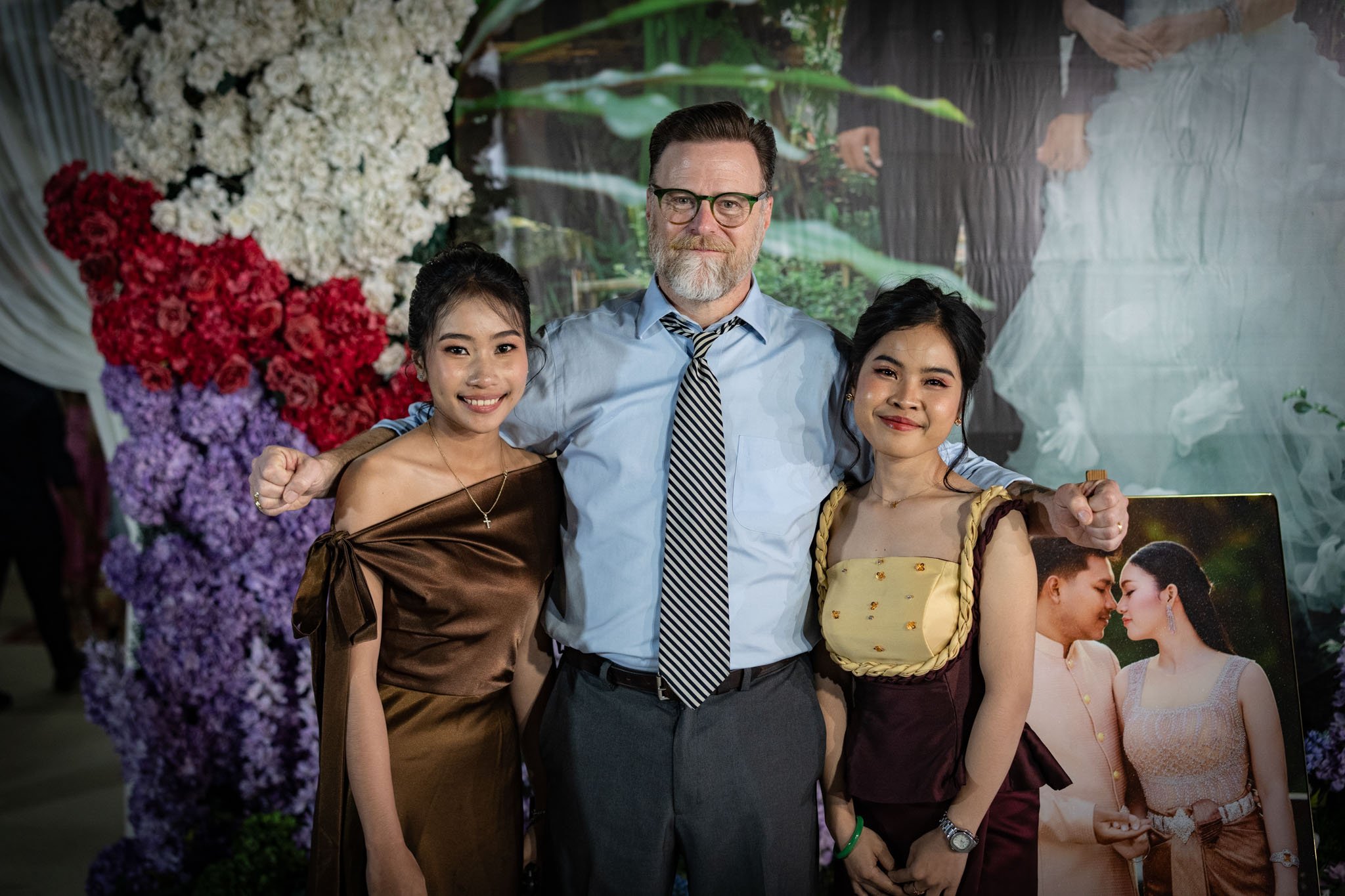
The 50 yard walk from our table to our car took us the better part of a half hour. We hugged and greeted countless friends and family – and complete strangers, most of whom wanted to pose with us for pictures.

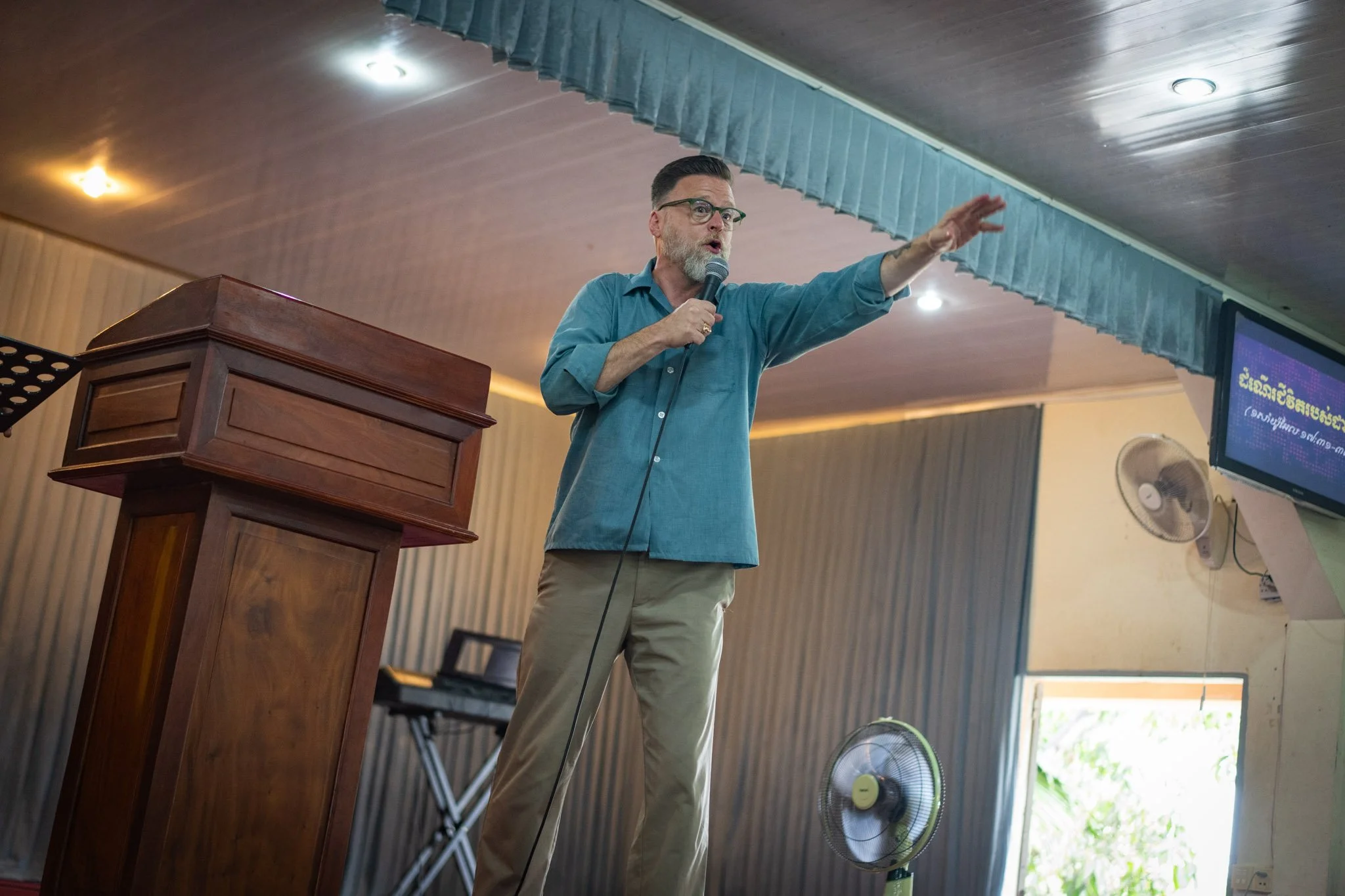
We’ve finally made it back to our hotel and I’m quickly losing focus. With any luck, my consciousness with follow shortly hereafter. Tomorrow is church, and I’m preaching. I’m looking forward to spending time on our campus with kids and staff. But first, I need to spend time with my pillow.

Good night to you all, and thank you for your prayers and support.

John McCollum Comment
A word about the Cambodia-Thailand conflict

Dear Friends,

I’m deeply saddened — and concerned — about the mounting military conflict along the Thai–Cambodian border.

The tensions between Thailand and Cambodia stem from a long history of rivalry, boundary disputes, mutual mistrust, and occasional armed conflict. In recent days, what had been an uneasy detente has escalated into actual hostilities, resulting in gunfire that has killed several soldiers and civilians. Both nations now feel angered and victimized by each other.

[Here’s the New York Times’ take on the crisis.]

Having worked in both countries for more than two decades, I know firsthand how intertwined our lives are. Many dear friends live and work in Thailand and Cambodia. Asia’s Hope operates 19 children’s homes in Cambodia and 10 in Thailand, and some of our graduates serve in both countries’ armed forces.

This conflict is incredibly complex. I don’t have the expertise—or the intent—to comment on specific political leaders, their decisions, or rhetoric. Instead, I invite you to join me in prayer:

  • Pray for Savorn, Tutu, and all our staff and children for protection, comfort, and peace.

  • Pray that the leaders of both nations will step back from the brink of war, and return to peaceful diplomacy.

We are closely monitoring the situation. At this time, there is no known direct threat to any of our homes, schools, or churches, and we are not asking anyone to cancel travel plans.

However, if you have any concerns or questions about upcoming trips to Cambodia or Thailand, please reach out. I — or someone from our office — will respond with the most current guidance based on updates from our partners.

Praying for peace,

John

John McCollum, Executive Director
Asia's Hope

http://www.asiashope.org
cell: 614.804.6233

296 West Fourth Avenue
Columbus, Ohio 43201


John McCollumComment
The centrality — and sacredness — of a shared table

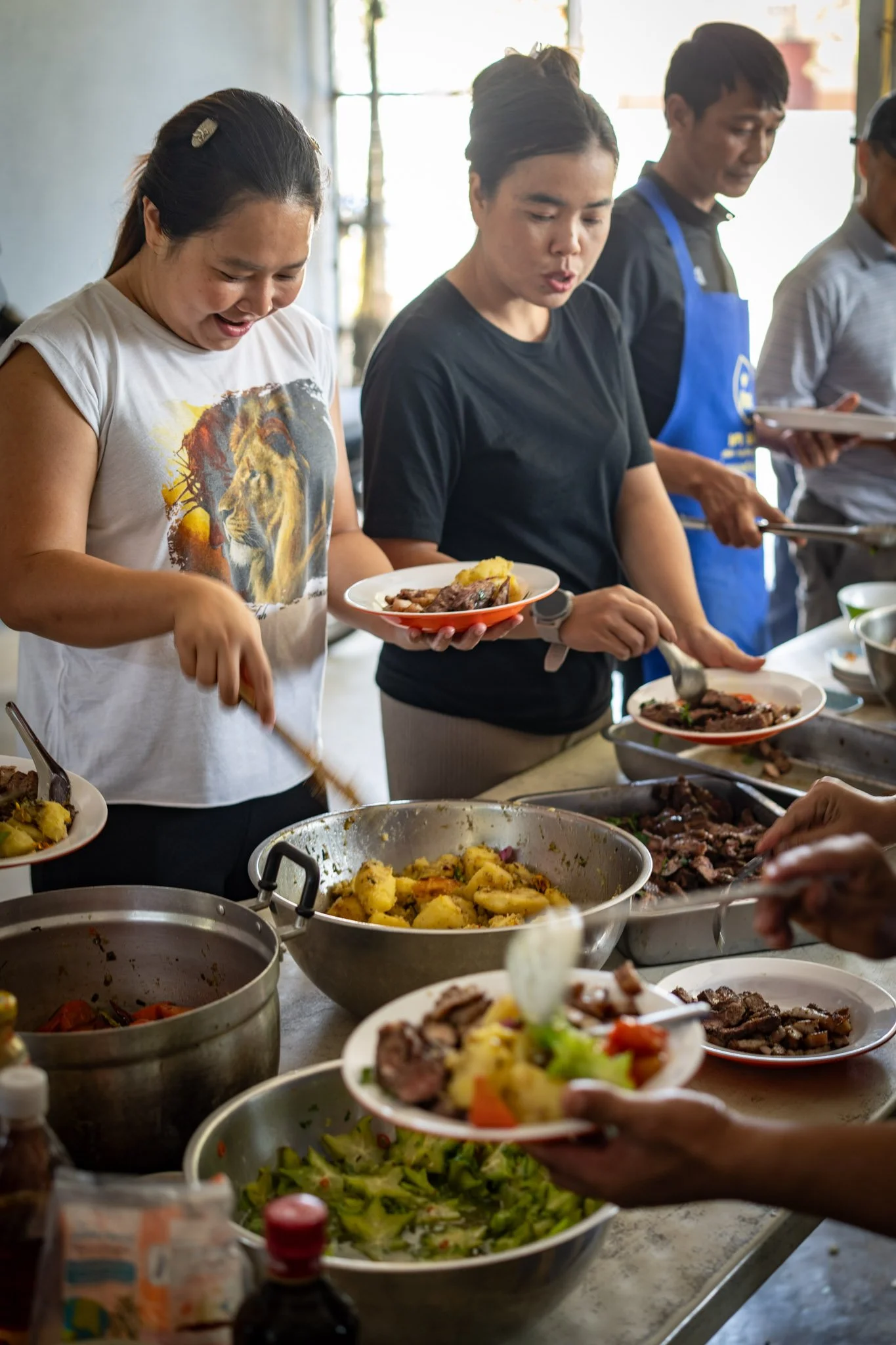
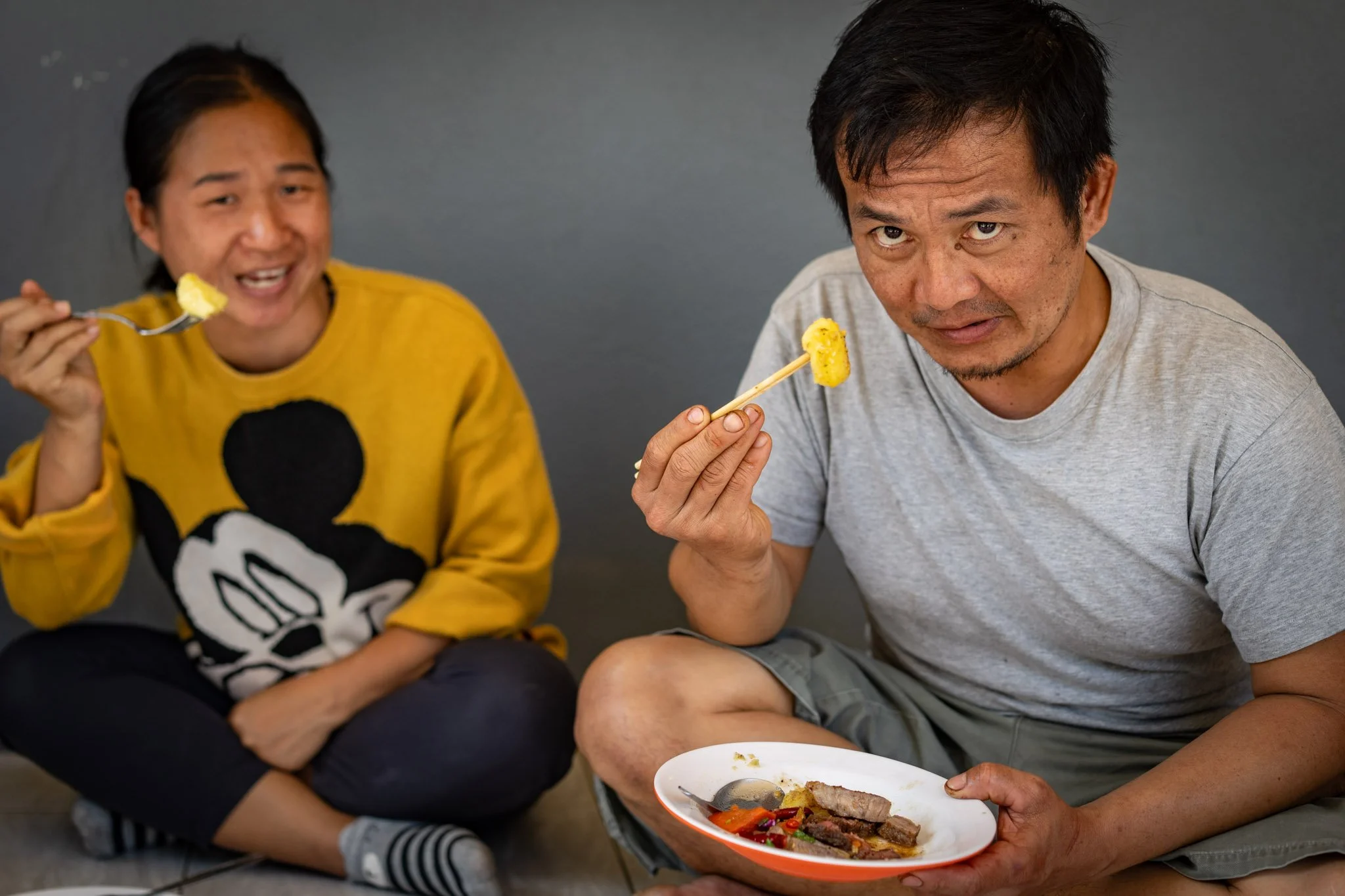
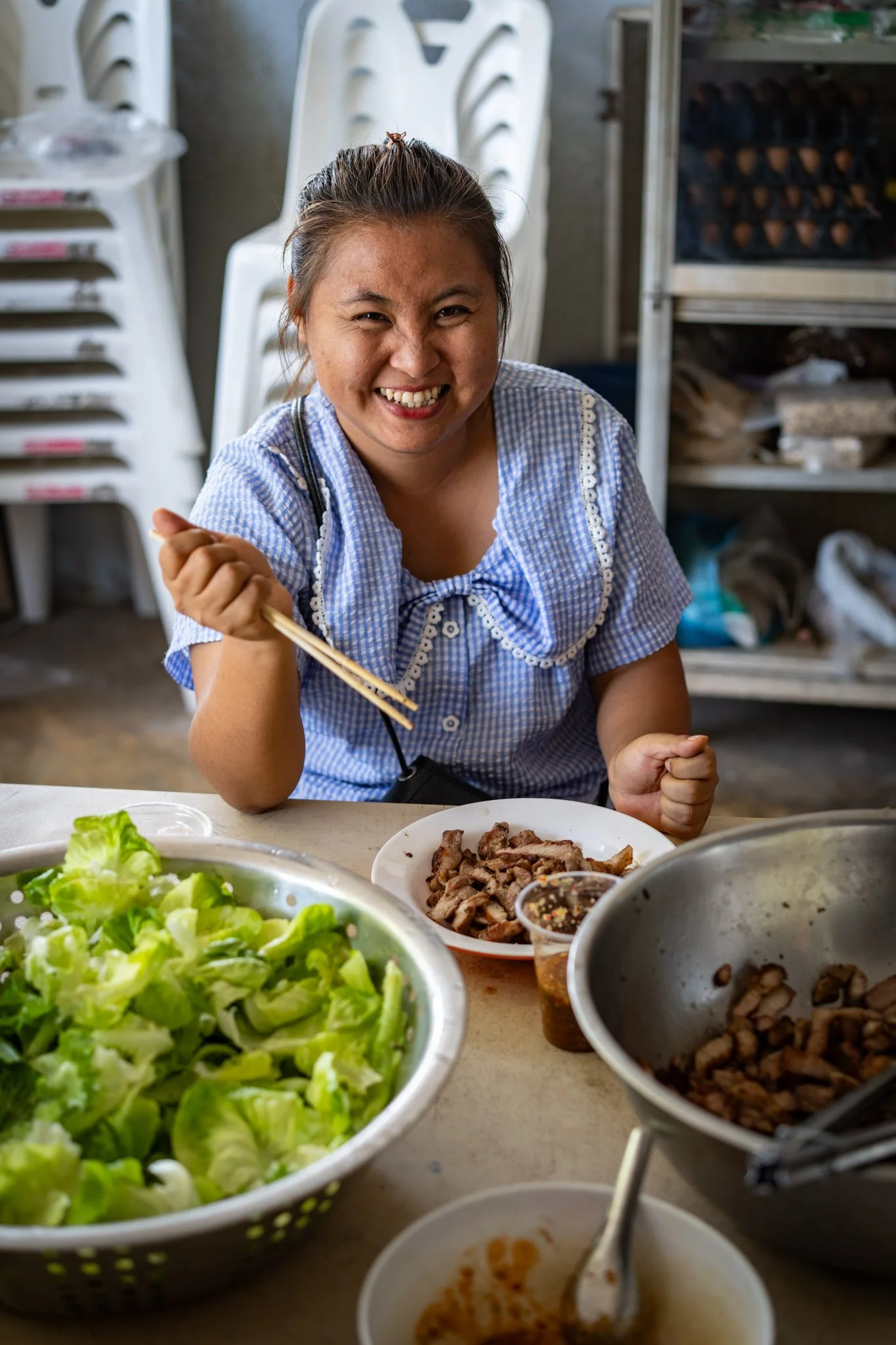
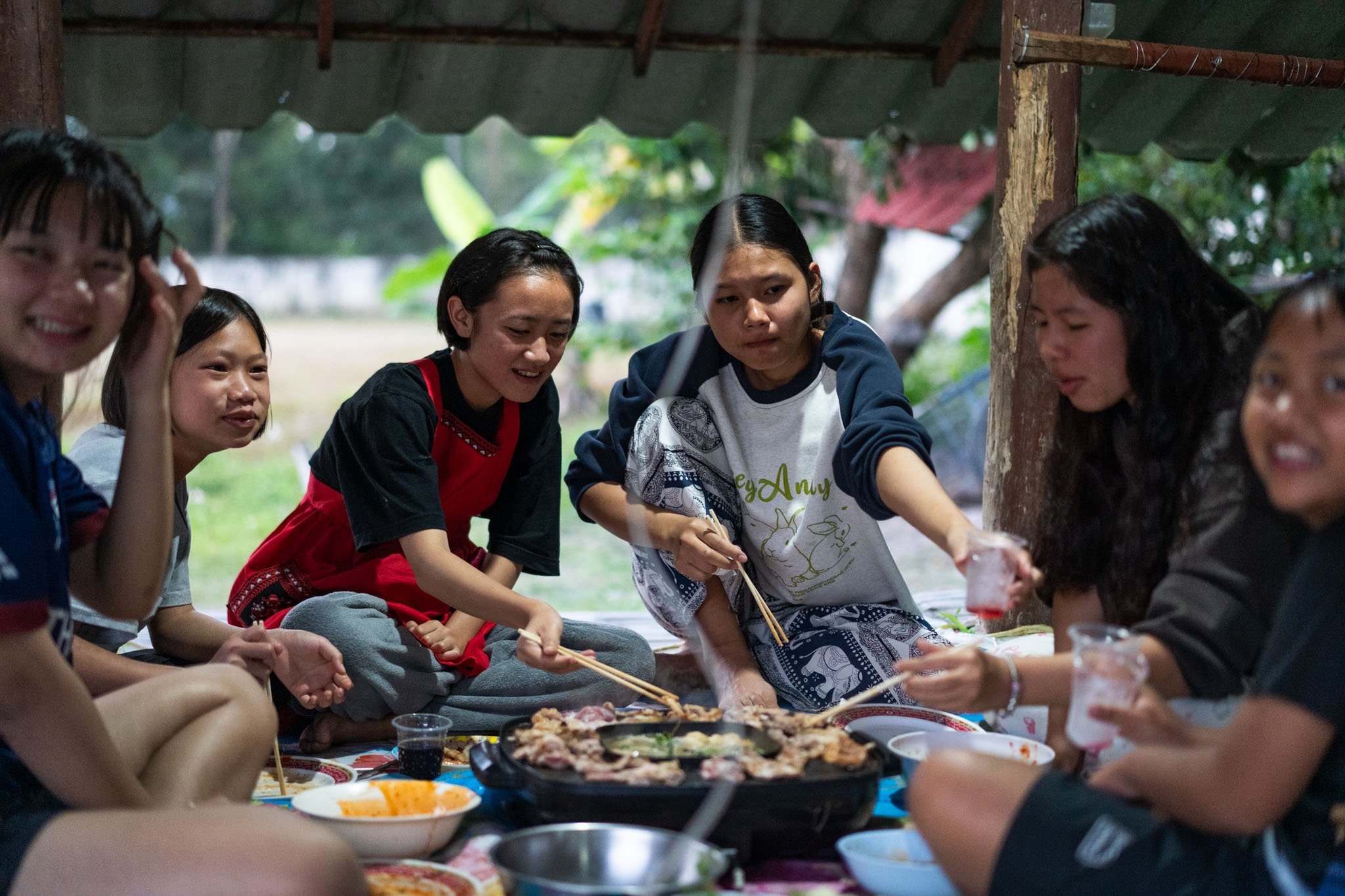
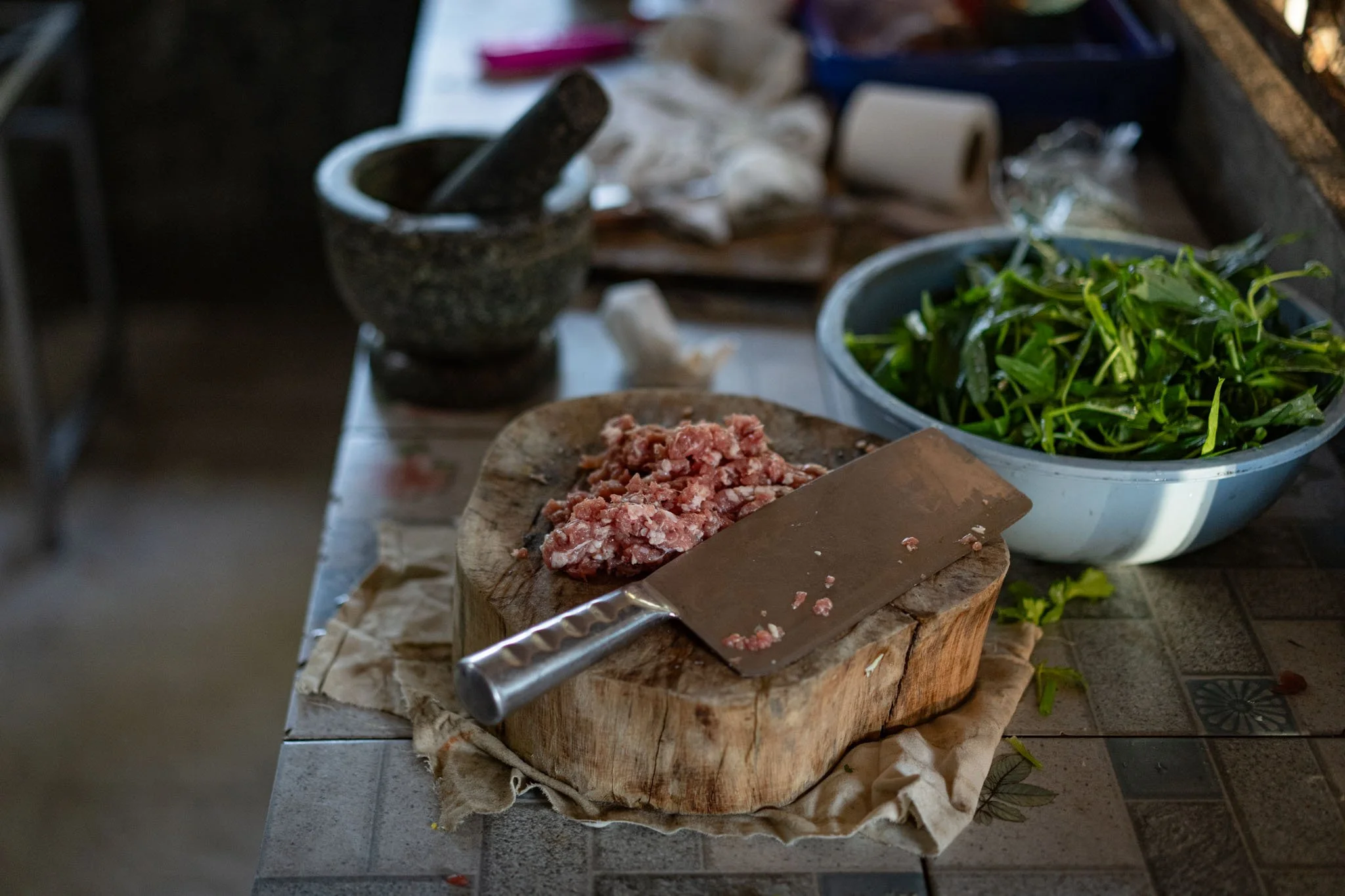
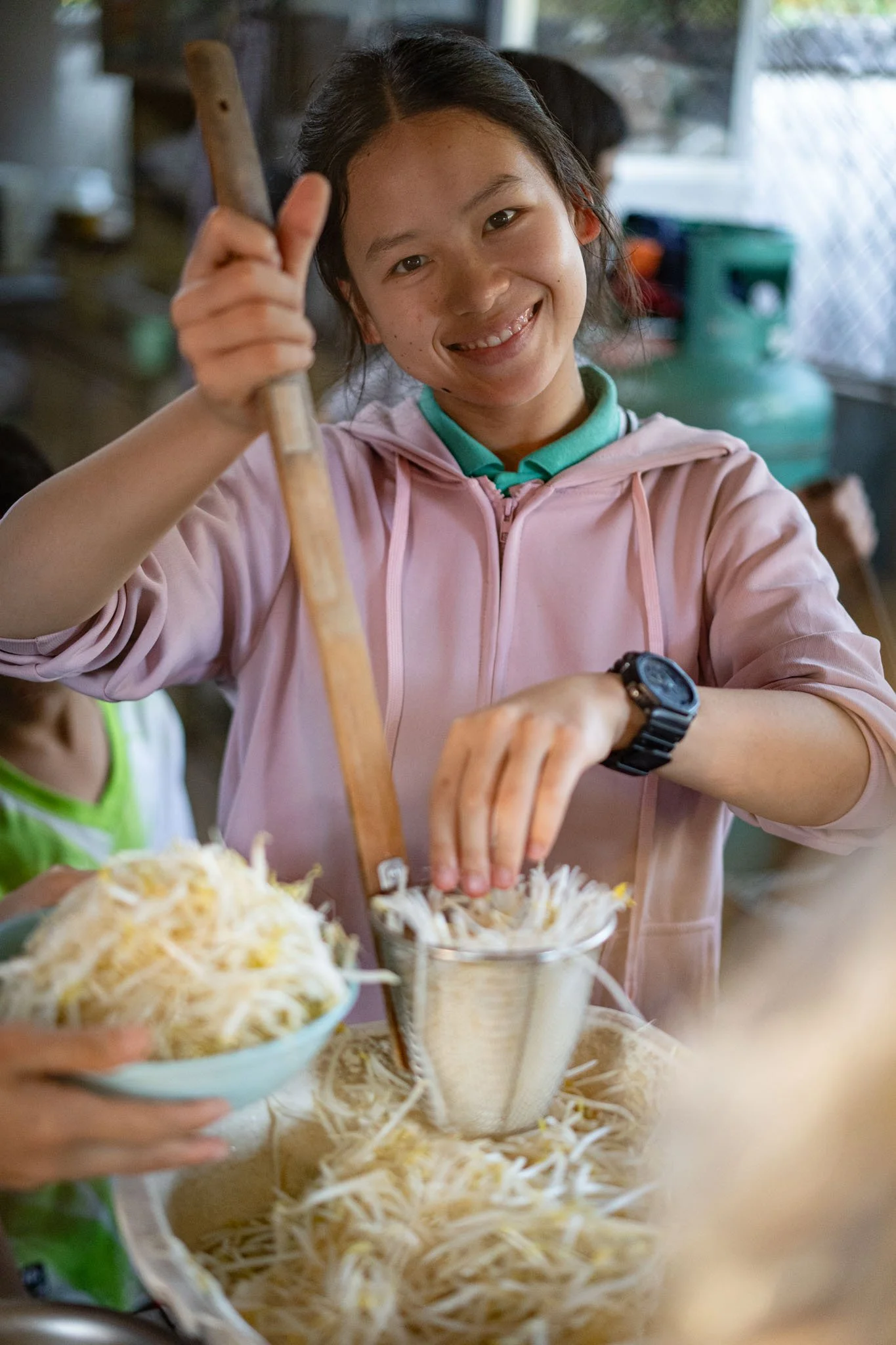
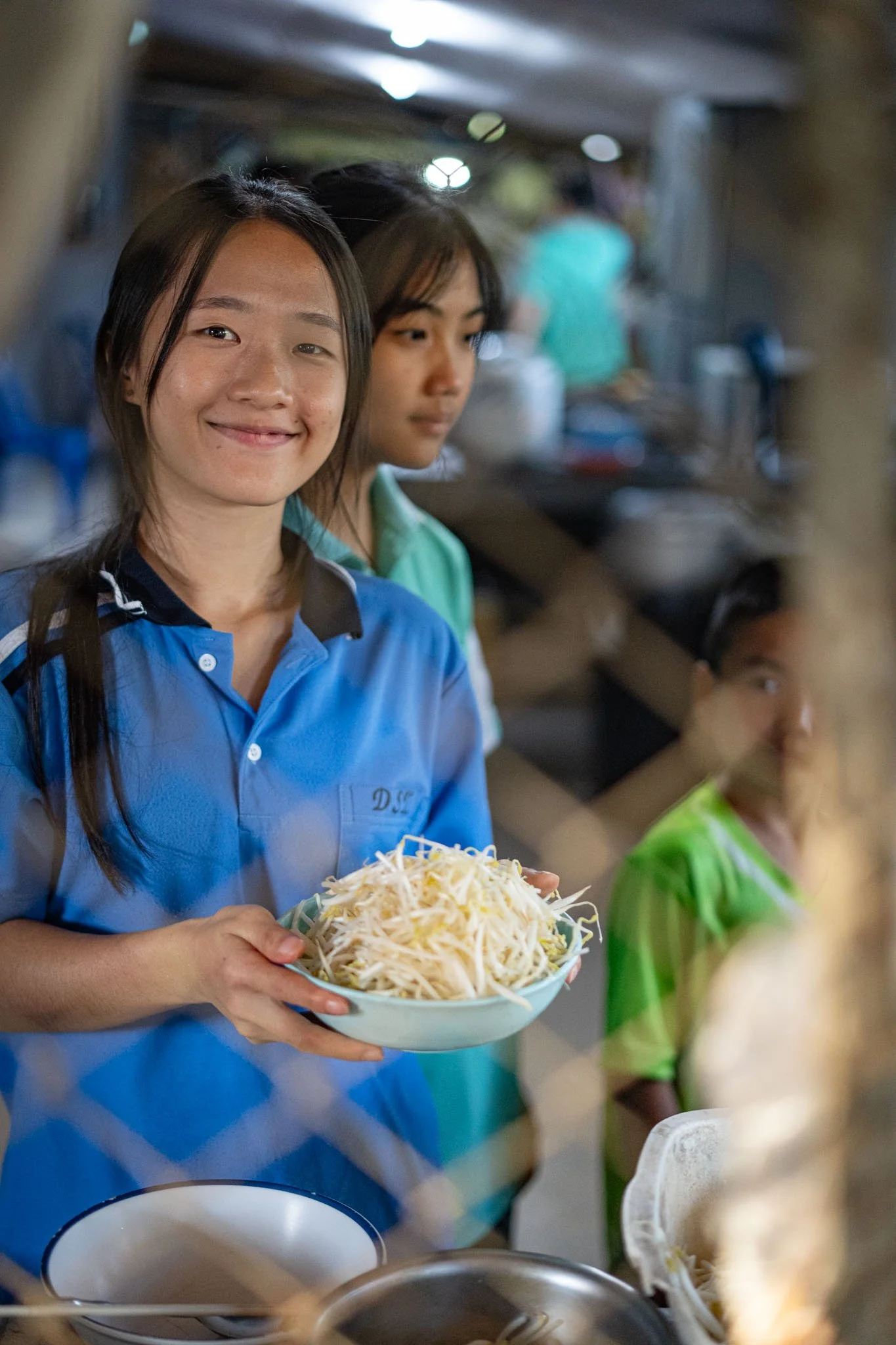
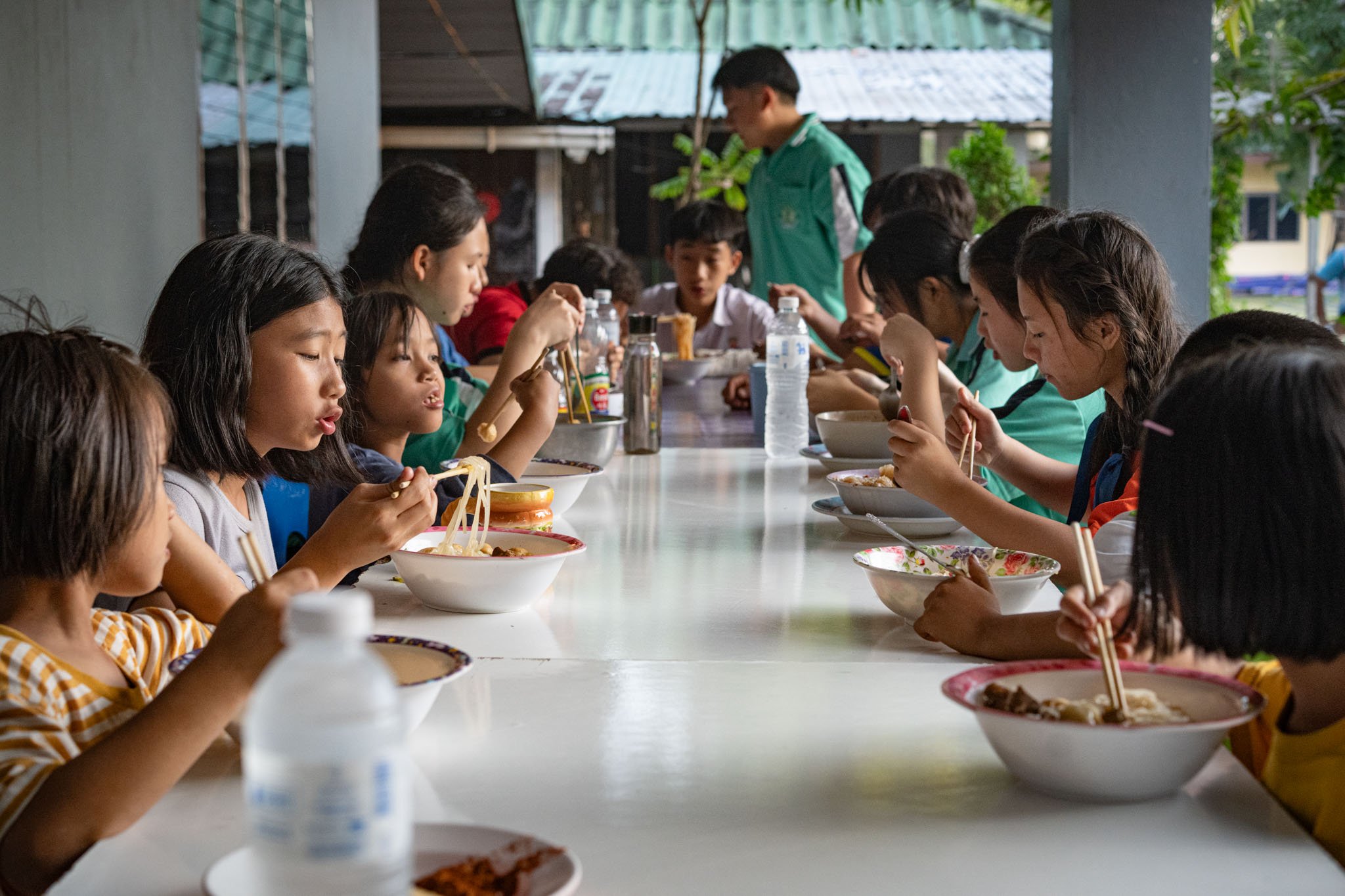
While the kids are at school, Asia’s Hope staff gather for lunch in Wiang Pa Pao, Thailand.

Scroll through my photos and you might mistake me for a mere epicure, a wannabe food photographer — or some guy with midlife ambitions of opening a noodle shop and writing cookbooks in his spare time.

But that’s not it.

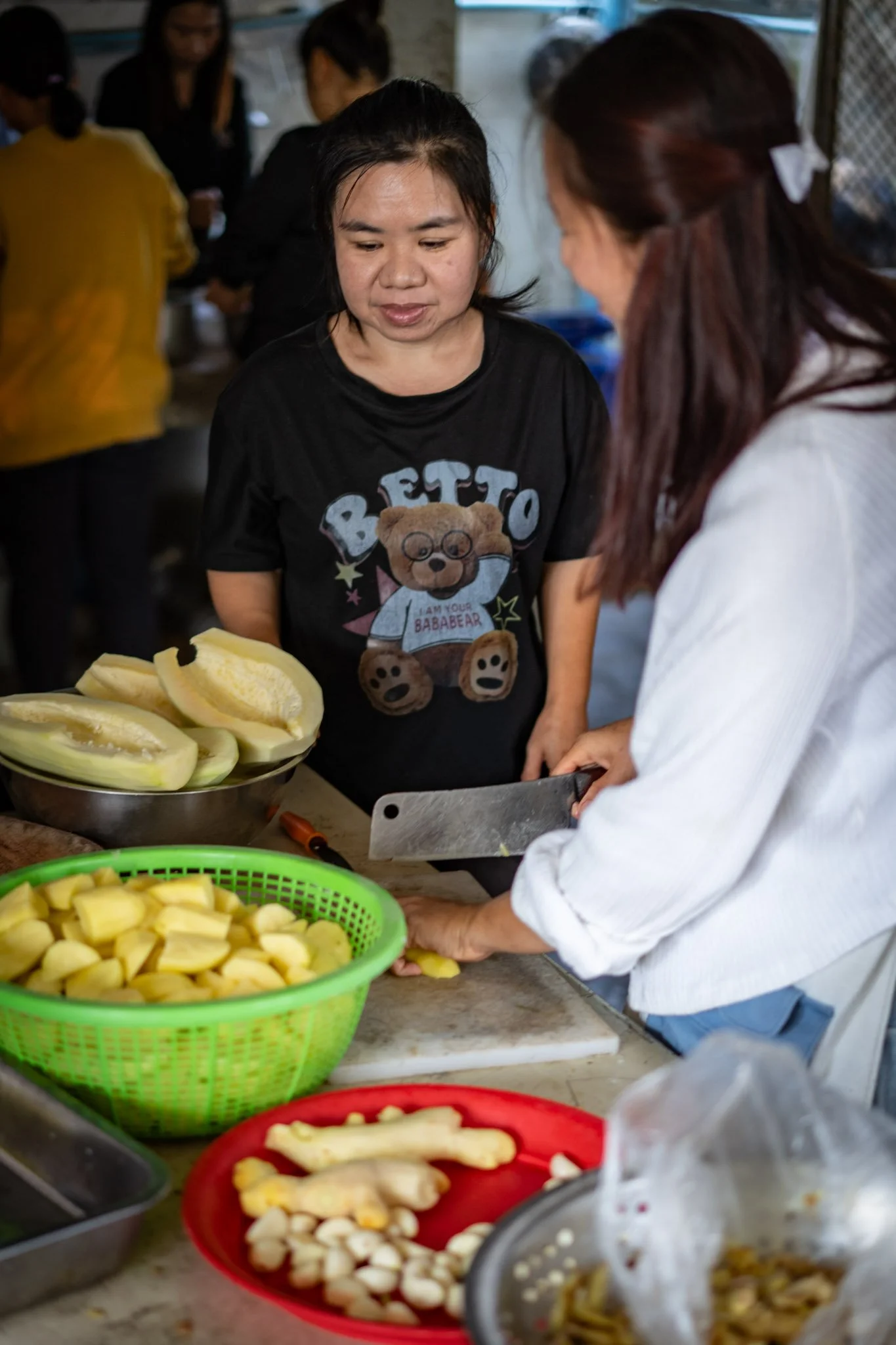
The truth is, I do spend a lot of time thinking about food — photographing it, preparing it, talking about it, celebrating it — because food isn’t just fundamental. For me, it’s sacred. It’s not just about fuel. It’s about culture, family, and love.

Scripture is filled with stories of meals that shape identity and reveal divine truth. Abraham welcomes strangers with a feast, only to discover they are messengers of God. In Exodus, Israel is formed into a people over a shared meal — the Passover — a recurring act of remembrance and deliverance.

In the Gospels, Jesus dines with outcasts, breaking social taboos to make room at the table for the excluded. His first miracle is at a wedding feast. His final evening with the disciples is spent around a supper table.

And the Kingdom of God itself? Jesus says it’s like a banquet — a wedding feast where the poor, the broken, and the marginalized are honored guests.

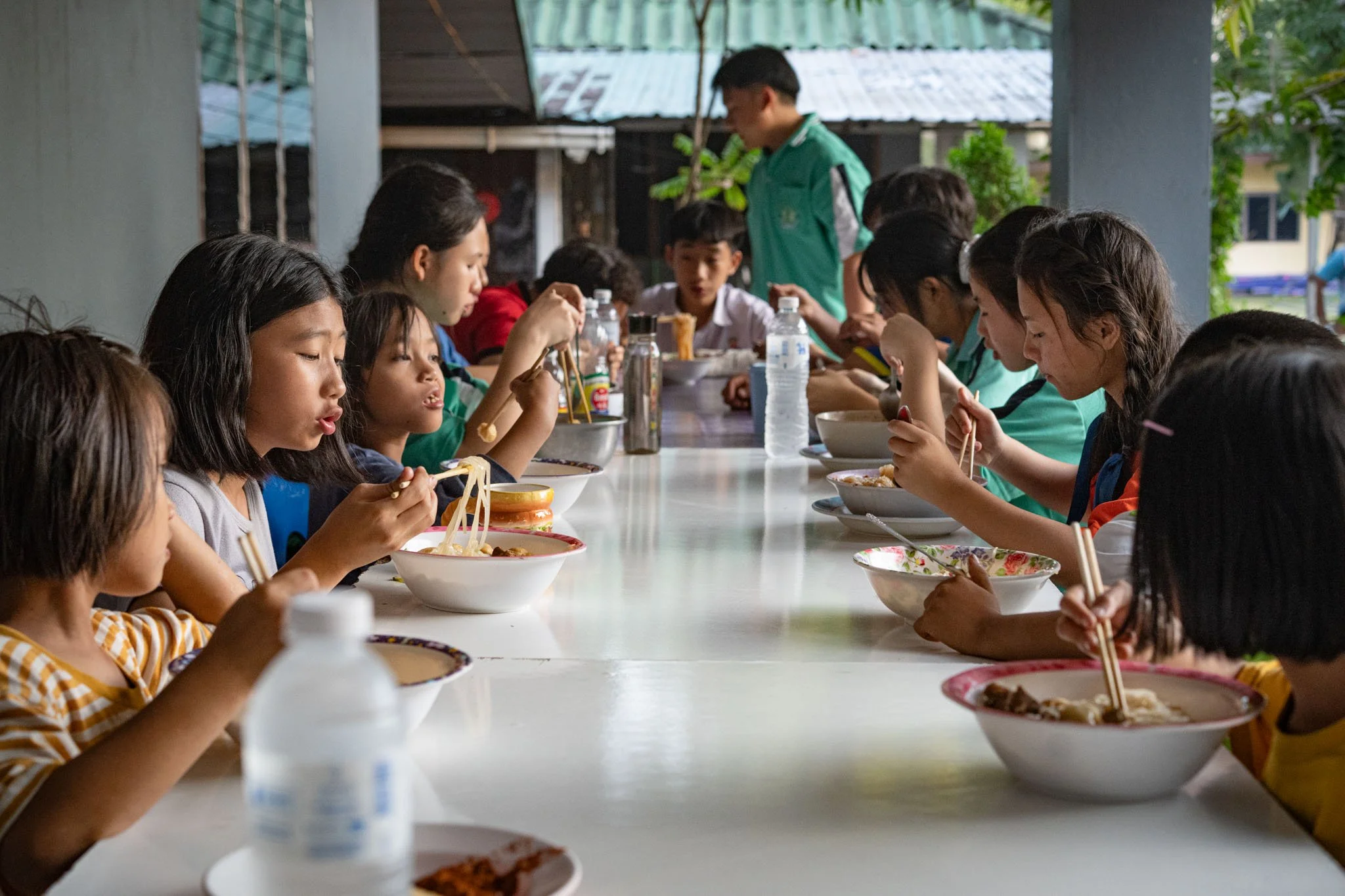
In my travels across Asia, I’ve seen institutional orphanages where hundreds of children line up cafeteria-style, served rations by an ever-rotating roster of shift workers — people who will never know their names, much less their stories.

That’s not good enough.

At Asia’s Hope, we celebrate the centrality of the shared table.

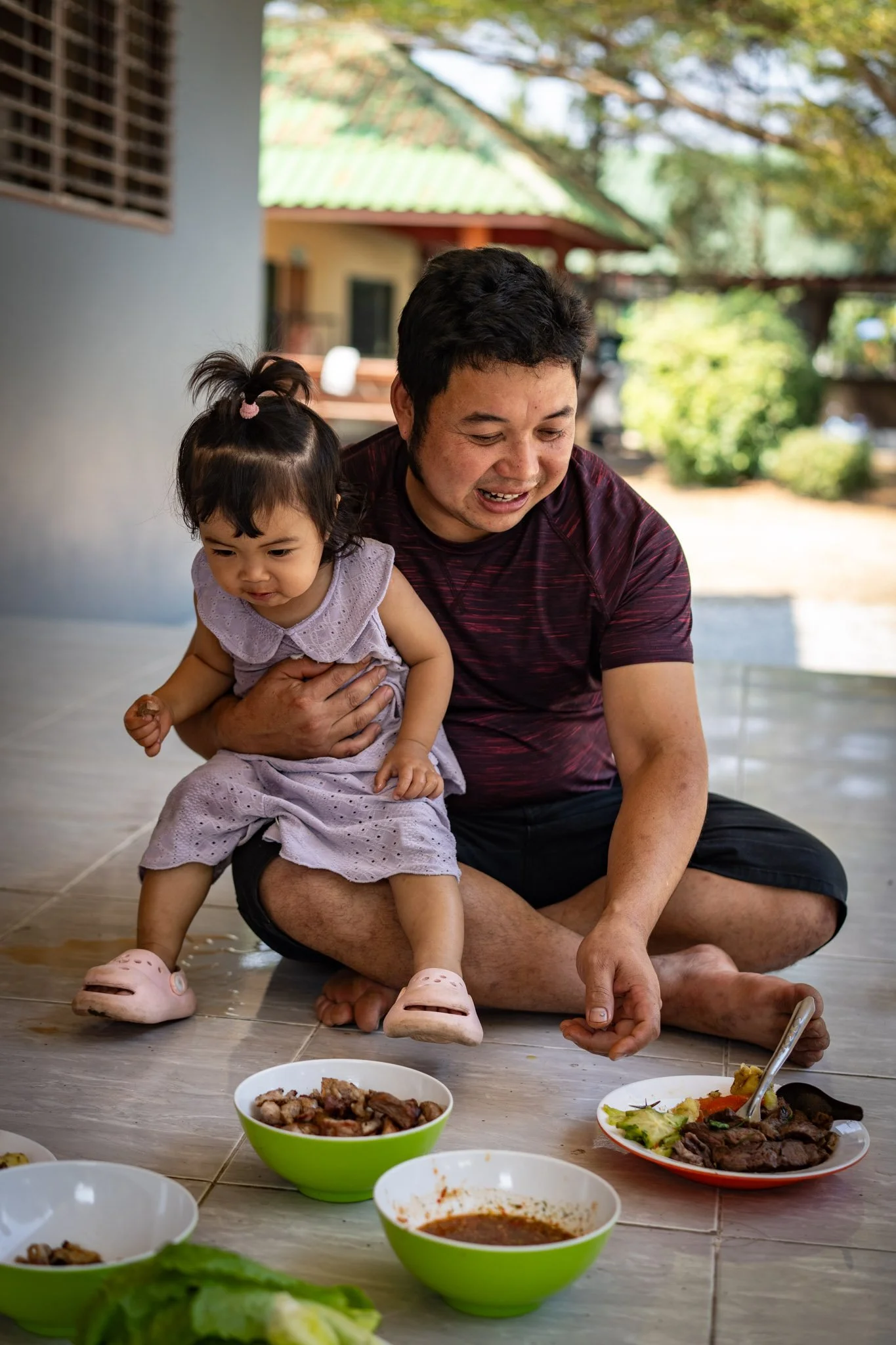
We don’t invite children into an institution; we welcome them into a family. Our home parents shop for their own food. They cook dinners as a family. And when guests visit or special occasions arise, we feast.

Barbara Coloroso puts it beautifully:

“There is something profoundly satisfying about sharing a meal. Eating together, breaking bread together, is one of the oldest and most fundamentally unifying of human experiences.”

Michael Pollan echoes the sentiment:

“The shared meal elevates eating from a mechanical process of fueling the body to a ritual of family and community — from mere animal biology to an act of culture.”

And Jesus himself says,

“Behold, I stand at the door and knock. If anyone hears my voice and opens the door, I will come in and eat with him, and he with me.” (Revelation 3:20)

Isaiah prophesies,

“On this mountain the Lord Almighty will prepare a feast of rich food for all peoples…”

— a promise fulfilled in the long-anticipated wedding supper of the Lamb. (Isaiah 25:6, Revelation 19:9)

Over the past couple of years, I’ve spent time discerning and articulating the cultural values that exemplify Asia’s Hope at its best: Hospitality. Simplicity. Hope. Delight. And the fullest, most memorable expressions of these values are found in the kitchen or around the table.

I’d love for all of you to experience this in person at Asia’s Hope. But since that’s not possible, I hope my photos and stories will give you a glimpse — a taste — of what it means to be welcomed. To be loved. To belong.

Taste and see that the Lord is good — and that He is providing bountifully for His precious kids at our 35 children’s homes in Cambodia, Thailand, and India.


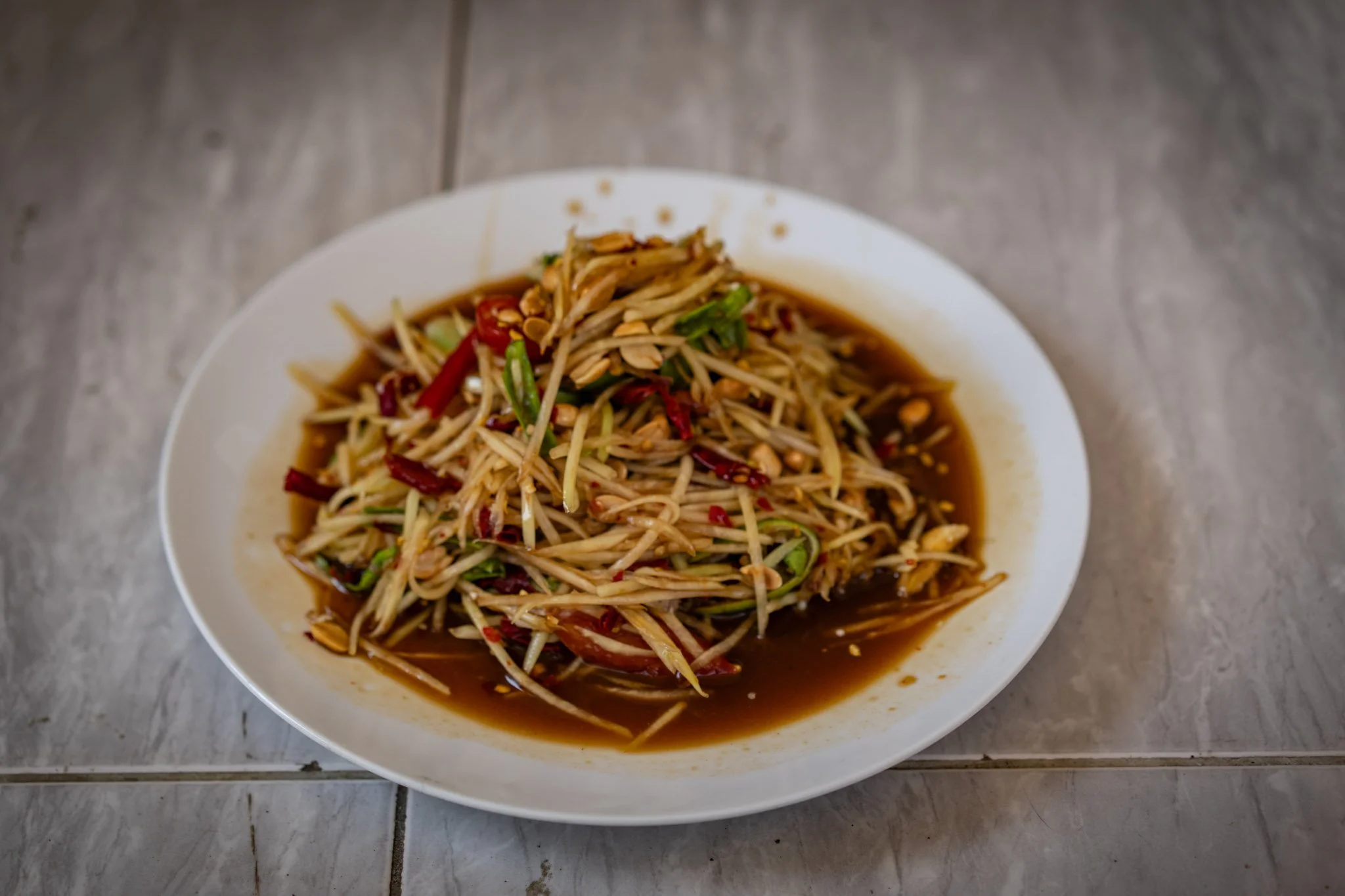
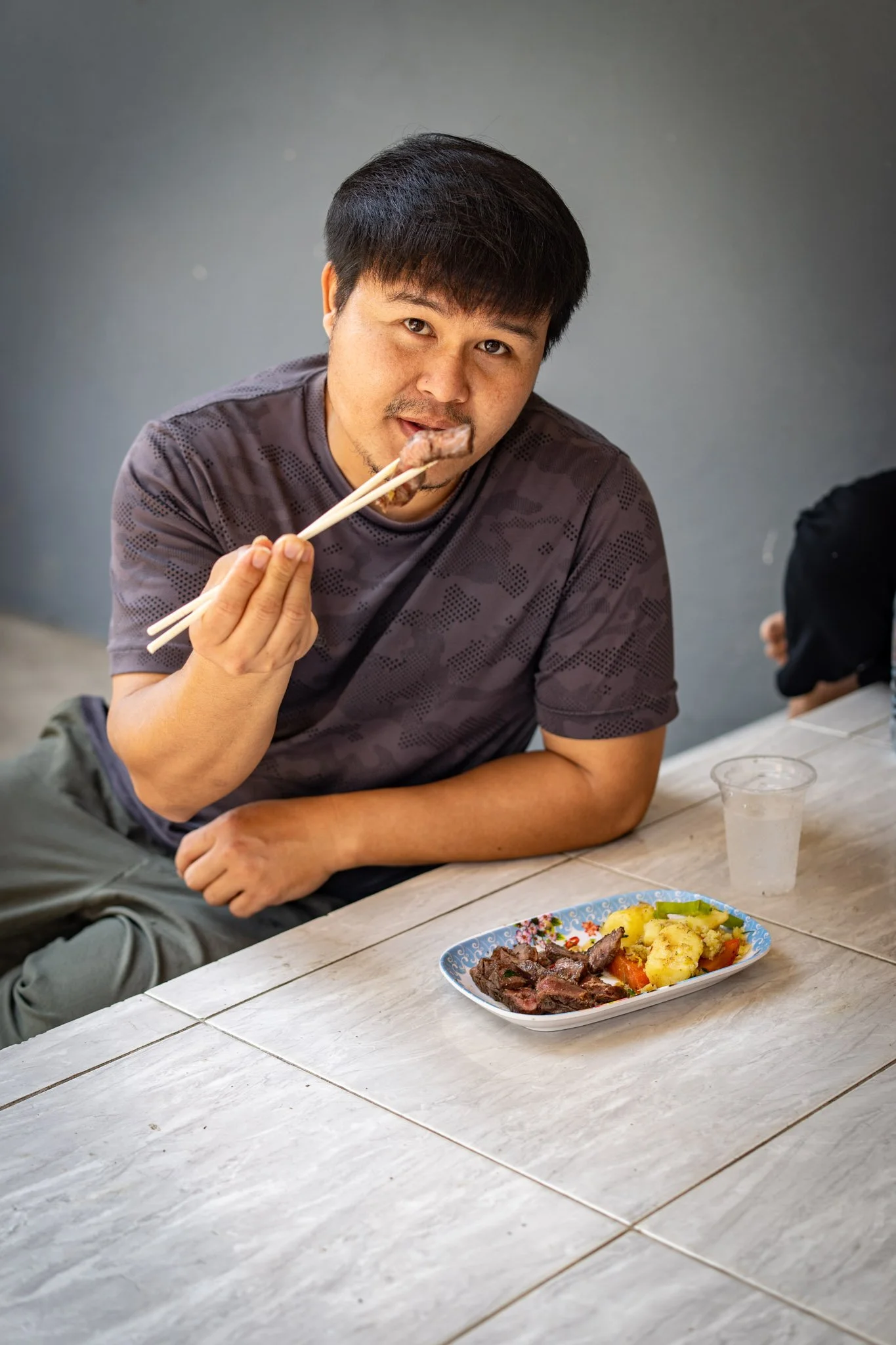
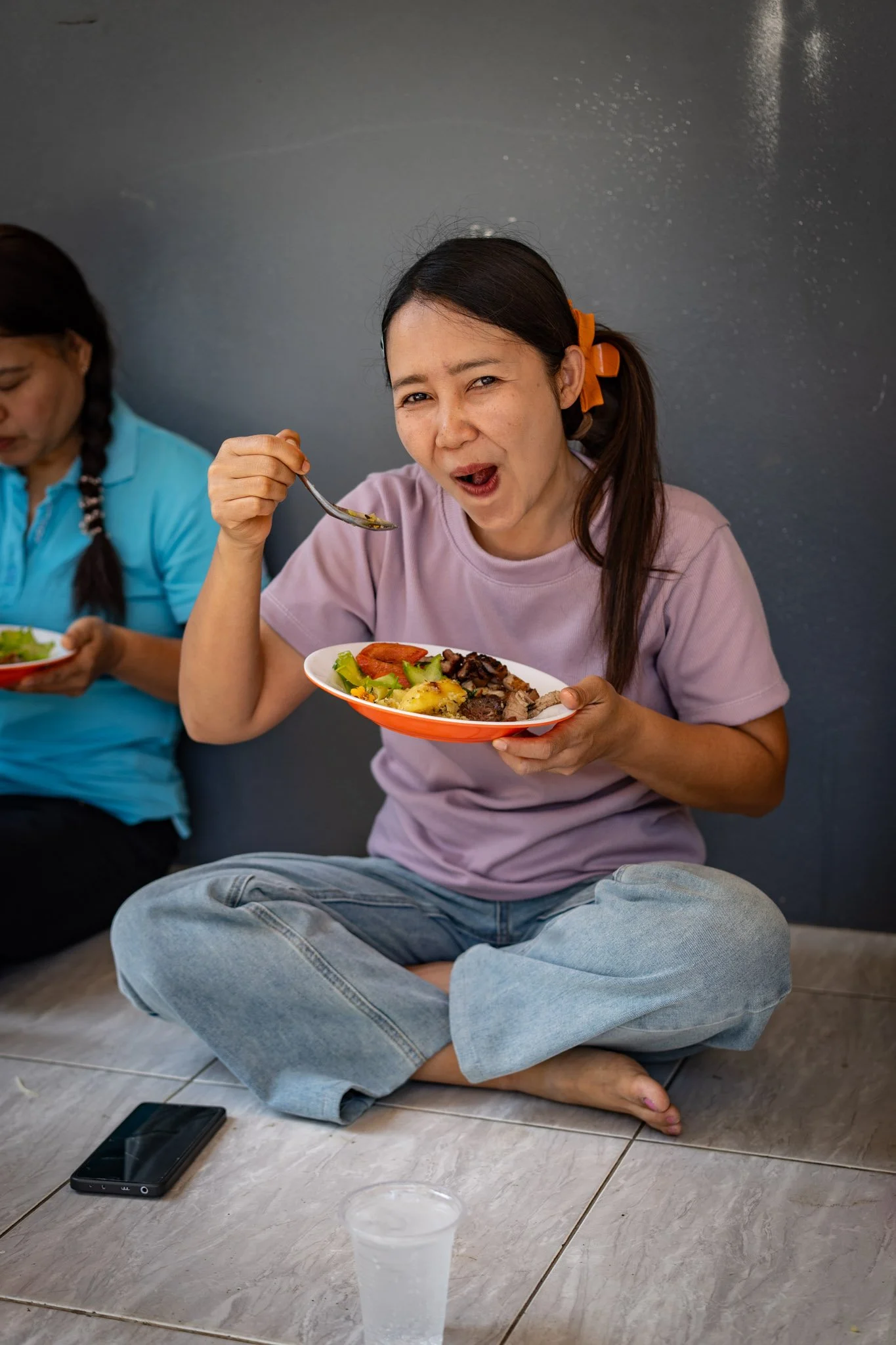
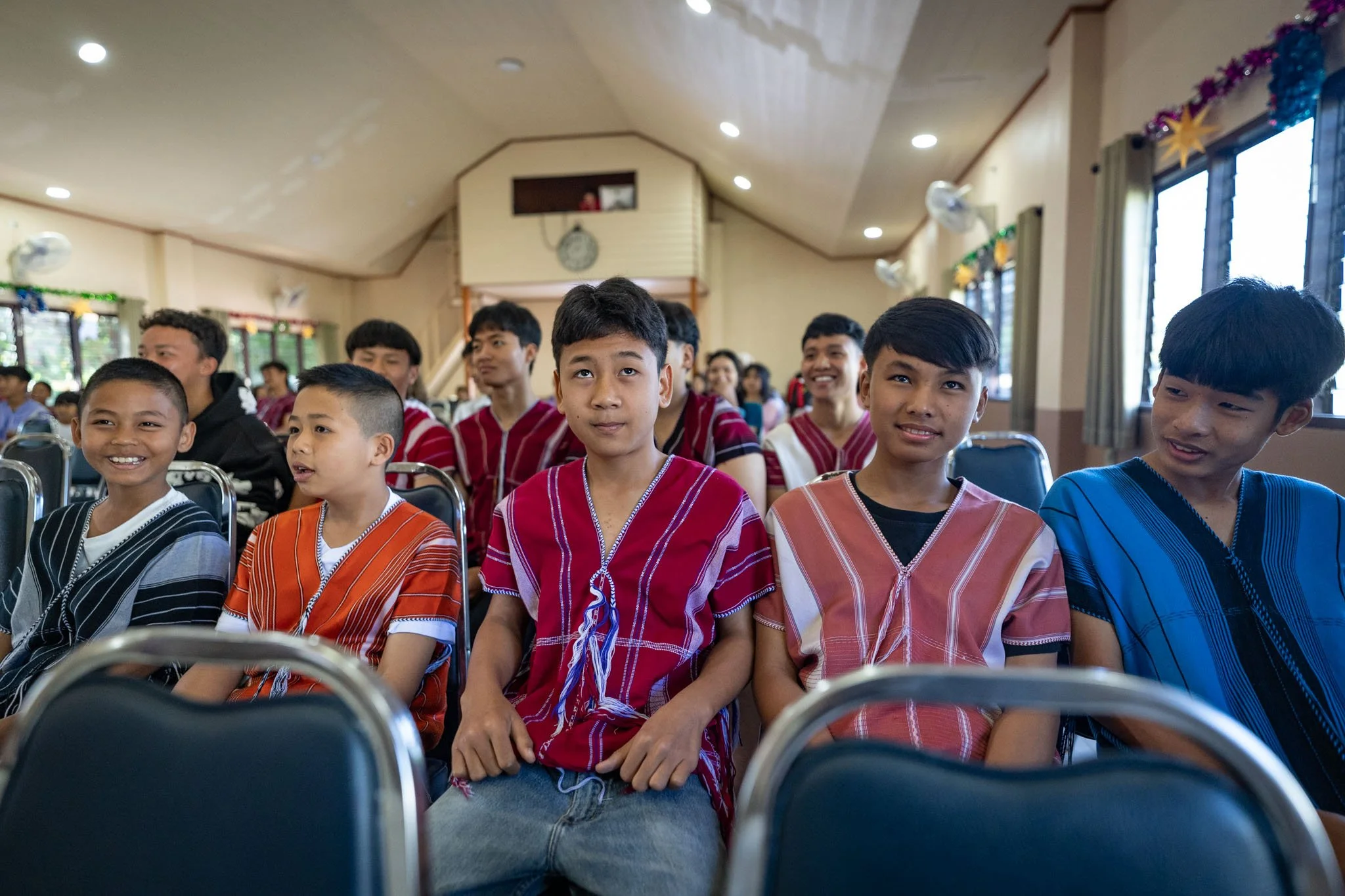
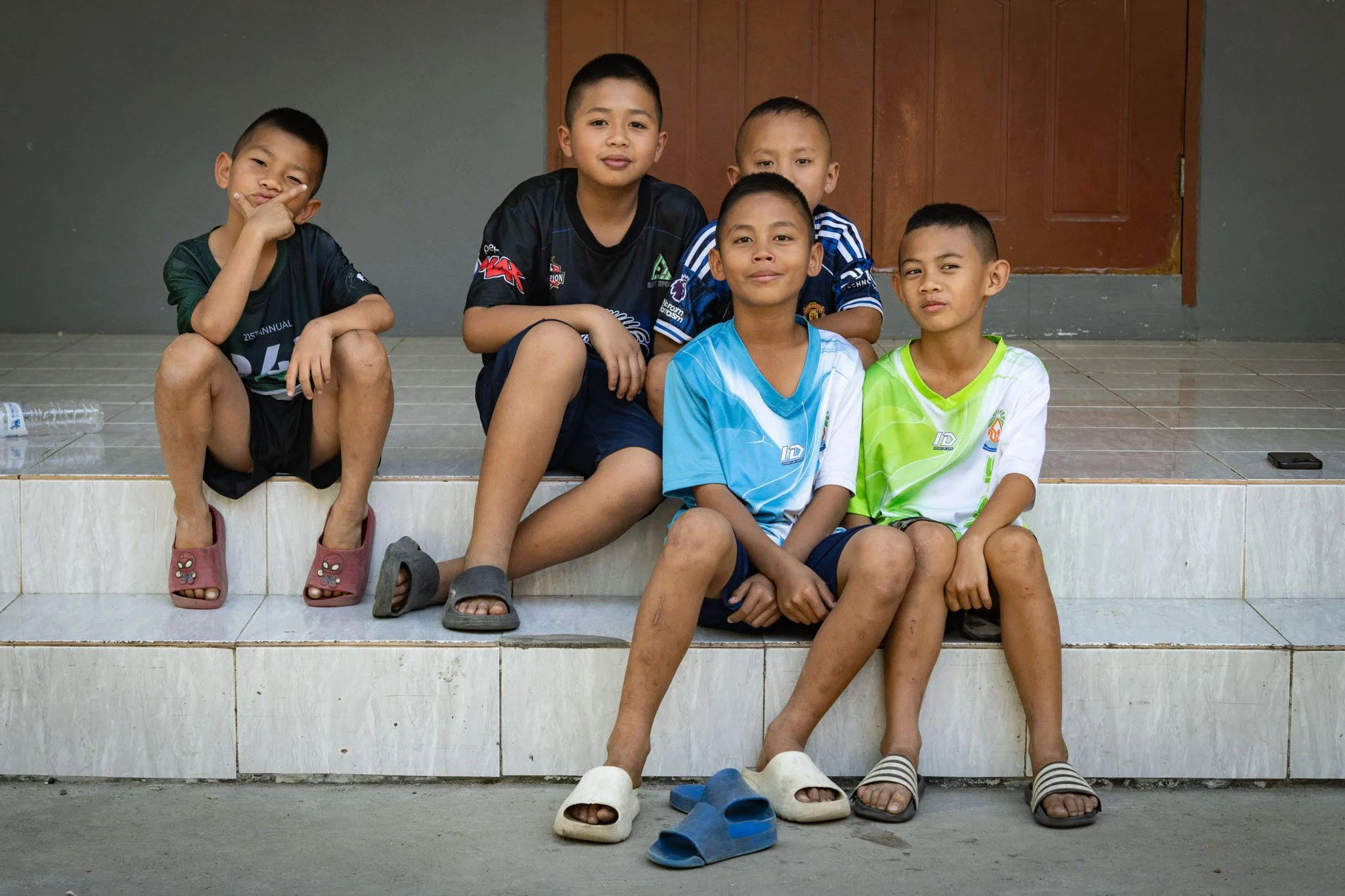
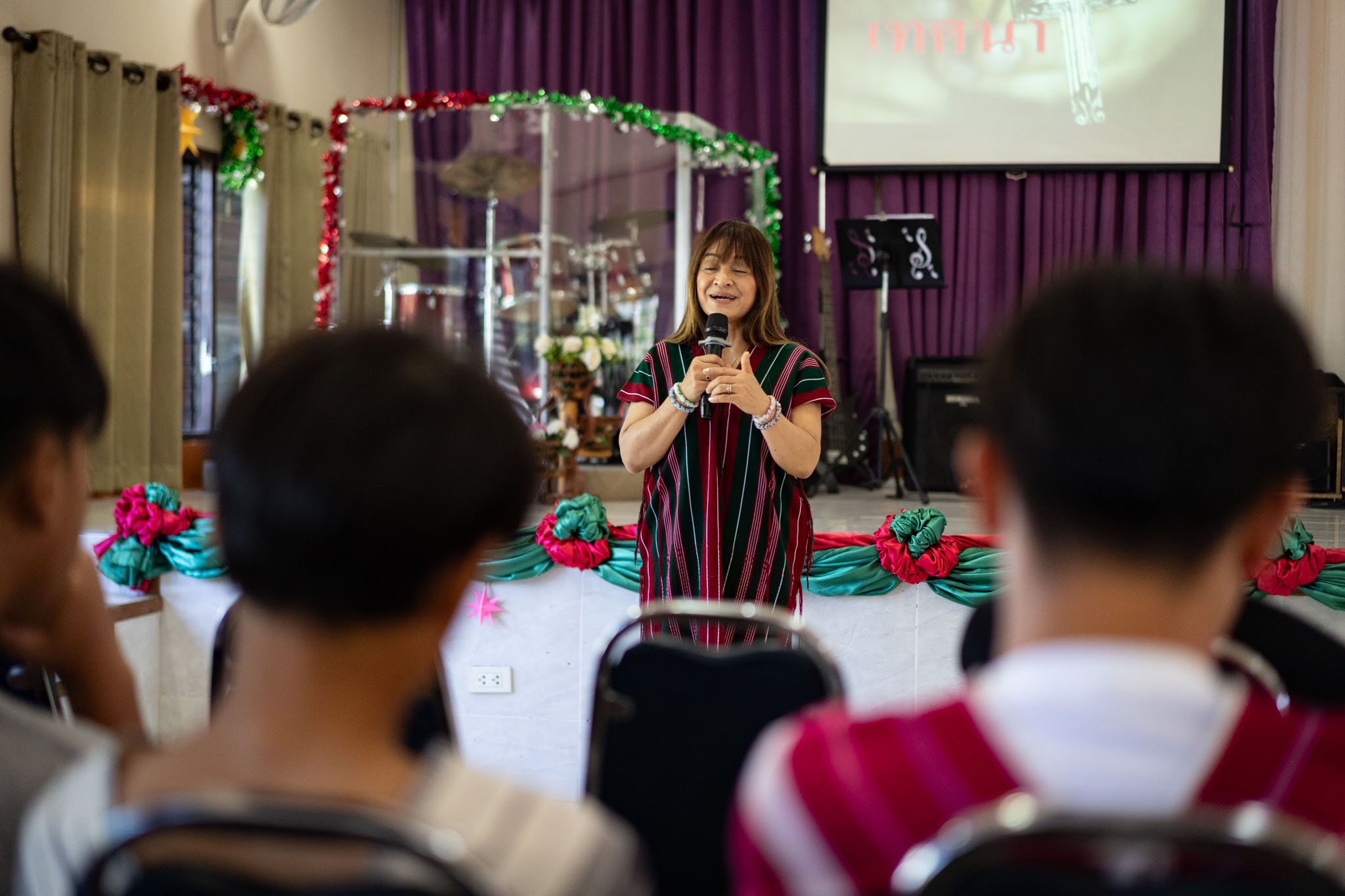
A few pictures from my last few days with the kids and staff of Asia’s Hope Thailand…

John McCollumComment
The Best Laid Plans...

*[Read to the end if you want to hear how my plans for the next few days have been placed on indefinite hold…]


The Taj Mahal in Agra, India

On our way out of India, Jeremiah and I set aside a couple of days for sightseeing in Delhi.

Not the world’s most relaxing destination, but he had never seen the Taj Mahal, and I wanted to give him the opportunity to do so while “in the neighborhood.”

I don’t recommend Delhi to casual travelers, especially at this, the hottest time of year. Temperatures in the capital hovered around 105F at midday; 111F or higher in Agra, home of the Taj. 

Even in the cooler seasons, Delhi is challenging and chaotic. But in limited quantities — three or four days at a time — I love it. I find the chaos of the streets intoxicating: cows, carts, rickshaws, tuk-tuks, hawkers, laborers. Smells, sounds, sensations; an A.D.D extrovert’s dream, at least for a while.

Jeremiah is a great traveling companion. Despite having traveled widely, he has maintained a child-like sense of wonder, and is able to laugh at even the most vexing inconveniences — a four hour ride in a mosquito-infested taxi with inadequate a/c, for instance. 

We wrapped up our Delhi excursion with a street food tour in the Muslim quarter, scouring Chandni Chowk and the bustling boulevard leading to the Jama Masjid (India’s largest mosque, built 500 years ago by Emperor Shah Jahan) for skewers of mutton, flaky samosas, steaming plates of tandoori naan and succulent fried chicken.

Senses overloaded and stomachs hyperextended, Jeremiah and I said goodbye to India and to each other. He returned home to his family (bringing, as I understand it, some nasty bacterial souvenirs home in his intestines), and I continued on to Thailand, where I was joined by this week’s traveling companion, my longtime colleague and friend, Daniel.

Arriving in Chiang Mai, I felt great. No tummy troubles at all. And the relative cool (95F) of northern Thailand seemed a respite from Delhi’s blast furnace heat.

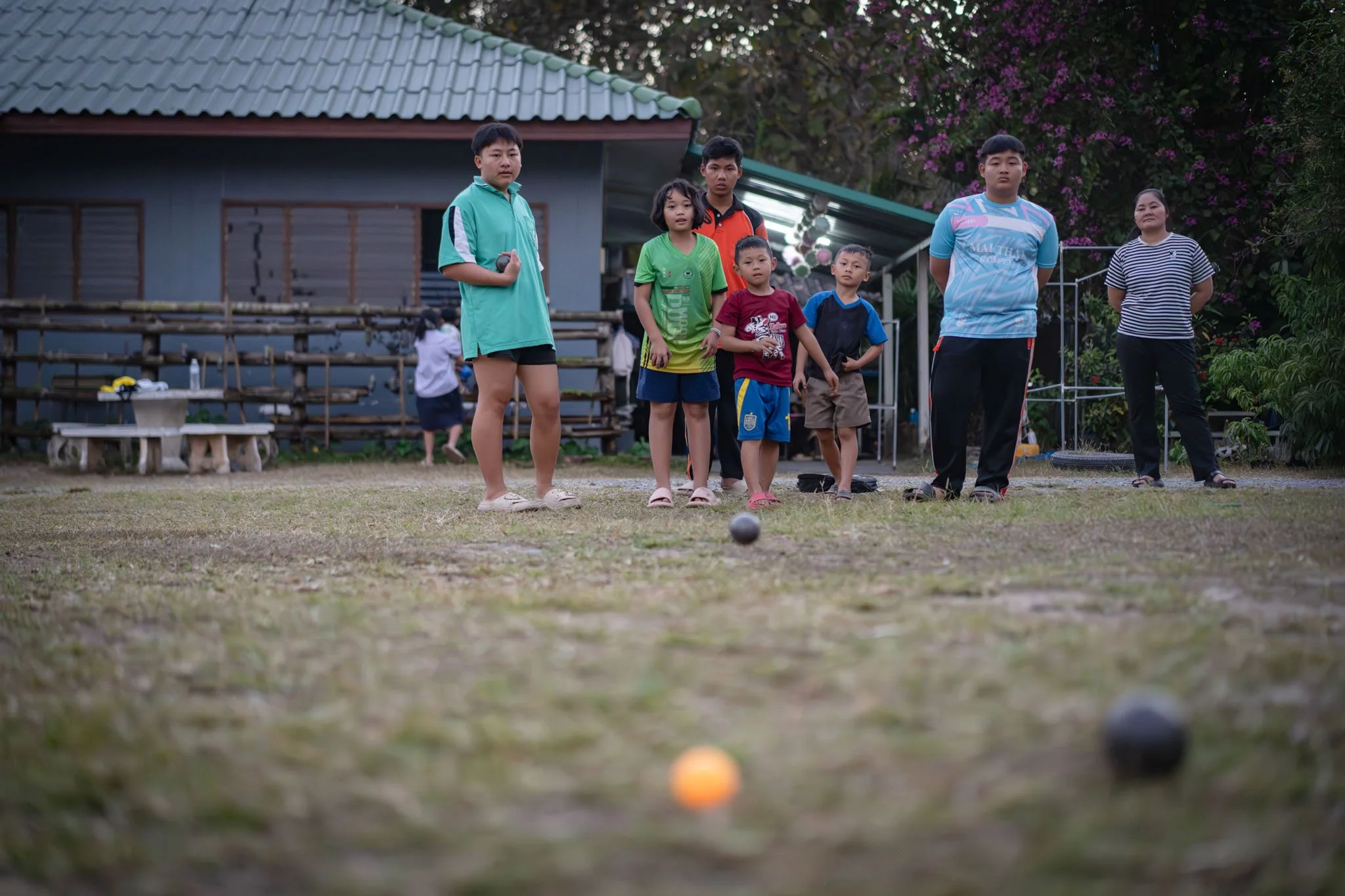
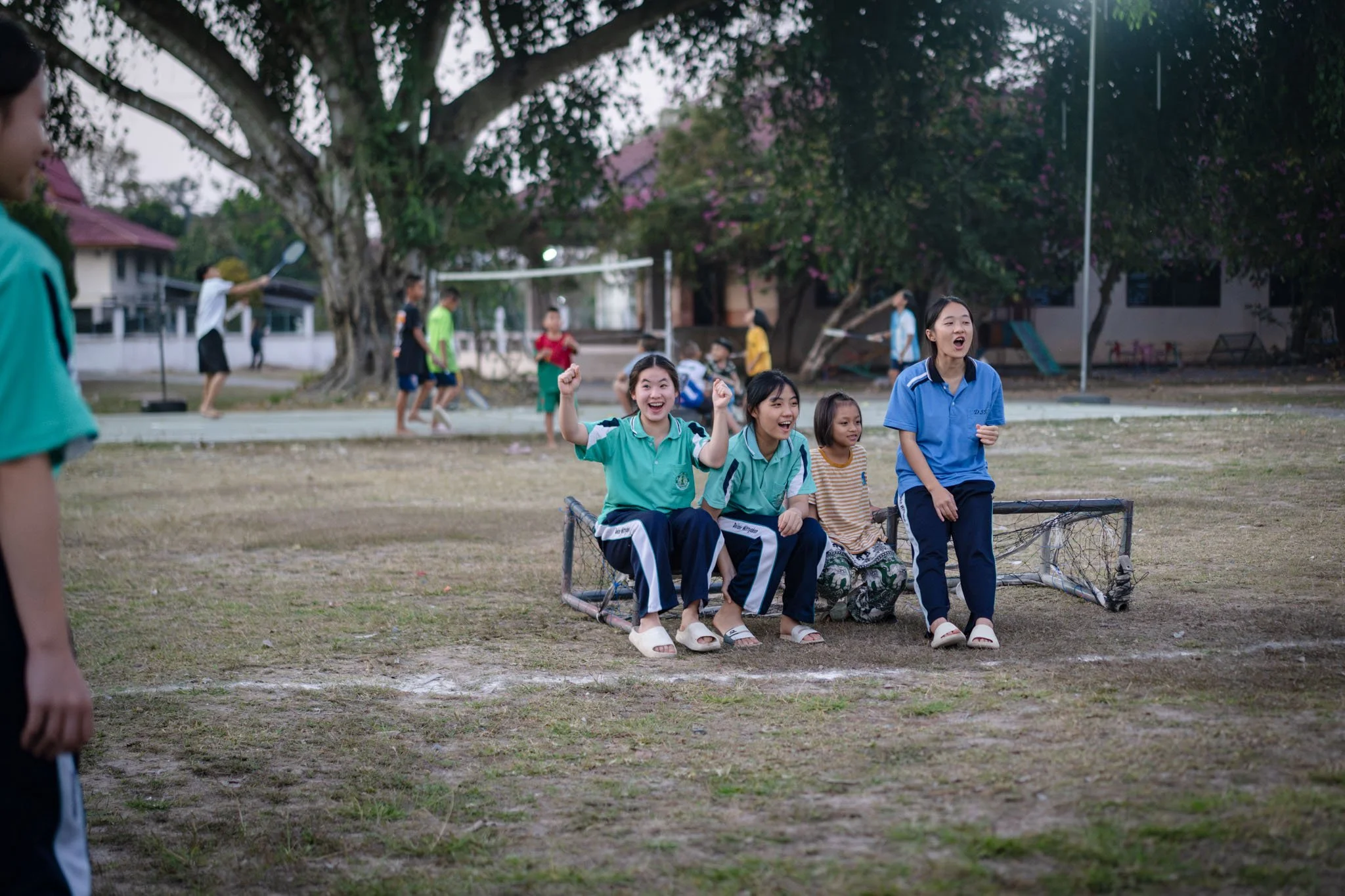
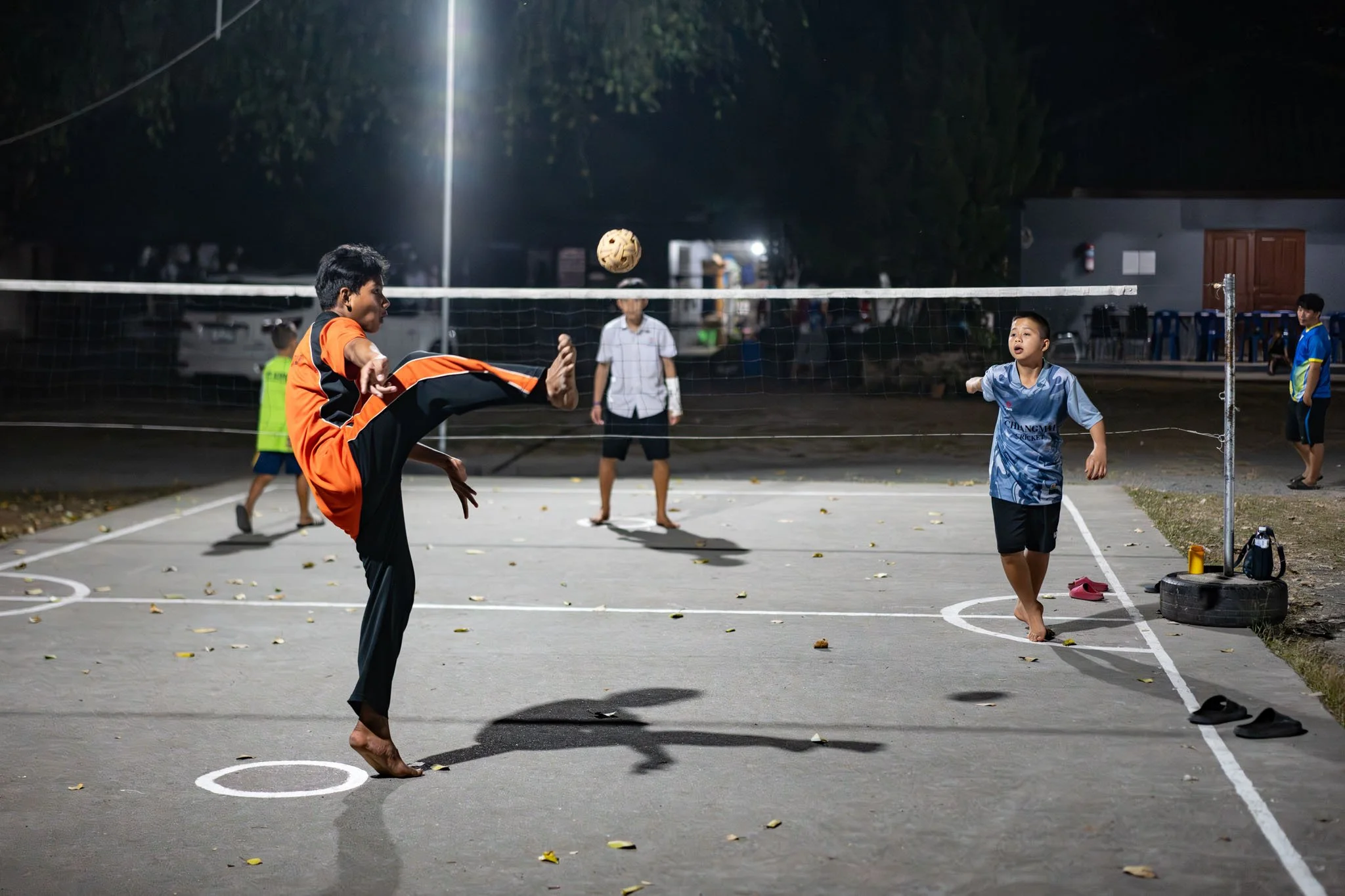
My first two days here were filled with laughter, games and a whole lot of delicious Thai food. I enjoyed dinners at two of our Doi Saket homes and an amazing staff lunch in Wiang Pa Pao, a couple of hours north of Doi Saket. I played hour upon hour of volleyball, badminton and takraw.

And then I woke up yesterday morning feeling like I’d been trampled by a water buffalo. Head throbbing, throat raw, sinuses packed — and zero energy. I took the entire day off, ate almost nothing and spent 90% of my time in bed. 

I had hoped that a full night’s sleep would provide the dramatic recovery I’d need to resume my busy schedule: a day of pool parties with Asia’s Hope kids, followed by dinner at one of our homes. 

No such luck.

I woke up this morning feeling, well, pretty much the same as the day before. I haven’t yet decided if I’m going to try to gut it out and enjoy some of the activities as planned, or if I’m just going to take some medicine and go back to bed.

I’m scheduled to teach tomorrow; not sure if that’s going to happen either.

But, whatcha gonna do? 

As always, I plan to roll with the punches and do my best. One of the beautiful things about having a long-term relationship with these staff and kids is that I know I’ll be back. If not tomorrow, the next day. If not then, on my next trip to Thailand — as long as finances and health permit.

I’m in it for the long haul. 

I’m reminded of that every time I see one of our graduates return to join our staff, or just to visit their childhood home. And as I tell our newest arrivals, “I know you don’t know me yet, and that’s okay. But I promise you that one day we will be friends.”


*Just took a covid test and, yeah, I’m positive. So it looks like my next few days are going to be boring and uncomfortable. Not what I was hoping for, but I’ve downloaded a couple of books onto my iPad, and I’ll get by.

A Different Kind of Trip

After more than two decades of visiting Asia’s Hope projects across Cambodia, Thailand, and India, you’d think I’d have seen — and done — it all.

I’ve lost track of how many trips I’ve made, how many groups I’ve hosted, or how many times I’ve circled the globe. 

But this visit to India was different. And at the last minute, it got even more so.

For years, we’ve been working to give our staff practical tools to understand and respond to the unique emotional and developmental challenges faced by kids from hard places. With the help of Rachel Cobb — an experienced educator, counselor, and valued board member — we’ve been developing a curriculum designed specifically for our homes: simple, adaptable, practical, and rooted in our model of care.

Kalimpong was the natural place to pilot this training. We have six homes here, all close together, and our staff had been asking — persistently and graciously — for this kind of support.

The plan was for Rachel to lead the seminar. I’d be there to offer local context and moral support, with Jeremiah helping with logistics. Rachel had the clinical expertise; I had the deep relational equity. A good team effort.

But just days before departure, an unexpected bureaucratic snag kept Rachel from traveling. For a moment, I wondered if we should postpone. But after talking with Rachel, Jeremiah, and our India director Amber, we decided to move forward. The materials were ready. The time was right.

And if nothing else, we’d learn together.

So, with more trepidation than preparation, I led the three-day seminar.

I won’t pretend I brought Rachel’s depth of clinical experience to the table. But what I could offer was a willingness to listen, to facilitate conversations, and to reflect on what I’ve learned from working alongside our caregivers for the past 20+ years.

And you know what? I think it worked.

The staff — directors and home parents alike — engaged deeply with the material. They brought their own wisdom to the discussions, asked thoughtful questions, and shared candid stories from their work. Together, we explored the ways trauma shapes behavior, and how a posture of patience, safety, and attachment can help children heal.

Some home parents remarked how helpful it was to understand some of the brain science that undergirds the principle of “connection before correction.” Others expressed appreciation for a forum designed to acknowledge the real challenges of working with children who have experienced abuse and neglect.

We have a lot to refine. We’re starting to understand what worked, what needs clarification, and what topics deserve more attention in future sessions.

But this was a good start. And a necessary one.

This trip was shorter and more work-focused than most. There were fewer leisurely visits and more hours spent in training sessions. But there was also real joy: shared meals, a picnic by the river, and the satisfaction of learning together.

Today, Jeremiah and I head to Siliguri to meet with some of our university students, then on to Delhi for a bit of sightseeing and rest. But this time in Kalimpong leaves me energized!

We’re building something important hereand I can’t wait to see what God does next.

Thank you for your prayers and encouragement. I’ll share more soon from Thailand.

"All Fear Is Gone..."

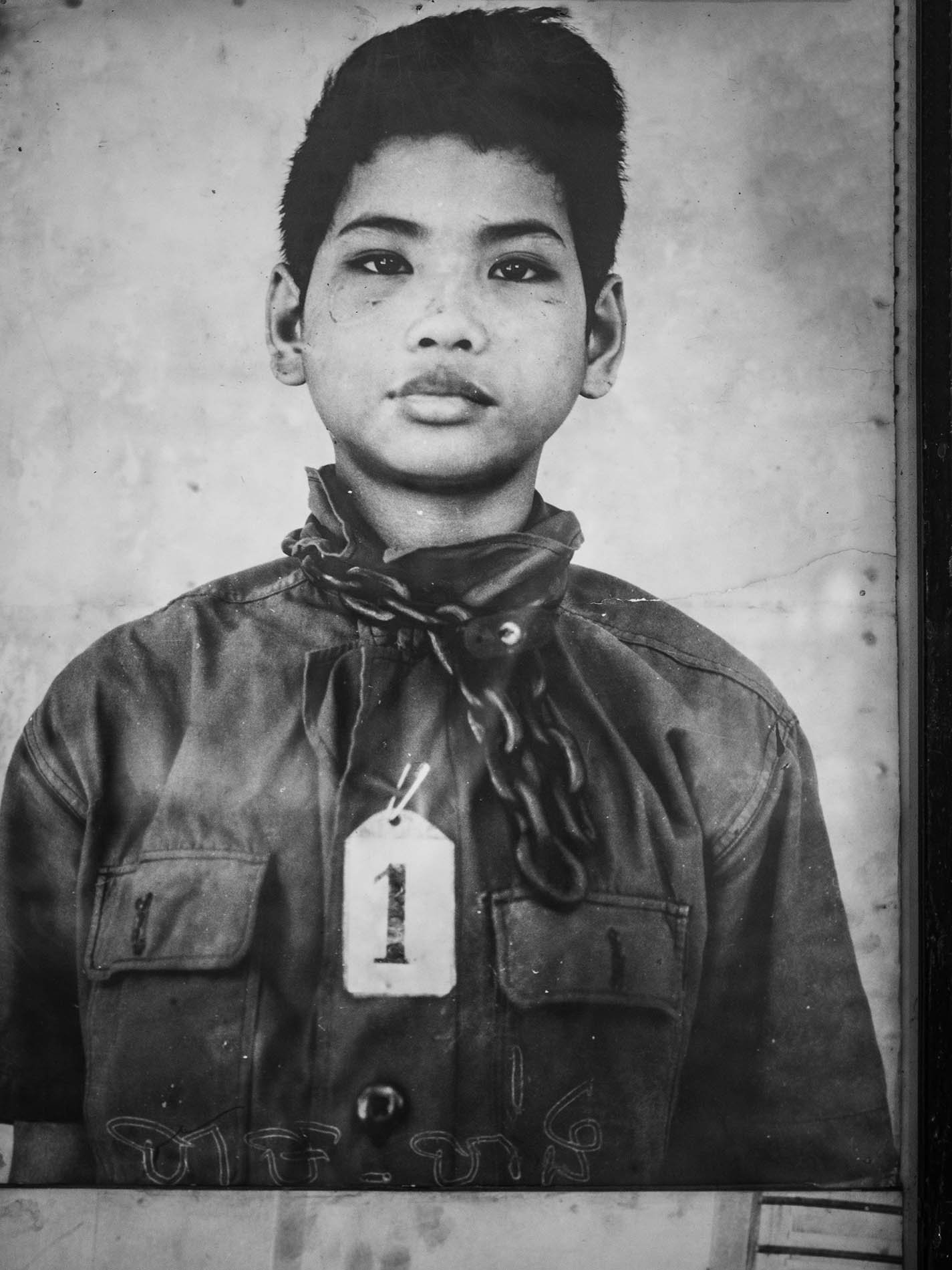
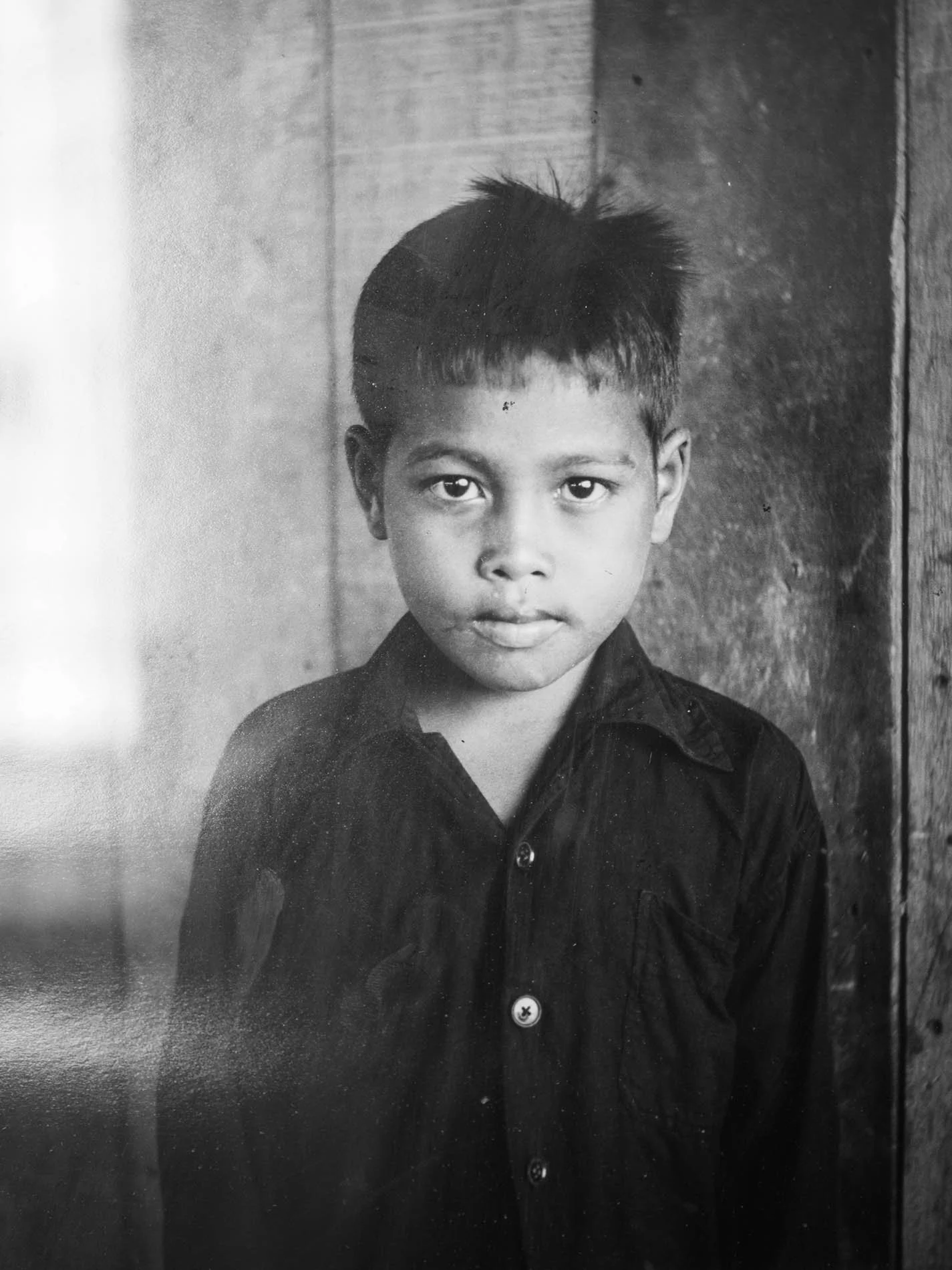
Child soldiers of the Khmer Rouge

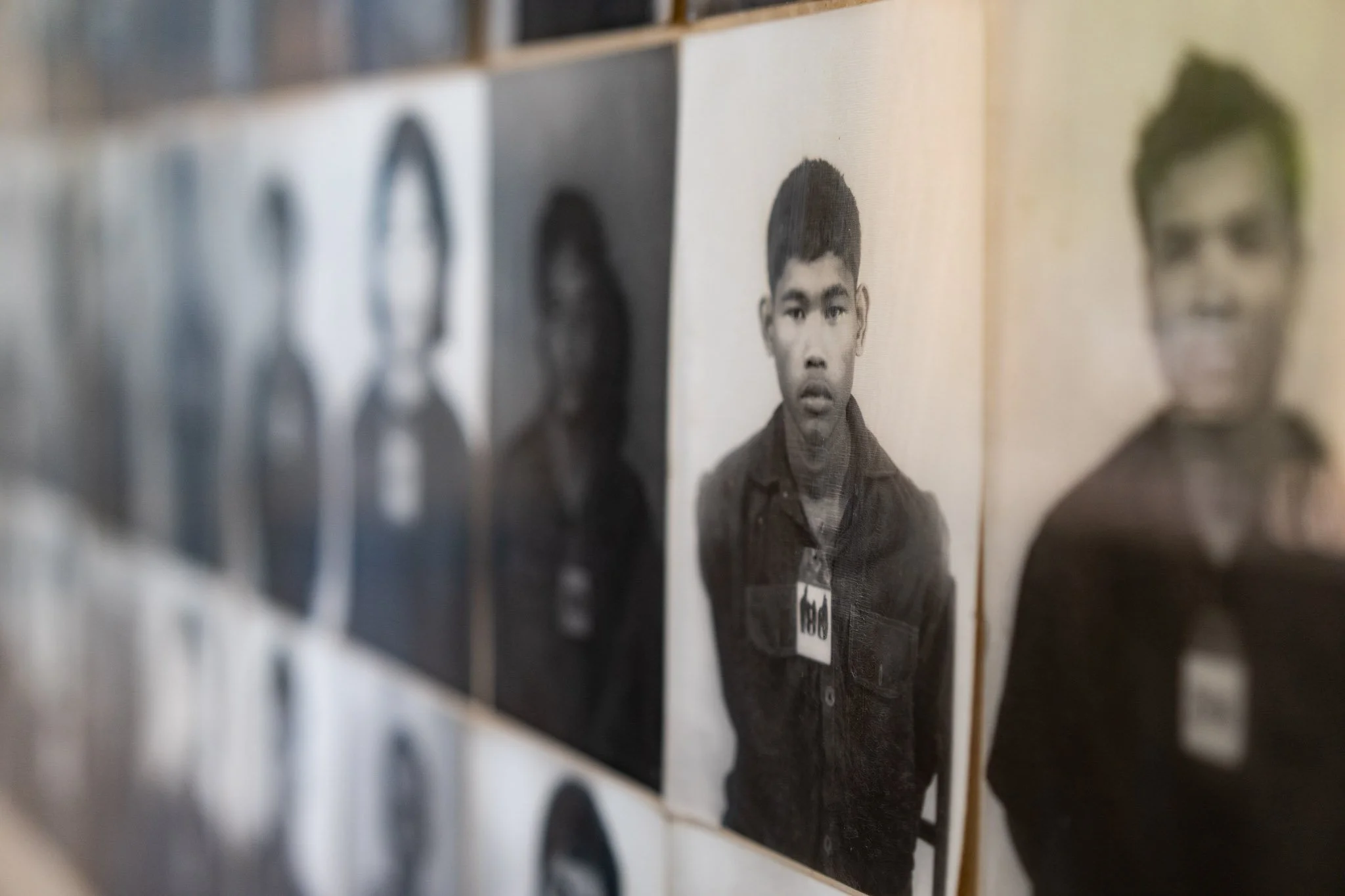
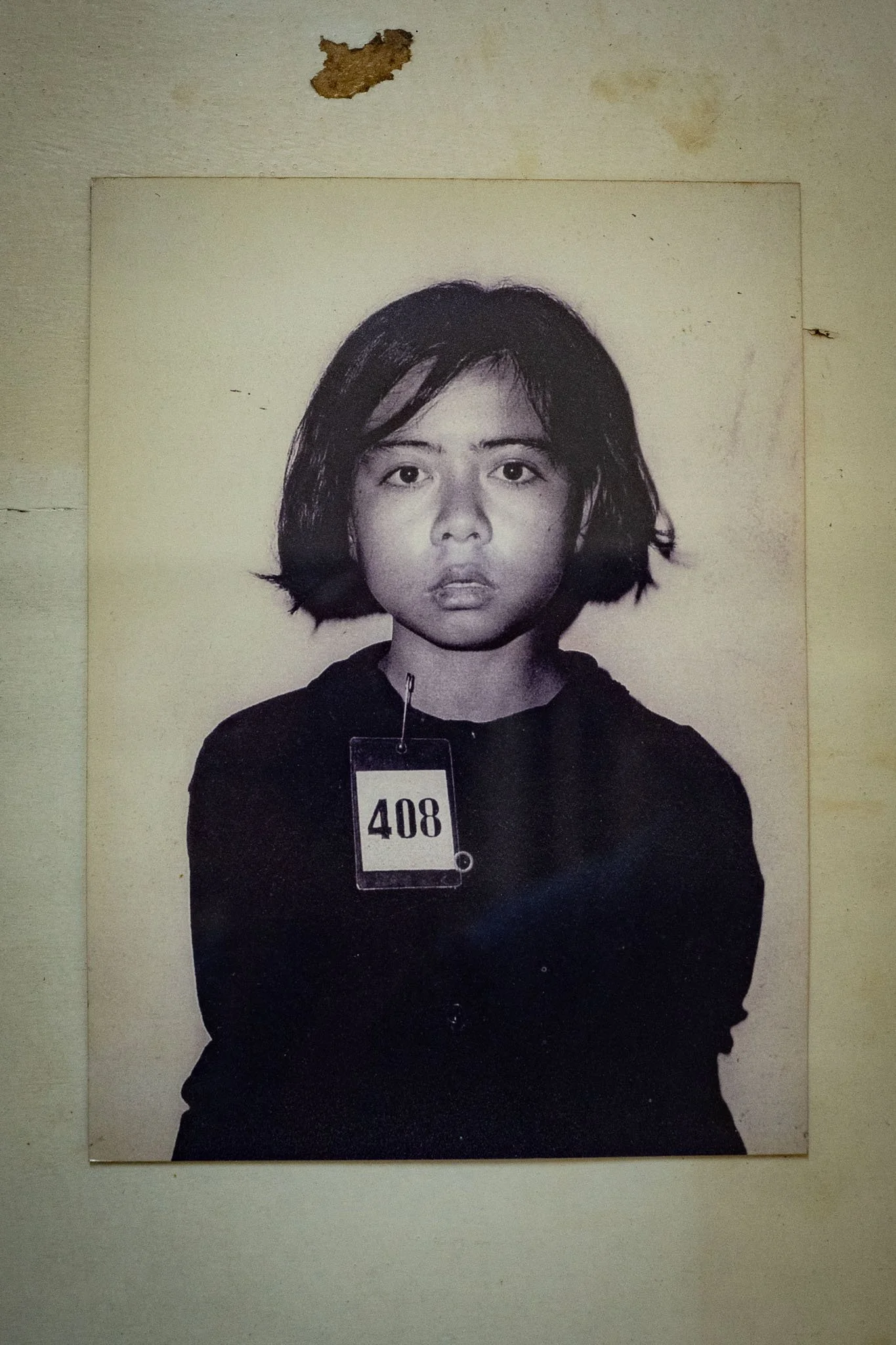
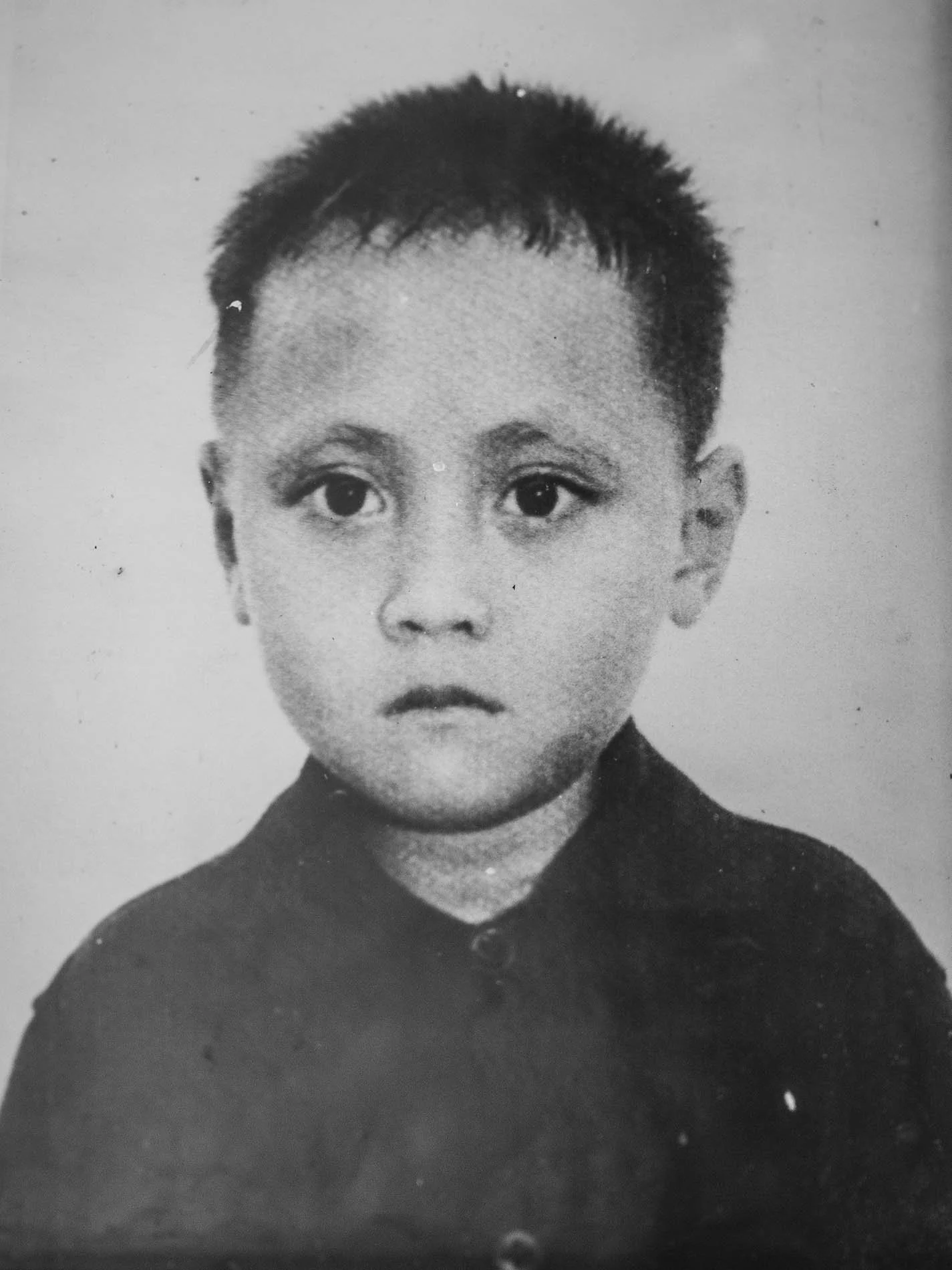
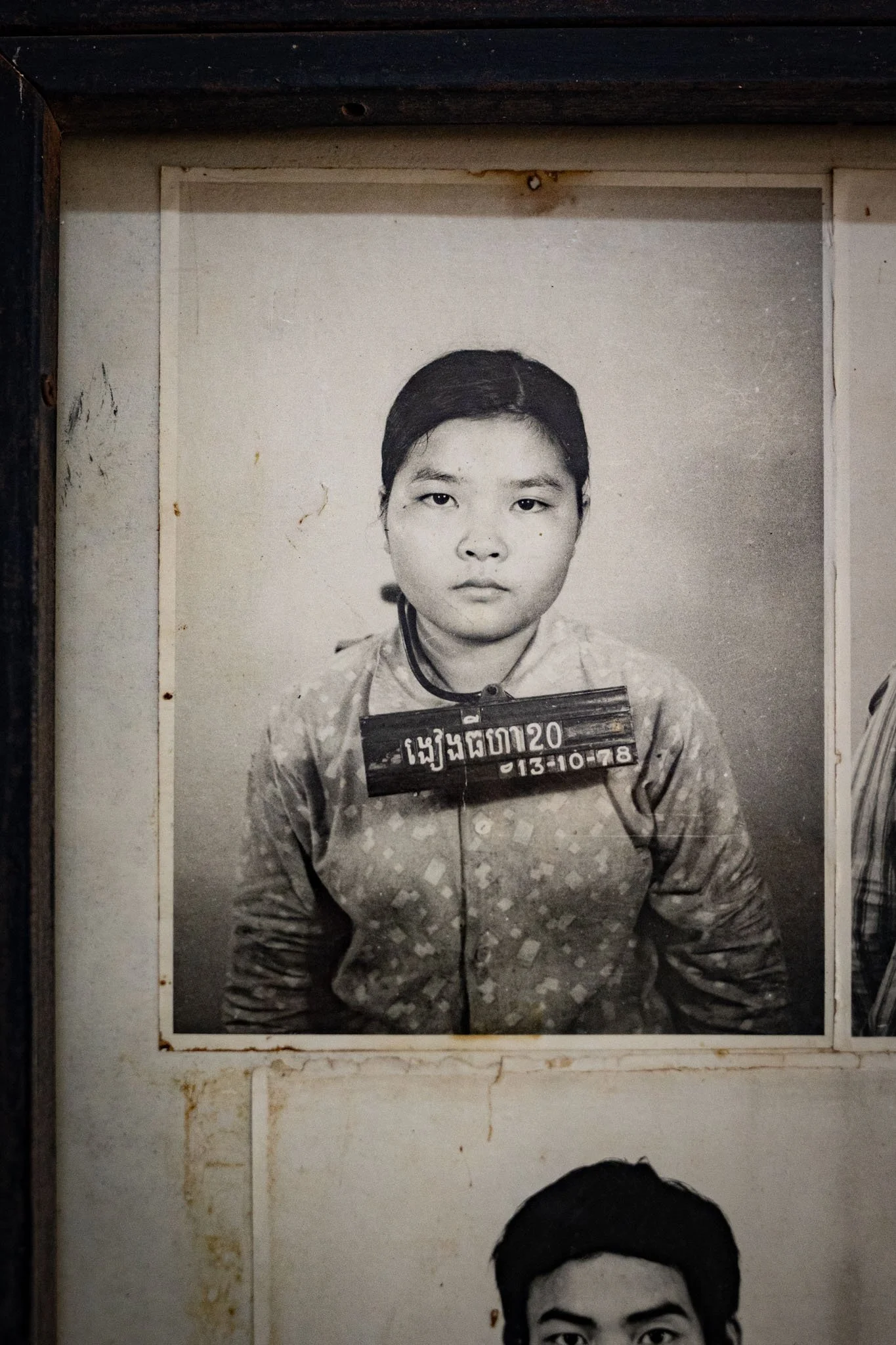
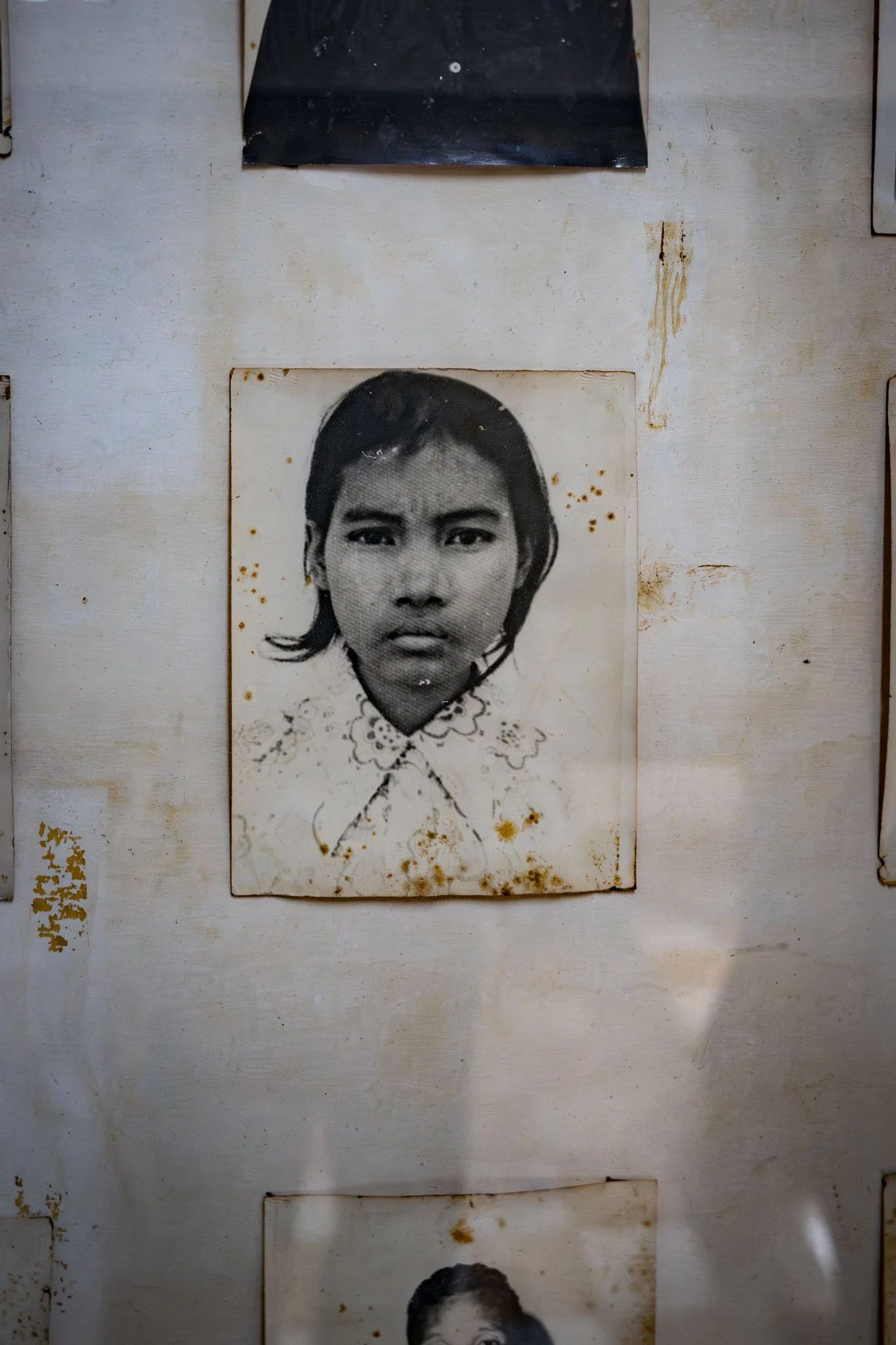
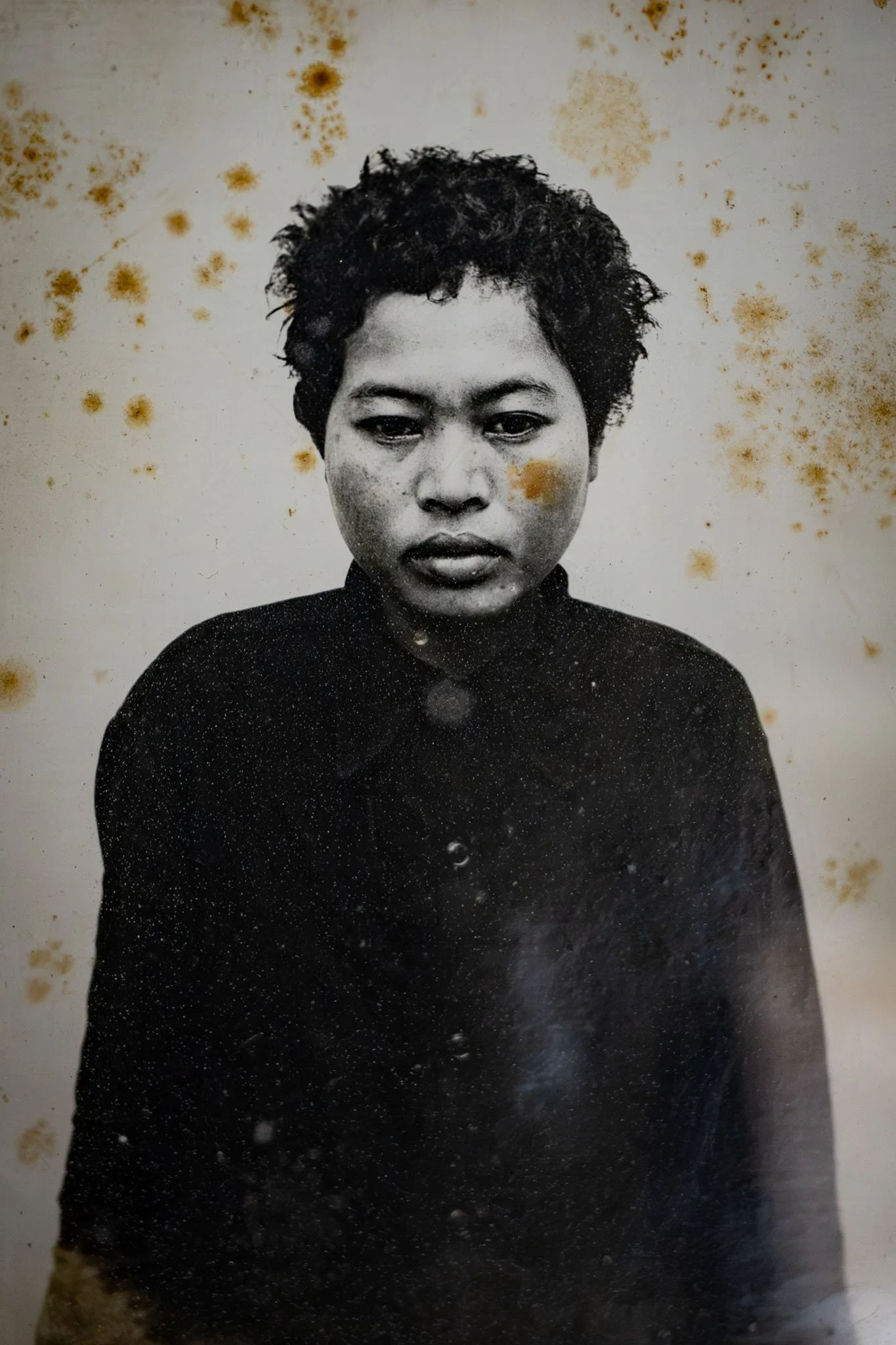
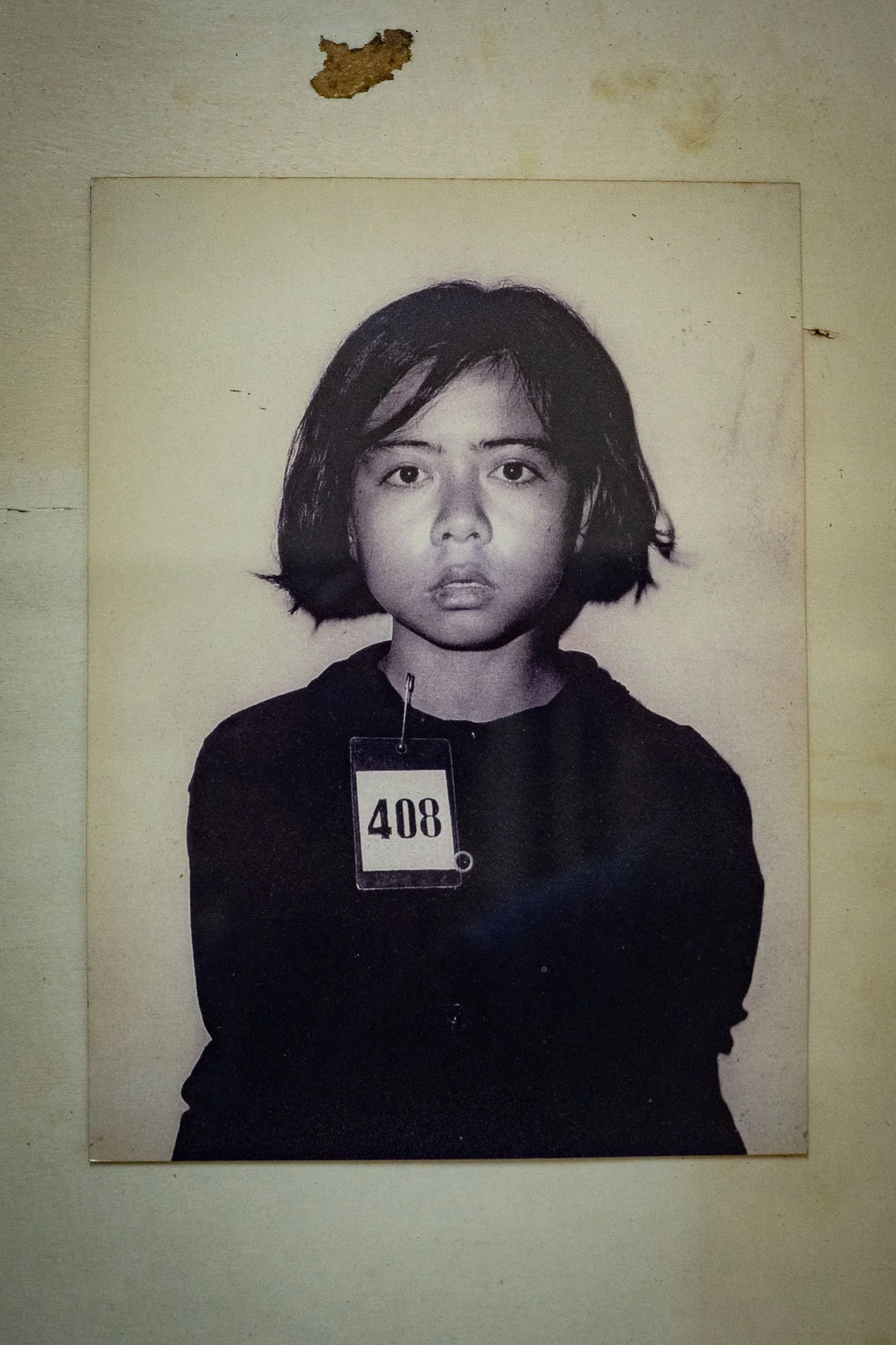
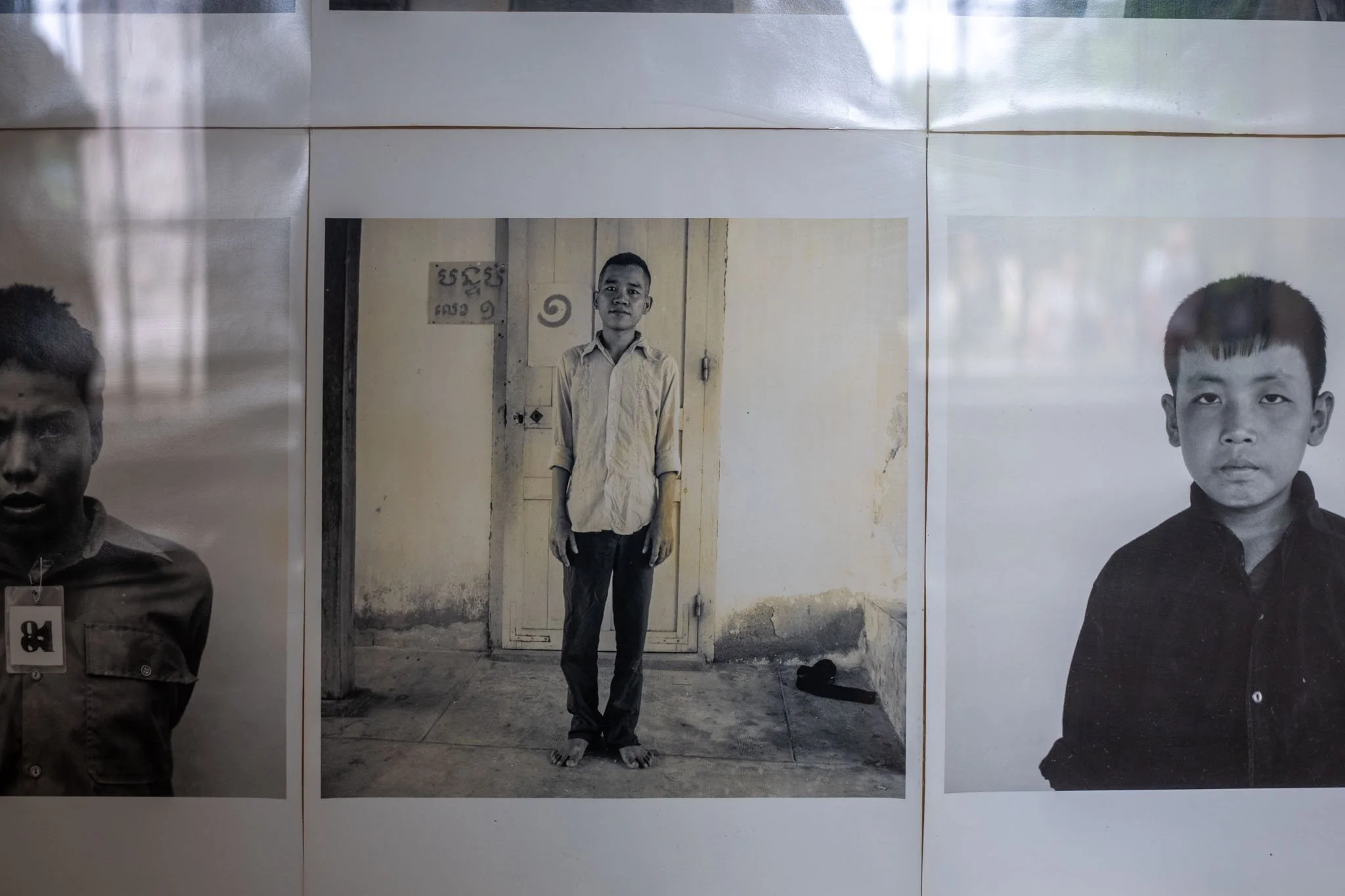
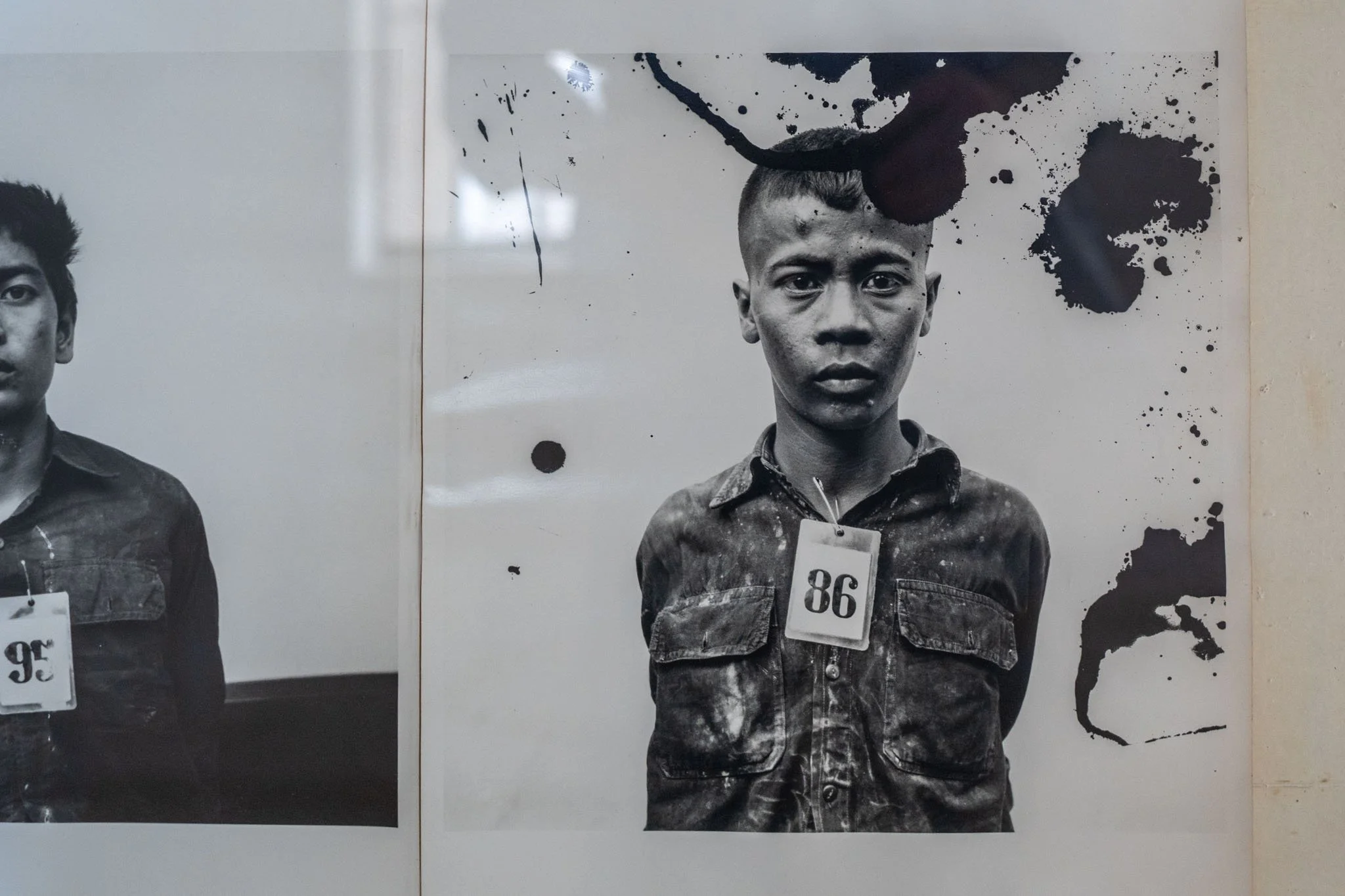
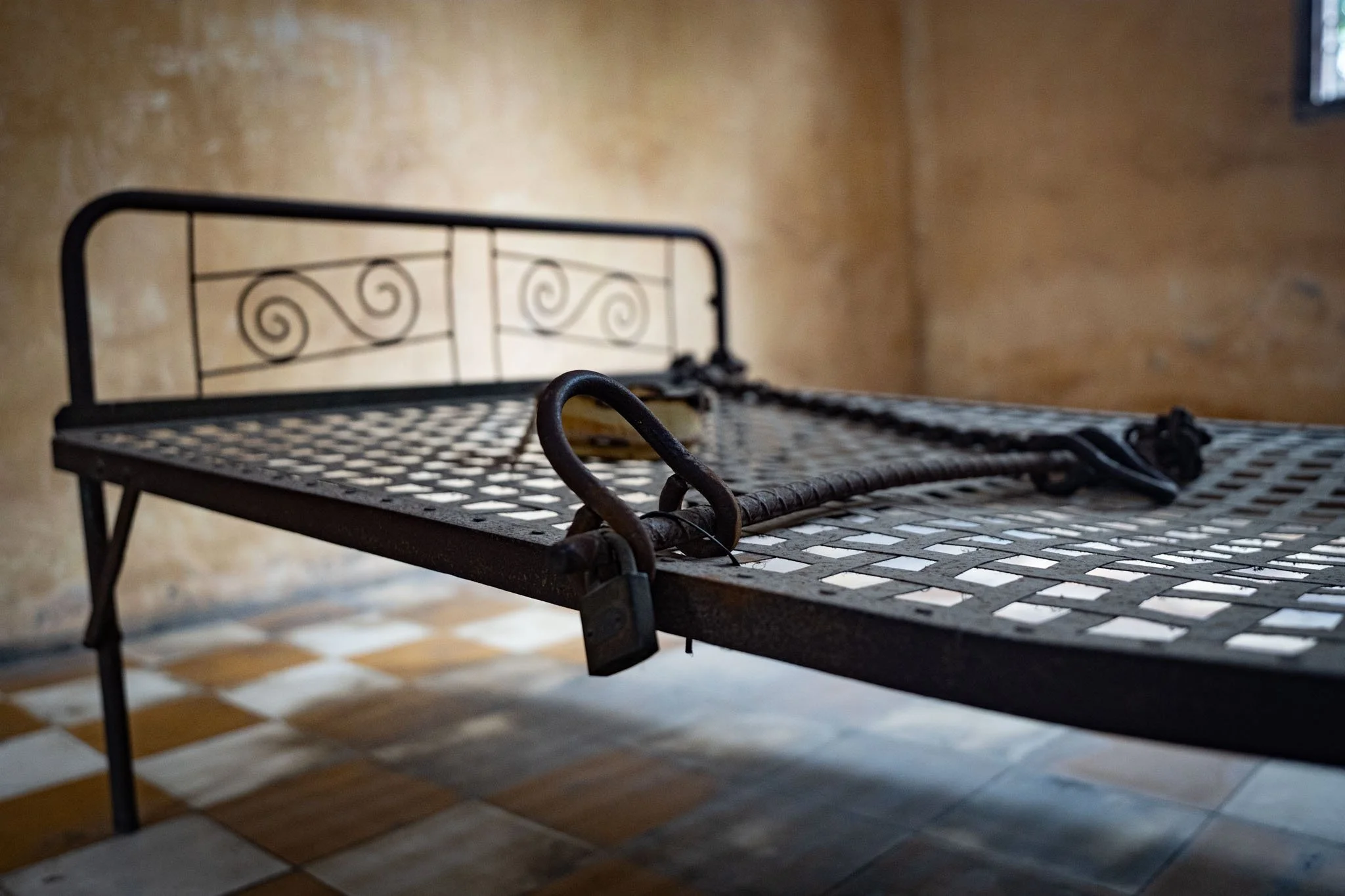
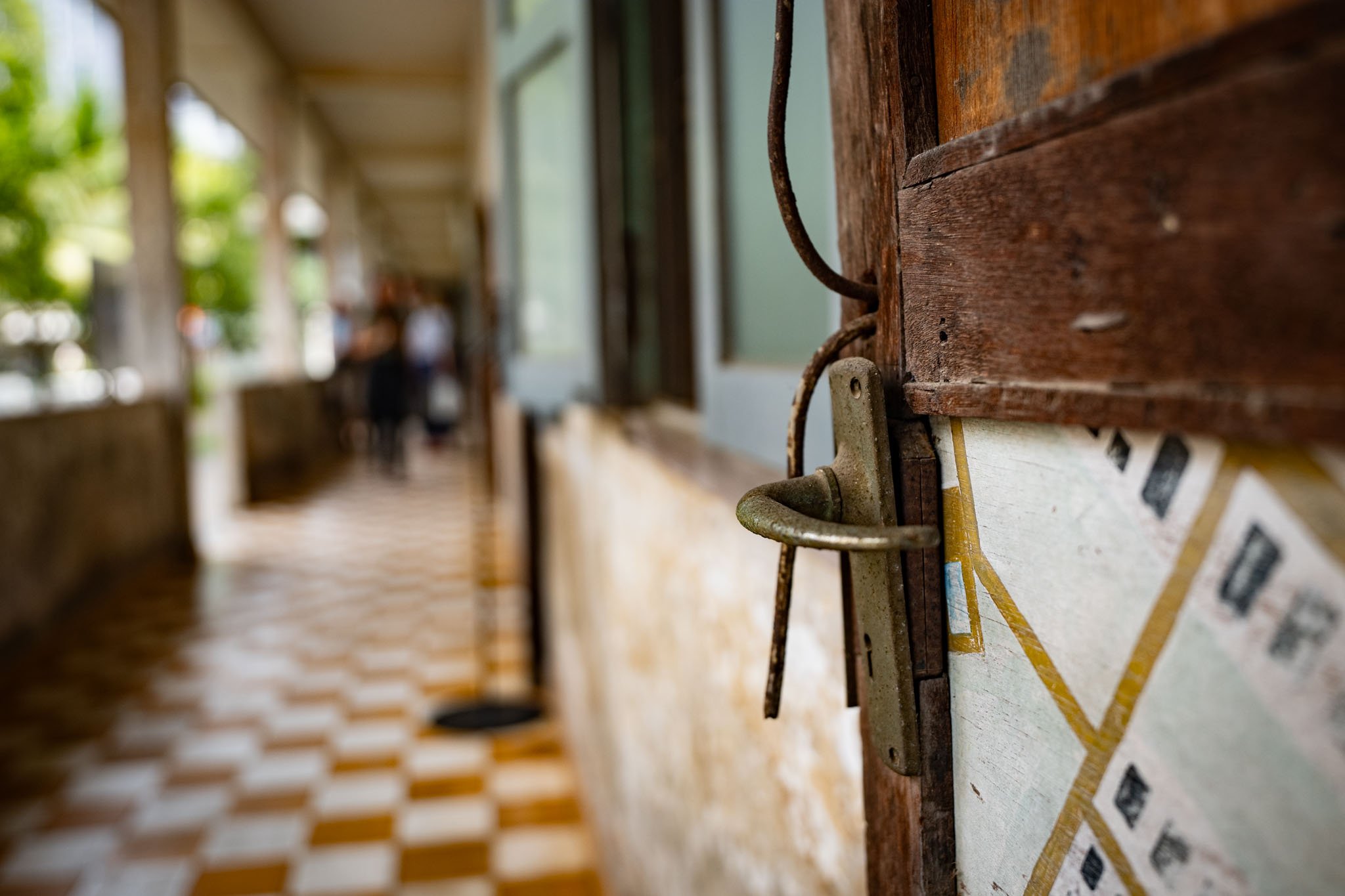
Victims of the Khmer Rouge, documented at S-21 Prison

Khmer Rouge leaders

Survivor painting of a baby being separated from his mother

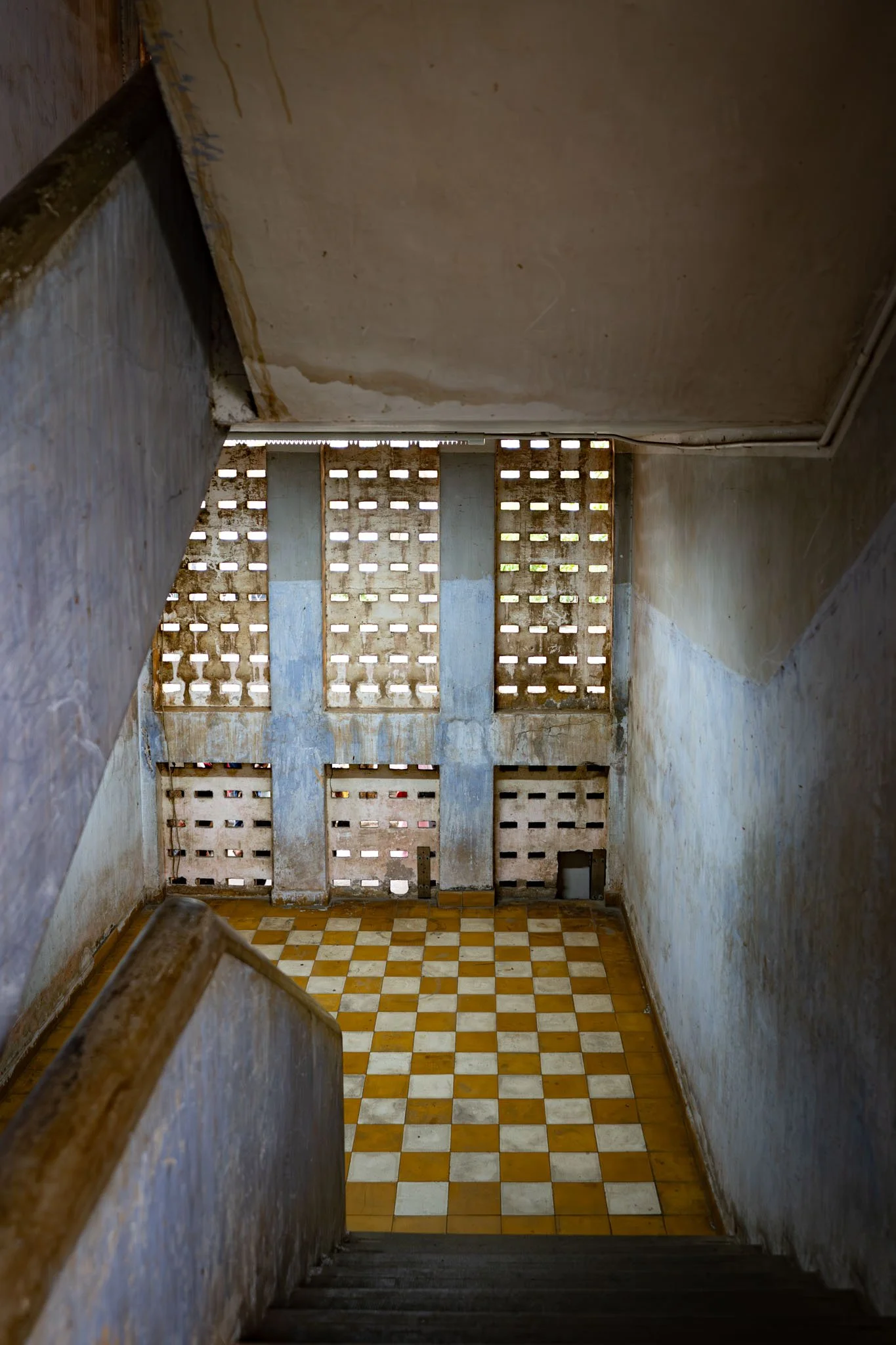
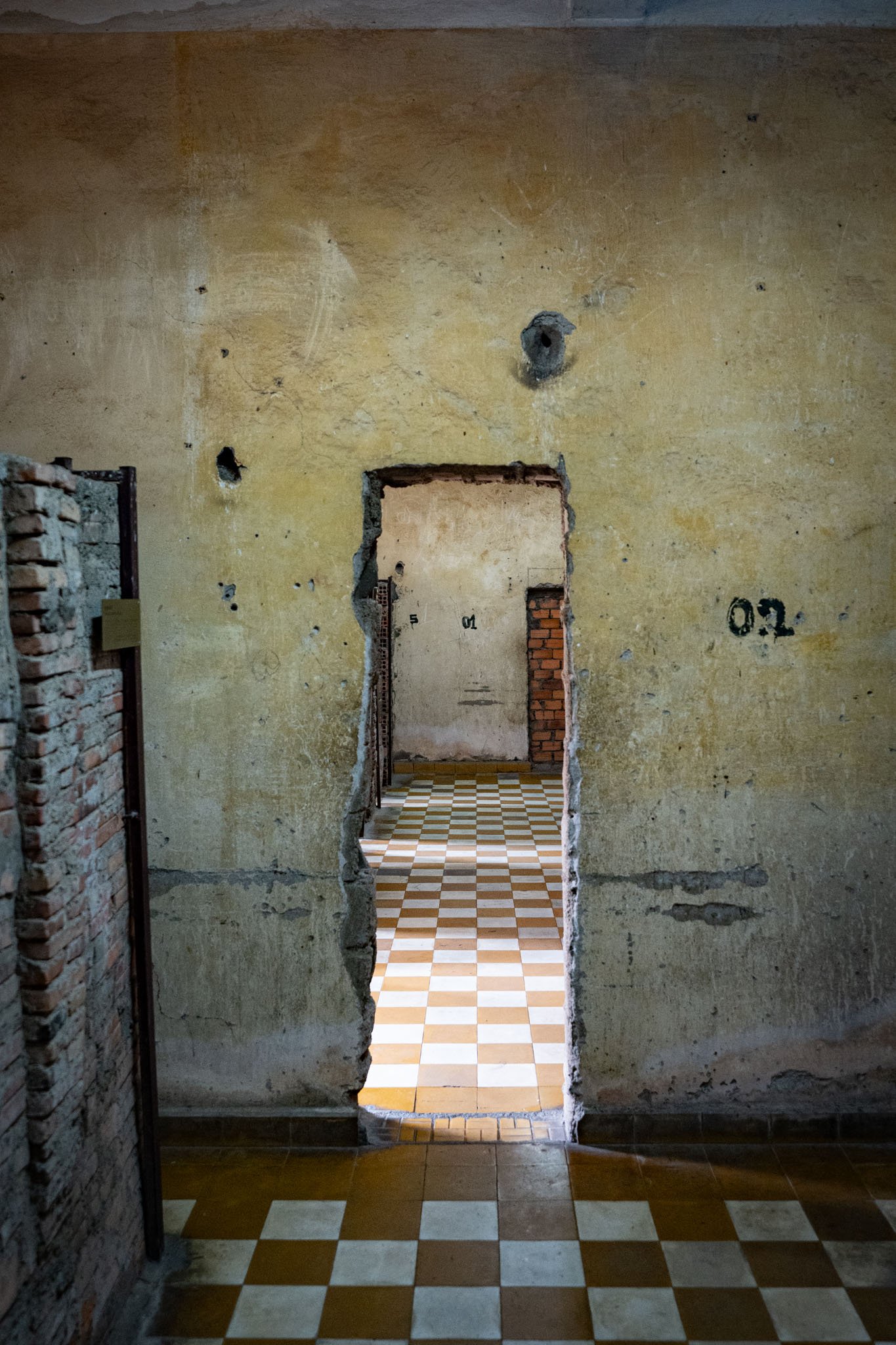
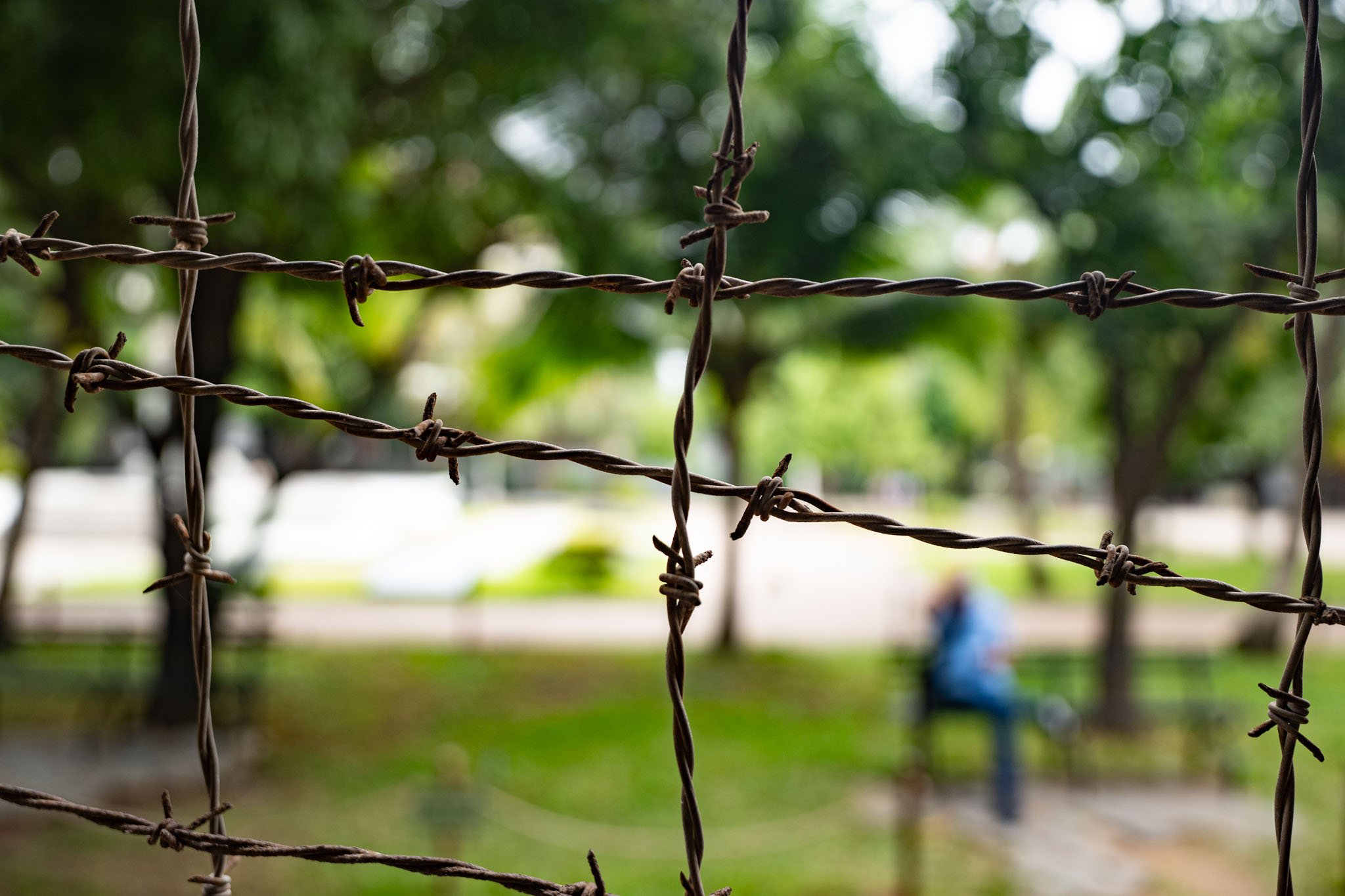
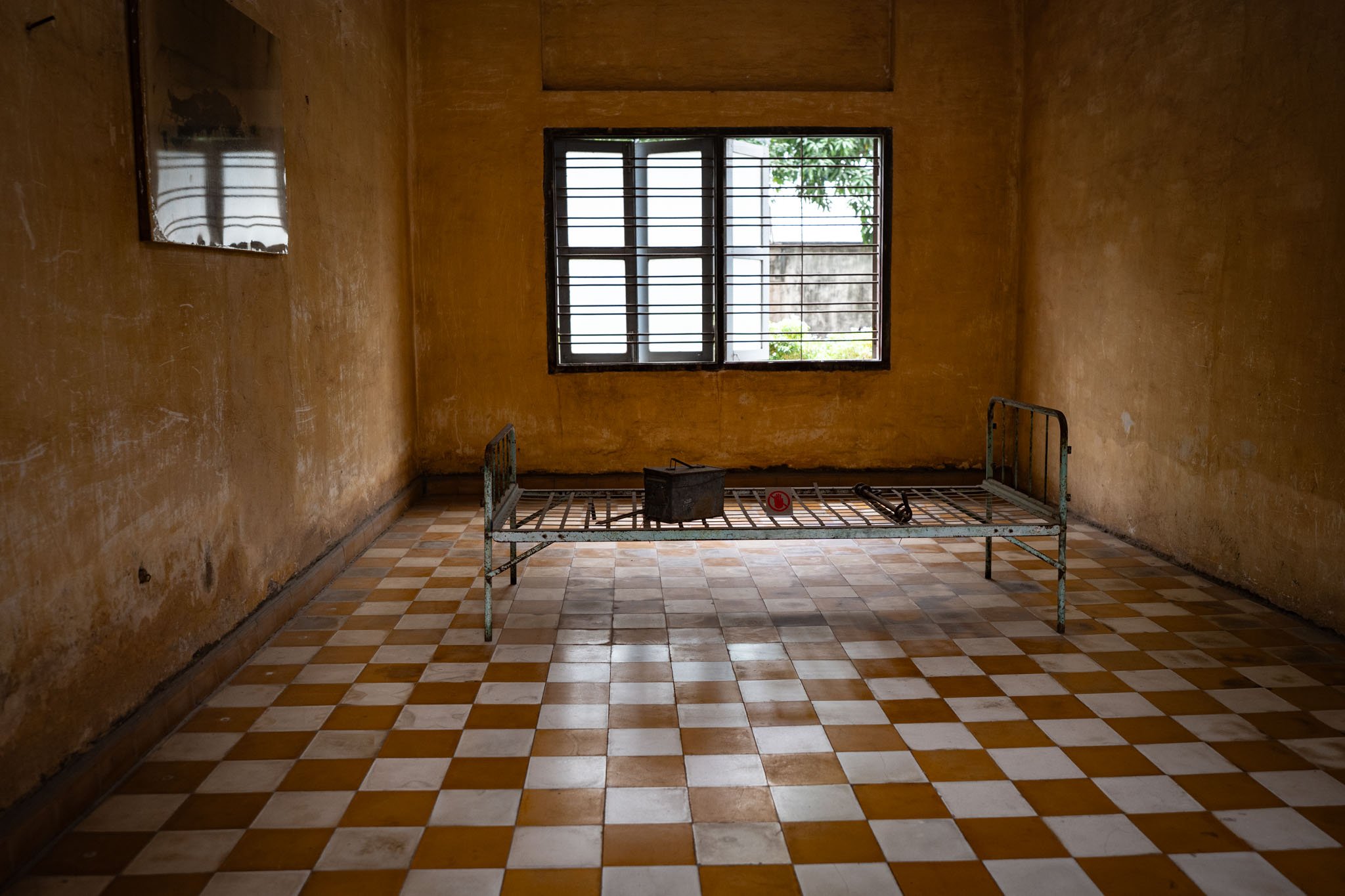
Fifty years ago in Phnom Penh, Cambodia, the murderous Khmer Rouge regime inaugurated its ghastly reign, turning the entire country into a gigantic prison camp – literally overnight. 

Despite having been dragged unwillingly into America’s war next door, Cambodia’s citizens – from the peasant farmers who made up 80% of the population to the educated middle class in the cosmopolitan capital city – universally desired political independence and neutrality. So, when the black-pajama-clad teenagers rolled into Phnom Penh carrying AK-47s and rocket launchers, joyfully shouting that the war was over, and American puppet General Lon Nol had been deposed, many city-dwellers joined in the celebration. 

Any initial excitement was quickly extinguished by the shocking reality of what life under these new homegrown “liberators” might look like. The Khmer Rouge cadres ordered the entire population of Phnom Penh – more than 2 million men, women and children – to evacuate the city and head into the countryside. They claimed that the Americans planned to carpet bomb the city, an audacious lie that was believable only because the U.S. had been bombing the Cambodian countryside for years, killing more than 100,000 civilian non-combatants in its effort to disrupt the so-called Ho Chi Minh trail.

When a father objected to the immediate displacement, pointing out that his daughter was attending a class or event on the other side of the city, he was shot point blank on the steps of his home. When a doctor angrily refused to leave a patient mid-surgery, the doctor and patient were executed on the spot. 

And so it began.

And for the next three years, 8 months and 21 days, this gentle tropical jewel of a nation was a living hell, a nightmare from which none could wake. By the time the neighboring Vietnamese intervened and deposed the Khmer Rouge, nearly a quarter of Cambodia’s nine million residents had been executed, or had died of preventable starvation. Hundreds of thousands who had fled the country were living in refugee camps in nearby Thailand. Many of those would not be able to return home for nearly almost two decades.

I was more or less aware of this history when I first traveled to Cambodia 24 years ago. I had read the informative but infuriating “Cambodia” by journalist Henry Kamm, whose wrapped up his book with the bleak assessment that there really was no hope for this generation of Cambodians. And I’d also read “First They Killed My Father” by the astonishingly talented Luong Ung, a heart-rending, first-hand memoir of the genocide written from the perspective of Ung, who was only five years old when the merciless “Angkar” (“Organization” in the Khmer language) destroyed her family, her home, her entire universe.
I had barged my way onto a “short term missions trip” led by an Ohio pastor I had met only a few days prior to my departure for Cambodia. I had no idea what the next three weeks would entail. I wasn’t even entirely sure why I was going on the trip – and I certainly didn’t expect it to change my life.
I flew from Columbus to Chicago to L.A. and landed in steamy Kuala Lumpur where I met up with the other team members and stayed at a spartan airport hotel before heading out on the short flight to Phnom Penh.
As the plane crossed into Vietnamese airspace, a wave of intense emotions swept over me. Not entirely surprising: I hadn’t been in – or over – Vietnam since 1998 when Kori and I adopted our son Chien from a poorly-run, under-resourced state-run orphanage in Hanoi. But as the plane crossed over into Cambodian territory, the emotions – excitement, fear, and an acute sense of gratitude – grew even stronger. Today, I’d describe it as if someone had attached a chain around my heart with a Cambodian-shaped weight on the end.
In some ways, the trip was a bust.

I had wangled my way onto the team because the pastor, Dave, needed a background singer for a band he was putting together to perform at a Christian youth conference in Sihanoukville, a shabby seaside town on the glittering Gulf of Thailand. 

But I kind of hated it. Mostly because the entire thing was about us, a bunch of white guys on stage with guitars. And given the broader context of a nation which had just barely managed to climb its way out of the abyss and was struggling to cope with the predictable aftereffects of genocide – poverty, unexploded ordinance, disease, corruption, exploitation and a culture-wide case of PTSD – the last thing Cambodia needed was a bunch of white guys. On stage. With guitars.

I also kind of despised the white missionaries I met who were running the conference (and a lot of other things in the country). They dripped with contempt for any initiative that they themselves could not control, and they seemed to view their Cambodian colleagues with a nauseating blend of contempt and perpetual, paternal disappointment.

But I fell deeply, desperately and irreversibly in love with the Cambodians I met. Many were orphans. Refugees. Child soldiers. All of them had lost family members. Some of them were their family’s sole survivors: mother and father, siblings, uncles, aunts – all dead or missing. 

I had expected to pity these men and women. I expected to admire them for their courage. I had not at all expected to envy them. They possessed in abundance something I had only glanced fleetingly throughout my comfortable American life: 

They had HOPE.

Despite facing a hellish past and an unpredictable future, these men and women were absolutely overflowing with the confidence that God had rescued them, that he was resourcing them, and that he would use them to transform their country, to help heal physical, spiritual and emotional wounds and build a Cambodia that would not just survive, but would flourish.

Most of them were my age or younger. But they were bristling with energy and ideas. They imagined hospitals and schools and schools and churches and children’s homes and farms and factories – and they weren’t waiting on white missionaries or NGOs to give them the resources or the permission. And many of those who were bound to western organizations were straining at the reins, eager to rebuild their nation according to their own God-given blueprints.

I remember vividly sitting in the back of a church in Phnom Penh, one whose congregation included genocide survivors and genocide perpetrators. They sang enthusiastically in Khmer and at first I couldn’t place the tune. Then I got it.

“Ugh,” I thought. My cynical spirit, knotted with 30 years’ worth of annoyance at the hypocrisy and weirdness of American fundegelical subculture rolled its eyes at the recognition of the song written by Bill and Gloria Gaither, purveyors of church music I’d long dismissed as fusty.

But then I remembered the lyrics, and all of my own arrogance and cynicism evaporated (at least for a moment) as the weight of their significance struck me like a bread truck.

“Because He lives, I can face tomorrow. Because He lives, all fear is gone. Because I know He holds the future, life is worth the living, just because He lives.”

And it was then I knew I’d found it.

Jesus tells the story about a man who found a treasure hidden in a field. And when he found it, he went back and sold everything he owned to make an offer on the plot.

I’d spend the next few years trying to sell those possessions – some figurative, some literal. Dave and I teamed up to found Asia’s Hope, which started out as nothing more than legal a structure that would allow us to collect donations to send to Cambodians who started as friends, and would later develop into colleagues, partners, brothers and sisters. 

Partners like Savorn – a former refugee and child soldier – who, along with his wife Sony – run Asia’s Hope in Cambodia. Both suffered greatly during what Cambodians call “the Pol Pot times.” Colleagues like the appropriately named Samnang (“Lucky”), one of our home parents who, despite having had his leg mangled by a land mine, is a far better dancer than I’ll ever be.

At first, we brought nothing more than money to the table. Today, we also bring some strategic alignment, logistical support and philosophical insights. But even as we’ve grown, we’ve maintained our rock-steady commitment to local leadership. 

With an indigenous staff of around 240, we now operate 35 children’s homes, two schools, five churches, a STEM academy and six student centers in three countries. At any given time, we have about 800 orphaned and vulnerable children in our care, and fund nearly 200 university and vocational training scholarships for kids who grew up at Asia’s Hope.

And in our office in Columbus we maintain a small staff of four people who work to leverage the generous support of western churches, businesses and families for the benefit of the real leaders, the real innovators: our Asia’s Hope colleagues in Cambodia, Thailand and India.

So today as we commemorate the 50th anniversary of the start of the Cambodian holocaust, we do so not only with sorrow, but with gratitude. And with HOPE.

Savorn Ou, director of Asia’s Hope Cambodia with his wife, Sony

Our Prek Eng 1 (Cambodia) home, one of 19 in the country, with parents Sopheng and Somary

Samnang “Lucky” Peou, father of our Prek Eng 6 (Cambodia) home

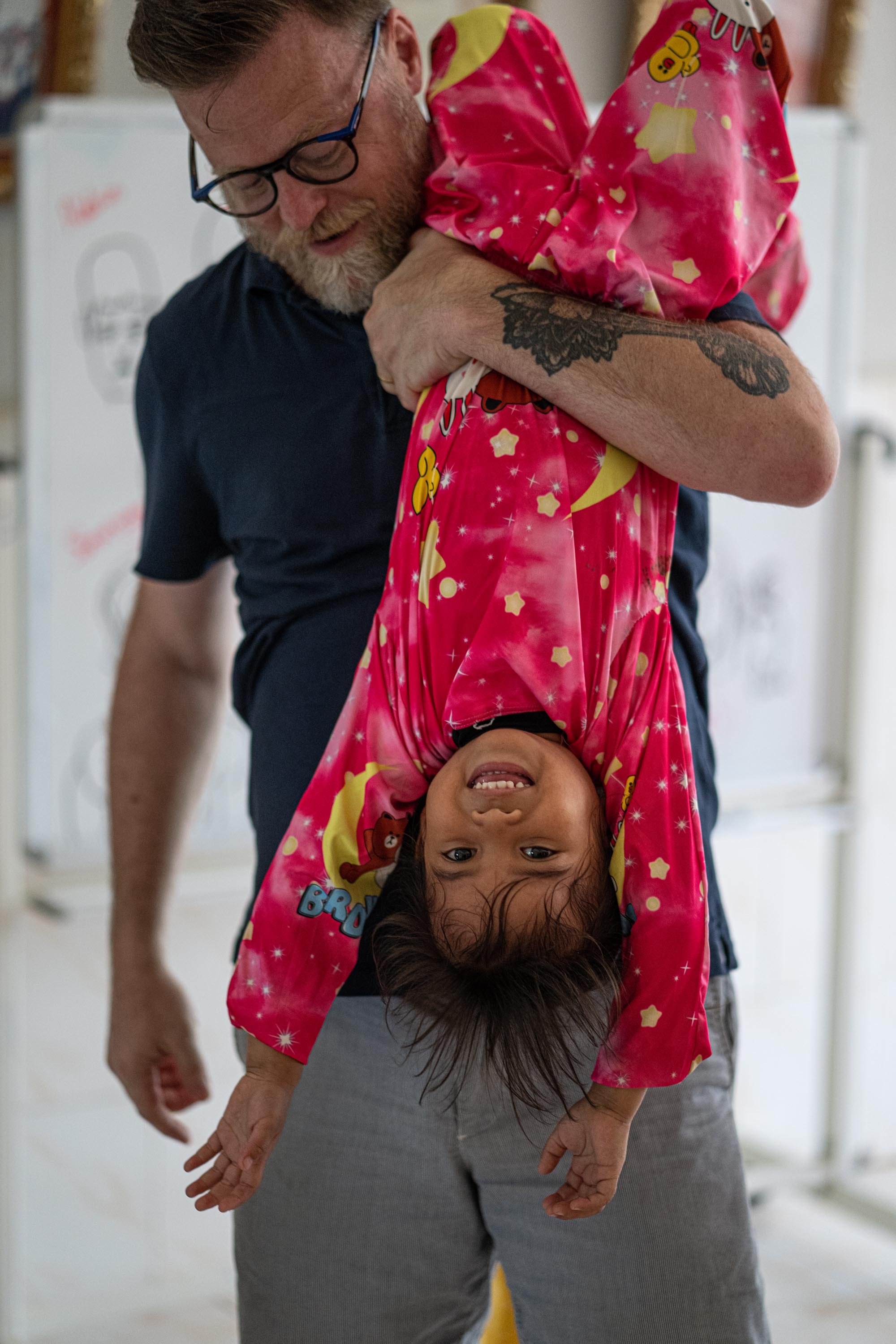
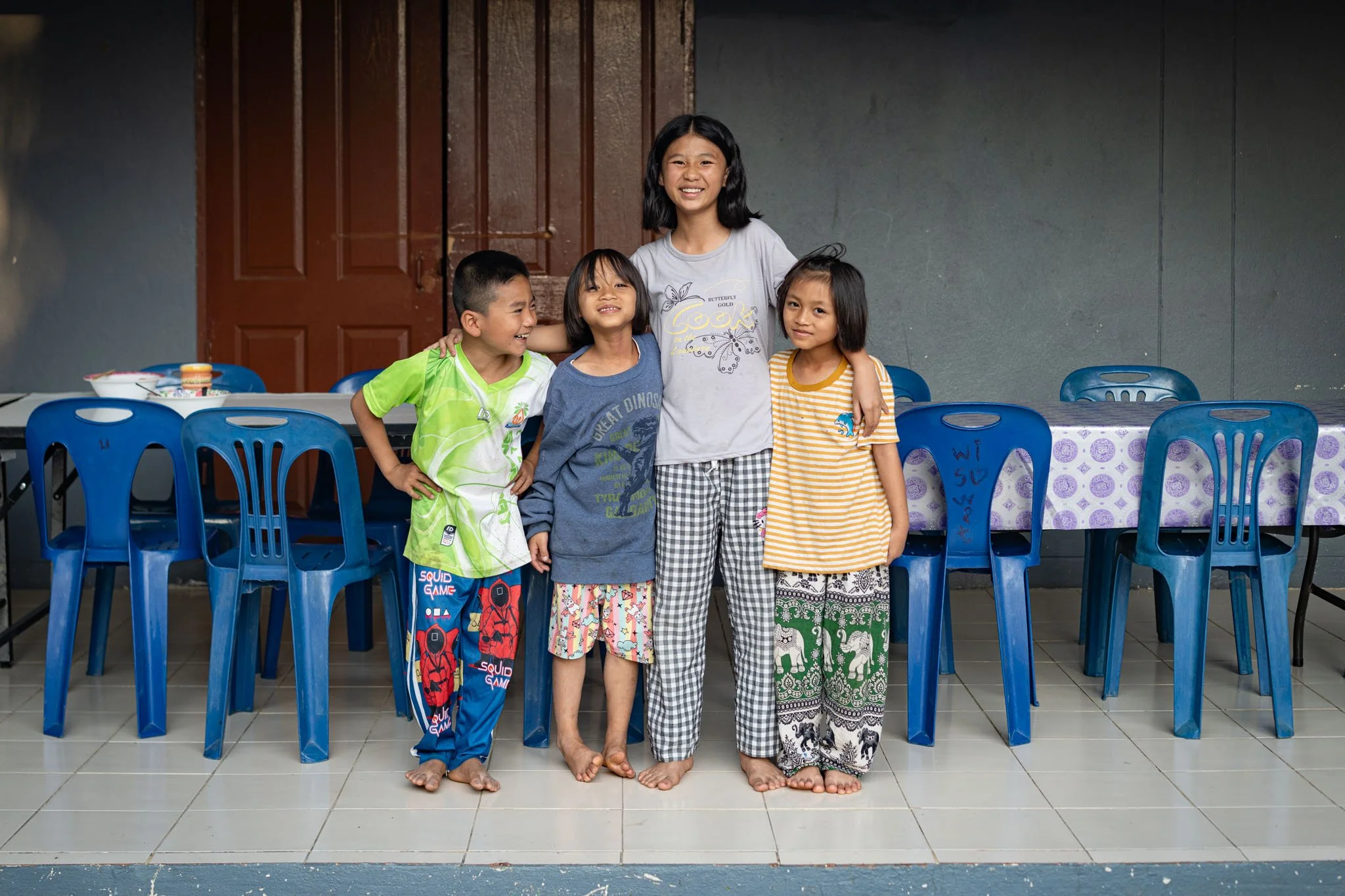
Asia’s Hope boy in Battambang, Cambodia showing of his new PJs

Kids at Asia’s Hope in Prek Eng

Phnom Penh today

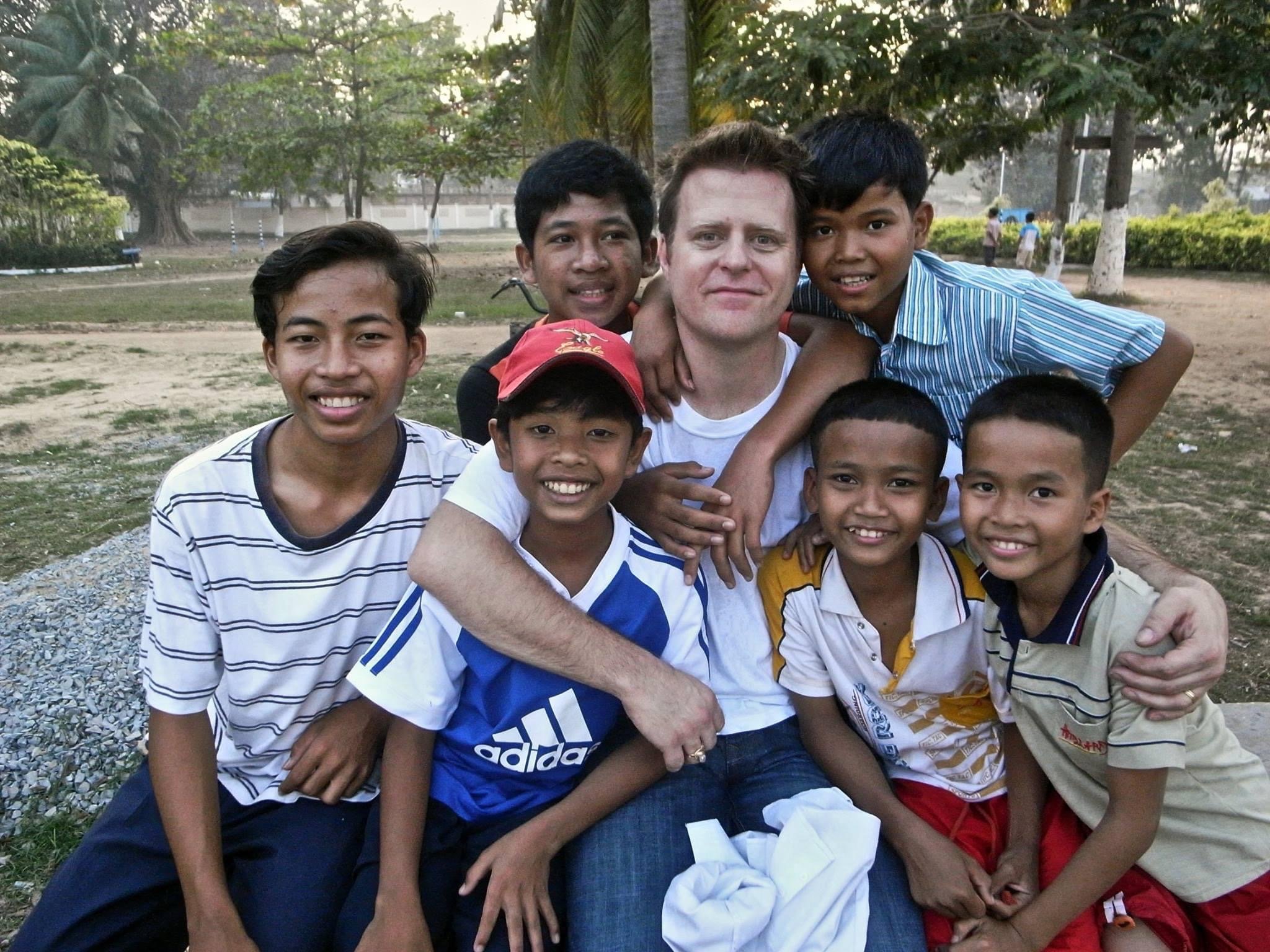
Me, about 20 years ago, with kids at our Prek Eng 1 (Cambodia) home

Family dinner at our Doi Saket 1D (Thailand) home

Tutu Abourmad and kids at our Wiang Pa Pao 1 (Thailand) home

Boys at our Kalimpong 4 (India) home

Kids and staff from our 6 homes in Kalimpong (India) gather to say goodbye

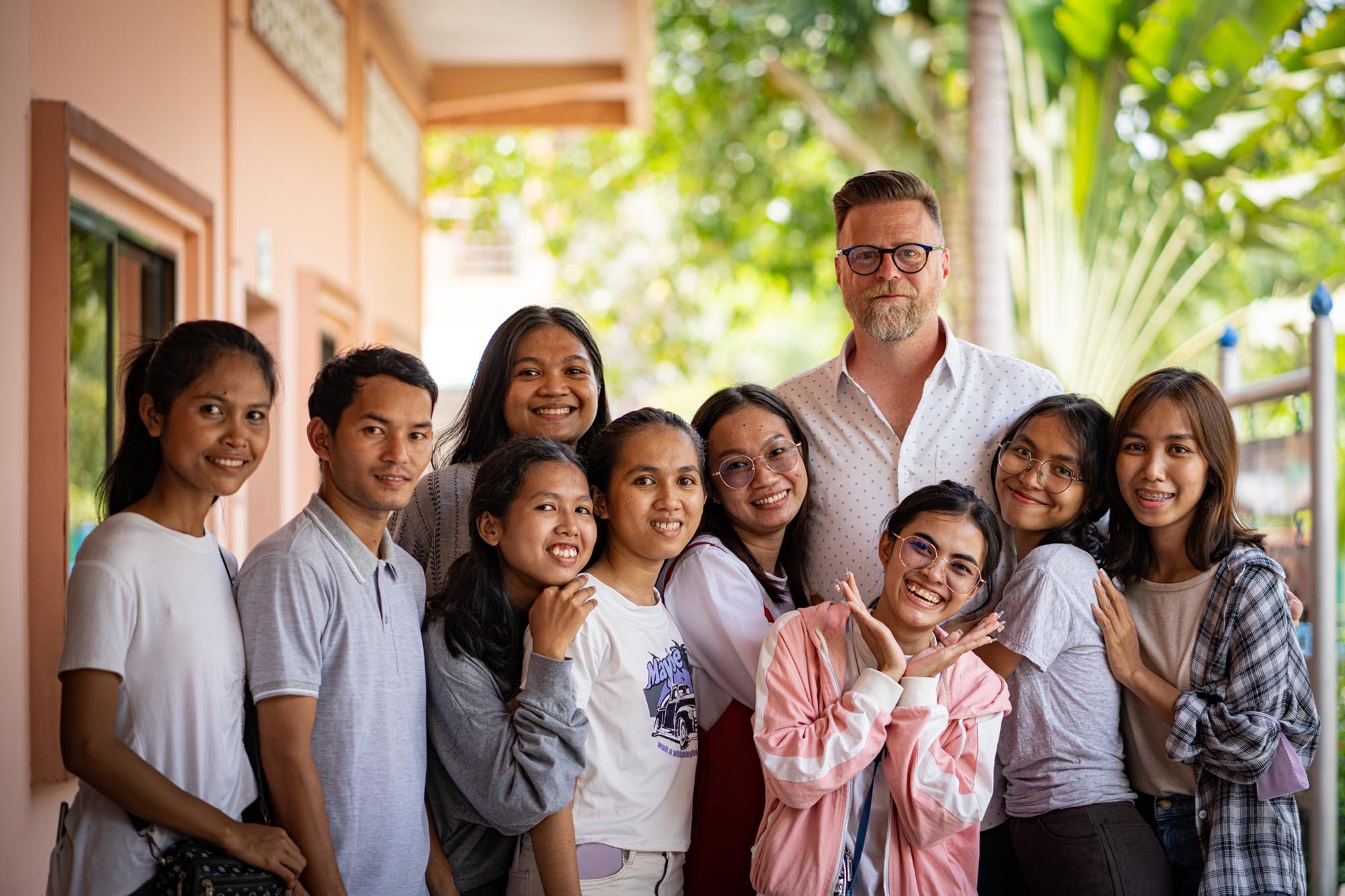
Me, Kori with Amber Gurung, director of Asia’s Hope India and some of our home parents

Me, meeting Luong Ung, Author of First They Killed My Father

John McCollumComment